
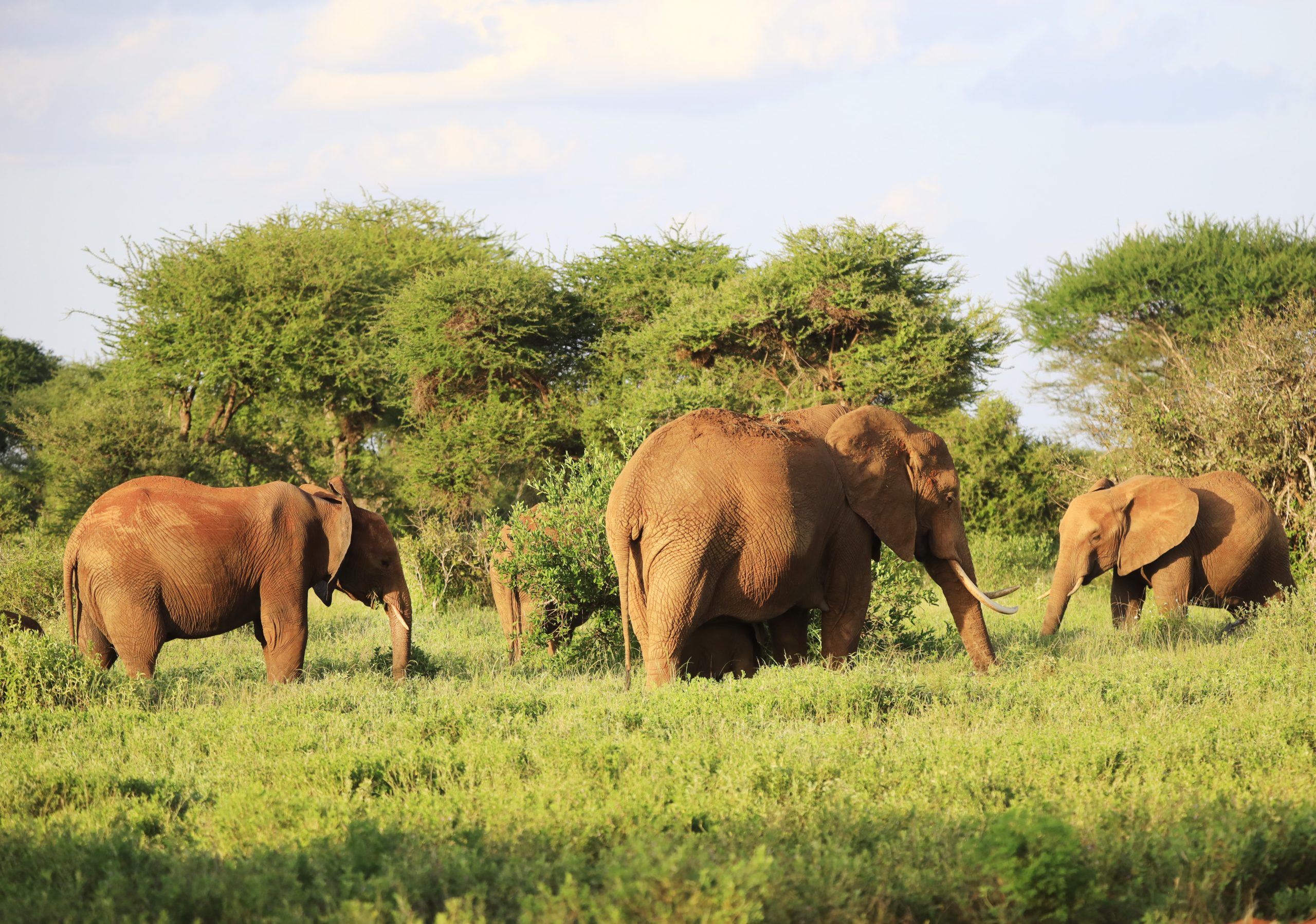
10-Day Tanzania Birding Safari (Mkomazi, Arusha, Manyara, Tarangire)
Destinations: Tanzania (Mkomazi, Arusha, Manyara, Tarangire)
DAY-BY-DAY BREAKDOWN
Day 1: Arusha to Mkomazi National Park
- Morning: Arrival at Kilimanjaro International Airport (JRO). Meet specialist birding guide.
- Late Morning: Drive to Mkomazi National Park (3-4 hours), a less-visited gem.
- Afternoon (3:00 PM): Afternoon birding and game drive:
- Target dry-country species:
- Vulturine Guineafowl
- Martial Eagle
- Somali Ostrich
- Fischer’s Lovebird
- Pygmy Falcon
- Visit Mkomazi Rhino Sanctuary (black rhinos)
- Mammals: oryx, lesser kudu, gerenuk
- Target dry-country species:
- Evening: Check into camp, dinner, bird list review.
- Meals: Lunch en route, Dinner
- Accommodation: Mkomazi camp
Day 2: Full Day in Mkomazi NP
- Early Morning (6:00 AM): Early morning birding walk:
- Target: northern dry-country specials
- Raptors: bateleur, brown snake eagle, black-chested snake eagle
- Endemics: Fischer’s lovebird (possible)
- Long-tailed shrike, Decker’s hornbill
- Mid-day: Rest.
- Afternoon (3:30 PM): Afternoon game drive exploring different sectors.
- Evening: Dinner, update bird list.
- Meals: Breakfast, Lunch, Dinner
- Accommodation: Same Mkomazi camp
Day 3: Mkomazi to Arusha National Park
- Morning (7:00 AM): Breakfast, early morning birding.
- Late Morning: Drive to Arusha National Park (4 hours).
- Afternoon (3:00 PM): Birding in Arusha NP:
- Both flamingo species (greater and lesser) on Momella Lakes
- Pelicans, cormorants, storks
- African openbill, sacred ibis, glossy ibis
- Forest species: Hartlaub’s turaco, silvery-cheeked hornbill
- Evening: Dinner at lodge.
- Meals: Breakfast, Lunch, Dinner
- Accommodation: Arusha area lodge
Day 4: Arusha to Mto wa Mbu
- Early Morning (6:00 AM): Bird walk in Arusha NP (montane forest):
- Target: Hartlaub’s turaco, silvery-cheeked hornbill
- Barred long-tailed cuckoo, Narina trogon
- Late Morning: Drive to Mto wa Mbu (2 hours), lunch.
- Afternoon (2:30 PM): Cultural village walk (2-3 hours):
- Visit Makonde sculptors
- Meet local painters
- Traditional African meal
- Evening: Dinner, cultural performance.
- Meals: Breakfast, Lunch, Dinner
- Accommodation: Mto wa Mbu lodge
Day 5-6: Lake Manyara National Park
- Early Morning (6:00 AM): Early entry for birding:
- Target species (over 400 recorded):
- Silvery-cheeked hornbill
- Fischer’s lovebird (Lake Manyara specialty)
- Yellow-billed stork
- African spoonbill
- Pelicans (great white, pink-backed)
- Crowned eagle
- Pygmy kingfisher
- Target species (over 400 recorded):
- Mid-day: Rest.
- Afternoon (3:30 PM): Game drives focusing on:
- Flamingos (numbers vary)
- Tree-climbing lions (famous here)
- Waterbirds in marsh areas
- Evenings: Bird list review.
- Meals: Breakfast, Lunch, Dinner each day
- Accommodation: Mto wa Mbu lodge
Day 7-9: Tarangire National Park
- Each Day Schedule:
- Early Morning (6:00 AM): Birding drive (4 hours) targeting:
- Ashy starling (Tarangire specialty)
- Yellow-collared lovebird
- Northern white-crowned shrike
- Raptors: martial eagle, bateleur, vultures
- White-bellied buffalo weaver
- Crested guineafowl
- Long-tailed roller
- Grey-winged goshawk
- Mid-day: Rest.
- Afternoon (3:30 PM): Game drive (3-4 hours) focusing on:
- Large elephant herds
- Baobab trees
- Bird species in different habitats
- Early Morning (6:00 AM): Birding drive (4 hours) targeting:
- Evenings: Bird list review.
- Meals: Breakfast, Lunch, Dinner each day
- Accommodation: Tarangire camp
Day 10: Tarangire to Airport/Departure
- Early Morning (6:00 AM): Final birding session (3 hours).
- Late Morning: Return to camp for breakfast, check out.
- Mid-day: Drive to Kilimanjaro International Airport (3-4 hours).
- Afternoon: Lunch en route, airport drop-off for departure.
- Meals: Breakfast, Lunch en route
- Accommodation: None (departure)
INCLUSIONS & EXCLUSIONS
| Inclusions | Exclusions |
|---|---|
| Airport transfers | International airfare |
| Private 4×4 safari vehicle | Tanzania visa ($50) |
| Specialist birding guide (ornithologist) | Travel insurance |
| Accommodation (9 nights full-board) | Personal expenses |
| Park entry fees (all parks) | Alcoholic drinks |
| Mkomazi Rhino Sanctuary visit | Tips for guides, lodge staff |
| Cultural village walk | Laundry services |
| Bottled water throughout | |
| Bird checklist and species tally | |
| All applicable government taxes |
BEST TIME TO VISIT
| Season | Months | Birding Conditions | Rating |
|---|---|---|---|
| Peak Birding | November – April | Migrants present, breeding plumage, green landscapes | ⭐⭐⭐⭐⭐ |
| Good Birding | May – October | Resident species only, easier wildlife viewing | ⭐⭐⭐ |
| Wet Season | March – May | Heavy rains, difficult access | ⭐⭐ |
WHAT TO PACK
| Category | Essential Items |
|---|---|
| Birding Gear | Quality binoculars (8×42 or 10×42), field guide (Birds of East Africa), notebook, camera with 400mm+ lens |
| Clothing | Neutral colors, long pants, long-sleeved shirts, wide-brimmed hat, lightweight waterproof jacket, fleece |
| Footwear | Comfortable walking shoes, waterproof boots (wet season) |
| General | DEET repellent, sunscreen, personal medications, reusable water bottle, power bank |
RECOMMENDED LODGES & CAMPS
| Category | Lodges/Camps | Features | Price Range (per person/night) |
|---|---|---|---|
| Specialist Birding | Mkomazi Cottages, Kibo Hotel (Arusha), Fig Tree Hotel (Mto wa Mbu), Tarangire View Camp | Basic but comfortable, birding-focused | $100-200 |
| Mid-Range Birding | Lake Manyara Serena, Tarangire Safari Lodge | Comfortable lodges, good birding locations | $200-350 |
| Luxury Birding | Oliver’s Camp (Tarangire), Lake Manyara Tree Lodge | Premium accommodations, expert birding guides | $400-800 |
FREQUENTLY ASKED QUESTIONS
Q: What’s the bird species potential in 10 days?
A: 350-450 species possible with an expert guide. Tanzania has over 1,100 species total.
Q: What’s Mkomazi like for birding?
A: Remote, less-visited, excellent for dry-country specials you won’t see elsewhere on this circuit .
Q: Do I need a scope?
A: Not essential—your guide will have one. Quality binoculars are more important.
Q: Is this suitable for non-birders?
A: Yes—wildlife viewing is equally spectacular (elephants, lions, etc.), and birding adds depth.
Q: What’s the best time for flamingos?
A: Lake Manyara flamingo numbers fluctuate. Generally best in dry season when water levels concentrate them.