
12-Day Uganda Kidepo Valley and Karamoja Cultural Safari: Discover the Wild Northeast
Uganda is famous for mountain gorillas, chimpanzees and traditional savannah safaris, but its northeastern region offers a completely different adventure. Here, expansive wilderness, rugged mountains, traditional pastoral communities and distinctive wildlife create an unforgettable travel experience.
A 12-day Uganda Kidepo Valley and Karamoja Cultural Safari is designed for travellers who want to discover the country’s remote northeastern landscapes while learning about its rich cultural heritage.
The journey begins in Entebbe and continues north towards Ziwa Rhino Sanctuary, where visitors may have an opportunity to experience rhino tracking. From there, travel through Gulu and Kitgum towards Kidepo Valley National Park, one of Uganda’s most distinctive wilderness destinations.
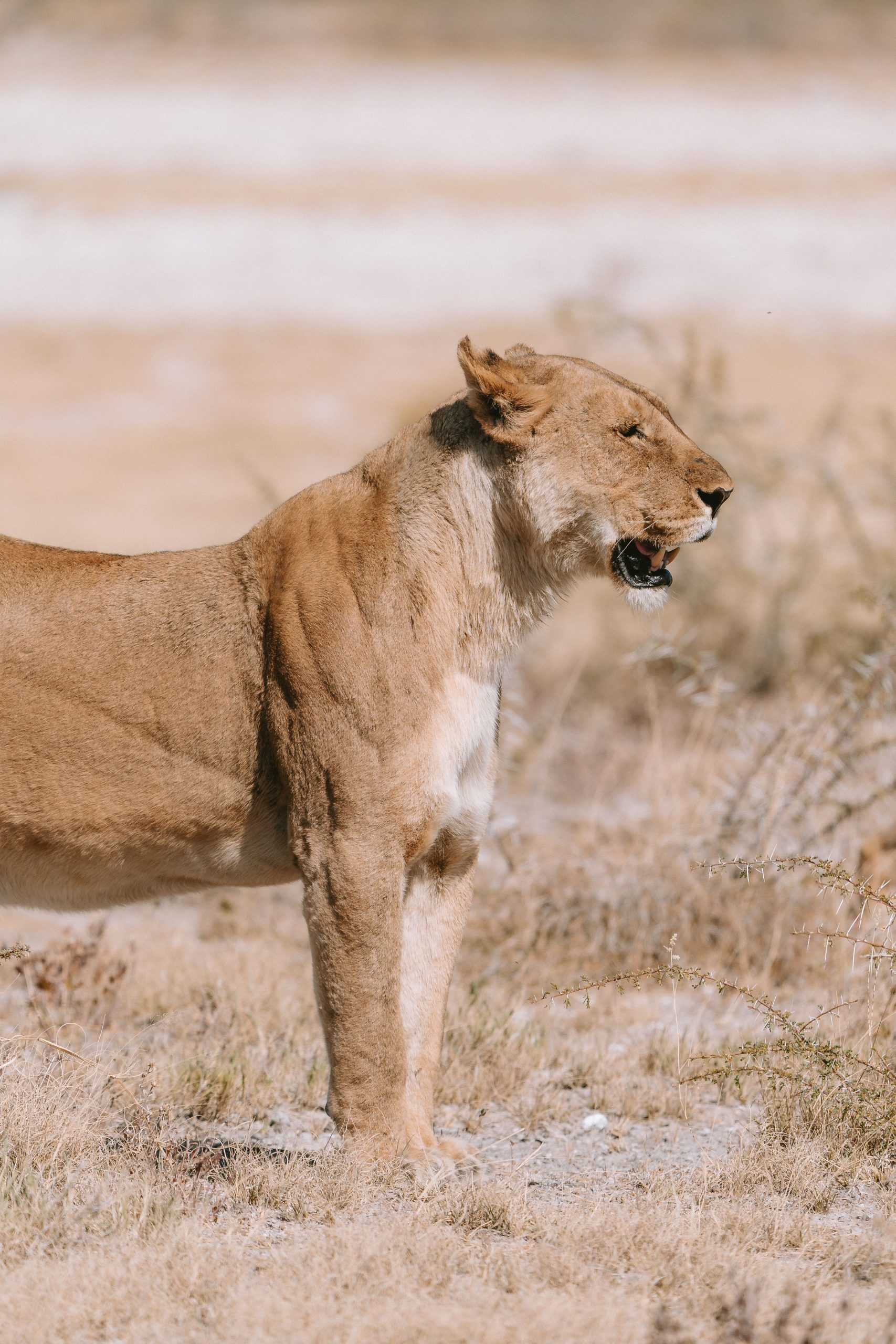
Kidepo is famous for its expansive savannah plains, mountainous scenery, large buffalo herds, elephants, lions, giraffes and remarkable birdlife. Its two main landscapes, the Narus and Kidepo valleys, offer different wildlife-viewing experiences.
The cultural part of the proposed journey introduces visitors to the Karamojong people through respectful, community-led experiences. These may include traditional homestead visits, local crafts, storytelling, pastoral heritage and an introduction to everyday life in Karamoja.
The journey concludes around Sipi Falls and the Mount Elgon foothills, providing a scenic stop before returning to Entebbe.
Organised by Kuku Safaris, this itinerary is designed for adventurous travellers interested in wildlife, cultural heritage, nature photography and destinations beyond Uganda’s traditional safari circuit.
Operational note: The Karamoja portion of this itinerary must only proceed after checking current travel advisories and obtaining satisfactory local security and insurance clearance. Where that clearance is not available, the Moroto extension must be removed or replaced with a safer alternative.
Uganda Kidepo and Karamoja Safari Overview
Duration: 12 days and 11 nights
Country: Uganda
Main destinations: Entebbe, Ziwa Rhino Sanctuary, Gulu, Kitgum, Kidepo Valley National Park, Moroto and Sipi Falls
Safari style: Private guided wildlife and cultural safari
Accommodation: Hotels, safari lodges, wilderness camps and selected mountain retreats
Main activities: Rhino tracking where available, game drives, wildlife photography, birdwatching, guided cultural experiences, waterfall hikes and coffee tours
Wildlife highlights: Lions, elephants, buffaloes, Rothschild’s giraffes, zebras, ostriches, hartebeests, antelopes and numerous bird species
Cultural highlights: Karamojong cultural heritage, community-led homestead visits, traditional crafts, storytelling and local food experiences
Ideal for: Adventure travellers, photographers, cultural enthusiasts, repeat Uganda visitors and travellers interested in remote wilderness destinations
Why Choose a Kidepo Valley and Karamoja Safari?
1. Discover Kidepo Valley National Park
Kidepo Valley National Park is one of Uganda’s most distinctive wilderness destinations.
Located in the northeastern corner of the country, the park is characterised by expansive savannah plains, rugged mountains, rocky outcrops and seasonal river valleys.
According to the Uganda Wildlife Authority’s official Kidepo Valley National Park guide, the park supports more than 77 mammal species and approximately 476 recorded bird species.
Its remote location and distinctive wildlife make it particularly appealing to travellers seeking a less conventional African safari.
2. Explore the Narus Valley
The Narus Valley is one of the park’s principal wildlife-viewing areas.
Its seasonal water sources attract animals from surrounding landscapes, especially during drier periods.
Visitors may encounter elephants, buffaloes, lions, Rothschild’s giraffes, zebras, hartebeests and various other species.
The open landscape also offers excellent opportunities for wildlife photography.
3. Experience the Distinctive Kidepo Valley Landscape
The Kidepo Valley offers a different environment from the Narus Valley, with impressive open plains and mountain scenery.
Depending on park conditions, road accessibility and current ranger guidance, visitors may enjoy scenic game drives through authorised areas.
The valley provides interesting opportunities for landscape photography and birdwatching.
All excursions should remain within approved park routes and follow Uganda Wildlife Authority guidance.
4. Discover Karamoja’s Cultural Heritage
Karamoja is home to the Karamojong people, whose cultural heritage is closely associated with pastoralism, livestock keeping, community relationships, traditional knowledge and local craftsmanship.
A properly arranged cultural experience provides visitors with an opportunity to learn about the region through direct engagement with local communities.
Possible activities include:
- Guided visits to community homesteads
- Traditional storytelling
- Learning about livestock-keeping practices
- Local food experiences
- Beadwork and traditional crafts
- Community cultural performances where organised and chosen by the host community
- Discussions about local conservation and livelihood initiatives
These activities should be organised through responsible community tourism partners, with informed consent and transparent local benefits.
5. Visit Ziwa Rhino Sanctuary
Ziwa provides an opportunity to learn about Uganda’s rhino recovery programme.
It is associated with the country’s southern white rhino breeding and conservation efforts, which began in 2005.
In March 2026, Uganda Wildlife Authority announced the commencement of a phased rhino reintroduction programme from Ziwa to Kidepo Valley National Park. The animals were placed in a protected sanctuary within Kidepo for monitoring and adaptation. Read the Uganda Ministry of Tourism’s rhino reintroduction announcement.
A visit to Ziwa can provide an educational introduction to rhino conservation. However, confirm that visitor tracking activities remain available on the planned travel dates.
6. Enjoy the Natural Beauty of Sipi Falls
Sipi Falls is located on the slopes of Mount Elgon in eastern Uganda.
The area is famous for its waterfalls, green hills, coffee farms and beautiful viewpoints.
It provides a relaxing contrast to the open savannah landscapes of Kidepo and the cultural experiences of Karamoja.
Detailed 12-Day Uganda Kidepo and Karamoja Safari Itinerary
Day 1: Arrival in Entebbe – Welcome to Uganda
Your adventure begins at Entebbe International Airport.
Upon arrival, a representative from Kuku Safaris will welcome you and arrange your transfer to a comfortable hotel in Entebbe.
After checking in, relax following your international flight.
Depending on your arrival time, you may explore the Entebbe Botanical Gardens, enjoy a lakeside meal or simply relax at your hotel.
During the evening, meet your safari guide for a briefing about the adventure ahead.
Your guide will explain the route, wildlife-viewing activities, cultural experiences and travel arrangements.
Enjoy dinner and an overnight stay in Entebbe.
Accommodation: Hotel in Entebbe
Meals: Dinner, depending on arrival time
Main highlights: Airport welcome, Lake Victoria scenery and safari briefing
Day 2: Entebbe to Ziwa Rhino Sanctuary and Gulu – Discover Uganda’s Rhino Conservation Story
After an early breakfast, depart Entebbe and travel north towards Ziwa Rhino Sanctuary.
Ziwa is an important destination in Uganda’s rhino conservation history and provides opportunities to learn about the recovery and protection of southern white rhinos.
Subject to current visitor arrangements, you may enjoy an optional guided rhino tracking experience.
Accompanied by experienced sanctuary guides and rangers, visitors explore suitable areas on foot in search of the rhinos.
The experience provides an opportunity to learn about rhino behaviour, conservation management, habitat protection and the challenges facing these magnificent animals.
After the visit, continue north towards Gulu.
The journey passes through rural communities, agricultural landscapes and northern Uganda’s developing countryside.
Arrive in Gulu in the late afternoon, check into your hotel and enjoy dinner.
Accommodation: Hotel or guesthouse in Gulu
Meals: Breakfast, lunch and dinner
Main highlights: Ziwa rhino conservation experience, northern Uganda countryside and arrival in Gulu
Travel note: Entebbe–Ziwa–Gulu is a substantial travel day. Begin early and confirm that the rhino tracking activity is operating before including it in a fixed departure.
Day 3: Gulu to Kidepo Valley National Park via Kitgum – Enter Uganda’s Remote Wilderness
After breakfast, depart Gulu and travel towards Kidepo Valley National Park via Kitgum.
The route takes you through northern Uganda’s countryside, passing local communities, open plains and increasingly dramatic landscapes.
As you approach the northeastern region, the terrain becomes more rugged, with distant mountains and expansive savannah scenery.
Allow adequate time for comfort stops and changing road conditions.
Upon arrival at Kidepo Valley National Park, complete the necessary entry arrangements and transfer to your lodge or camp.
Depending on the arrival time, enjoy a relaxed afternoon overlooking the surrounding landscape.
Kidepo is one of Uganda’s most remarkable wilderness areas, with opportunities to encounter elephants, buffaloes, lions, giraffes, zebras and numerous bird species.
In the evening, enjoy dinner and a briefing about the following day’s safari activities.
Accommodation: Safari lodge or camp near Kidepo Valley National Park
Meals: Breakfast, lunch and dinner
Main highlights: Scenic northern Uganda journey, arrival at Kidepo and wilderness landscapes
Day 4: Kidepo Valley National Park – Explore the Narus Valley
Wake up early for breakfast before heading out for a morning game drive in the Narus Valley.
The Narus Valley is one of the park’s principal wildlife-viewing areas because of its water availability and surrounding grassland habitats.
Your guide will explore suitable areas in search of elephants, buffaloes, lions, Rothschild’s giraffes, zebras, hartebeests and other wildlife.
The open plains offer excellent opportunities for wildlife photography, particularly during the early morning hours.
Birdwatchers may also search for ostriches, secretary birds, raptors, hornbills, bustards and numerous savannah species.
Enjoy lunch at your accommodation or a suitable authorised picnic location.
In the afternoon, continue exploring the park, following the wildlife information provided by your guide and park rangers.
Return to your lodge in the evening for dinner and relaxation.
Accommodation: Safari lodge or camp near Kidepo
Meals: Breakfast, lunch and dinner
Main highlights: Narus Valley game drive, elephants, buffaloes, lions and savannah birdlife
Day 5: Kidepo Valley National Park – Wildlife Photography and Savannah Exploration
Today offers another opportunity to experience the extraordinary landscapes and wildlife of Kidepo.
After breakfast, depart for a morning game drive through suitable wildlife-viewing areas.
Your guide will select the day’s route according to recent animal sightings and park conditions.
Look out for elephants feeding near woodland, buffalo herds moving through the grasslands, giraffes browsing on trees and lions resting around rocky outcrops.
Kidepo is also attractive for photographers because of its distinctive landscapes, which combine open savannah, rocky hills and distant mountain ranges.
Enjoy a picnic lunch or return to your lodge for a midday rest.
In the afternoon, consider a guided birdwatching session or a short nature activity within an authorised area.
Return to your accommodation for dinner.
Accommodation: Safari lodge or camp near Kidepo
Meals: Breakfast, lunch and dinner
Main highlights: Additional game drives, wildlife photography and birdwatching
Day 6: Kidepo Valley National Park – Birdwatching and Wilderness Experiences
Spend another full day exploring the remarkable natural environment of Kidepo.
The morning can be dedicated to birdwatching, with your guide focusing on the park’s distinctive birdlife and unusual species.
Possible sightings include ostriches, secretary birds, Abyssinian ground hornbills, bustards, raptors and various savannah specialists.
Depending on the park’s operating arrangements, you may also enjoy another game drive around the Narus Valley or other permitted sections.
The day can be arranged at a relaxed pace, allowing time for photography, wildlife observation and appreciation of the park’s landscapes.
Return to your accommodation in the afternoon.
Spend the evening enjoying dinner beneath the African sky and reflecting on the wildlife experiences.
Accommodation: Safari lodge or camp near Kidepo
Meals: Breakfast, lunch and dinner
Main highlights: Specialist birdwatching, savannah wildlife and wilderness photography
Day 7: Kidepo to Moroto – Journey Through Karamoja’s Mountain Landscapes
This day is subject to current security clearance and must not proceed when travel advisories or local authorities advise against the journey.
After breakfast, depart Kidepo and travel towards Moroto through the Karamoja region, using the route approved by local authorities and your security coordinator.
The journey offers opportunities to appreciate the region’s dramatic landscapes, including open plains, rocky formations, rugged mountains and traditional rural settlements.
Moroto lies at the foot of Mount Moroto and is an important centre for tourism and cultural heritage activities in northeastern Uganda.
Upon arrival, check into your accommodation and relax.
Depending on the arrival time and local security assessment, an introductory cultural briefing may be arranged with a responsible local tourism partner.
Enjoy dinner and an overnight stay in Moroto.
Accommodation: Hotel, lodge or approved guesthouse in Moroto
Meals: Breakfast, lunch and dinner
Main highlights: Scenic Karamoja landscapes and arrival in Moroto
Operational condition: The route through Kaabong, Kotido and Moroto must be checked before departure. The journey should be completed during daylight and only when approved by the responsible local security and tourism authorities.
Day 8: Moroto – Karamojong Cultural Heritage and Community Experiences
Subject to security clearance, spend today discovering Karamoja’s cultural heritage through a community-led experience.
After breakfast, meet your local community guide for an introduction to the region and its traditional way of life.
A guided homestead visit may provide insight into the architecture and organisation of a traditional manyatta.
Learn about livestock keeping, community relationships, traditional craftsmanship, food preparation and the role of cattle within local livelihoods.
Depending on the host community’s preference, the experience may also include storytelling, music, dance and demonstrations of traditional beadwork.
Visitors should approach these experiences respectfully, asking permission before taking photographs and following the host community’s guidance.
A community-led cultural visit can provide a more meaningful experience than a staged performance because it allows local people to decide how their heritage is shared.
For specialist local experiences, consult the Kara-Tunga Arts & Tours profile listed by the Association of Uganda Tour Operators.
Return to your accommodation in the afternoon and enjoy dinner.
Accommodation: Approved hotel or lodge in Moroto
Meals: Breakfast, lunch and dinner
Main highlights: Karamojong heritage, traditional homestead experience, crafts and community interaction
Day 9: Moroto to Sipi Falls – Discover Eastern Uganda’s Mountain Scenery
After breakfast, depart Moroto and travel towards Sipi Falls through eastern Uganda, subject to current road and security assessments.
The journey passes through changing landscapes before reaching the green highlands surrounding Mount Elgon.
Arrive in the Sipi area and check into your lodge or guesthouse overlooking the waterfalls and surrounding countryside.
Sipi is known for its beautiful cascades, coffee farms and scenic mountain landscapes.
Spend the afternoon relaxing or exploring the immediate surroundings of your accommodation.
Depending on your arrival time, you may enjoy a short guided walk or visit a local coffee farm.
In the evening, enjoy dinner and an overnight stay.
Accommodation: Lodge or guesthouse near Sipi Falls
Meals: Breakfast, lunch and dinner
Main highlights: Eastern Uganda landscapes, Mount Elgon foothills and arrival at Sipi
Day 10: Sipi Falls – Waterfall Hiking and Coffee Experiences
Today is dedicated to discovering Sipi Falls and the beautiful surrounding landscapes.
After breakfast, meet a local guide for a hike exploring the waterfall trails.
Sipi is famous for its three waterfalls, each offering different viewpoints and walking experiences.
The trails pass through local villages, cultivated hillsides and beautiful viewpoints overlooking the surrounding countryside.
Depending on your preferred walking distance, you may visit one, two or all three waterfalls.
The hike may include steep sections and slippery paths, particularly during wet weather, so suitable walking shoes are recommended.
Later, enjoy an optional coffee experience at a local farm.
The Mount Elgon region is recognised for its Arabica coffee production, and a guided farm visit can introduce you to traditional coffee-growing and preparation methods.
You may learn about harvesting, drying, roasting and preparing coffee before enjoying a freshly brewed cup.
Return to your lodge in the afternoon for relaxation and dinner.
Accommodation: Lodge or guesthouse near Sipi Falls
Meals: Breakfast, lunch and dinner
Main highlights: Sipi Falls hiking, scenic viewpoints, coffee farming and local community experiences
Day 11: Sipi Falls to Entebbe – Return to Central Uganda
After breakfast, check out of your accommodation and begin your journey towards Entebbe.
The route passes through eastern and central Uganda, with opportunities to enjoy views of the countryside and local communities.
Depending on the selected route and available time, there may be a short stop in Jinja for refreshments or a visit to a suitable attraction.
Continue towards Entebbe and check into your hotel.
This overnight stay is recommended because the road journey is substantial and provides a comfortable buffer before international departure.
Spend the evening relaxing and enjoying dinner.
Accommodation: Hotel in Entebbe
Meals: Breakfast, lunch and dinner
Main highlights: Scenic return journey and final night in Entebbe
Day 12: Entebbe – Departure from Uganda
After breakfast, prepare for your transfer to Entebbe International Airport.
Depending on your international flight time, you may enjoy a relaxed morning at the hotel or a short visit around Entebbe.
Your Kuku Safaris representative will coordinate your departure transfer according to your confirmed flight schedule.
As your adventure comes to an end, you leave Uganda with memories of Kidepo’s remarkable wildlife, Karamoja’s cultural heritage, the landscapes of northeastern Uganda and the beautiful waterfalls of Sipi.
Meals: Breakfast, depending on departure time
Main highlights: Final airport transfer and departure
Best Time to Visit Kidepo and Karamoja
Uganda can be visited throughout the year, although weather and seasonal conditions can influence road accessibility, wildlife viewing and cultural activities.
For a Kidepo safari, seasonal conditions are particularly important because the availability of water influences wildlife distribution.
June to September: Popular Wildlife Viewing Period
This is one of the drier periods for visiting Kidepo.
Animals may concentrate around remaining water sources, particularly in the Narus Valley, creating rewarding opportunities for game drives.
The drier road conditions may also make travel easier, although the northeastern journey remains substantial.
December to February: Another Attractive Safari Period
This period generally offers another opportunity to explore Kidepo under relatively dry conditions.
Visitors may enjoy good wildlife-viewing opportunities and more manageable road conditions.
March to May: Rainy Season Considerations
The long rainy season can affect roads and accessibility.
Some tracks may become difficult to navigate, and additional time may be required for road transfers.
October to November: Short Rainy Season
This period can bring further rainfall, affecting road conditions and some outdoor activities.
Travellers should confirm local conditions before travelling.
Travel recommendation: June to September and December to February are commonly attractive periods for Kidepo wildlife viewing. However, weather is only one consideration. Current security advice, local access and insurance approval must take priority when deciding whether this itinerary can operate.
What Wildlife Can You See in Kidepo Valley National Park?
Kidepo offers a distinctive wildlife experience compared with several of Uganda’s other national parks.
African Elephants
Elephants can be encountered across suitable grassland and woodland habitats.
Lions
Kidepo supports a population of lions that may be encountered resting near rocky outcrops or moving across the savannah.
African Buffaloes
Large buffalo herds are among the park’s most recognisable wildlife attractions.
Rothschild’s Giraffes
Kidepo is an important location for seeing Rothschild’s giraffes, which are especially distinctive because of their coat patterns and conservation status.
Zebras
Zebras may be encountered grazing across the open grasslands.
Ostriches
Kidepo is recognised for Uganda’s only wild population of ostriches.
Other Wildlife
Depending on the area explored, you may also encounter:
- Jackson’s hartebeests
- Oribi
- Waterbucks
- Warthogs
- Hyenas
- Various antelope species
- Numerous birds of prey
Rhino conservation update: Southern white rhinos began returning to Kidepo through a phased reintroduction programme in March 2026. The animals were initially placed within a protected sanctuary for monitoring. Do not advertise guaranteed public rhino viewing in Kidepo unless Uganda Wildlife Authority confirms that visitor access is available. https://www.tourism.go.ug/single-post/kidepo-welcomes-back-rhinos-after-43-year-absence-in-historic-wildlife-comeback
What Cultural Experiences Can You Enjoy in Karamoja?
The cultural component is an important part of this proposed product.
Karamoja’s cultural heritage offers travellers an opportunity to learn about pastoralist traditions and the relationship between communities, livestock and the surrounding environment.
1. Traditional Manyatta Visits
A guided visit to a traditional homestead can introduce visitors to local architecture, family structures and community life.
These visits should always be arranged with the permission of the host community.
2. Traditional Crafts and Beadwork
Visitors may learn about the significance of locally made jewellery and decorative crafts.
Community artisans may also demonstrate traditional techniques and offer items for sale.
3. Storytelling and Oral Heritage
Community elders and local guides may share stories about the history, traditions and changing lifestyles of the region.
4. Traditional Food Experiences
A community-led meal can provide an introduction to local ingredients and cooking traditions.
Food experiences should be organised with local hosts and should clearly explain any dietary considerations.
5. Music and Dance
Where communities wish to host performances, visitors may enjoy traditional music and dance as part of a cultural exchange.
The emphasis should be on respectful participation rather than treating local traditions as entertainment without context.
What Is Included in the 12-Day Uganda Kidepo and Karamoja Safari?
The package can be customised according to accommodation category, group size, travel dates and confirmed activity arrangements.
Typical inclusions may include:
- Airport transfers as specified in the final itinerary
- Accommodation for 11 nights
- Meals as outlined in the itinerary
- Private 4×4 safari vehicle
- Professional English-speaking driver-guide
- Fuel and scheduled ground transportation
- Ziwa rhino tracking activity, if available and included
- Kidepo Valley National Park entry fees
- Scheduled game drives
- Birdwatching experiences
- Local cultural guide and community visit where arranged
- Sipi Falls guided hike
- Coffee farm experience where included
- Applicable activity and conservation fees specified in the quotation
- Bottled drinking water during scheduled safari drives
What Is Not Included?
Unless specifically mentioned in the confirmed quotation, the following are normally excluded:
- International flights
- Uganda visa and immigration charges
- Travel insurance
- Personal expenses
- Tips and gratuities
- Alcoholic and premium beverages
- Optional activities not listed in the package
- Equipment rentals
- Additional accommodation before or after the itinerary
- Any service not expressly included in the final quotation
What Should You Pack for a Kidepo and Karamoja Safari?
This itinerary combines savannah wildlife viewing, cultural experiences and hiking, so versatile clothing is recommended.
Safari Essentials
- Lightweight neutral-coloured clothing
- Long-sleeved shirts
- Comfortable trousers
- Closed walking shoes
- Wide-brimmed hat
- Sunglasses
- Sunscreen
- Insect repellent
- Binoculars
- Camera with spare batteries and memory cards
Hiking Essentials
- Comfortable hiking boots
- Lightweight backpack
- Reusable water bottle
- Rain jacket
- Walking socks
- Personal medication
- Small first-aid kit
Cultural and Travel Essentials
- Modest and respectful clothing for community visits
- Cash for local crafts and community experiences
- Passport and appropriate travel documents
- Travel insurance documents
- Personal toiletries
- Phone charger and power bank
Always ask before photographing individuals, homes, livestock or cultural activities.
Why Book Your Kidepo and Karamoja Safari with Kuku Safaris?
A safari to northeastern Uganda requires careful planning and local knowledge.
The journey involves substantial road transfers, remote accommodation, wildlife activities and cultural experiences that depend on community availability.
Kuku Safaris can coordinate the itinerary with suitable local partners, wildlife guides, community tourism providers and accommodation establishments.
The experience can be tailored for travellers who want to spend more time in the wilderness, explore local cultural heritage or extend their stay around Mount Elgon.
Above all, responsible operation requires current local security checks, suitable transport and transparent communication with travellers about conditions.
Frequently Asked Questions About Uganda Kidepo and Karamoja Safaris
1. Where is Kidepo Valley National Park located?
Kidepo Valley National Park is located in northeastern Uganda, in the Karamoja sub-region, near Uganda’s borders with South Sudan and Kenya.
2. What is Kidepo Valley National Park famous for?
Kidepo is famous for its remote wilderness, extensive savannah landscapes, large buffalo herds, elephants, lions, Rothschild’s giraffes, ostriches and rich birdlife.
3. How many days do I need for a Kidepo safari?
Six to eight days can provide a rewarding Kidepo experience, especially when allowing for travel from central Uganda. A 10–12-day itinerary provides more time for cultural experiences and additional destinations.
4. Can I see elephants and lions in Kidepo?
Yes. Both elephants and lions occur in Kidepo Valley National Park, particularly in suitable savannah and woodland habitats. Sightings depend on animal movements and conditions.
5. Can I see rhinos in Kidepo?
Uganda began a phased reintroduction of southern white rhinos into Kidepo in March 2026. They were initially placed in a protected sanctuary for monitoring. Confirm directly with UWA whether any visitor access is available before advertising rhino viewing.
6. What is a Karamojong cultural experience?
A Karamojong cultural experience can involve community-led visits, traditional homestead tours, storytelling, local crafts, music and an introduction to pastoralist heritage.
7. Is this safari suitable for families?
The wildlife and cultural elements may appeal to families, but long road journeys and current security considerations must be taken into account. Activities should be selected according to children’s ages and the operator’s safety requirements.
8. Is the road to Kidepo difficult?
The northern route through Gulu and Kitgum is the more commonly used road approach. A suitable 4×4 vehicle, careful journey planning and current road-condition information are important.
9. Can I fly to Kidepo?
Charter and safari flight options may be available depending on aircraft, operating arrangements and dates. Confirm flight availability before designing the itinerary around an air transfer.
10. What is the best time to visit Kidepo?
June to September and December to February are popular periods because of generally drier conditions. Wildlife viewing and local accessibility also depend on water availability and other environmental conditions.
11. Is Karamoja safe for tourists?
Security conditions change, and foreign government travel advisories currently identify significant concerns in parts of Karamoja. As of November 2026, some official advice recommends avoiding non-essential travel to the region. Check current guidance and obtain local security and insurer approval before confirming travel.
12. Can I customise the itinerary?
Yes. Kuku Safaris can adjust the duration, accommodation and activities, subject to current security conditions and the availability of local tourism partners.
Book Your Uganda Kidepo Valley and Karamoja Cultural Safari with Kuku Safaris
Discover a different side of Uganda through its remote northeastern landscapes, remarkable wildlife and rich cultural heritage.
Explore the savannah plains of Kidepo Valley National Park, search for elephants and lions, learn about the region’s conservation efforts and experience the beautiful mountain landscapes of Sipi Falls.
The cultural component offers an opportunity to understand Karamoja through respectful community-led encounters and local heritage experiences.
Whether you are interested in wildlife photography, cultural tourism or exploring lesser-visited destinations, Kuku Safaris can help design a journey around your interests.
Start planning your Kidepo Valley and Karamoja Safari with Kuku Safaris today.
Contact our team to discuss the proposed itinerary, current travel conditions and suitable arrangements for your East African adventure.