
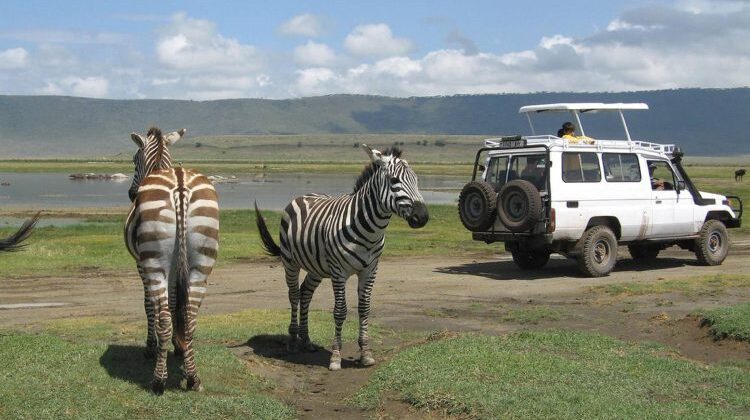
Kenya and Tanzania Safari: How to Combine the Masai Mara and the Serengeti
A Kenya and Tanzania safari lets you follow the Great Migration across two countries and compare two of Africa’s finest safari regions in one trip. This guide explains how the combination works, how to move between the countries, what to watch for with visas and how to plan it.
Why choose a Kenya and Tanzania safari?
- The Masai Mara and the Serengeti are one ecosystem, and the migration crosses between them.
- Kenya offers Amboseli and the Mara, and Tanzania adds the Serengeti, Ngorongoro Crater and Tarangire.
- You see different landscapes, wildlife and cultures in one trip.
- You can time the trip to catch the migration in both countries.
Kenya and Tanzania compared
| Kenya | Tanzania | |
|---|---|---|
| Famous for | Masai Mara, Amboseli, river crossings | Serengeti, Ngorongoro Crater, calving season |
| Landscape | Open plains, lakes and conservancies | Endless plains, a volcanic crater and baobab country |
| Park fees | Vary by park and season | Generally higher |
Sample routes
- Mara to Serengeti: begin in the Masai Mara, then cross into the northern Serengeti by road or small flight.
- Amboseli to Arusha: travel from Amboseli to Arusha in Tanzania, then visit Tarangire, Ngorongoro and the Serengeti.
- Nairobi in, Arusha out: many itineraries fly into one country and out of the other to avoid backtracking.
See our 6-Day Great Migration Safari, Calving Season and our 5-Day Tanzania Adventure.
Crossing between the countries
You can cross at land borders or fly between the parks. Road crossings are cheaper but slower, and border formalities add time, so allow extra hours. Small flights between the Mara and the Serengeti save time and avoid border queues, though they cost more. Your operator should plan the crossing, including vehicle changes where needed.
Visas and entry
Each country has its own rules. Kenya requires an electronic authorisation for most visitors: see Kenya eTA for tourists. The East Africa Tourist Visa covers Kenya, Uganda and Rwanda, but not Tanzania, so a trip that includes Tanzania needs a separate Tanzanian visa. Rules change, so check the official sources close to your travel date.
How the costs differ
Tanzania’s national park fees are generally higher than Kenya’s, and Kenya’s Mara fee rises in the second half of the year. Read how a safari in Kenya is priced and our East African safari comparison.
Best time to combine them
- July to October: the migration in the northern Serengeti and the Masai Mara.
- January to March: calving season in the southern Serengeti.
- Shoulder months: good wildlife with fewer visitors and lower rates.
See the Great Migration dates.
How many days do you need?
Allow at least seven days, and ideally ten, so you are not spending the trip in a vehicle. Longer trips let you include Ngorongoro Crater and a rest day.
Planning tips
- Book flights into one country and out of the other.
- Check baggage limits on small planes, which are often soft bags only.
- Carry copies of your passport and entry authorisations for both countries.
- Choose an operator who handles both countries, so one team plans your whole route.
Plan your trip
Tell us your dates and which parks you want. Request a free quote, or read our Kenya safari packages guide. The Kenya Tourism Board has general travel information.
Frequently asked questions
Do I need two visas?
Usually yes. Kenya and Tanzania have separate entry requirements.
Is it better to fly or drive between the parks?
Flying is faster and easier. Driving is cheaper but takes longer.
Is Kenya or Tanzania better for the migration?
Both. The herds move between them, so the best country depends on the month.
Can I combine Uganda gorillas with Kenya and Tanzania?
Yes, with a longer trip. See our Uganda gorilla trekking guide.
2 thoughts on “Kenya and Tanzania Safari: How to Combine the Masai Mara and the Serengeti”
Comments are closed.