
Ngorongoro Crater Safari: Wildlife, Rules and What to Expect
A Ngorongoro Crater safari takes you down into one of the most densely packed wildlife areas in Africa. The crater is a huge volcanic caldera, and animals live on its floor all year. This guide explains what you can see, how a crater day works and how to plan your visit.
Rules and fees are set by the conservation area authority and can change. We confirm them when we quote.
About Ngorongoro Crater
The crater is the remains of a volcano that collapsed millions of years ago. Its floor covers roughly 260 square kilometres and its walls rise around 600 metres, so animals stay in the crater, drawn by grass and water all year. It sits inside the Ngorongoro Conservation Area, a UNESCO World Heritage Site, where Maasai herders also live with their livestock.
What you can see
- Lions and other predators: prides, hyenas, jackals and sometimes cheetahs.
- Elephants: mostly large bulls on the crater floor.
- Buffalo, wildebeest and zebras in large numbers.
- Black rhino: one of the best places in East Africa to see this rare animal, although sightings are never guaranteed.
- Hippos and birds: around the pools and the soda lake.
How a crater day works
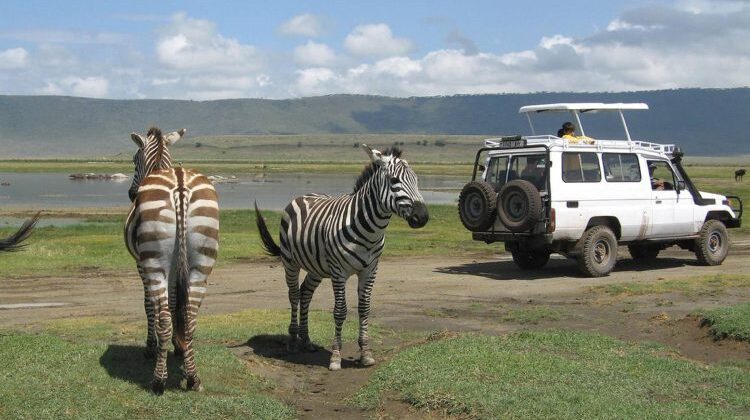
Most visitors descend early in the morning by a steep road, spend several hours driving around the floor in a 4×4, have a picnic lunch at a designated spot, and climb out in the afternoon. Time on the crater floor is limited by the authority, so an early start matters. Mornings are often best for wildlife and clear views.
Best time to visit
The crater is rewarding all year. The dry months, June to October, give the best conditions for driving. The wetter months, roughly March to May, bring greener scenery and fewer visitors, but the weather on the rim can be cool and misty. Check conditions with your guide.
Where to stay
Most visitors stay in lodges on the crater rim, with views over the caldera, or in nearby towns and camps. Rim lodges can be cold at night, so pack warm layers.
How long do you need?
One full day is enough for the crater floor. Many travellers combine it with the Serengeti and Tarangire. See Tanzania safari packages.
Fees and costs
Visiting the crater involves park or conservation area fees and a separate vehicle charge for descending, so it adds to the cost of a trip. Read how a Serengeti safari is priced to see how the pieces fit together. The Ngorongoro Conservation Area Authority publishes the official rules.
Tips for visiting
- Start early and bring layers, because the rim is cool.
- Pack binoculars and a camera with a good zoom.
- Follow your guide’s instructions and keep noise low.
- Be respectful when you meet local Maasai communities.
Combine it with the Serengeti
Our 4-Day Serengeti and Ngorongoro Safari combines both in one trip. Ngorongoro sits on the route to the Serengeti. See the Serengeti migration calendar, and then request a free quote to plan your route.
Frequently asked questions
Can you see the Big Five in Ngorongoro Crater?
Lions, elephants, buffalo and leopards are present, and black rhinos live there too, though leopards and rhinos are harder to see.
How long do you spend in the crater?
A morning and early afternoon, within the time limit set by the authority.
Is it worth it?
Yes. The scenery and the concentration of wildlife make it a highlight of northern Tanzania.