
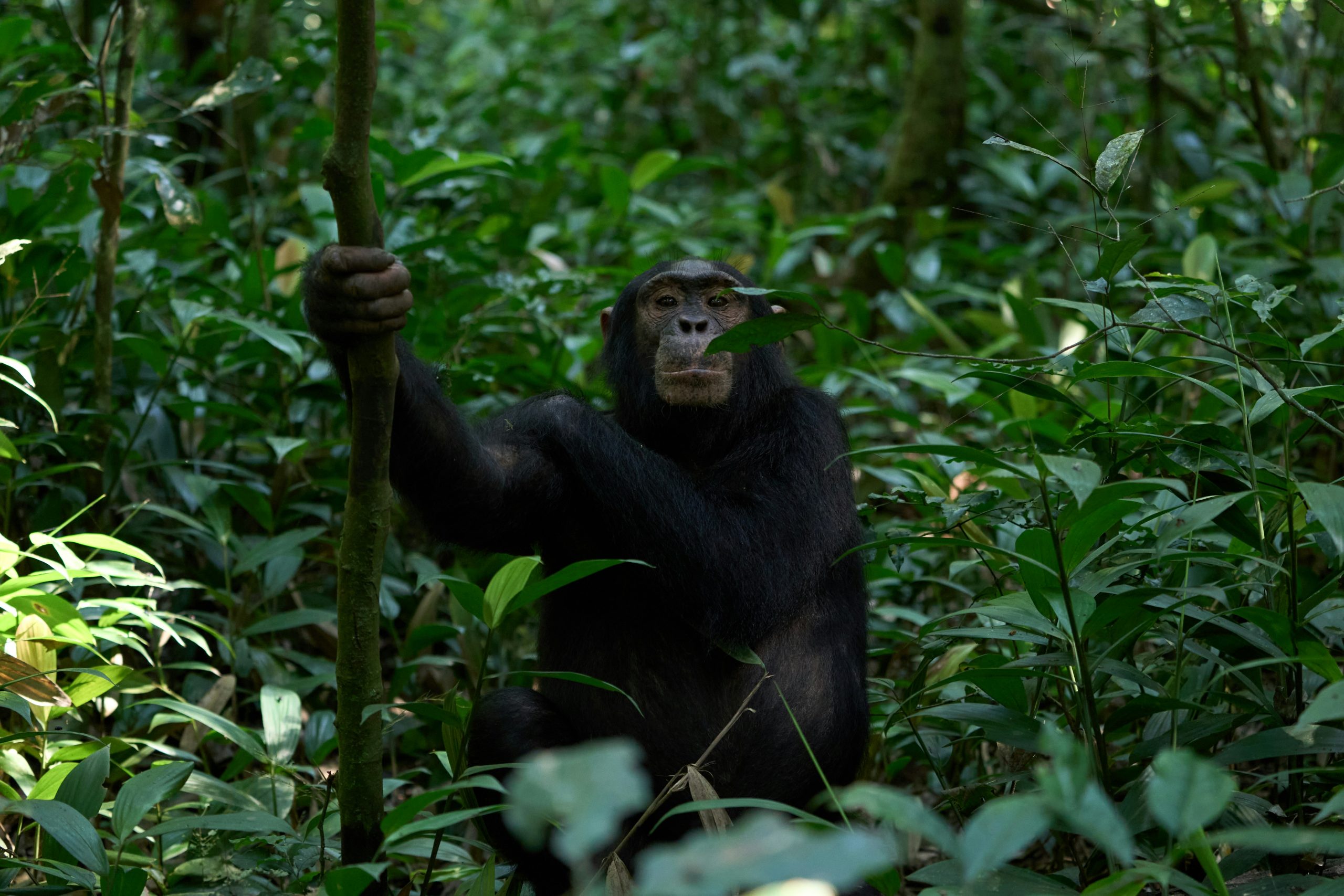
Gombe Stream National Park: Chimpanzee Trekking Where Jane Goodall Began
On the eastern shore of Lake Tanganyika, a narrow strip of steep, forested valleys hides one of the most famous wildlife sites in the world. Gombe Stream National Park is where, in 1960, a young Englishwoman named Jane Goodall began a study of wild chimpanzees that would transform our understanding of our closest living relatives. More than six decades later, research continues at Gombe, and visitors can follow in her footsteps to spend time with the descendants of the chimpanzees she first observed. It is a small, remote and deeply moving place, and a must for anyone fascinated by primates.
This complete guide covers Gombe’s history, chimpanzee trekking, other wildlife and activities, the best time to visit, how to get there and how to combine Gombe with Mahale and Tanzania’s other parks.
Gombe at a Glance
- Location: Kigoma Region, western Tanzania, on the shores of Lake Tanganyika, around 20 kilometres north of Kigoma town.
- Size: Around 35 square kilometres, one of Tanzania’s smallest national parks.
- Known for: Chimpanzees, Jane Goodall’s research, Lake Tanganyika beaches and forest hikes.
- Access: By boat only, from Kigoma.
- Managed by: Tanzania National Parks (TANAPA).
Jane Goodall and Gombe
In July 1960, Jane Goodall arrived at Gombe with the support of the palaeoanthropologist Louis Leakey, who believed that studying chimpanzees could shed light on human evolution. With no formal scientific training at the time, she patiently observed the chimpanzees, gradually earning their trust. Within months, she made a groundbreaking discovery: she watched a chimpanzee she named David Greybeard strip leaves from a twig and use it to fish termites from a mound. This showed that chimpanzees make and use tools, challenging the idea that tool-making was uniquely human.
Over the following decades, Goodall and her colleagues documented chimpanzee hunting, meat-sharing, complex social relationships, emotions, family bonds and even warfare between communities. The Gombe Stream Research Center is one of the longest-running wildlife studies in the world. The Jane Goodall Institute continues to support research, conservation and community programmes around Gombe and beyond. Her work, like that of Dian Fossey with gorillas, inspired generations of conservationists; read our article on Dian Fossey’s legacy.
Chimpanzee Trekking at Gombe
Gombe is home to around 100 chimpanzees, divided into communities. The main habituated community, the Kasekela community, is the one visited by tourists. Treks begin with a briefing at the park headquarters, after which you set off with a guide into the forest. Trackers are usually already following the chimps, so guides can lead you in their direction.
The terrain is steep, with valleys rising sharply from the lake to the ridges of the Rift escarpment, so treks can be physically demanding. Depending on the chimps’ location, a trek may take from under an hour to several hours. Once you find them, you spend up to an hour watching them feed, groom, rest and interact. Because the Gombe chimpanzees have been studied for generations, guides often know individuals by name and can tell you about their family histories.
As at all great ape sites, rules apply: keep a safe distance, wear a mask if required, do not trek if you are unwell and follow your guide’s instructions. Minimum age limits apply, so check when booking.
Other Wildlife at Gombe
Gombe is also home to olive baboons, which have been studied almost as long as the chimpanzees, as well as red colobus, red-tailed monkeys, blue monkeys and vervets. Bushbucks, bushpigs and a variety of birds, including crowned eagles, Peter’s twinspots and many kingfishers along the lakeshore, can also be seen. Lake Tanganyika’s crystal-clear waters are full of colourful cichlid fish.
Other Things to Do
- Kakombe Waterfall: a hike through the forest to a beautiful waterfall.
- Jane’s Peak: a viewpoint where Jane Goodall often sat to watch the chimpanzees, with views over the forest and lake.
- Swimming and snorkelling: in Lake Tanganyika, with advice from your guide.
- Kigoma and Ujiji: visit the town of Ujiji, near Kigoma, where Henry Morton Stanley is said to have met David Livingstone in 1871.
Best Time to Visit Gombe
Chimpanzee trekking is possible all year. The dry season, from around June to October, offers easier hiking conditions. During the wet season, from November to May, trails are muddier, but the forest is lush, and chimpanzees can sometimes be found closer to the lakeshore. See our guide to the best time to visit East Africa.
How to Get There
Most visitors fly to Kigoma from Dar es Salaam or Arusha, then take a boat north along the shore of Lake Tanganyika to the park, a journey of around one to two hours depending on the boat. There are no roads into the park. Kigoma can also be reached overland from Burundi; see our Burundi travel guide. Check your Tanzanian visa requirements with our guide to the Uganda and Tanzania eVisa application.
Where to Stay
Accommodation at Gombe is limited to simple park rest houses and a small tented camp on the lakeshore. Many visitors also stay in Kigoma, which has a range of hotels, and travel to the park by boat for a day or overnight visit.
How Much Does It Cost?
Costs include TANAPA park fees, boat transfers, guides, accommodation and flights to Kigoma. Gombe’s remoteness means transport is a significant part of the budget. See our 5-day Gombe Stream chimpanzee trek safari and our guide to East Africa safari costs.
Gombe vs Mahale
Both parks offer chimpanzee trekking on Lake Tanganyika. Gombe is smaller, easier to reach from Kigoma and steeped in history, while Mahale Mountains is larger, more remote and offers a more luxurious, wilderness experience. Many travellers combine both; see our 6-day Gombe and Mahale chimpanzee safari and our 12-day Mahale and Gombe discovery expedition. For a wider comparison, read our guide to primate safaris in East Africa.
Frequently Asked Questions
Is Gombe worth visiting? Yes, especially for primate lovers and anyone inspired by Jane Goodall’s work.
How difficult is chimp trekking at Gombe? Moderately to very challenging, due to steep slopes. A reasonable level of fitness is needed.
How many days should I spend? Two nights allows for chimp trekking and a waterfall hike.
Can I combine Gombe with a classic safari? Yes. Combine it with Katavi, Ruaha or the northern circuit.
Plan Your Gombe Visit
Gombe Stream National Park offers an intimate encounter with wild chimpanzees in the very forest where Jane Goodall changed science forever. Kuku Safaris can arrange flights, boat transfers, permits and accommodation, and combine Gombe with Mahale, Katavi and the rest of Tanzania. Get in touch to start planning.