
Top 5 Safari Myths Debunked
Top 5 Safari Myths Debunked: What You Need to Know Before You Go
There is something about the word “safari” that makes people believe all sorts of wild things—and I don’t just mean the animals. Ask anyone who has never been to Africa about going on a first-time safari, and you will likely hear a cascade of assumptions: it’s only for millionaires, you will be eaten by a lion, you will be sleeping in a tent without running water.
Here is the hard truth: African safaris attract more misconceptions per square kilometer than almost any other travel experience. These safari myths stop people from booking entirely, convincing them that Africa is beyond their budget, too dangerous, or too physically demanding.
Before you let hearsay talk you out of the adventure of a lifetime, let’s bust the top five safari myths once and for all. Here is everything you need to know before you go.
Myth #1: Safaris Are Only for the Ultra-Wealthy
The Reality: This is the most common myth and the one with the widest gap between perception and reality.
Yes, ultra-luxury safaris exist—private concessions, helicopter transfers, and bespoke camps costing $2,000+ per person per night. However, they are far from the only option. The majority of Africa’s great national parks are served by mid-range lodges, tented camps, and self-drive safari options that bring the experience within reach of budget-conscious travelers.
Here is a realistic breakdown of safari costs:
- Budget Safari: $150–$250 per person/night (camping or basic guesthouses).
- Mid-Range Safari: $250–$600 per person/night (comfortable lodges with en-suite bathrooms).
- Luxury Safari: $600+ per person/night (private guides, fine dining, and pools).
For example, a self-drive safari in South Africa’s Kruger National Park covering five to seven days can cost under $1,500 per person, including flights from Johannesburg, accommodation, park fees, and food. The wildlife? Lions, leopards, elephants, rhinos, and buffalo—entirely comparable to what you would see from a guided Land Cruiser at a private reserve costing ten times as much.
Takeaway: An affordable safari is entirely achievable. It just needs to be planned wisely.
Myth #2: Safaris Are Extremely Dangerous—Animals Attack All the Time
The Reality: While wild animals are powerful and unpredictable, attacks on tourists during organized game drives are exceptionally rare.
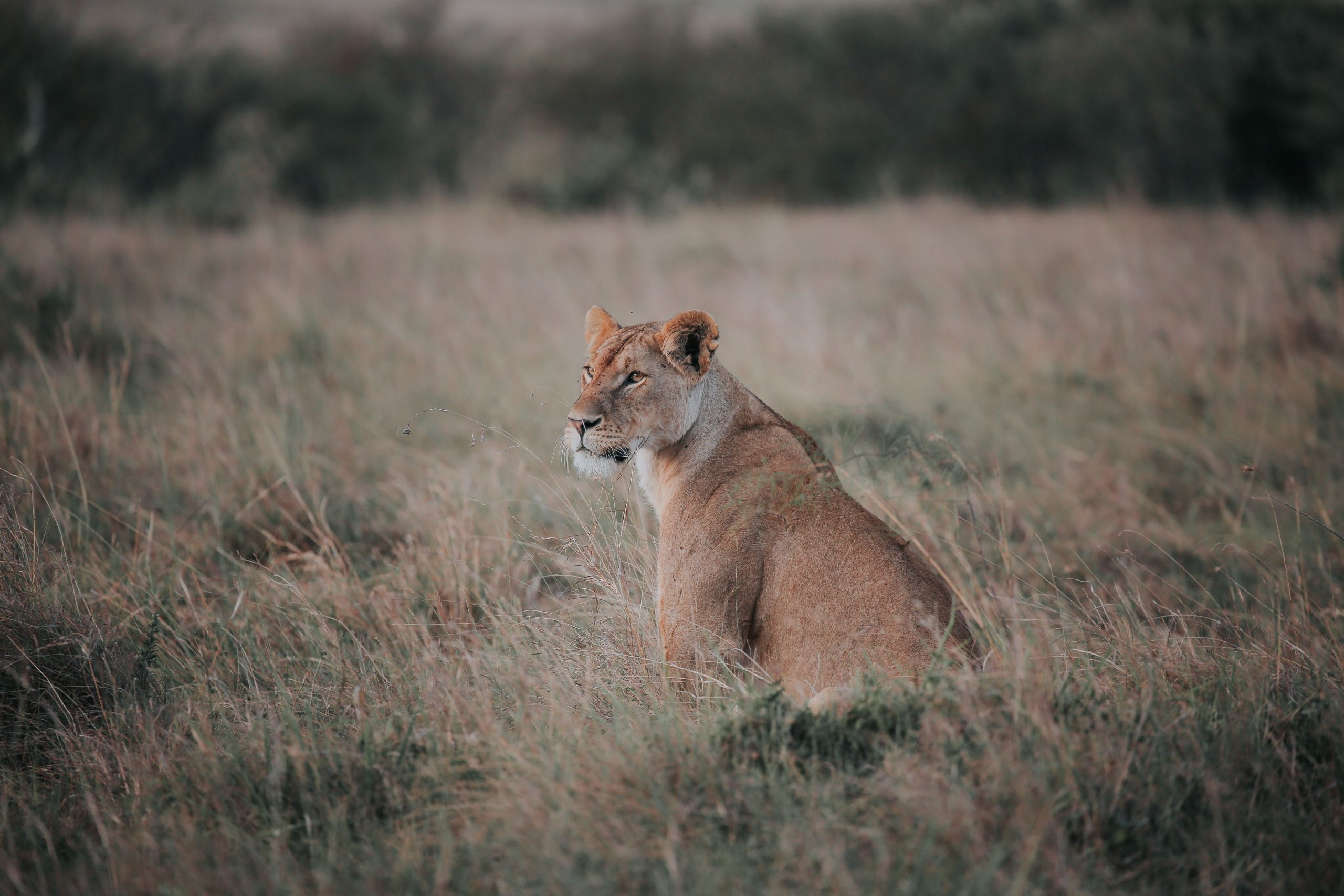
Here is what actually happens on a real safari: professional guides train for years to read animal behavior, maintain safe distances, and keep guests secure. Vehicles are positioned with the precision of a chess match, not a gamble. The truth is, lions, elephants, and leopards are remarkably uninterested in tourists who stay inside the vehicle and follow simple instructions.
Most safari safety incidents occur because individuals get out of their vehicles to harass wildlife or take selfies. Follow the golden rule: listen to your guide, and your safety is practically guaranteed.
As one veteran ranger put it: “The real danger on most safaris isn’t a charging buffalo—it is sunburn from forgetting your hat.”
Takeaway: If you respect the animals and obey your guide, going on safari is safer than driving through most major cities.
Myth #3: You Will Be Roughing It Without Modern Comforts
The Reality: Safari accommodation has evolved dramatically. You are no longer limited to canvas tents with bucket showers (unless you want that experience!).
Today, African safari lodges and camps offer an astonishing range of options:
- Luxury Tented Camps: En-suite bathrooms, hot running water, fine dining, and even infinity pools overlooking watering holes.
- Eco-Lodges: Sustainable, solar-powered properties with king-sized beds and private decks.
- Mid-Range Guesthouses: Comfortable rooms with all modern amenities (Wi-Fi, electricity, and hot water).
- Fly-Camping: For the purists who want to sleep under the stars with basic gear.
Whether you want five-star luxury or a rustic bush camp, there is an option for every comfort level. Many private game reserves offer glamping experiences, allowing you to get close to nature without compromising on a good night’s sleep.
Myth #4: You Can Only Go on Safari During the Dry Season
The Reality: Africa never has an “off-season.” Each month offers a radically different—and equally spectacular—perspective.
Most travelers fixate on the Great Migration between June and October, when over a million wildebeest cross the Serengeti plains. However, you can also witness the migration when the herds return to the southern Serengeti between November and May (calving season).
But there is so much more beyond the migration. Consider these off-peak benefits:
- Green Season (March–May) : Lush landscapes, dramatic thunderstorms, incredible birdwatching, and significantly lower safari rates.
- Shoulder Seasons (November–early December) : Fewer tourists, more baby animals, and excellent predator sightings.
Takeaway: The best time to go on safari depends entirely on what you want to see. If you want cheaper flights and empty game reserves, the rainy season is actually a hidden gem.
Myth #5: Once You Have Seen the Big Five, You Have Seen It All
The Reality: No two game drives are ever the same. Treating a safari like a checklist to tick off the Big Five (lion, leopard, rhino, elephant, and Cape buffalo) misses the entire point of the wilderness.
Each safari brings unexpected and magical encounters—a cheetah sprinting at full speed, a leopard lounging in a sausage tree, or elephants mourning a fallen companion. But a safari experience is about so much more than just mammals.
Beyond the game drive, you can:
- Take a guided bush walk to learn about tracks, insects, and medicinal plants.
- Go on a night safari to spot nocturnal creatures like aardvarks and bushbabies.
- Visit a Maasai village to understand local cultures and conservation efforts.
- Take a hot air balloon over the savannah at sunrise.
- Join anti-poaching rangers to see the real conservation work happening on the ground.
Takeaway: African safaris are captivating, memorable, and deeply meaningful. One thing they are not: predictable.
Conclusion: Don’t Let Myths Ruin Your Dream Trip
The safari myths circulating in travel circles are persistent—but they are simply untrue. They convince people that Africa is beyond their budget, too dangerous, or too physically demanding. Understanding the reality—not the rumors—is the most useful preparation any first-time safari traveler can make.
Better-informed travelers make better decisions, and better decisions produce better safaris. So go ahead, book that trip to Kenya, Tanzania, South Africa, or Botswana. The wildlife is waiting—and the only thing you really need to fear is forgetting your polarized sunglasses.
Frequently Asked Questions (FAQ) About Safari Planning
Q: Is it safe to go on safari in Africa?
A: Yes, it is remarkably safe for tourists who follow the rules. Safari guides are highly trained professionals. The biggest risks are typically sunstroke or dehydration, not wildlife encounters. Always listen to your ranger and stay inside the vehicle during game drives.
Q: How much does an African safari cost on average?
A: A budget safari cost ranges from $150 to $250 per day. Mid-range safaris average $250–$600 per day, while luxury options exceed $600. Prices depend on the country, season, and whether you choose a group tour or private guide.
Q: What is the best month to go on safari?
A: For the Great Migration river crossings, visit between July and September. For calving season and lush green scenery, visit between January and March. For fewer crowds and lower prices, consider the “green season” (April–May).
Q: Do I need vaccinations or malaria pills for a safari?
A: Yes. Most African safari destinations require a Yellow Fever vaccination. Malaria prophylaxis is highly recommended for low-lying areas like the Serengeti and Kruger. Consult a travel doctor at least 6–8 weeks before your departure date.
Q: What should I pack for a safari?
A: Neutral-colored clothing (avoid blue and black, which attract tsetse flies), a wide-brimmed hat, polarized sunglasses, high-SPF sunscreen, a good camera with a telephoto lens, and binoculars. Layers are essential for chilly early-morning game drives.