
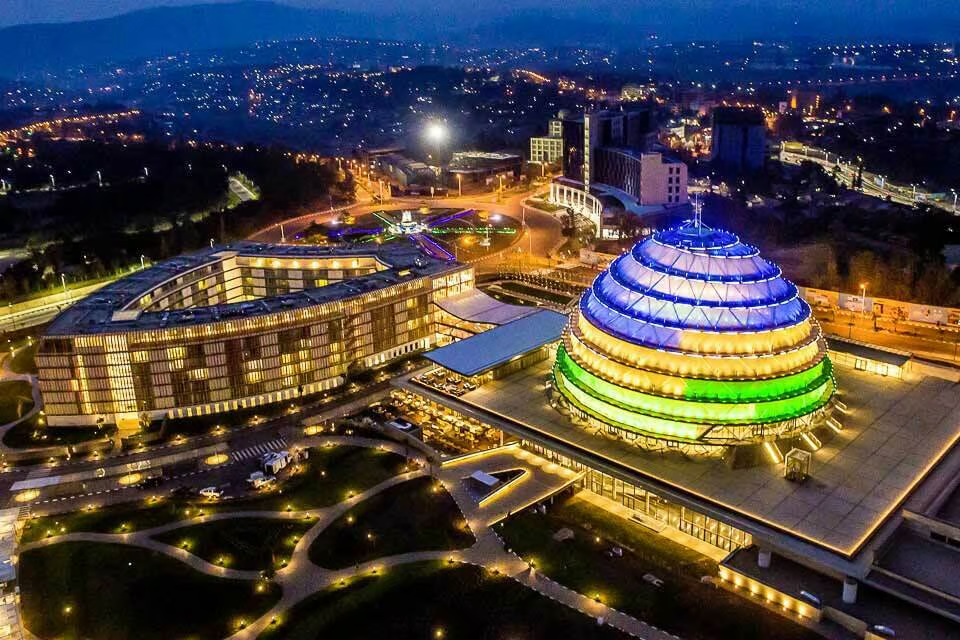
Kigali City Guide for Safari Travelers
Kigali City Guide for Safari Travelers: What to See, Eat & Do in 2026
Key Facts — Kigali City Guide 2026
- Best for: 1–2 night stopover before or after a gorilla trek
- Top attraction: Kigali Genocide Memorial (free entry, 2–3 hours)
- Best market: Kimironko Market (crafts, food, textiles)
- Best neighbourhood: Nyamirambo (old town, food, culture)
- Best coffee: Question Coffee (women-led, seed-to-cup masterclass)
- Airport to city: 15–20 minutes by taxi
- Kigali to Volcanoes NP: 2.5–3 hours by road
- Getting around: Moto-taxi, Yego Moto app, private driver
- Safety: Very safe; standard precautions in markets
- Currency: Rwandan Franc (RWF); cards accepted at hotels
Why Kigali Deserves More Than One Night
Most safari travelers treat Kigali as a transit point. Fly in, spend one night, head straight to the gorillas. Maybe they visit the genocide memorial, maybe they don’t. Then they leave, never really seeing what the city has to offer.
That’s a mistake. Kigali is clean, safe, walkable, and full of cultural depth. Arriving before or after your safari rewards visitors who take time to explore beyond the airport and gorilla permit office.
The city sits across dozens of rolling hills and valleys, with modern cafes, lively markets, and interesting art exhibitions and museums. Plastic bags have been banned since 2008, and the city’s famous cleanliness makes walking genuinely pleasant.
How much time do you need? Most Rwanda safari itineraries include one to two nights in Kigali on arrival or departure. Arrive at least one day early to overcome jet lag before your gorilla trek. A departure day in Kigali allows time for shopping, the genocide memorial, and a final restaurant meal before your flight home.
Top Things to Do in Kigali
Kigali Genocide Memorial
This is the most important thing you’ll do in Rwanda. Not the most pleasant. The most important.
The memorial sits on a hill overlooking the city and documents the 1994 genocide through personal accounts, photographs, and artifacts. The gardens hold the remains of over 250,000 victims. The experience doesn’t end with the genocide — it continues into the rebuilding, the reconciliation, and the country’s determination to become something else.
Key details:
- Entry: Free
- Time needed: 2–3 hours
- Guided tours: Available in multiple languages
- Audio guide: Available and highly recommended
- Advice: Arrive emotionally prepared. This is not optional — you can’t understand this country without knowing what happened here
Kimironko Market
Kimironko is Kigali’s largest and most authentic market. Fresh produce, textiles, crafts, and street food fill the covered stalls from early morning.
What to buy: Rwandan imigongo artwork, agaseke baskets, locally woven fabrics, coffee beans, and spices.
Tips:
- Arrive early for the freshest produce and most active trading atmosphere
- Bargaining is expected and welcomed
- Walk with your phone in your pocket rather than in your hand
Nyamirambo Old Town
Nyamirambo is the oldest neighbourhood in Kigali and the most Muslim part of the city. The streets are narrower, the buildings older and more colourful, with women in headscarves, shops selling spices and fabrics, and small mosques tucked between buildings.
A guided walking tour takes two to three hours and delivers the most authentic everyday Kigali experience away from tourist infrastructure. Hire a guide from a local women’s cooperative — they take you through the markets, tailor shops, and tiny restaurants.
Inema Arts Centre
Inema Arts Centre showcases contemporary Rwandan art and hosts regular cultural events. It’s one of the best places to meet local artists and see the country’s creative scene firsthand.
Mount Kigali
Ascend Mount Kigali for breathtaking city views. It’s one of the highest hills in Kigali and offers a panoramic perspective across the city’s ridges and valleys.
Rwanda Art Museum
The Rwanda Art Museum in the former Presidential Palace in Kanombe is one of East Africa’s finest small museums. Allow time to explore its contemporary art collection and the surrounding grounds.
Caplaki Craft Village
Caplaki craft village near Union Trade Centre collects Rwanda’s best craft sellers in one location — ideal for last-minute souvenirs before your flight.
Where to Eat in Kigali
Kigali has developed a diverse international dining scene over the past decade, with restaurants serving Ethiopian, Italian, Lebanese, and fusion cuisine.
Local Rwandan Cuisine
Traditional Rwandan food centres on beans, plantain, sweet potato, cassava, and grilled meats. Isombe — cassava leaves cooked with eggplant — is a local staple worth trying. Brochettes (grilled meat skewers) are sold at roadside stalls throughout the city.
The everyday meal is the mélange — a help-yourself buffet of rice, plantain, beans, cassava leaves, and grilled meat priced by the plate. Local restaurants near Kimironko offer full traditional meals for under $5.
Brochettes: Kigali’s Social Food
Brochettes are the city’s social food — goat, beef, or fish skewers grilled over charcoal and eaten with grilled plantain and a cold beer. The better brochette spots fill from dusk.
Akabanga, the national hot sauce — a fierce chilli oil sold in tiny dropper bottles — sits on most tables. Use it sparingly the first time.
Meza Malonga
Meza Malonga is widely regarded as the best restaurant in Kigali. Chef Dieuveil Malonga runs East Africa’s most ambitious tasting menu and a culinary lab from a hillside in Kiyovu. It has put Rwanda on the map for serious cooks worldwide.
Best for: A once-in-a-trip dinner. Book well in advance.
Heaven Restaurant
Heaven Restaurant sits on the same Kiyovu hillside with a terrace looking over the valley. It’s a reliable choice for a well-executed meal with a view.
Question Coffee
Rwanda grows high-altitude specialty arabica, and Question Coffee is one of the most popular cafes and coffee experiences in the city. Their entire supply chain is women-owned and operated, from farms and processing facilities to cafes.
They offer a two-hour masterclass that guides guests from seed to cup. This is a genuine reason to plan a stop — a morning cup here is part of the trip, not an afterthought.
1000 Hills Distillery
1000 Hills is a must-visit for spirit lovers. It’s a local distillery producing gin, rum, and other spirits using Rwandan botanicals.
Fast Food and Casual Options
If you need something quick, Kigali has a growing fast-food scene. Burger Bros, Mr. Chips (American-style burgers and chicken strips), and Meze Fresh (build-your-own Mexican burritos) are all reliable options.
Where to Stay in Kigali
Luxury Hotels
| Hotel | Style | Best For |
|---|---|---|
| Kigali Marriott Hotel | 5-star, Italian dining at Cucina | Central location, business travellers |
| Kigali Serena Hotel | 5-star, Pan-African heritage design, Maisha Spa | Spa lovers, classic luxury |
| Radisson Blu Hotel & Convention Centre | 5-star, diverse dining, Izuba Wellness Spa | Convention attendees, modern comfort |
| Hemingways Retreat Kigali | 5-star, luxury pool villas | Extended stays, privacy |
| The Hut Restaurant & Boutique Hotel | 4-star boutique | Boutique travellers |
Mid-Range Hotels
| Hotel | Style | Best For |
|---|---|---|
| Five To Five Hotel | Mid-range, highly recommended | Value seekers |
| Madras Hotel and Apartments | Apartments | Longer stays, families |
| Urban Park Suites | Suites | Business travellers |
Budget Options
| Hotel | Style | Best For |
|---|---|---|
| Quiet Haven Hotel | Budget, well-reviewed | Solo travellers |
| Pagershome Suites | Rustic suites | Backpackers |
Tip: Choose a hotel in Kiyovu, Nyarutarama, or Kacyiru for easy access to restaurants, embassies, and the convention centre.
Getting Around Kigali
Moto-Taxi (Boda-Boda)
A moto-taxi is the fastest way to move between Kigali’s hills. Agree on the price before boarding, and always wear the helmet provided — it is legally required for passengers.
App-Based Transport
Yego Moto and SafeMotos are available and recommended for first-time visitors unfamiliar with neighbourhoods. Both apps work like Uber for moto-taxis.
Private Driver
For a full day of sightseeing, hiring a private driver is the most comfortable option. Most hotels can arrange this, and rates are reasonable.
Walking
Kigali’s famous cleanliness and safety make walking genuinely pleasant in many areas. The city sits across multiple steep hills connected by bridges and footpaths. Walking is best in Kiyovu, Nyarutarama, and the city centre.
Getting from Kigali to Volcanoes National Park
By Private Safari Vehicle
Most gorilla trekking visitors travel from Kigali in a private 4×4 safari vehicle organized through their tour operator.
| Distance | ~120 km |
| Duration | 2 hours 20 minutes to 2 hours 45 minutes |
| Route | National Road 3 north through Rulindo and Gakenke districts |
| Cost | $100–$150 one way (driver, fuel, tolls included) |
Morning departure is essential — the park briefing begins at 7:00 AM sharp, which means leaving Kigali hotels by 4:30–5:00 AM.
By Public Bus
Public buses run regularly from Kigali’s Nyabugogo bus terminal to Musanze town. The journey takes 2–3 hours and costs approximately 1,500–2,000 Rwandan francs (around $1.50 USD) per person. From Musanze, you’ll need a taxi or moto-taxi to reach Kinigi.
By Helicopter
Chartered helicopter transfers from Kigali International Airport to the Musanze airstrip take approximately 30 minutes. This is the most expensive but fastest option.
By Self-Drive
Rwanda has earned a reputation as one of the safest and most organized countries in Africa for independent travel, making a self-drive safari an increasingly popular choice. The roads connecting Kigali to the northern province are well maintained and clearly signposted.
Car rental starts from approximately $40 per day.
Practical Tips for Safari Travelers
Visa Requirements
Rwanda grants visas upon arrival to citizens of every country in the world. No traveller is required to apply for a visa before arriving in Rwanda, regardless of nationality.
- African Union, Commonwealth, and La Francophonie member states: Free 30-day visitor visa on arrival
- East African Community member states: Free six-month entry pass
- Select countries (Benin, Angola, Ghana, Senegal, Seychelles, Sierra Leone, Singapore, Qatar): 90-day visa free of charge
- All other nationalities: Visa-on-arrival available with a fee
What to carry: Valid passport (6+ months validity), return or onward ticket, proof of accommodation, and a Yellow Fever vaccination certificate if arriving from an endemic country.
Currency and Money
The Rwandan Franc (RWF) is the local currency. Exchange USD, EUR, or GBP at Kigali International Airport or city exchange bureaux. ATMs are widely available in Kigali. Card payment is accepted at most hotels and larger restaurants. Carry RWF cash for community markets and rural areas.
Safety in Kigali
Kigali is a safe city by African standards. Violent crime against tourists is extremely rare. Petty theft — bag snatching and pickpocketing — exists in busy market areas like Kimironko, but at rates significantly lower than most other East African capitals.
Standard precautions:
- Walk with your phone in your pocket rather than in your hand in market areas
- Use hotel safes for passports and excess cash
- Avoid displaying expensive jewellery in public
Health
Malaria exists in Rwanda at altitudes below 2,500 metres. Kigali sits at 1,567 metres and carries moderate malaria risk. Take prescribed antimalarial medication and use DEET repellent from dusk.
Recommended vaccinations: Hepatitis A, Typhoid, Tetanus, and Rabies for rural area travel. Visit a travel health clinic at least six weeks before departure.
Airport Transfers
Kigali International Airport is about 10 km from the city centre.
- Taxi: 15–20 minutes to most city hotels
- Private transfer: Bookable through hotels or tour operators; driver meets you with a sign
- Shuttle service: A pilot shuttle service now operates between the airport and selected city points, including Chez Lando, Gishushu, KABC, Park Inn, and Serena Hotel
Kigali Itinerary: 1 Day and 2 Days
One Day in Kigali
| Time | Activity |
|---|---|
| Morning | Kigali Genocide Memorial (2–3 hours) |
| Lunch | Mélange buffet or brochettes at a local restaurant |
| Afternoon | Kimironko Market for crafts and coffee |
| Late afternoon | Mount Kigali viewpoint |
| Evening | Dinner at Heaven Restaurant or Meza Malonga |
Two Days in Kigali
| Day | Morning | Afternoon | Evening |
|---|---|---|---|
| Day 1 | Kigali Genocide Memorial | Kimironko Market | Dinner at Heaven Restaurant |
| Day 2 | Question Coffee masterclass | Nyamirambo walking tour | Brochettes in Nyamirambo |
If you have a third day: Add a day trip to Akagera National Park for a Big Five safari — it’s just 2.5 hours east of Kigali, and most visitors never realise Rwanda has it.
Frequently Asked Questions
How many nights should I spend in Kigali?
One to two nights is ideal. Arrive at least one day before your gorilla trek to overcome jet lag. A departure day in Kigali allows time for shopping, the memorial, and a final meal.
Is Kigali safe for tourists?
Yes. Kigali is consistently rated among Africa’s safest travel destinations. Violent crime against tourists is extremely rare. Petty theft exists in busy markets, but standard precautions are all the protection most visitors need.
What is the best thing to do in Kigali?
The Kigali Genocide Memorial is the most important site in the city. It’s essential for understanding Rwanda’s past and present. Beyond that, Kimironko Market, Nyamirambo, and the Question Coffee masterclass are highlights.
How do I get from Kigali to Volcanoes National Park?
Private 4×4 transfer (2.5–3 hours, $100–$150), public bus to Musanze (2–3 hours, ~$1.50), helicopter (30 minutes), or self-drive (2–3 hours).
Do I need a visa for Rwanda?
Rwanda grants visa-on-arrival to citizens of every country. No advance application is required. Carry a valid passport, return ticket, and proof of accommodation.
What currency should I bring?
Rwandan Francs (RWF) are best for markets and rural areas. USD, EUR, and GBP can be exchanged at the airport or city bureaux. Cards are accepted at hotels and larger restaurants.
What should I eat in Kigali?
Try brochettes (grilled meat skewers), isombe (cassava leaves with eggplant), the mélange buffet, and Rwandan specialty coffee. For fine dining, book Meza Malonga.
Can I do a day trip to Akagera from Kigali?
Yes. Akagera National Park is 2.5 hours east of Kigali and offers Big Five safaris. It’s a full-day trip but entirely doable as a Kigali add-on.
Final Tips for Your Kigali Stopover
Don’t rush it. Kigali is not just a place to sleep before your safari. It’s a city with stories to tell — about resilience, rebuilding, and a country that decided to become something completely different.
Visit the memorial. It’s not optional. It’s essential. You can’t appreciate how remarkable Rwanda is now without knowing what it came from.
Walk the hills. Kigali’s cleanliness and safety make walking genuinely pleasant. Nyamirambo delivers the most authentic everyday experience.
Drink the coffee. Rwanda grows some of the best beans in East Africa. A masterclass at Question Coffee is a morning well spent.
Leave time for a final meal. Whether it’s brochettes in Nyamirambo or a tasting menu at Meza Malonga, end your trip with a proper Kigali dinner.
Ready to Plan Your Rwanda Safari?
Contact Kuku Safaris for full itinerary planning, Kigali hotel bookings, and gorilla permit securing. We respond within 24 hours.