
Rwanda vs Uganda: Which Is Better for Gorilla Trekking?
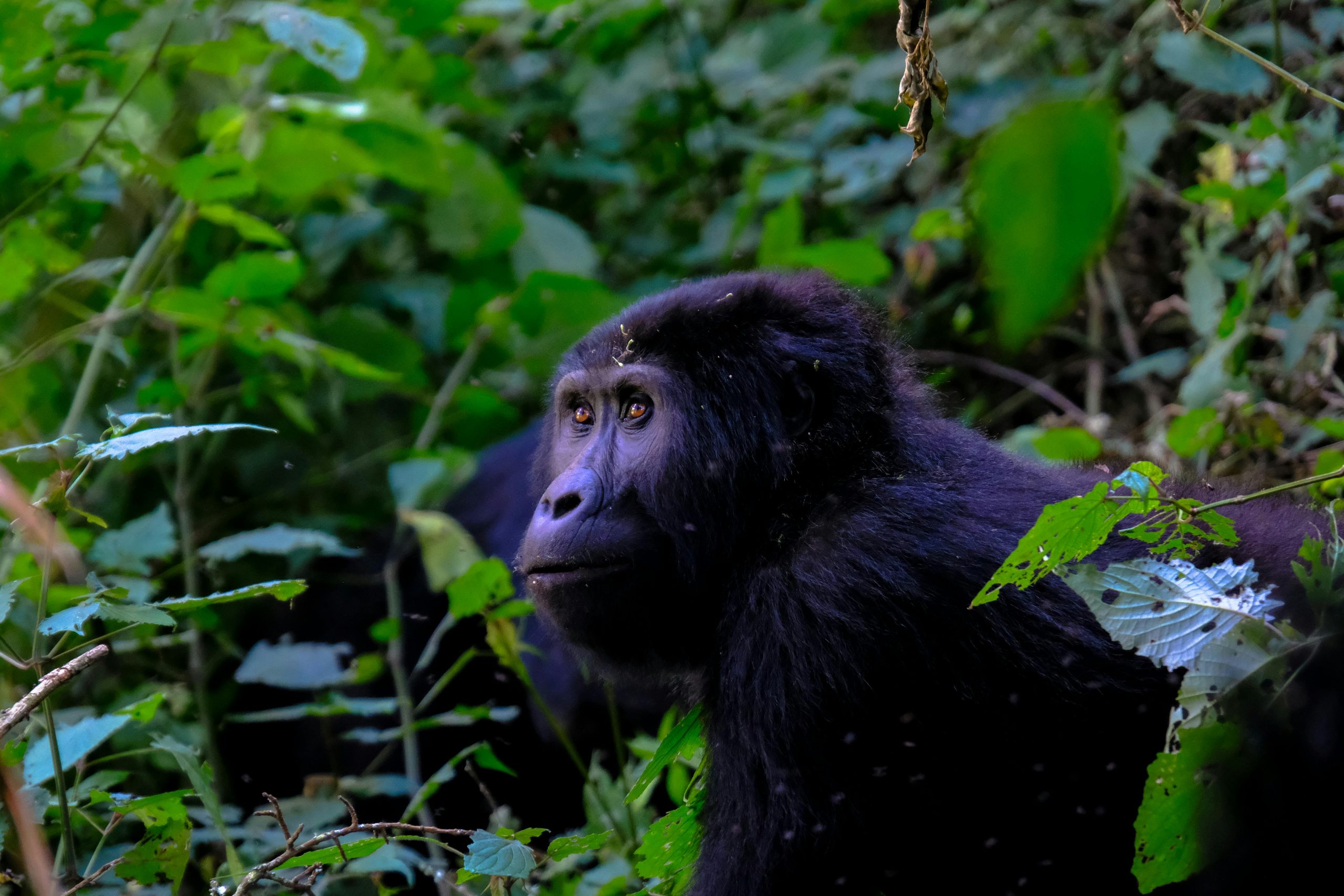
You’ve decided to see mountain gorillas in the wild. Now comes the hard part: Rwanda or Uganda? Both countries protect the same endangered population, both offer near-certain sightings, and both will give you one unforgettable hour with a habituated gorilla family. The gorillas themselves don’t care which passport you carry or which permit you bought.
But the experience around that hour—the cost, the drive, the terrain, what else you can do—differs sharply. This guide breaks down every factor that matters so you can choose with confidence.
The 30-Second Verdict
Choose Rwanda if your time is limited, you want the shortest airport-to-gorillas transfer, and you prefer a polished, luxury-forward experience. Volcanoes National Park sits just 2–3 hours from Kigali International Airport, making a two-night gorilla trip genuinely feasible.
Choose Uganda if value matters, you want more gorilla families to choose from, and you’re happy to build a longer safari around the trek. Bwindi’s permit is $800 versus Rwanda’s $1,500, and Uganda shelters roughly half the world’s remaining mountain gorillas.
The hour with the gorillas is nearly identical. Everything else is where they part ways.
Permit Costs: The $700 Question
The single biggest difference between the two destinations is the permit price.
| Rwanda | Uganda | |
|---|---|---|
| Standard permit | $1,500 | $800 |
| Low-season discount | $1,050 (Nov–May, with an Akagera/Nyungwe stay) | $600 (April, May & November) |
| Set by | Rwanda Development Board | Uganda Wildlife Authority |
That’s a $700 saving per person in Uganda—$1,400 for a couple, enough to fund several extra days of safari elsewhere in East Africa. For solo travellers on very short trips, Rwanda can occasionally work out cheaper when you factor in total logistics costs, since you avoid the long overland transfer to Bwindi.
Rwanda also offers promotional rates for East African citizens ($200) and other African visitors ($500), extended through the end of 2026. Standard foreign non-resident rates remain $1,500.
Bottom line: Uganda wins decisively on permit cost for international visitors.
Accessibility: Convenience vs Adventure
This is where Rwanda’s advantage is most obvious.
Rwanda: Volcanoes National Park is a 2–3 hour drive from Kigali International Airport—the shortest airport-to-gorillas hop anywhere on the continent. Roads are excellent, and several lodges sit close enough to the park gate that you can have a leisurely breakfast and still make the morning briefing.
Uganda: Bwindi is an 8–11 hour drive from Entebbe, or roughly a 1.5-hour light aircraft flight plus a short transfer. The drive is long but scenic, and many travellers break it up with stops at Lake Mburo or Queen Elizabeth National Park. If you’re flying in, the short flight is comfortable and efficient.
Bottom line: Rwanda wins on convenience. Uganda requires more travel time but rewards you with a richer overland experience if you have the days to spare.
Trekking Difficulty: Bamboo Slopes vs Impenetrable Jungle
One of the most common mistakes is assuming Rwanda is automatically easier and Uganda automatically harder. The truth is more nuanced—but there are real patterns.
Rwanda’s Volcanoes National Park climbs the slopes of the Virunga volcanoes through bamboo forest, Hagenia woodland, and open meadows. The main challenge is altitude rather than terrain. Treks typically last 1 to 4 hours, and the more open landscape makes for easier walking and clearer photography. Fitness level needed: low to moderate.
Uganda’s Bwindi Impenetrable Forest is exactly what its name promises: dense, ancient rainforest with tangled undergrowth, steep ridges, and narrow, muddy trails. Treks can run 2 to 8 hours depending on where the gorillas moved overnight. The terrain involves steep hillsides, muddy trails, and thick undergrowth that sometimes requires machete-clearing. Fitness level needed: moderate to high.
That said, Bwindi has four trekking sectors (Buhoma, Ruhija, Rushaga, and Nkuringo), and difficulty varies considerably between them. Some sectors are gentler than others, and you’re assigned a gorilla family at the morning briefing based partly on your fitness level.
Bottom line: Rwanda is generally the more manageable trek, especially for older travellers or those with limited mobility. Uganda offers a wilder, more physically demanding adventure—which some travellers specifically want.
Gorilla Families and Sighting Success
Both destinations deliver roughly 98% sighting success with experienced trackers. The difference is in volume and variety.
| Rwanda | Uganda | |
|---|---|---|
| Habituated families | ~12 | 19+ (16 in Bwindi, 1+ in Mgahinga) |
| Daily permits | 96 | ~128 |
| Time with gorillas | 1 hour | 1 hour (or 4 hours with habituation permit) |
| Habituation experience | Not available | Yes ($1,500, 4 hours) |
Uganda’s Rushaga sector offers something Rwanda cannot match: a Gorilla Habituation Experience for $1,500, giving up to four hours with a family still being habituated, alongside researchers and trackers. For serious primate enthusiasts, this is a compelling reason to choose Uganda.
Bottom line: Uganda offers more choice and the unique habituation experience. Rwanda’s lower permit volume creates a slightly more exclusive feel.
Accommodation: Luxury Polish vs Range and Value
Rwanda skews four-star and five-star. The lodges around Volcanoes National Park are among the finest in Africa, with world-class service and dramatic volcano views. Expect to pay $400–$1,500+ per night for luxury options. If you want the whole trip to feel effortless and pampered, Rwanda delivers.
Uganda offers a much wider range, from budget guesthouses to ultra-luxury lodges, with a strong mid-range focus. Luxury options run $250–$800 per night, and mid-range properties deliver comparable quality to Rwanda’s mid-range at significantly lower prices. You can build a Uganda safari at almost any budget.
Bottom line: Rwanda wins on polish and ultra-luxury. Uganda wins on range and value.
What Else Can You Do?
The gorillas are the headline, but the supporting cast matters for longer trips.
Uganda is the stronger choice for a broader safari. You can combine gorilla trekking with chimpanzee tracking in Kibale Forest, tree-climbing lions in Queen Elizabeth National Park, a Nile boat cruise in Murchison Falls, and rhino tracking at Ziwa Rhino Sanctuary. Uganda’s savannah parks offer classic Big Five game viewing.
Rwanda offers good but more limited add-ons. Akagera National Park has lion, elephant, and boat safaris on the rebound after reintroduction programmes, though at a smaller scale than Uganda’s parks. Nyungwe Forest offers chimpanzee tracking and canopy walks. Lake Kivu provides relaxation and water activities.
Bottom line: Uganda wins for longer, more varied safaris. Rwanda works well for short trips focused on gorillas with a taste of Akagera or Nyungwe.
Best Time to Go
Both countries share the same seasonal patterns, and gorilla trekking is possible year-round.
Dry seasons (best conditions):
- June to September (long dry season)
- December to February (short dry season)
Trails are drier and firmer, trekking is easier, and visibility is better for photography. These months align with peak demand, so permits sell out 6–12 months in advance and accommodation rates are higher.
Wet seasons (better value):
- March to May (long rains)
- October to November (short rains)
Expect lush green landscapes, more birdlife, lower lodge prices, and easier permit availability—but muddy, challenging trails.
Money-saving tip: Uganda’s low-season permit discount ($600) applies in April, May, and November. Rwanda’s low-season rate ($1,050) requires an Akagera or Nyungwe stay.
Quick Comparison Table
| Factor | Uganda | Rwanda |
|---|---|---|
| Main park | Bwindi Impenetrable Forest & Mgahinga | Volcanoes National Park |
| Permit (foreign non-resident) | $800 ($600 low season) | $1,500 ($1,050 with conditions) |
| Airport to trailhead | 8–11 hrs by road from Entebbe, or ~1.5 hr flight | 2–3 hrs from Kigali |
| Gorilla families | 19+ | ~12 |
| Trek duration | 2–8 hours | 1–4 hours |
| Terrain | Dense rainforest, steep, muddy | Bamboo forest, volcanic slopes, more open |
| Accommodation | Budget to ultra-luxury | Skews four- and five-star |
| Habituation experience | Yes ($1,500, 4 hours) | Not available |
| Other activities | Excellent (chimps, Big Five, Nile) | Good (Akagera, Nyungwe, Lake Kivu) |
| Best for | Value, longer safaris, adventure | Luxury, short trips, convenience |
Frequently Asked Questions
Is Rwanda or Uganda better for first-time gorilla trekkers? Rwanda is often easier for first-timers due to shorter treks, proximity to Kigali, and a more polished experience. Uganda suits those who want a wilder adventure and don’t mind a longer journey.
Can I do both countries in one trip? Yes. A popular route combines gorilla trekking in Uganda with a Kigali stopover, or does gorillas in Rwanda and chimpanzees in Uganda. Some operators run combined itineraries.
How far in advance should I book permits? For peak season (June–September and December–February), book 6–12 months ahead. Low-season permits are easier to secure, sometimes just a few weeks out.
Do I need a visa? Most nationalities require visas for both Rwanda and Uganda. Rwanda offers visa-on-arrival for many nationalities; Uganda requires an e-visa applied for online in advance. Check current requirements before travel.
What is the minimum age? Both countries require trekkers to be at least 15 years old.
Final Thoughts: There’s No Wrong Answer
Rwanda and Uganda are not a comparison between a good option and a better one. They are two excellent ways to experience one of the most profound wildlife encounters on Earth.
If your priority is convenience, luxury, and a short trip, Rwanda is hard to beat. The 2.5-hour transfer from Kigali makes gorilla trekking accessible even on a tight schedule, and the lodges are world-class.
If your priority is value, adventure, and a longer safari, Uganda delivers more for less. The $700 permit saving funds extra days, Bwindi’s rainforest is wilder and more immersive, and the country offers a richer suite of wildlife experiences beyond the gorillas.
Either way, you’ll spend one hour with a mountain gorilla family that you will never forget. The gorillas don’t care which country you chose. You won’t either.