Gorilla Trekking in Uganda
Gorilla Trekking in Uganda: Costs, Permits and the Best Time to Visit Bwindi
Imagine walking through a beautiful African rainforest and suddenly coming face-to-face with a giant mountain gorilla. For many wildlife lovers, this is a once-in-a-lifetime experience. Uganda offers one of the best opportunities in the world to enjoy this incredible adventure.
Known as the Pearl of Africa, Uganda is home to endangered mountain gorillas, breathtaking landscapes and some of Africa’s most remarkable wildlife destinations.
Gorilla trekking in Uganda is one of the country’s leading tourism experiences, attracting visitors from Europe, America, Asia and other parts of the world.
The adventure takes place in two protected areas: Bwindi Impenetrable National Park and Mgahinga Gorilla National Park. Both offer visitors an opportunity to observe mountain gorillas in their natural habitat.
Whether you are planning your first African safari or looking for an unforgettable wildlife experience, this guide covers everything you need to know about gorilla trekking in Uganda, including permit costs, the best time to visit, booking procedures, accommodation and essential travel tips.
1. Where Can You See Mountain Gorillas in Uganda?
Uganda has two national parks where visitors can participate in mountain gorilla trekking: Bwindi Impenetrable National Park and Mgahinga Gorilla National Park.
Bwindi Impenetrable National Park
Bwindi Impenetrable National Park is Uganda’s most popular gorilla trekking destination. Located in southwestern Uganda, this UNESCO World Heritage Site is famous for its ancient rainforest and remarkable biodiversity.
The park is home to roughly half of the world’s mountain gorilla population, making it an important destination for wildlife conservation and tourism.
Bwindi has four main gorilla trekking sectors:
Buhoma: Located in the northern part of Bwindi, Buhoma is a popular trekking sector with beautiful forest scenery and several accommodation options.
Ruhija: Situated in eastern Bwindi, Ruhija is known for its high-altitude forest, rich birdlife and beautiful landscapes.
Rushaga: Found in southern Bwindi, Rushaga is known for having several habituated gorilla families and offering different trekking experiences.
Nkuringo: Located in southwestern Bwindi, Nkuringo offers spectacular mountain views and challenging hiking terrain.
Each sector offers a unique gorilla trekking experience. Visitors should choose accommodation close to the sector indicated on their gorilla trekking permit.
Mgahinga Gorilla National Park
Mgahinga Gorilla National Park is another excellent destination for gorilla trekking in Uganda.
Located in the Virunga Mountains in southwestern Uganda, the park features volcanic mountains, bamboo forests and breathtaking scenery.
Mgahinga is home to the Nyakagezi gorilla family, offering visitors another opportunity to encounter mountain gorillas in their natural environment.
The park also offers golden monkey tracking, volcano hiking and cultural experiences.
2. How Much Does Gorilla Trekking in Uganda Cost?
One of the most frequently asked questions by travellers is: How much does a gorilla trekking permit cost in Uganda?
The main expense is the gorilla trekking permit issued by the Uganda Wildlife Authority (UWA).
The published standard permit rates are:
| Visitor category | Permit price |
|---|---|
| Foreign non-residents | US$800 |
| Foreign residents | US$700 |
| Rest of Africa visitors | US$500 |
| East African citizens | UGX 300,000 |
These are published standard rates and should be confirmed with the Uganda Wildlife Authority before booking.
What Is Included in a Gorilla Trekking Permit?
A standard gorilla trekking permit generally covers:
- Access to one gorilla trekking experience.
- Services of trained park guides and rangers.
- Park entrance fees for the trekking day.
- A contribution towards conservation and community development.
The permit does not cover accommodation, transport, meals, international flights, travel insurance or personal expenses.
Additional Costs to Consider
Apart from the gorilla trekking permit, travellers should budget for other expenses, including:
- Accommodation near Bwindi or Mgahinga.
- Transport from Kampala or Entebbe to the national park.
- Meals and refreshments.
- Porter services during trekking.
- Tips for guides and support staff.
- Additional safari activities.
Your total gorilla trekking safari cost will depend on your accommodation preference, travel arrangements, number of days and other activities included in your itinerary.
Travel tip: Always confirm the latest permit rates and booking conditions directly with the Uganda Wildlife Authority or an authorised tour operator before making payments.
3. What Is the Best Time to Visit Uganda for Gorilla Trekking?
Gorilla trekking in Uganda is available throughout the year. However, weather conditions can influence the difficulty of hiking through the rainforest.
Uganda experiences two main dry seasons and two rainy seasons.
June to September: The Long Dry Season
This is one of the most popular periods for gorilla trekking in Uganda.
During these months, rainfall is generally lower, and forest trails are often easier to navigate.
Visitors can enjoy:
- Relatively drier hiking trails.
- Comfortable trekking conditions.
- Beautiful forest scenery.
- Excellent opportunities for wildlife photography.
Because this is a popular travel season, it is advisable to book gorilla permits and accommodation well in advance.
December to February: The Short Dry Season
December, January and February are also favourable months for gorilla trekking.
The relatively drier weather makes forest hiking more manageable, although rain can still occur at any time.
This period is suitable for travellers who want to combine gorilla trekking with other safari experiences in Uganda.
March to May: The Long Rainy Season
The long rainy season usually brings heavier rainfall, particularly in April.
Trekking trails may become muddy and slippery, making hiking more challenging.
However, visiting during this period has some advantages:
- Fewer visitors in some trekking areas.
- Lush green rainforest scenery.
- Opportunities for quieter wildlife experiences.
- Potential accommodation savings.
Travellers should carry waterproof clothing and suitable hiking boots.
October to November: The Short Rainy Season
October and November generally experience increased rainfall.
Although trekking remains available, visitors should prepare for wet and muddy conditions.
These months can appeal to travellers seeking a quieter safari experience.
So, when should you visit?
If you prefer relatively easier hiking conditions, consider travelling between June and September or December and February. If you are comfortable trekking in rainy conditions, the other months can also provide rewarding experiences.
4. How to Book a Gorilla Trekking Permit in Uganda
Booking your gorilla trekking permit is one of the most important steps when planning your safari.
Permits are limited to help protect mountain gorillas and minimise disturbance to their natural habitat.
Here is how to arrange your booking.
Step 1: Choose Your Travel Dates
Decide when you would like to visit Uganda and how many people will participate in the trek.
It is advisable to have alternative travel dates in case your preferred date is unavailable.
Step 2: Choose Your Gorilla Trekking Destination
Select between Bwindi Impenetrable National Park and Mgahinga Gorilla National Park.
If you choose Bwindi, you should also identify your preferred trekking sector: Buhoma, Ruhija, Rushaga or Nkuringo.
Step 3: Check Gorilla Permit Availability
Contact the Uganda Wildlife Authority or a licensed Ugandan tour operator to check permit availability.
Provide your preferred travel dates, visitor category and trekking location.
Step 4: Confirm Your Booking and Make Payment
Follow the official payment instructions and ensure you receive proper booking confirmation.
Avoid sending money to unverified individuals or unofficial booking platforms.
Step 5: Arrange Accommodation and Transport
After securing your permit, book accommodation near your assigned trekking sector.
You should also organise transport from Entebbe, Kampala or another destination to the national park.
Travellers visiting from abroad can consider booking a complete safari package that includes permits, accommodation, transport and meals.
5. What to Expect During a Gorilla Trekking Experience
Gorilla trekking is an exciting adventure that takes visitors deep into Uganda’s tropical rainforests.
The experience usually begins early in the morning with a briefing by experienced park rangers.
During the briefing, visitors learn about gorilla behaviour, conservation and important trekking regulations.
After the briefing, visitors are assigned to trekking groups and guided into the forest.
The trek can take approximately two to seven hours, depending on the location of the gorilla family, terrain and weather conditions.
Once the gorillas are located, visitors are allowed to spend a maximum of one hour observing them.
This is usually the highlight of the entire adventure.
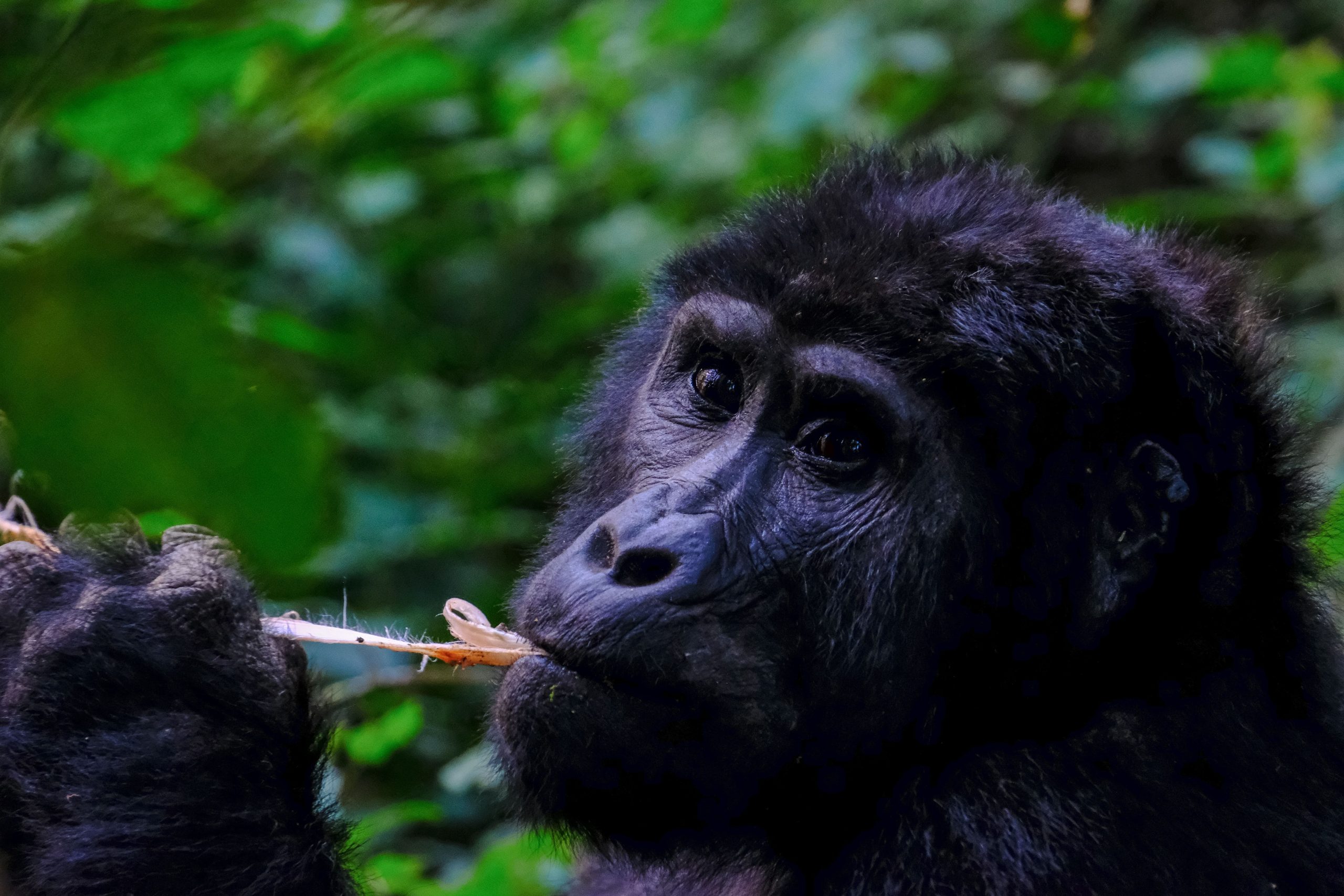
You may see mountain gorillas feeding, grooming, playing with their young or resting in the forest.
Watching a silverback gorilla protect its family or seeing young gorillas play among the trees is an unforgettable wildlife experience.
The encounter also gives visitors a deeper appreciation of the importance of wildlife conservation.
6. What Should You Pack for Gorilla Trekking in Uganda?
Proper preparation is essential when visiting Bwindi or Mgahinga.
The rainforest environment can be wet, muddy and challenging, so comfortable clothing and appropriate equipment will make your experience more enjoyable.
Here are some essential items to pack:
- Hiking boots: Choose sturdy waterproof boots with good ankle support.
- Rain jacket: Rain can occur even during the dry season.
- Long-sleeved shirts: These help protect your arms from vegetation and insects.
- Long hiking trousers: Comfortable trousers are ideal for walking through thick forest.
- Gardening gloves: Useful when holding vegetation for support.
- Insect repellent: Helps protect against insect bites.
- Drinking water: Carry enough water to stay hydrated.
- Energy snacks: Pack light snacks for the trek, following park rules.
- Camera: Bring a camera with extra batteries to capture your experience.
- Waterproof backpack: Protect your personal belongings from rain.
- Walking stick: This can help with balance on steep or slippery trails.
You may also hire a porter to carry your backpack and assist you during difficult sections of the trek.
Hiring a porter provides additional support to local community members and contributes to the livelihoods of people living around the national parks.
7. Gorilla Trekking Rules Every Visitor Should Know
Mountain gorillas are endangered animals, and protecting them is an important responsibility for everyone visiting their natural habitat.
Visitors must follow the rules established by park authorities to ensure the safety of both people and gorillas.
Important gorilla trekking regulations include:
- The minimum age for gorilla trekking is 15 years.
- A maximum of eight visitors are permitted to visit a habituated gorilla family per day.
- Visitors must maintain the minimum distance instructed by park rangers, currently 10 metres under Uganda Wildlife Authority guidance.
- Flash photography is prohibited.
- Visitors with infectious illnesses should not participate in gorilla trekking.
- Eating, drinking and smoking near gorillas are prohibited.
- Avoid making loud noises or sudden movements.
- Never touch or attempt to feed the gorillas.
- Always follow instructions from guides and park rangers.
Following these regulations helps protect mountain gorillas from human disturbance and reduces the risk of disease transmission.
Responsible tourism plays an important role in ensuring that future generations can continue enjoying this remarkable wildlife experience.
8. Other Tourist Attractions to Visit Near Bwindi
A gorilla trekking safari can be combined with several other exciting tourism experiences in southwestern Uganda.
If you have additional days available, consider visiting the following destinations.
Lake Bunyonyi
Lake Bunyonyi is one of Uganda’s most beautiful lakes, surrounded by green hills and dotted with picturesque islands.
It is a wonderful destination for travellers looking to relax after an adventurous gorilla trekking experience.
Popular activities include:
- Canoeing and boat rides.
- Birdwatching.
- Island visits.
- Scenic photography.
- Community cultural experiences.
Lake Bunyonyi is also a popular stop for visitors travelling between Bwindi and other destinations in southwestern Uganda.
Queen Elizabeth National Park
Queen Elizabeth National Park is one of Uganda’s most famous wildlife destinations.
The park is home to elephants, lions, buffaloes, hippos, antelopes and numerous bird species.
Visitors can enjoy:
- Wildlife game drives.
- Boat cruises along the Kazinga Channel.
- Birdwatching.
- Nature walks.
- Wildlife photography.
Combining gorilla trekking with a wildlife safari in Queen Elizabeth National Park offers an opportunity to experience two very different sides of Uganda’s natural beauty.
Batwa Cultural Experience
The Batwa cultural experience provides an opportunity to learn about the history, traditions and forest heritage of the Batwa community.
The Batwa are Indigenous forest people who historically lived in the forests of southwestern Uganda.
Visitors can learn about traditional hunting techniques, medicinal plants, storytelling, music and cultural practices.
Choosing responsible community-led experiences can help support local livelihoods and cultural preservation.
9. Why Choose Uganda for Gorilla Trekking?
Uganda is one of the world’s leading mountain gorilla trekking destinations.
The country offers a combination of unique wildlife experiences, beautiful landscapes and rich cultural heritage.
Here are some reasons to choose Uganda for your gorilla trekking adventure.
Unique Wildlife Encounters
Uganda offers visitors an opportunity to observe endangered mountain gorillas in their natural habitat.
The experience is guided by trained park rangers who understand gorilla behaviour and conservation requirements.
Beautiful Natural Landscapes
From the ancient rainforests of Bwindi to the volcanic mountains of Mgahinga, Uganda offers breathtaking scenery.
These landscapes make gorilla trekking a memorable adventure for nature lovers and photographers.
Excellent Safari Combinations
Uganda offers several wildlife destinations that can be combined with gorilla trekking.
Visitors can explore Queen Elizabeth National Park, Lake Mburo National Park, Murchison Falls National Park and other attractions.
Cultural Experiences
Travellers can also discover Uganda’s diverse cultures, traditional foods, music, dances and community tourism experiences.
Year-Round Trekking Opportunities
Gorilla trekking is available throughout the year, giving travellers flexibility when planning their African safari.
Whether you are travelling alone, with friends or as part of a group, Uganda offers a rewarding wildlife adventure.
Frequently Asked Questions About Gorilla Trekking in Uganda
1. How much does a gorilla trekking permit cost in Uganda?
The published standard gorilla trekking permit rates are US$800 for foreign non-residents, US$700 for foreign residents, US$500 for visitors from the rest of Africa and UGX 300,000 for East African citizens. Always confirm current rates with the Uganda Wildlife Authority before booking.
2. How long does gorilla trekking take?
Gorilla trekking can take approximately two to seven hours, depending on where the gorilla family is located and the difficulty of the terrain. Visitors are allowed a maximum of one hour with the gorillas once they are found.
3. Is gorilla trekking difficult?
Gorilla trekking requires a reasonable level of physical fitness because visitors walk through mountainous terrain, thick vegetation and sometimes muddy forest trails.
The difficulty depends on the location of the gorilla family and the weather.
4. Can I see gorillas throughout the year in Uganda?
Yes. Gorilla trekking takes place throughout the year in Bwindi Impenetrable National Park and Mgahinga Gorilla National Park.
5. What is the minimum age for gorilla trekking in Uganda?
The minimum age requirement for gorilla trekking in Uganda is 15 years.
6. How far in advance should I book a gorilla trekking permit?
It is advisable to book several months in advance, particularly if you plan to travel during the popular dry seasons.
Early booking increases your chances of securing a permit for your preferred dates and trekking sector.
7. Is Uganda better than Rwanda for gorilla trekking?
Both Uganda and Rwanda offer exceptional mountain gorilla trekking experiences.
Uganda offers trekking in two national parks and opportunities to combine gorilla encounters with a wide range of wildlife and cultural experiences.
Rwanda offers gorilla trekking in Volcanoes National Park.
Your choice will depend on your travel budget, preferred itinerary and the experiences you want to enjoy.
8. What should I wear for gorilla trekking?
Wear comfortable hiking boots, long trousers, long-sleeved shirts and a waterproof jacket. Gardening gloves are also useful when navigating thick vegetation.
9. Can I take photographs of mountain gorillas?
Yes. Visitors can take photographs during the encounter, but flash photography is prohibited. Always follow the instructions of your park ranger.
10. Where can I book a gorilla trekking permit in Uganda?
You can contact the Uganda Wildlife Authority directly or book through a licensed Ugandan tour operator. Always confirm permit availability and payment arrangements before making a booking.
Conclusion: Plan Your Gorilla Trekking Adventure in Uganda
Gorilla trekking in Uganda is more than just a wildlife activity. It is an opportunity to experience nature, explore beautiful rainforests and contribute to the conservation of endangered mountain gorillas.
From the ancient forests of Bwindi Impenetrable National Park to the volcanic landscapes of Mgahinga Gorilla National Park, Uganda offers unforgettable experiences for wildlife lovers and adventure seekers.
Whether you are visiting for the first time or returning to explore more of the Pearl of Africa, gorilla trekking is an experience worth adding to your travel plans.
Start planning your journey, secure your gorilla trekking permit and prepare for an unforgettable encounter with some of the world’s most fascinating primates.
Are you ready to experience gorilla trekking in Uganda?
Discover the beauty of Uganda, explore its incredible wildlife and create memories that will last a lifetime.
For official information about permits, conservation fees and park regulations, visit the Uganda Wildlife Authority website: https://ugandawildlife.org/