
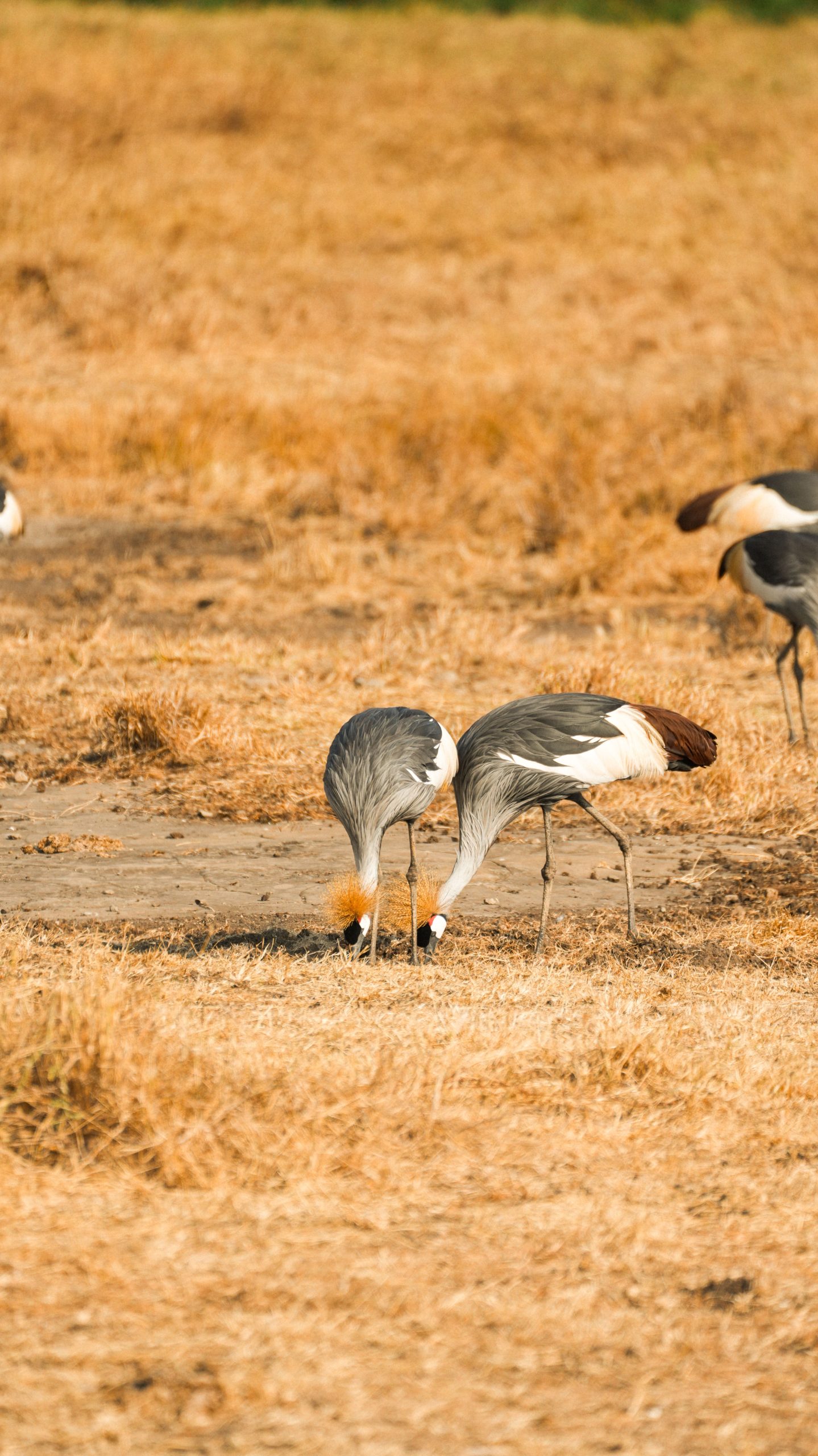
Birdwatching in Uganda: Best Places to See Rare and Beautiful Birds
Uganda is one of Africa’s most exciting birdwatching destinations. From the famous shoebill stork in Mabamba Swamp to colourful forest birds in Bwindi Impenetrable National Park, the country offers incredible opportunities for bird lovers, photographers and nature enthusiasts.
With more than 1,000 recorded bird species, Uganda is home to an extraordinary variety of birds found in wetlands, tropical rainforests, savannahs, lakeshores and mountain forests. Its diverse habitats make it possible to discover many different species during a single birdwatching holiday.
Whether you are an experienced birder or simply enjoy watching birds in their natural environment, Uganda has something special to offer.
In this guide, we explore the best places for birdwatching in Uganda, the birds you should look out for, the best time to visit and practical tips for planning a memorable birding safari.
Why Uganda Is a Top Birdwatching Destination
Uganda’s location in East Africa, combined with its varied landscapes and climate, creates excellent habitats for different bird species.
The country is particularly attractive to birdwatchers because it offers:
- More than 1,000 recorded bird species.
- Rare and globally threatened birds, including the shoebill.
- Albertine Rift endemic species found in a limited part of Africa.
- Wetlands, forests, mountains and savannah habitats.
- Opportunities to combine birdwatching with gorilla trekking, chimpanzee tracking and wildlife safaris.
- Experienced local bird guides who understand bird calls, habitats and behaviour.
Some of Uganda’s most important birdwatching destinations include Mabamba Swamp, Bwindi Impenetrable National Park, Queen Elizabeth National Park, Murchison Falls National Park and Semuliki National Park.
10 Best Places for Birdwatching in Uganda
1. Mabamba Swamp – Best Place to See the Shoebill
Mabamba Swamp is one of Uganda’s most famous birdwatching destinations. Located along the northern shores of Lake Victoria, west of Entebbe, this wetland is especially popular among visitors hoping to see the remarkable shoebill.
The shoebill is a large, grey bird recognised by its enormous shoe-shaped bill. Its unusual appearance makes it one of Africa’s most sought-after birds.
Visitors explore Mabamba’s papyrus channels in traditional canoes or small boats accompanied by local guides. The guides help locate shoebills and identify other wetland species.
Birds to look out for include:
- Shoebill
- Papyrus gonolek
- African jacana
- Malachite kingfisher
- Pied kingfisher
- Goliath heron
- African pygmy goose
Mabamba is also an excellent destination for bird photography. Early morning trips offer cooler conditions and attractive natural light.
Why visit: Mabamba is an excellent choice for travellers who want to see the shoebill without travelling far from Kampala or Entebbe.
2. Bwindi Impenetrable National Park – Best for Albertine Rift Endemic Birds
Bwindi Impenetrable National Park is internationally recognised for mountain gorilla trekking, but it is also one of East Africa’s outstanding birdwatching destinations.
The ancient rainforest contains more than 350 recorded bird species, including several Albertine Rift endemics. These are birds with restricted geographical ranges that make the region particularly important for conservation.
Popular birdwatching areas include Buhoma and Ruhija. The Mubwindi Swamp trail in Ruhija is especially attractive to serious birdwatchers.
Birds to look out for include:
- African green broadbill
- Shelley’s crimson-wing
- Handsome francolin
- Rwenzori batis
- Grauer’s warbler
- Regal sunbird
- Blue-headed sunbird
The forest environment can make some birds difficult to spot, so an experienced bird guide is highly recommended.
Why visit: Bwindi is ideal for birdwatchers interested in rare forest species and the unique biodiversity of the Albertine Rift.
3. Queen Elizabeth National Park – Best for Diverse Birdlife
Queen Elizabeth National Park is one of Uganda’s richest wildlife destinations and a major attraction for birdwatchers.
Its landscapes include savannah grasslands, wetlands, crater lakes, forests and the famous Kazinga Channel. These different habitats support an impressive variety of bird species.
Birdwatching can be enjoyed during game drives, nature walks and boat cruises along the Kazinga Channel.
The park is particularly rewarding for visitors interested in waterbirds, raptors and savannah species.
Birds to look out for include:
- African fish eagle
- African skimmer
- Grey-crowned crane
- Saddle-billed stork
- Pink-backed pelican
- Malachite kingfisher
- Martial eagle
The Kasenyi plains, Kazinga Channel and wetlands around the park provide excellent birdwatching opportunities.
Why visit: Queen Elizabeth National Park is a great destination for combining birdwatching with traditional wildlife viewing.
4. Murchison Falls National Park – Best for River and Savannah Birds
Murchison Falls National Park offers some of Uganda’s most memorable birdwatching experiences.
The park features open savannah, woodland, riverbanks and wetlands surrounding the Victoria Nile. These habitats attract a wide range of bird species.
A boat trip towards the Nile delta, where the river enters Lake Albert, is particularly rewarding. The wetland environment is known for shoebill sightings.
Birdwatchers can also explore the park during game drives and guided nature experiences.
Birds to look out for include:
- Shoebill
- Abyssinian ground hornbill
- Secretary bird
- Goliath heron
- African fish eagle
- Saddle-billed stork
- Grey-crowned crane
The combination of birdlife, wildlife and spectacular scenery makes Murchison Falls an excellent destination for nature lovers.
Why visit: It is a rewarding destination for visitors who want to experience river-based birdwatching alongside a classic African safari.
5. Kibale National Park – Best for Forest Birdwatching
Kibale National Park is famous for chimpanzee tracking and its rich tropical rainforest. It is also an excellent destination for birdwatching.
The forest supports numerous bird species, including colourful turacos, hornbills and other forest specialists.
Nearby Bigodi Wetland Sanctuary provides another excellent opportunity to explore birdlife. Guided walks through the wetland allow visitors to observe birds in papyrus vegetation, trees and surrounding woodland.
Birds to look out for include:
- Green-breasted pitta
- Great blue turaco
- African grey parrot
- Black-and-white casqued hornbill
- Yellow-spotted barbet
- African pitta
Why visit: Kibale is ideal for travellers who want to combine birdwatching with chimpanzee tracking and guided forest walks.
6. Semuliki National Park – Best for Central African Bird Species
Semuliki National Park, located in western Uganda near the Democratic Republic of Congo border, is a particularly important destination for serious birdwatchers.
Its lowland tropical rainforest provides habitats for species associated with the Guinea-Congo forest region. This makes Semuliki different from many other Ugandan birdwatching destinations.
The park is especially rewarding for visitors searching for unusual forest birds.
Birds to look out for include:
- African piculet
- Nkulengu rail
- Black dwarf hornbill
- White-crested hornbill
- Yellow-throated cuckoo
- Blue-billed malimbe
- Great blue turaco
The forest trails can be challenging, so visitors should consider hiring knowledgeable local guides.
Why visit: Semuliki is an excellent choice for experienced birdwatchers looking for species associated with Central African forests.
7. Lake Mburo National Park – Best for Savannah and Wetland Birds
Lake Mburo National Park is a convenient wildlife destination in western Uganda, particularly for visitors travelling between Kampala and southwestern Uganda.
The park contains savannah grasslands, acacia woodland, lakes and wetlands. These habitats attract a wide range of bird species.
Boat trips on Lake Mburo provide opportunities to observe waterbirds, while guided walks and game drives reveal species living in the surrounding grasslands and woodland.
Birds to look out for include:
- African finfoot
- African fish eagle
- African grey hornbill
- Bare-faced go-away-bird
- Rufous-bellied heron
- Grey-crowned crane
- Papyrus yellow warbler
Why visit: Lake Mburo is a good option for travellers seeking a shorter safari with a combination of birdwatching and wildlife experiences.
8. Entebbe Botanical Gardens – Best for Easy Birdwatching
The Entebbe Botanical Gardens are an excellent starting point for visitors who want to enjoy birdwatching without travelling far from the city.
Located along the shores of Lake Victoria, the gardens contain mature trees, open spaces and lakeside habitats that attract different bird species.
The peaceful environment makes it suitable for beginners, families, photographers and travellers with limited time.
Birds to look out for include:
- Great blue turaco
- African grey parrot
- Black-and-white casqued hornbill
- Palm-nut vulture
- Various weavers and sunbirds
Visitors can combine a walk through the gardens with a trip to Mabamba Swamp.
Why visit: It is a convenient birdwatching destination for visitors staying in Entebbe or preparing to fly out of Uganda.
9. Mabira Forest – Best for Birdwatching Near Kampala
Mabira Forest is one of Uganda’s important tropical forest destinations. Located along the Kampala–Jinja highway, it offers a convenient opportunity to explore forest birdlife.
The forest contains walking trails and habitats that support different bird species. Its accessibility makes it attractive for day trips, guided nature walks and weekend excursions.
Birds to look out for include:
- Nahan’s francolin
- African dwarf kingfisher
- Great blue turaco
- African grey parrot
- Forest robin species
- Various sunbirds and barbets
A local bird guide can help visitors identify birds by their calls and movements through the forest canopy.
Why visit: Mabira is a practical choice for birdwatchers looking for a forest experience near Kampala and Jinja.
10. Kidepo Valley National Park – Best for Remote Wilderness Birding
Kidepo Valley National Park in northeastern Uganda is one of the country’s most spectacular wilderness destinations.
Its open savannah, rocky hills, seasonal rivers and semi-arid landscapes support bird species that are less commonly encountered in the wetter forests of southwestern Uganda.
The park offers a different birdwatching experience, especially for visitors interested in dry-country species.
Birds to look out for include:
- Ostrich
- Secretary bird
- Kori bustard
- Abyssinian roller
- Clapperton’s francolin
- Various raptors and vultures
Kidepo is relatively remote, so it is best included in a multi-day safari rather than a quick excursion.
Why visit: It is an excellent destination for birdwatchers who want to explore Uganda’s remote landscapes and distinctive savannah birdlife.
Famous Birds to Look Out for in Uganda
Uganda has many remarkable bird species, but some are particularly popular among birdwatchers and wildlife photographers.
Here are a few species worth adding to your birdwatching checklist:
| Bird species | Where to look |
|---|---|
| Shoebill | Mabamba Swamp, Murchison Falls |
| African green broadbill | Bwindi Impenetrable Forest |
| Great blue turaco | Kibale, Mabira and other forests |
| Grey-crowned crane | Wetlands and grasslands |
| African fish eagle | Lakes, rivers and wetlands |
| African skimmer | Riverbanks and suitable wetlands |
| Green-breasted pitta | Kibale Forest |
| Papyrus gonolek | Papyrus wetlands |
| Secretary bird | Open savannah, including Kidepo |
| African finfoot | Lake Mburo and suitable forest waterways |
Remember that birds are wild animals. Sightings depend on habitat, weather, season and the time spent searching.
Best Time for Birdwatching in Uganda
Birdwatching in Uganda is possible throughout the year because many bird species are resident.
However, some months offer more comfortable conditions for exploring forests, wetlands and national parks.
June to September
This period generally has less rainfall in many parts of Uganda. Forest trails and roads may be easier to navigate, making it a popular period for birdwatching trips.
December to February
These months can also provide good birdwatching conditions, particularly for visitors combining birding with wildlife safaris.
March to May and October to November
These periods generally experience more rainfall. Although wet conditions can make some roads and trails difficult, they can also offer interesting bird activity, including breeding behaviour in some habitats.
Uganda Wildlife Authority recommends considering rainfall and road conditions when planning a birdwatching trip. The best travel period can vary by destination. https://ugandawildlife.org/animals/birds/
Essential Equipment for Birdwatching in Uganda
Having the right equipment can make your birdwatching experience more enjoyable.
Consider packing:
- Binoculars: Essential for observing birds from a distance.
- Camera: A camera with a telephoto lens is useful for wildlife photography.
- Bird identification guide: Helps you recognise different species.
- Notebook or birding app: Record the birds you identify during your trip.
- Comfortable walking shoes: Important for forest trails and nature walks.
- Lightweight clothing: Choose comfortable clothes suitable for outdoor activities.
- Rain jacket: Useful because Uganda can experience rainfall even during generally drier periods.
- Insect repellent and sunscreen: Help make outdoor activities more comfortable.
- Drinking water: Stay hydrated during long birdwatching sessions.
Tips for a Successful Birdwatching Safari in Uganda
To get the most out of your birdwatching experience, consider the following tips:
- Hire an experienced bird guide: Local guides can identify bird calls and help locate difficult-to-see species.
- Start early: Many birdwatching trips begin in the morning when birds are active and temperatures are cooler.
- Be patient: Some birds remain hidden in vegetation or stay motionless for long periods.
- Move quietly: Avoid loud conversations and sudden movements that may disturb birds.
- Carry binoculars: They help you observe birds without approaching too closely.
- Choose different habitats: Combining forests, wetlands and savannahs increases the variety of species you may encounter.
- Respect wildlife: Never chase, feed or disturb birds, especially near nests.
- Support local communities: Use responsible local guides and tourism operators.
Suggested Birdwatching Itineraries in Uganda
Your ideal birdwatching itinerary depends on how much time you have and the species you hope to see.
Here are three suggested options.
1. One-Day Birdwatching Trip
Ideal for visitors staying in Kampala or Entebbe.
- Early morning: Visit Mabamba Swamp for shoebill watching.
- Late morning: Explore the wetland and observe other waterbirds.
- Afternoon: Visit Entebbe Botanical Gardens.
2. Five-Day Birdwatching Safari
Ideal for travellers who want to explore several habitats.
- Day 1: Mabamba Swamp and Entebbe Botanical Gardens.
- Day 2: Transfer towards Queen Elizabeth National Park.
- Day 3: Birdwatching around the Kazinga Channel and park wetlands.
- Day 4: Explore Kibale Forest and Bigodi Wetland Sanctuary.
- Day 5: Enjoy a morning birdwatching walk before departure.
3. Ten-Day Birdwatching Adventure
Ideal for serious birdwatchers interested in a wider range of Uganda’s birdlife.
- Days 1–2: Mabamba Swamp and Entebbe.
- Days 3–4: Murchison Falls National Park.
- Days 5–6: Kibale Forest and Bigodi Wetland Sanctuary.
- Days 7–8: Queen Elizabeth National Park.
- Days 9–10: Bwindi Impenetrable National Park.
These are suggested routes, not fixed tour packages. Travel times, park access and birding priorities should be checked before booking.
How Birdwatching Supports Conservation in Uganda
Birdwatching tourism can contribute to wildlife conservation and community development.
When visitors pay for local guides, accommodation and responsible tourism services, surrounding communities can benefit economically from protecting natural habitats.
Wetlands such as Mabamba Swamp are particularly important because they support birds, fish, plants and local livelihoods.
Responsible birdwatching also encourages greater awareness of threats such as wetland degradation, deforestation, pollution and illegal wildlife trade.
Visitors can contribute by following park regulations, avoiding disturbance to nesting birds and supporting conservation-focused tourism businesses.
Frequently Asked Questions About Birdwatching in Uganda
1. Is Uganda good for birdwatching?
Yes. Uganda is one of Africa’s leading birdwatching destinations, with more than 1,000 recorded bird species and a wide range of habitats, including tropical forests, wetlands, lakes and savannahs.
2. Where is the best place to see the shoebill in Uganda?
Mabamba Swamp, west of Entebbe, is one of the most accessible and well-known places to see the shoebill. Visitors usually explore the wetland by canoe with a local guide.
3. What is the best time of year for birdwatching in Uganda?
Birdwatching is possible throughout the year. June to September and December to February are generally favourable periods because many areas experience less rainfall.
4. Can beginners enjoy birdwatching in Uganda?
Absolutely. Beginners can start at Entebbe Botanical Gardens or Mabamba Swamp. Hiring a knowledgeable guide makes it easier to identify birds and understand their behaviour.
5. How many bird species are found in Uganda?
Uganda has more than 1,000 recorded bird species. The exact total can vary as bird checklists and taxonomic classifications are updated.
6. Can I combine birdwatching with gorilla trekking?
Yes. You can combine birdwatching in Bwindi Impenetrable National Park with gorilla trekking, subject to the required permits and availability.
7. Do I need a guide for birdwatching in Uganda?
A guide is not always compulsory, but an experienced bird guide is highly recommended. Guides can identify bird calls, locate rare species and help you explore habitats responsibly.
Conclusion: Discover Uganda’s Incredible Birdlife
Uganda is a remarkable destination for anyone interested in birdwatching, nature photography and wildlife conservation.
From the rare shoebill of Mabamba Swamp to the forest birds of Bwindi and Kibale, the country offers unforgettable experiences across a variety of natural habitats.
Whether you have one day or several weeks, you can discover beautiful birds while exploring Uganda’s national parks, wetlands and forests.
If you are planning your next nature holiday, consider adding birdwatching in Uganda to your travel itinerary. You may discover that the Pearl of Africa is just as fascinating in the trees, wetlands and skies as it is on the savannah.
SEO Settings for Publishing
SEO title: Birdwatching in Uganda: 10 Best Places to See Rare Birds
Meta description: Discover the best places for birdwatching in Uganda. See the shoebill at Mabamba Swamp, explore Bwindi’s rare forest birds and enjoy unforgettable birding safaris.
URL slug: birdwatching-in-uganda
Primary keyword: Birdwatching in Uganda
Secondary keywords:
- Best birdwatching places in Uganda
- Birds in Uganda
- Uganda birding safaris
- Shoebill watching in Uganda
- Mabamba Swamp birdwatching
- Birding destinations in Uganda
- Rare birds in Uganda
- Uganda wildlife tourism
- Bird photography in Uganda
- Best time for birdwatching in Uganda
Suggested blog category: Uganda Tourism / Wildlife and Nature
Suggested tags: Birdwatching Uganda, Uganda Birding Safaris, Shoebill Stork, Mabamba Swamp, Bwindi National Park, Queen Elizabeth National Park, Murchison Falls, Uganda Wildlife, Nature Tourism
Suggested featured image: A shoebill standing in the papyrus wetlands of Mabamba Swamp, Uganda.
Suggested image placement throughout the article:
- After the introduction: Shoebill in Mabamba Swamp.
- Under the Bwindi section: African green broadbill in a rainforest.
- Under Queen Elizabeth: African fish eagle near the Kazinga Channel.
- Under Murchison Falls: Goliath heron along the Nile.
- Under Kibale: Great blue turaco in a forest.
- Under Semuliki: Colourful forest bird.
- Under Lake Mburo: African finfoot near the water.
- Under Entebbe: Birds in the Botanical Gardens.
- Under Mabira: Forest birdwatching trail.
- Under Kidepo: Secretary bird in open savannah.
Internal linking suggestions: Link this article to your existing Uganda safari, national parks, eco-tourism, adventure tourism and domestic tourism articles. This helps readers discover related content and strengthens your website’s internal SEO structure.