Get a taste of historic splendor at the heart of the European continent

From$320.00
$345.00

From$253.00
$280.00

From$95.00
$105.00
From$82.00
$87.00

From$62.00
$87.00
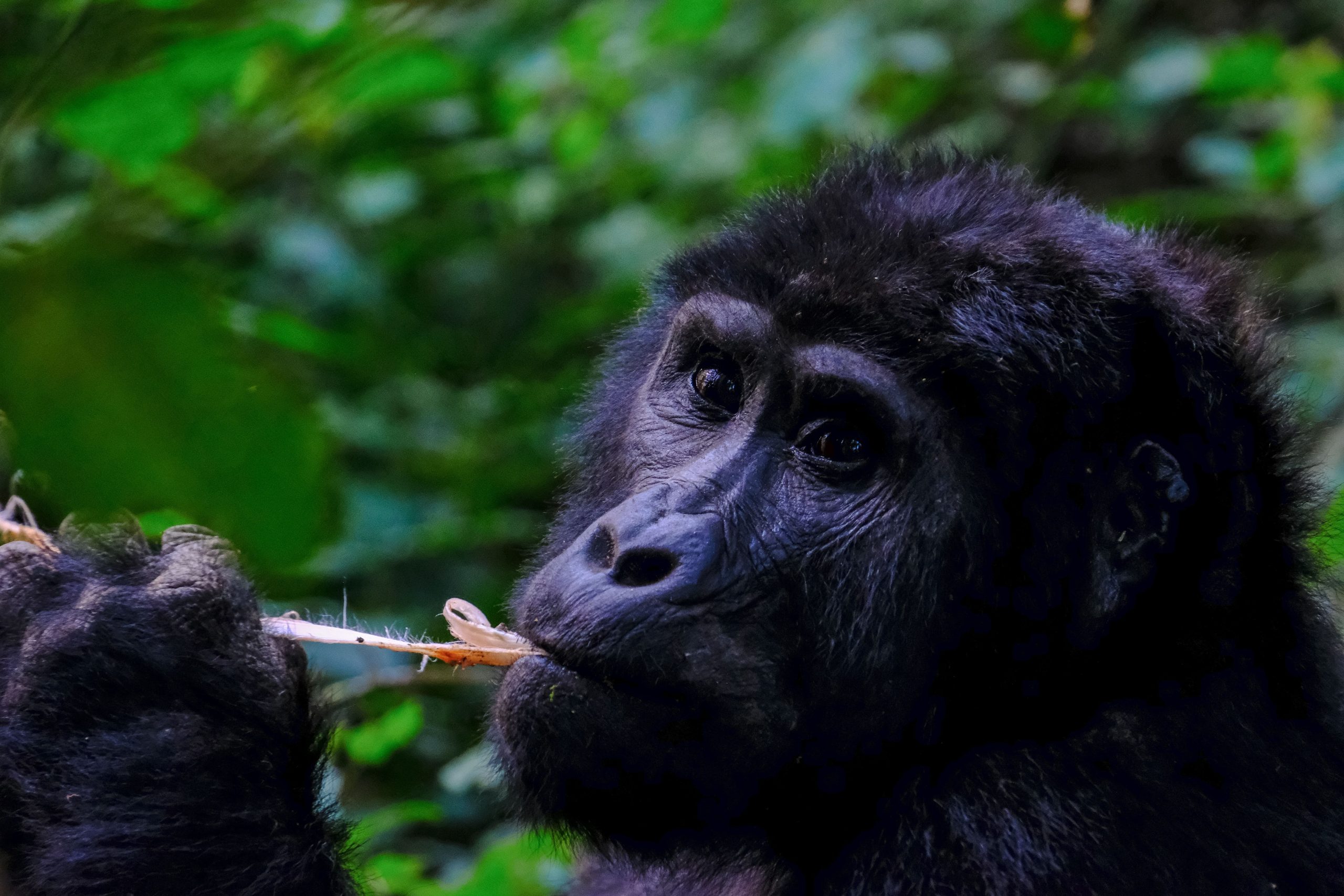
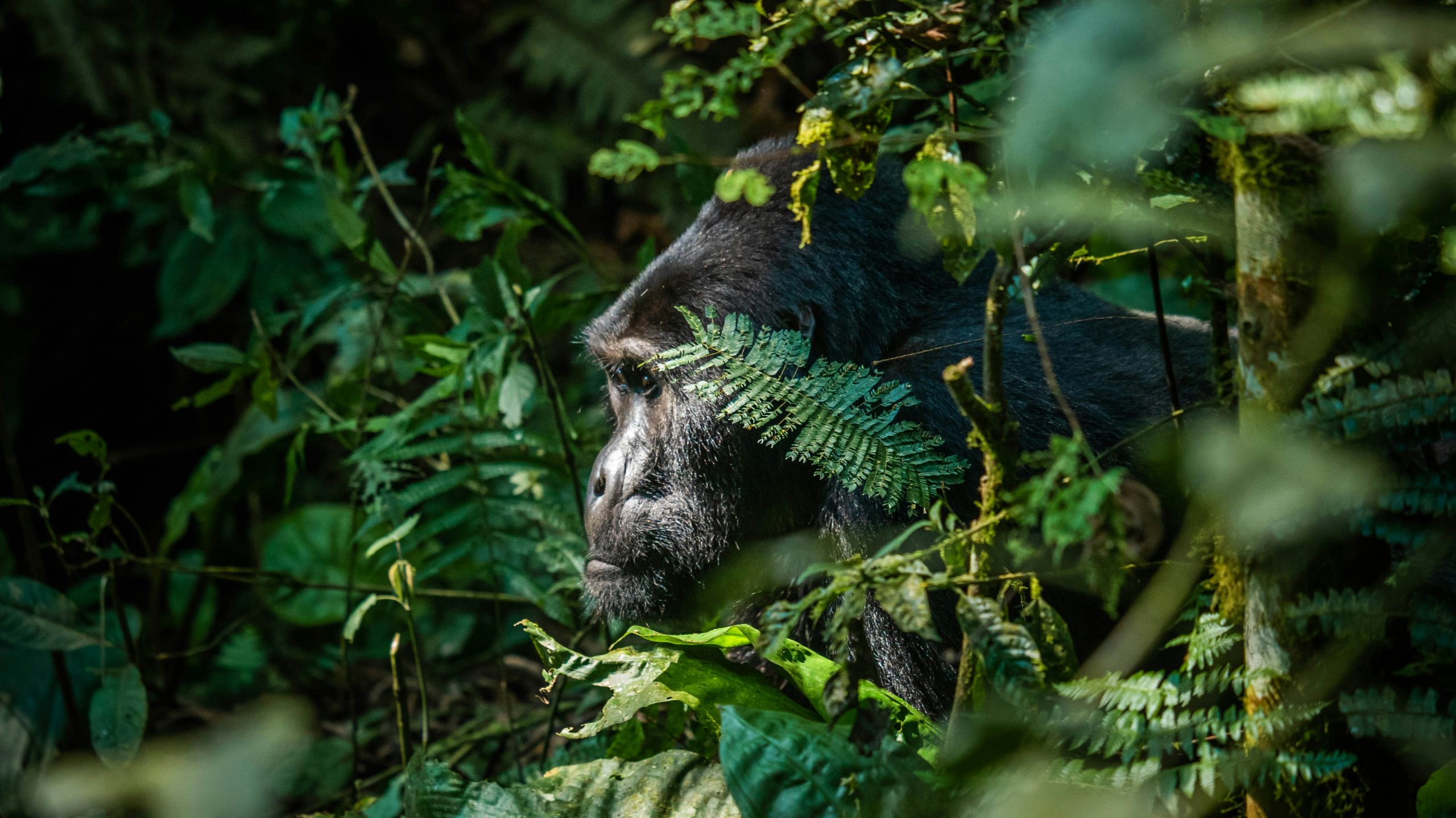
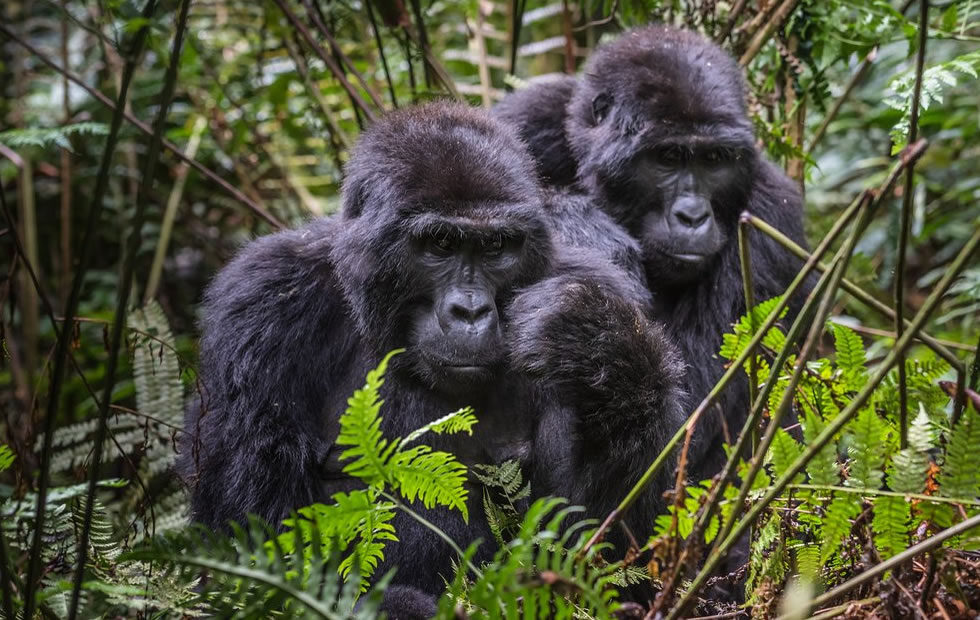
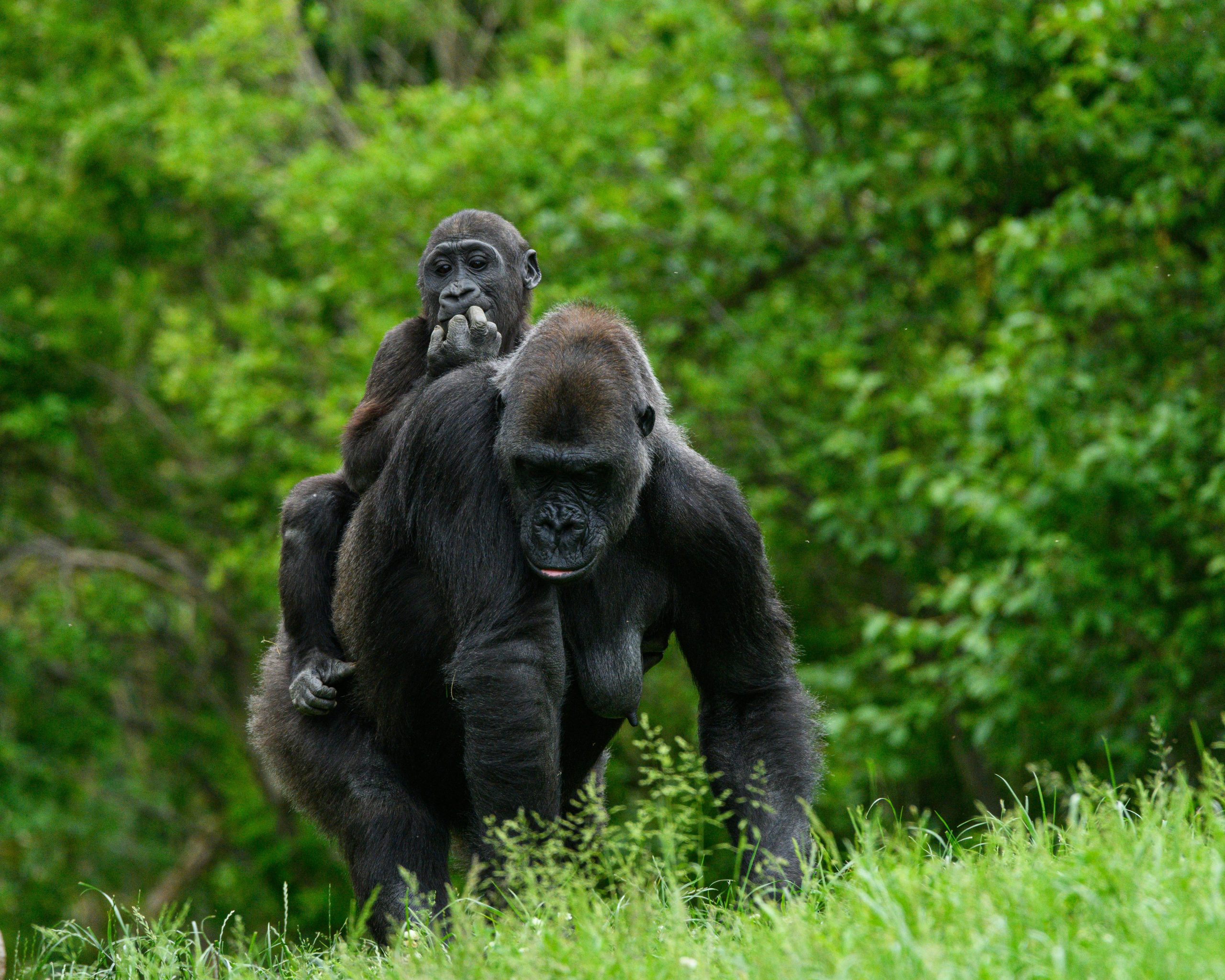
Imagine walking through an ancient African rainforest, surrounded by towering trees, thick vegetation and the sounds of exotic birds. Suddenly, your guide signals you to stop. Just a few metres ahead, a magnificent mountain gorilla family is resting, feeding and interacting in its natural habitat.
This is the extraordinary experience of gorilla trekking in Uganda.
Uganda is one of the world’s leading destinations for mountain gorilla encounters, offering travellers the opportunity to observe these endangered primates in their natural environment. With its spectacular tropical forests, diverse wildlife, welcoming communities and beautiful landscapes, the country provides an unforgettable African safari experience.
At Kuku Safaris, we organise personalised Uganda gorilla trekking safaris designed to help visitors experience the country’s remarkable primate destinations comfortably and responsibly.
Whether you are planning a short gorilla trekking holiday, a luxury African safari or an extended wildlife adventure, this guide covers everything you need to know about gorilla trekking in Uganda, including permit costs, the best time to visit, trekking locations, accommodation, travel arrangements and practical preparation tips.
Uganda is an exceptional destination for mountain gorilla trekking because it offers two protected areas where visitors can encounter habituated mountain gorilla families: Bwindi Impenetrable National Park and Mgahinga Gorilla National Park.
Together, these destinations provide access to a remarkable conservation landscape that supports more than half of the world’s remaining mountain gorillas.
Uganda also offers excellent opportunities to combine gorilla trekking with chimpanzee tracking, wildlife game drives, boat cruises, birdwatching and cultural experiences.
Some of the reasons travellers choose Uganda include:
For travellers interested in exploring more of the country, discover our Uganda safari destinations and available Uganda safari packages.
Uganda has two main mountain gorilla trekking destinations. Each offers a distinctive forest environment and a memorable wildlife experience.
Bwindi Impenetrable National Park is Uganda’s most popular gorilla trekking destination. Located in southwestern Uganda, the park is recognised for its ancient rainforest, rich biodiversity and important mountain gorilla population.
The park is a UNESCO World Heritage Site and provides habitat for numerous primates, birds, butterflies and forest wildlife.
Bwindi is divided into four main gorilla trekking sectors:
Buhoma Sector
Located in the northern part of Bwindi, Buhoma is one of the park’s established trekking areas. It offers access to several habituated gorilla families and a good selection of accommodation facilities.
It is also a convenient location for travellers combining gorilla trekking with Queen Elizabeth National Park.
Ruhija Sector
Situated in eastern Bwindi, Ruhija is known for its beautiful forest landscapes, cooler temperatures and excellent birdwatching opportunities.
It is an attractive choice for travellers interested in combining gorilla trekking with nature walks and birdwatching.
Rushaga Sector
Rushaga is located in southern Bwindi and is known for its multiple habituated gorilla families. The sector also offers access to the gorilla habituation experience, subject to permit availability.
It is particularly suitable for travellers approaching Bwindi from the direction of Kigali or Kisoro.
Nkuringo Sector
Nkuringo lies in southwestern Bwindi and is famous for its dramatic mountain scenery and spectacular forest views.
The terrain can be challenging, making this sector particularly attractive to adventurous travellers seeking a rewarding trekking experience.
Mgahinga Gorilla National Park is Uganda’s smallest national park but offers one of the country’s most beautiful mountain environments.
Located in the Virunga Mountains, the park is characterised by volcanic landscapes, bamboo forests and breathtaking views of the surrounding volcanoes.
Gorilla trekking in Mgahinga offers visitors the opportunity to encounter the Nyakagezi gorilla family.
Unlike Bwindi’s dense rainforest, Mgahinga’s bamboo vegetation and volcanic slopes create a different trekking atmosphere.
Visitors can also combine gorilla trekking with golden monkey tracking, volcano hiking and cultural experiences.
For official information about both destinations, visit the Uganda Wildlife Authority gorilla tracking guide.
One of the most common questions travellers ask when planning a Uganda safari is how much gorilla trekking costs.
The main expense is the gorilla trekking permit, issued by the Uganda Wildlife Authority (UWA). The permit allows visitors to participate in a guided trek and spend one hour observing a habituated mountain gorilla family.
Under the applicable Uganda Wildlife Authority tariff arrangements, the standard permit prices are:
| Visitor category | Standard permit |
|---|---|
| Foreign non-residents | US$800 |
| Foreign residents | US$700 |
| Rest of Africa visitors | US$500 |
| East African Community citizens | UGX 300,000 |
Low-season gorilla trekking permits: UWA introduced discounted rates for April, May and November:
| Visitor category | Low-season permit |
|---|---|
| Foreign non-residents | US$600 |
| Foreign residents | US$500 |
These discounted rates apply during the specified months, subject to UWA’s conditions and permit availability.
From 1 January 2027, UWA’s announced revised tariff structure maintains the foreign non-resident gorilla tracking rate at US$800, while the other visitor categories have their respective revised rates.
Permit prices should always be confirmed at the time of booking because official tariffs and promotional arrangements can change.
For the latest information, consult the official Uganda Wildlife Authority tariff information.
A standard gorilla trekking permit covers:
It does not cover your accommodation, meals, international flights, ground transportation, personal expenses or porter services.
Your overall gorilla trekking safari budget depends on your accommodation preferences, travel arrangements, group size and additional activities.
Important expenses include:
At Kuku Safaris, we help travellers select suitable accommodation and transportation arrangements according to their budgets and travel expectations.
Explore our Uganda safari packages to discover opportunities for combining gorilla trekking with other wildlife experiences.
Gorilla trekking in Uganda is available throughout the year. However, weather conditions can influence the difficulty of the trek, accessibility of forest trails and overall travel experience.
Uganda experiences two main dry seasons and two rainy seasons.
This is one of the most popular periods for gorilla trekking in Uganda.
The forest trails are generally easier to navigate, and relatively lower rainfall makes hiking more comfortable.
These months are particularly suitable for travellers combining gorilla trekking with wildlife safaris in other national parks.
July and August are especially busy, so advance permit and accommodation reservations are recommended.
The second dry season provides another excellent opportunity for gorilla trekking.
Visitors can enjoy relatively favourable trekking conditions, attractive forest scenery and opportunities to explore other Ugandan safari destinations.
January and February are particularly suitable for combining gorilla trekking with wildlife viewing.
The long rainy season brings heavier rainfall to southwestern Uganda.
Forest trails can become muddy and slippery, making trekking more physically demanding.
However, this period offers advantages for travellers seeking quieter destinations, lush green landscapes and potentially more affordable accommodation.
April and May are also among the months covered by UWA’s discounted low-season gorilla permit arrangements.
The short rainy season brings intermittent rainfall to Bwindi and Mgahinga.
Although trails can be slippery, gorilla trekking continues throughout the period.
November is particularly interesting for travellers looking for quieter safari experiences and discounted permits.
Our recommendation: June to September and December to February are excellent choices for travellers who prioritise easier trekking conditions. April, May and November can offer attractive value for visitors who are flexible and comfortable trekking in wet conditions.
Gorilla trekking is an exciting adventure that requires patience, preparation and a reasonable level of physical fitness.
The experience normally begins early in the morning at the designated park headquarters.
Travellers arrive at the trekking headquarters for registration and a briefing by Uganda Wildlife Authority rangers.
During the briefing, visitors receive important information about gorilla behaviour, forest safety, trekking procedures and conservation guidelines.
You are then allocated to a habituated gorilla family.
After the briefing, visitors begin hiking through the forest accompanied by experienced guides and trackers.
The duration of the trek depends on the location and movements of the gorilla family.
Some groups may find gorillas after a relatively short walk, while others may spend several hours navigating steep slopes, thick vegetation and forest trails.
A typical trek can last between two and seven hours, although the actual duration varies.
Finding a gorilla family is an unforgettable moment.
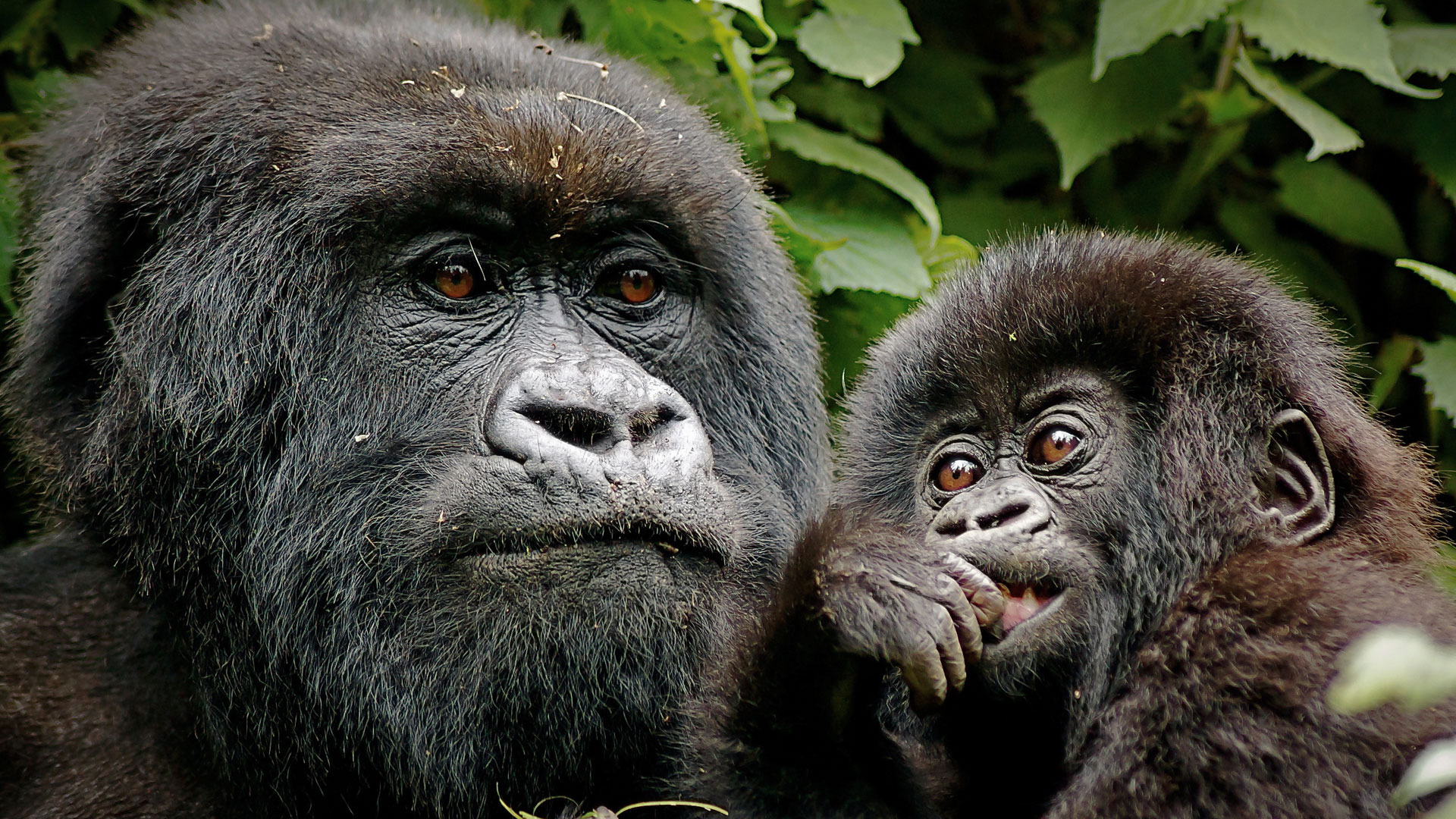
Visitors may observe a dominant silverback, adult females, playful juveniles and young gorillas interacting within their natural habitat.
Once the gorillas are located, visitors are allowed one hour with the family.
This is an opportunity to observe their feeding habits, social behaviour, movements and family interactions.
Photography is permitted, but flash photography is not allowed.
After the observation period, the group returns through the forest to the park headquarters.
Depending on the trek, visitors may return in the early afternoon or later in the day.
The experience concludes with a sense of achievement and a deeper appreciation of Uganda’s wildlife conservation efforts.
For travellers visiting Uganda specifically for gorilla trekking, a five-day itinerary provides a comfortable opportunity to travel to Bwindi, enjoy the trekking experience and explore some of southwestern Uganda’s beautiful landscapes.
Upon arrival at Entebbe International Airport, you will be welcomed by your Kuku Safaris representative.
Depending on your arrival time, you can enjoy a relaxed transfer to your hotel in Entebbe or Kampala.
The day is reserved for resting after your international journey and preparing for the safari.
Overnight: Entebbe or Kampala.
After breakfast, depart for southwestern Uganda.
The journey takes you through beautiful countryside, traditional communities, rolling hills and scenic agricultural landscapes.
Depending on your route and travel schedule, you may stop at the Equator for photographs and a short experience.
Continue towards Bwindi, arriving at your lodge in the afternoon or evening.
Enjoy dinner and prepare for the following day’s gorilla trekking adventure.
Overnight: Bwindi Impenetrable National Park.
Today is the highlight of your Uganda safari.
After an early breakfast, transfer to the designated trekking headquarters for registration and a ranger briefing.
You will then enter the forest in search of a habituated mountain gorilla family.
Once the gorillas are located, enjoy one unforgettable hour observing them in their natural environment.
Return to your lodge after the trek and spend the afternoon relaxing.
Overnight: Bwindi Impenetrable National Park.
After breakfast, depart Bwindi for Lake Bunyonyi, one of Uganda’s most scenic lakes.
Surrounded by terraced hills and dotted with numerous islands, Lake Bunyonyi provides a peaceful setting after the physically demanding gorilla trek.
Depending on your interests, you can enjoy a canoe ride, sightseeing, photography or a relaxed afternoon at the lodge.
Overnight: Lake Bunyonyi.
Enjoy breakfast overlooking the beautiful lake before beginning your return journey to Entebbe or Kampala.
The journey provides another opportunity to appreciate Uganda’s beautiful countryside and rural landscapes.
Depending on your international flight schedule, you will be transferred to Entebbe International Airport for departure.
End of Safari.
Travel planning note: The road journey between Entebbe and Bwindi is long and can take approximately 8–10 hours or more, depending on the trekking sector, road conditions and stops. Travellers with limited time may prefer a fly-in safari or an alternative itinerary using Kigali as an arrival point.
Proper preparation makes your gorilla trekking experience more comfortable and enjoyable.
Because Bwindi and Mgahinga are mountainous forest environments, weather conditions can change quickly.
We recommend packing the following:
Avoid wearing brightly coloured clothing and choose comfortable, neutral outdoor colours.
Mountain gorillas are endangered wild animals, and responsible tourism plays an important role in protecting them.
All visitors must follow Uganda Wildlife Authority guidelines throughout the trekking experience.
Important rules include:
These regulations help minimise disturbance and reduce the risk of disease transmission between humans and gorillas.
Gorilla tourism is more than a wildlife adventure. It is an important part of Uganda’s conservation and community development efforts.
Revenue generated through gorilla trekking helps support protected-area management, wildlife monitoring, ranger operations and conservation programmes.
Local communities surrounding Bwindi and Mgahinga also benefit through employment opportunities, tourism businesses, accommodation services, guiding, handicrafts and community development initiatives.
Visitors can further support local communities by hiring authorised porters, purchasing locally made products and participating in responsible cultural experiences.
By choosing responsible gorilla trekking experiences, travellers contribute to the continued protection of one of Africa’s most remarkable wildlife species.
Learn more about the Uganda Wildlife Authority’s community conservation programmes.
Planning a successful gorilla trekking safari involves more than purchasing a permit. Travellers must coordinate transportation, accommodation, trekking sectors, travel schedules and additional activities.
At Kuku Safaris, we help make the planning process straightforward by designing safari experiences around individual interests, budgets and travel schedules.
Our services include:
Whether you prefer a budget-friendly adventure, a comfortable midrange safari or an exclusive luxury experience, we can help you plan a memorable journey.
You can also explore our 10-Day Uganda Wildlife and Gorilla Safari for an extended wildlife adventure combining gorilla trekking with some of Uganda’s best national parks.
The standard foreign non-resident gorilla trekking permit costs US$800 per person under the applicable tariff. UWA also offers discounted US$600 permits for foreign non-residents during April, May and November. Other visitor categories have different rates. The complete safari cost depends on accommodation, transportation, meals and additional activities.
A gorilla trek can take approximately two to seven hours, depending on the location and movements of the gorilla family. Visitors are allowed one hour with the gorillas once they are located.
Mountain gorilla trekking takes place in Bwindi Impenetrable National Park and Mgahinga Gorilla National Park, both located in southwestern Uganda.
Gorilla trekking requires moderate physical fitness. Some trails involve steep slopes, thick vegetation, uneven ground and muddy conditions. The difficulty depends on the location of the gorilla family and the weather.
Yes. Gorilla trekking is available throughout the year. However, June to September and December to February generally offer more favourable trekking conditions.
We recommend booking several months in advance, especially for travel during June, July, August, December and January. Popular trekking dates and sectors can have limited permit availability.
The minimum age for gorilla trekking in Uganda is 15 years.
Absolutely. Uganda offers excellent opportunities to combine gorilla trekking with game drives in Queen Elizabeth National Park, Murchison Falls National Park and Lake Mburo National Park. You can also include chimpanzee trekking in Kibale Forest.
Both countries offer outstanding mountain gorilla encounters. Uganda provides two trekking destinations and a wide range of opportunities to combine primate experiences with traditional wildlife safaris. Rwanda offers convenient access to Volcanoes National Park from Kigali. The best destination depends on your budget, itinerary and travel preferences.
Yes. Gorilla trekking is a guided activity conducted under Uganda Wildlife Authority supervision. Visitors must follow the instructions of authorised rangers and guides.
A gorilla trekking safari in Uganda is an extraordinary opportunity to experience one of Africa’s most remarkable wildlife encounters.
From the ancient rainforests of Bwindi to the volcanic landscapes of Mgahinga, Uganda offers unforgettable opportunities to observe mountain gorillas in their natural habitat.
Whether you are travelling alone, as a couple, with family or as part of a group, Kuku Safaris can help you organise a gorilla trekking experience that matches your expectations.
Ready to experience gorilla trekking in Uganda?
Contact Kuku Safaris today to enquire about available gorilla trekking permits, accommodation options and tailor-made Uganda safari packages.
Visit www.kukusafaris.com or contact our safari team to start planning your Uganda gorilla trekking adventure.
Don't just get there, get there in style.
Information
Follow Us
Payment channels