
Cultural Tourism in Uganda: Discover the Traditions, Food and Heritage of 56+ Communities
Uganda is more than a destination for wildlife safaris, mountain gorilla trekking and beautiful natural landscapes. It is also a country with a rich cultural heritage, fascinating traditions and diverse communities that make it one of Africa’s most interesting cultural tourism destinations.
Known as the Pearl of Africa, Uganda is home to more than 56 ethnic groups, each with unique languages, traditional foods, dances, music, clothing, customs and ways of life.
From the vibrant cultural traditions of the Baganda in Central Uganda to the pastoral heritage of the Karamojong in northeastern Uganda, every region offers visitors an opportunity to discover a different side of the country’s identity.
Cultural tourism in Uganda allows visitors to experience the country’s history, explore traditional kingdoms, taste local dishes, watch cultural performances, discover historical sites and interact with local communities.
Whether you are an international tourist seeking authentic African experiences or a Ugandan interested in exploring your country’s heritage, there is plenty to discover.
In this guide, we explore Uganda’s cultural diversity, traditional foods, fascinating cultural attractions and some of the best cultural experiences every visitor should consider.
1. Discover Uganda’s Rich Cultural Diversity
Uganda’s cultural diversity is one of its greatest tourism attractions.
The country’s communities have different languages, traditional leadership systems, social customs, music, dances and cultural practices.
Some of the well-known communities include:
- Baganda – Central Uganda.
- Banyankole – Southwestern Uganda.
- Basoga – Eastern Uganda.
- Bagisu or Bamasaba – Mount Elgon region.
- Bakiga – Southwestern Uganda.
- Banyoro – Western Uganda.
- Batooro – Western Uganda.
- Acholi – Northern Uganda.
- Langi – Northern Uganda.
- Iteso – Eastern and northeastern Uganda.
- Karamojong – Northeastern Uganda.
- Lugbara – West Nile region.
- Alur – West Nile and northwestern Uganda.
- Bakonzo – Rwenzori region.
- Basamia — Busia Region
Each community has traditions that reflect its history, environment and way of life.
For example, some communities have historically depended on crop farming, others on cattle keeping, fishing, trade or a combination of economic activities.
These differences can be discovered through cultural tours, local markets, traditional ceremonies, community visits and regional food experiences.
For travellers, exploring these cultural differences offers a deeper understanding of Uganda beyond its famous wildlife attractions.
2. Explore Uganda’s Traditional Kingdoms and Cultural Heritage
Uganda has several traditional kingdoms and cultural institutions that continue to play important roles in preserving history, identity and heritage.
Visiting these cultural institutions provides an opportunity to understand the country’s historical leadership systems, royal traditions and architectural heritage.
Buganda Kingdom
The Buganda Kingdom is one of Uganda’s most prominent traditional kingdoms.
Located in Central Uganda, its cultural history is closely connected to the Baganda people.
The kingdom has a rich heritage of traditional leadership, clan systems, music, dance, crafts and cultural ceremonies.
Some important attractions include:
Kasubi Royal Tombs
Located in Kampala, the Kasubi Royal Tombs are the burial grounds of the Kabakas of Buganda.
The site is an important spiritual and cultural centre for the Baganda and is recognised as a UNESCO World Heritage Site.
Visitors can learn about Buganda’s monarchy, royal history, traditional architecture and cultural practices.
Naggalabi Buddo Coronation Site
Located in Wakiso District, Naggalabi Buddo is an important historical and cultural site associated with the coronation of Buganda kings.
It provides an opportunity to learn about Buganda’s royal traditions and the history of the kingdom.
Kabaka’s Palace at Mengo
The Lubiri, or Kabaka’s Palace, is another important attraction for visitors interested in Buganda’s history and traditional leadership.
Visitors should arrange visits through the appropriate cultural authorities and respect restrictions around royal and ceremonial spaces.
Bunyoro-Kitara Kingdom
The Bunyoro-Kitara Kingdom is one of Uganda’s historic kingdoms, with a rich heritage associated with the Banyoro people.
The kingdom has a fascinating history of traditional leadership, cultural customs, oral traditions and historical sites.
Visitors interested in Bunyoro heritage can explore Mparo Royal Tombs and other cultural attractions associated with the kingdom.
Tooro Kingdom
The Tooro Kingdom is located in western Uganda and is closely associated with the Batooro community.
Its cultural heritage includes royal traditions, traditional music, dances, storytelling and historical institutions.
Visitors exploring Fort Portal can discover the kingdom’s cultural identity while enjoying the region’s beautiful landscapes.
Busoga Kingdom
The Busoga Kingdom is found in Eastern Uganda and is associated with the Basoga people.
The kingdom has a rich cultural heritage expressed through traditional music, storytelling, local foods and community celebrations.
Visitors can explore the heritage of Busoga while travelling around Jinja, Kamuli and other parts of the region.
3. Experience Uganda’s Traditional Music and Dance
Traditional music and dance are important parts of Uganda’s cultural identity.
Different communities have developed unique musical instruments, dance styles and performances that communicate stories, celebrate important occasions and bring people together.
For tourists, attending a cultural dance performance is one of the easiest ways to experience Uganda’s cultural diversity.
Some traditional dances worth discovering include:
Bakisimba Dance – Buganda
Bakisimba is one of the most recognisable traditional dances of the Baganda.
The dance is characterised by rhythmic movements of the waist and feet, accompanied by traditional drums.
It is performed during cultural celebrations and other occasions.
Larakaraka Dance – Acholi
Larakaraka is a traditional Acholi dance associated with courtship and social celebrations.
It features energetic movements, rhythmic footwork, music and singing.
The dance provides an interesting glimpse into the cultural heritage of Northern Uganda.
Ekitagururo Dance – Ankole and Kigezi
Ekitagururo is associated with communities in southwestern Uganda.
It is known for energetic foot movements and rhythmic dancing.
Entogoro Dance – Bunyoro and Tooro
Entogoro is a traditional dance of the Banyoro and Batooro.
The dance uses small rattles attached to the dancers’ legs to produce rhythmic sounds during performances.
Traditional Music and Instruments
Uganda has a variety of traditional musical instruments, including:
- Engoma – Traditional drums.
- Adungu – A traditional bowed or plucked arched harp, depending on the instrument and tradition.
- Endingidi – A traditional fiddle.
- Amadinda – A wooden xylophone.
- Flutes and other indigenous wind instruments.
Visitors can enjoy these performances at cultural centres, festivals, community events and organised cultural experiences.
Where Can You Watch Traditional Ugandan Dances?
One of the recommended places is the Ndere Cultural Centre in Kampala.
The centre is known for showcasing Uganda’s cultural diversity through traditional dance, music, drama, storytelling and food.
It provides visitors with an opportunity to experience different cultural performances in one location.
Check its official website for current performances and reservations:
4. Discover the Traditional Foods of Uganda
Ugandan food is an important part of the country’s cultural heritage.
Different communities have developed unique dishes based on locally available agricultural products, cooking techniques and family traditions.
Exploring traditional Ugandan cuisine is one of the most enjoyable ways to experience the country’s culture.
Here are some traditional foods worth trying.
Matooke
Matooke is one of Uganda’s most popular traditional foods, particularly associated with the Baganda and many communities in Central and Western Uganda.
It is prepared using green cooking bananas, which are peeled, wrapped in banana leaves and steamed until soft.
The cooked bananas are then mashed and served with different sauces.
Common accompaniments include groundnut sauce, beans, fish, chicken and beef.
Luwombo
Luwombo is a traditional dish strongly associated with Buganda.
It is prepared by steaming ingredients such as chicken, beef, fish or groundnuts inside banana leaves.
This cooking method helps preserve the flavour of the ingredients and produces a distinctive traditional meal.
Luwombo is often served during important gatherings and special occasions.
Malewa
Malewa is a traditional Bagisu dish associated with communities around Mount Elgon in Eastern Uganda.
It is prepared using young bamboo shoots, which are processed and cooked into a traditional sauce.
Some preparations include groundnut paste to create a rich flavour.
Visitors exploring Mbale and the Mount Elgon region should consider tasting malewa to experience the local food culture.
Eshabwe
Eshabwe is a traditional Banyankole sauce made primarily from ghee.
It is commonly served with foods such as millet bread and matooke.
Its preparation reflects the historical importance of cattle keeping in Ankole culture.
Malakwang
Malakwang is a traditional leafy vegetable dish associated particularly with Acholi food traditions in Northern Uganda.
It has a naturally sour taste and is often prepared with groundnut paste.
The dish is commonly served with millet bread, cassava and other local staples.
Kalo – Traditional Millet Bread
Kalo is a popular traditional food in several parts of Uganda, particularly among communities where millet is an important staple crop.
It is prepared by mixing millet flour with hot water and stirring until it forms a firm dough.
It can be served with groundnut sauce, vegetables, meat or other traditional accompaniments.
Rolex
Rolex is one of Uganda’s most popular street foods.
It consists of an egg omelette prepared with vegetables and rolled inside a chapati.
Although it is a relatively modern street-food favourite, it has become an important part of Uganda’s contemporary food culture.
Exploring local markets and restaurants is an excellent way for visitors to discover these and many other traditional dishes.
5. Explore Uganda’s Traditional Clothing, Crafts and Art
Uganda’s cultural heritage is also reflected in traditional clothing, handmade crafts, weaving, pottery and artistic expression.
Different communities have distinctive clothing styles and craft traditions that reflect their history and identity.
The Gomesi
The gomesi is a traditional dress strongly associated with the Baganda.
It is a long dress featuring puffed sleeves, a square neckline and a sash around the waist.
It is commonly worn at weddings, introduction ceremonies, cultural celebrations and other special occasions.
The Kanzu
The kanzu is a traditional long robe commonly worn by men in Uganda, particularly during formal, religious and cultural occasions.
It is an important part of traditional formal dress in several communities.
Bark Cloth Making
Bark cloth, locally known as olubugo in Luganda, is one of Uganda’s most remarkable traditional crafts.
It is made from the inner bark of the mutuba tree through a specialised process involving beating and softening the bark using wooden mallets.
The craft has deep cultural significance among the Baganda.
UNESCO inscribed bark cloth making in Uganda on its Representative List of the Intangible Cultural Heritage of Humanity in 2008.
Visitors can discover the traditional craft through cultural demonstrations, artisan workshops and heritage exhibitions.
Traditional Crafts and Handicrafts
Other traditional crafts worth exploring include:
- Basket weaving.
- Pottery.
- Beadwork.
- Wood carving.
- Traditional musical instruments.
- Handmade textiles.
- Decorative cultural artefacts.
These crafts are often available at cultural centres, community workshops and local craft markets.
Buying authentic products directly from local artisans is a meaningful way to support cultural preservation and community livelihoods.
6. Visit Uganda’s Most Fascinating Cultural and Historical Attractions
Uganda has numerous cultural and historical attractions that provide opportunities to discover the country’s past.
Here are some important destinations to include in your cultural tourism itinerary.
Uganda National Museum – Kampala
The Uganda National Museum is an excellent starting point for anyone interested in understanding the country’s history and cultural heritage.
Located in Kampala, the museum showcases collections related to Uganda’s traditional communities, archaeology, natural history, music and cultural practices.
Visitors can learn about traditional lifestyles, historical artefacts, musical instruments and the country’s cultural development.
Kasubi Royal Tombs – Kampala
The Kasubi Royal Tombs are among Uganda’s most important cultural heritage sites.
They represent the spiritual and historical heritage of the Buganda Kingdom.
The site’s traditional architecture, royal burial grounds and cultural significance make it an important destination for cultural tourism.
Nyero Rock Paintings – Kumi
Located in Eastern Uganda, the Nyero Rock Paintings are important archaeological and cultural attractions.
The site features ancient paintings on granite rock shelters, providing insight into early artistic expression and historical life in the region.
Visitors can explore the rock shelters and learn about Uganda’s archaeological heritage.
Igongo Cultural Centre – Mbarara
Igongo Cultural Centre is an excellent destination for visitors interested in the traditions and history of Ankole.
Located near Mbarara, the centre features a museum, cultural artefacts, local food, crafts and other heritage experiences.
It provides an opportunity to learn about the Banyankole, traditional cattle-keeping culture and the history of southwestern Uganda.
Bigo bya Mugenyi – Mubende
Bigo bya Mugenyi is an important archaeological and cultural site in Central Uganda.
The site features ancient earthworks associated with the Cwezi tradition.
Visitors interested in archaeology, history and traditional African civilisations can explore the site and learn about its historical importance.
7. Experience Community-Based Cultural Tourism in Uganda
One of the most meaningful ways to experience Uganda’s culture is through organised visits to local communities.
Community-based cultural tourism allows visitors to learn directly from local people while supporting traditional knowledge, cultural preservation and local livelihoods.
Here are some experiences worth considering.
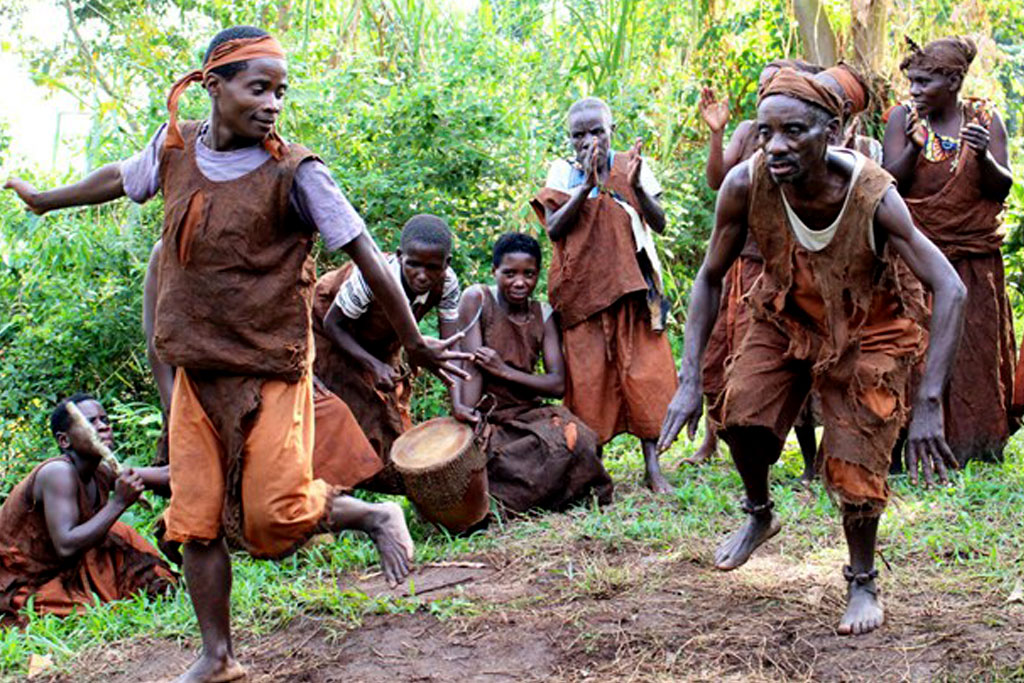
Batwa Cultural Experience – Southwestern Uganda
The Batwa are an Indigenous community historically associated with the forests of southwestern Uganda.
Their traditional knowledge includes forest-based livelihoods, medicinal plants, hunting practices, music, storytelling and other cultural traditions.
Visitors can participate in organised cultural experiences around Bwindi Impenetrable National Park and Mgahinga Gorilla National Park.
These experiences may include:
- Learning about traditional forest knowledge.
- Listening to community storytelling.
- Discovering traditional music and dances.
- Learning about medicinal plants.
- Understanding Batwa history and heritage.
The Batwa were displaced from their traditional forest homes following the establishment of protected national parks, making responsible and community-led tourism particularly important.
Choose experiences that are organised with the community and provide direct benefits to participating households.
Karamojong Cultural Experience – Northeastern Uganda
The Karamojong are traditionally pastoral communities in northeastern Uganda.
Their cultural heritage is closely connected to cattle keeping, community life, traditional music, storytelling and livestock traditions.
Visitors to the Karamoja region can participate in organised community visits to learn about local lifestyles, traditional homesteads and cultural practices.
These experiences offer a different perspective on Uganda’s diversity.
Travellers should always arrange visits through knowledgeable local guides and respect community privacy and cultural boundaries.
Bagisu Cultural Experience – Mount Elgon Region
The Bagisu, also known as the Bamasaba, are among the communities of Eastern Uganda.
One of their most recognised cultural practices is Imbalu, a traditional initiation ceremony associated with male circumcision.
The ceremony is accompanied by music, dancing, processions and community celebrations.
The cultural season is held periodically, rather than annually, so visitors should confirm event dates with the relevant cultural institutions.
Visitors should approach the tradition with respect and understand that it is a meaningful community ceremony, not simply a tourist performance.
8. Attend Cultural Festivals and Traditional Celebrations
Cultural festivals provide wonderful opportunities to experience Uganda’s music, food, dance and community traditions.
Throughout the country, different communities organise celebrations associated with cultural identity, traditional leadership, religious occasions, harvests and historical events.
Some experiences worth discovering include:
Imbalu celebrations: Experience the cultural festivities associated with the Bagisu initiation traditions around the Mount Elgon region, subject to the community’s event calendar.
Buganda Kingdom celebrations: Discover cultural events, music, traditional ceremonies and activities associated with the Buganda Kingdom.
Tooro Kingdom celebrations: Explore events that showcase the traditions, leadership and cultural heritage of the Batooro.
Community cultural festivals: Visit organised cultural celebrations in Northern Uganda, Karamoja, Busoga and other regions to experience traditional music, dance, food and crafts.
Always check event schedules before travelling because some celebrations take place at specific times or require advance arrangements.
9. Why Choose Uganda for Cultural Tourism?
Uganda offers a wide range of cultural experiences that appeal to different types of travellers.
Here are some reasons why cultural tourism should be part of your Uganda travel experience.
Rich Cultural Diversity
Uganda’s numerous communities provide visitors with opportunities to discover different languages, traditional foods, dances, music and customs.
Fascinating Historical Attractions
From the Kasubi Royal Tombs to the Nyero Rock Paintings, Uganda offers important cultural and archaeological sites.
Unique Traditional Cuisine
Visitors can explore a variety of traditional foods, including matooke, luwombo, malewa, eshabwe and malakwang.
Authentic Community Experiences
Cultural visits provide opportunities to interact with local communities, learn traditional skills and support local tourism businesses.
Opportunities for Cultural Photography
Uganda’s traditional festivals, crafts, landscapes, music and architecture provide interesting subjects for photography, with appropriate consent.
Support for Cultural Preservation
Responsible cultural tourism creates opportunities for artisans, traditional performers, local guides and community businesses to earn income while preserving important traditions.
10. Tips for Planning a Cultural Tourism Trip in Uganda
To enjoy a rewarding cultural tourism experience, proper planning is important.
Consider these practical tips before travelling.
- Research your destination: Learn about the community, cultural site or tradition you intend to visit.
- Use local cultural guides: Local guides can provide valuable explanations and help you understand cultural practices.
- Respect local customs: Follow instructions when visiting royal sites, traditional homesteads and sacred places.
- Ask before taking photographs: Always obtain permission before photographing people, cultural ceremonies or restricted areas.
- Taste local foods: Try traditional dishes prepared by local cooks and restaurants.
- Support local artisans: Purchase crafts directly from recognised community artisans where possible.
- Dress appropriately: Wear respectful clothing when visiting cultural institutions and religious or traditional sites.
- Book cultural experiences in advance: Some community visits, museums and cultural performances require prior arrangements.
- Respect cultural differences: Traditions vary between communities, and no single cultural practice represents all Ugandans.
- Choose responsible tourism operators: Prioritise experiences that respect cultural values and provide benefits to local communities.
Suggested Cultural Tourism Itineraries in Uganda
You do not have to visit every cultural attraction in one trip. You can organise your journey around different regions.
Two-Day Buganda Cultural Tour
Day 1: Explore Kampala’s Cultural Heritage
- Visit the Uganda National Museum.
- Explore the Kasubi Royal Tombs.
- Discover Buganda’s royal history at Mengo, subject to access arrangements.
- Enjoy a traditional Ugandan meal.
Day 2: Discover Living Culture
- Visit Naggalabi Buddo.
- Explore traditional craft markets.
- Attend a cultural performance at Ndere Cultural Centre, depending on its schedule.
- Experience traditional music and dance.
Three-Day Ankole Cultural Tour
Day 1: Travel to Mbarara and visit Igongo Cultural Centre.
Day 2: Discover Ankole’s history, traditional foods, crafts and cattle heritage through organised cultural experiences.
Day 3: Explore additional attractions in the region before returning to Kampala.
Three-Day Eastern Uganda Cultural Tour
Day 1: Visit Mbale and discover the cultural heritage of the Bamasaba.
Day 2: Explore cultural traditions around Mount Elgon and taste local dishes such as malewa.
Day 3: Visit the Nyero Rock Paintings in Kumi and learn about the region’s archaeological heritage, allowing sufficient time for the journey.
These are suggested routes rather than fixed tour packages. Travel times, opening arrangements and access to cultural sites should be confirmed before departure.
Frequently Asked Questions About Cultural Tourism in Uganda
1. How many tribes or ethnic groups are found in Uganda?
Uganda is commonly described as having more than 56 ethnic groups. The Third Schedule of the Constitution also lists 65 indigenous communities as of 1 February 1926 for constitutional purposes.
These communities contribute to the country’s rich cultural diversity.
2. What is cultural tourism in Uganda?
Cultural tourism involves travelling to experience Uganda’s traditions, history, food, music, dance, traditional leadership, crafts and community lifestyles.
It allows visitors to understand the country’s heritage through museums, historical sites, cultural performances and organised community visits.
3. What are the best cultural tourism sites in Uganda?
Some interesting destinations include:
- Kasubi Royal Tombs.
- Uganda National Museum.
- Naggalabi Buddo Coronation Site.
- Igongo Cultural Centre.
- Nyero Rock Paintings.
- Bigo bya Mugenyi.
- Ndere Cultural Centre.
- Mparo Royal Tombs.
4. What traditional foods should tourists try in Uganda?
Some traditional foods worth trying include matooke, luwombo, malewa, eshabwe, malakwang, kalo and other regional specialities.
5. Where can tourists watch traditional Ugandan dances?
Ndere Cultural Centre in Kampala is one of the recommended places to enjoy traditional Ugandan music and dance performances.
Visitors can also experience traditional dances during community celebrations and cultural festivals.
6. Which communities are famous for traditional cattle keeping?
The Banyankole of southwestern Uganda and Karamojong of northeastern Uganda are particularly associated with cattle-keeping traditions.
These traditions have played important roles in their histories, livelihoods and cultural identities.
7. What is the importance of cultural tourism in Uganda?
Cultural tourism helps preserve traditional knowledge, support community livelihoods, promote local crafts, create employment and introduce visitors to Uganda’s rich heritage.
8. Can international tourists participate in community cultural experiences?
Yes. International visitors can participate in organised cultural tours, provided they respect local customs and use responsible tourism providers.
9. What is the best time to visit Uganda for cultural tourism?
Cultural tourism is available throughout the year.
However, some ceremonies and festivals take place at specific times. Travellers should confirm cultural event schedules and site access before planning their visits.
10. Is cultural tourism suitable for families and students?
Yes. Cultural tourism can be an enriching experience for families, students, researchers and individual travellers.
Museums, heritage sites, cultural demonstrations and food experiences provide valuable educational opportunities.
Conclusion: Discover the Rich Cultural Heritage of Uganda
Uganda’s cultural diversity is one of its greatest treasures.
From the royal heritage of the Buganda Kingdom to the cattle-keeping traditions of Ankole and Karamoja, the country offers remarkable opportunities to explore different ways of life.
Visitors can enjoy traditional music and dance, taste delicious local foods, discover ancient historical sites, learn traditional crafts and interact with local communities.
Cultural attractions such as the Kasubi Royal Tombs, Uganda National Museum, Nyero Rock Paintings and Igongo Cultural Centre provide important opportunities to understand Uganda’s history and heritage.
Beyond the famous wildlife safaris and natural attractions, Uganda has a rich cultural story waiting to be discovered.
Whether you are a local traveller or an international visitor, make cultural tourism part of your next Ugandan adventure.
Explore Uganda’s traditions, taste its food, celebrate its diversity and discover the people and heritage that make the Pearl of Africa unique.
Start planning your cultural journey through Uganda today!