
East Africa vs Southern Africa: Which Safari Destination Is Right for You?
Choosing between an East African safari and a Southern African safari is one of the biggest decisions for first-time travelers. Both regions offer incredible wildlife, but the experience differs dramatically—from landscapes and animal sightings to accommodations and culture.
In this guide, I’ll break down the key differences between Kenya, Tanzania, Uganda, and Rwanda (East Africa) and South Africa, Botswana, Zimbabwe, and Zambia (Southern Africa). By the end, you’ll know exactly which destination matches your travel style.
Why This Comparison Matters
If you’re asking, “Where should I go on safari—Eastern or Southern Africa?” you’re not alone. As someone who has lived in the greater Kruger area and studied abroad in Nairobi, I’ve experienced both regions extensively. The short answer: East Africa offers easier, big-herd game viewing on open plains, while Southern Africa provides a more adventurous, exclusive bush experience with greater infrastructure.
Let’s dive into the details.
1. Environment & Climate: Open Plains vs. Thick Bush
East Africa (Kenya & Tanzania)
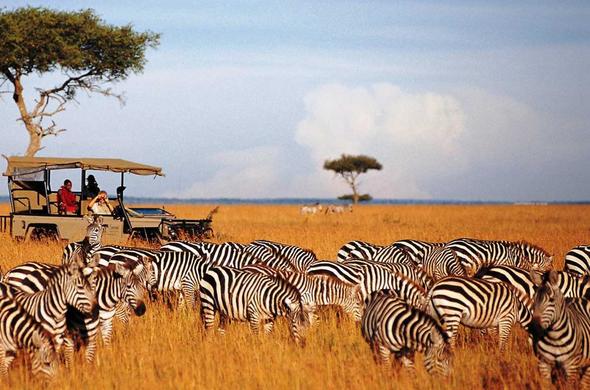
- Landscape: Grassland, sprawling savannahs, “endless plains” (Serengeti means exactly that).
- Weather: Consistent year-round due to the equator. Sunrise/sunset times barely change.
- Best for: Travelers who want classic Out of Africa views — herds of animals stretching to the horizon.
Southern Africa (South Africa & Botswana)
- Landscape: Woodland and bushland. Thicker vegetation makes wildlife spotting more challenging — and more rewarding.
- Weather: Seasonal variation. Shorter, colder days in winter; long, hot summers.
- Best for: Safari-goers who enjoy a detective-like tracking experience.
2. Game Drive Experience: Easy Viewing vs. Active Tracking
East Africa: Low Effort, High Reward
- Open-topped or covered vehicles with one driver-guide.
- Wildlife is plentiful and easy to find.
- You’ll see massive herds of wildebeest, zebra, and gazelle.
- Home to the Great Wildebeest Migration — over 1.5 million animals moving annually from Tanzania’s Serengeti to Kenya’s Masai Mara.
Southern Africa: The Thrill of the Hunt
- Two-person team: driver/guide + tracker who looks for spoor (tracks).
- You play an active role in spotting wildlife.
- Sightings feel exclusive — if you find a leopard, you may be the only vehicle there.
- Mornings start earlier (pre-sunrise) and can be cold enough to see your breath.
3. Wildlife & The Big Five: Where to See Rhinos, Leopards & Elephants
| Animal | East Africa (Kenya/Tanzania) | Southern Africa (SA/Botswana) |
|---|---|---|
| Rhino | Very rare, lucky to see | High chance — largest population in Africa |
| Leopard | Skittish, quick sightings | More habituated, longer viewing |
| Elephant | Present | More abundant — Botswana has the highest population in Africa |
| Lion | Common | Common |
| Buffalo | Common | Common |
4. Accessibility & Infrastructure: Self-Drive vs. Guided Only
Southern Africa (More Accessible)
- Paved roads and better infrastructure.
- You can self-drive in Kruger National Park (like a US or Canadian national park).
- No registered guide required for many parks.
- Ideal for independent travelers or those on a budget.
East Africa (Requires a Guide)
- You must go with a certified safari driver.
- Can’t enter wildlife parks alone.
- Less accessible for self-drivers, but guides offer deep local knowledge.
5. Accommodation Styles: Mobile Tents vs. Cozy Lodges
| East Africa | Southern Africa |
|---|---|
| Mobile tent camps | Safari lodges |
| Open-air canvases | Enclosed rooms |
| Weather-stable (good for canvas) | Air conditioning available |
| Rustic, adventurous feel | Homier, more comfortable |
6. Culture & Guiding: Local Maasai vs. International Guides
East Africa
- Strong locals influence — you may have an indigenous guide or visit an indigenous village.
- 100% local guides in my experience.
- Cultural visits are often part of the itinerary.
Southern Africa
- More international: guides can be South African, Dutch, French, or American.
- Less emphasis on indigenous cultural tours (though they exist).
7. Trip Diversity: Safari-Only vs. Safari + City + Wine + Beach
Southern Africa: Easy to Mix & Match
You can add these to a 7–10 day trip:
- Cape Town (beaches, Table Mountain, penguins at Boulders Beach)
- Shark cage diving
- Wine tours (Stellenbosch, Franschhoek)
- Historical sites & botanical gardens
East Africa: Requires More Time
To add non-safari activities, plan a longer trip:
- Zanzibar or Lamu (beaches)
- Mount Kilimanjaro hike (multi-day)
- Gorilla trekking in Uganda or Rwanda (requires permits and extra days)
8. Similarities: What Both Regions Share
Despite their differences, both East and Southern Africa offer:
- Abundant wildlife and incredible biodiversity
- Life-changing nature experiences
- Warm hospitality and world-class tourism infrastructure
You can’t go wrong with either. The choice comes down to your travel style, budget, and how much time you have.
Final Verdict: Which Safari Is Best for YOU?
| If you want… | Choose… |
|---|---|
| Easy, guaranteed wildlife sightings | East Africa |
| The Great Migration | East Africa |
| Active animal tracking | Southern Africa |
| Exclusive, few-vehicle sightings | Southern Africa |
| Self-driving safari | Southern Africa |
| Rhinos and leopards | Southern Africa |
| Cultural immersion (Maasai) | East Africa |
| A trip that mixes safari with city, wine, and beach | Southern Africa |
| Gorilla trekking | East Africa (Uganda/Rwanda) |
| Shorter trip with lots of variety | Southern Africa |
Need Help Planning Your Safari?
I work with a luxury travel advisor to help design custom safari itineraries. Whether you choose East or Southern Africa, I can help you book the perfect trip.
Ready to start planning? Reach out using the details below.
Frequently Asked Questions (FAQ)
Q: Is East Africa or Southern Africa cheaper?
A: Generally, Southern Africa (especially self-drive in Kruger) can be more budget-friendly. East Africa has higher park fees and mandatory guides.
Q: Which is better for first-time safari-goers?
A: East Africa offers easier wildlife viewing. Southern Africa offers more infrastructure and trip diversity.
Q: When is the best time to go?
A: East Africa: June–October (dry season). Southern Africa: May–September (winter/dry season).
Thank you for reading. Safe travels!