
How Hard Is Gorilla Trekking? Fitness, Difficulty and Whether It Is Worth It
How hard is gorilla trekking, and is it worth the effort and the cost? This guide gives you an honest answer, with advice on fitness, terrain, preparation and who should think twice.
The short answer
Gorilla trekking is a hike, not a stroll. For most people it is moderately hard rather than extreme, but it can be demanding because of steep, muddy ground and altitude. How hard it feels depends mainly on which gorilla family you are assigned and where it spent the night.
What makes it hard?
- Terrain: slopes can be steep, and paths are often narrow, muddy and slippery.
- Altitude: treks take place at roughly 1,500 to 3,000 metres, where the air is thinner and effort feels greater.
- Duration: a trek can last from about an hour to most of the day.
- Vegetation: trackers sometimes cut through thick undergrowth, and you may cross streams.
- Weather: rain is possible all year in the forest.
How fit do you need to be?
You do not need to be an athlete, but a reasonable level of fitness helps. If you can walk for several hours on hilly ground carrying a light daypack, you are likely to cope. Rangers also pace the group and match you to a family, so tell them honestly about your fitness at the briefing.
Which treks are easier?
- Easier: families that stay near the trailhead and sectors with gentler slopes, often assigned to less fit trekkers.
- Harder: families that have moved far or live on steep ground. Nkuringo in Bwindi is known for challenging terrain.
Read our Bwindi gorilla trekking guide to see how the sectors differ.
How to prepare
- Walk and hike in the weeks before you travel, ideally on hills and in the boots you will wear.
- Build leg strength with stairs, squats or cycling.
- Practise with a daypack so you are used to the weight.
- Break in your boots to avoid blisters.
- Pack well: see our packing guide.
Help on the trek
- Porters: you can hire a porter to carry your bag and help you up steep sections. It also supports local families.
- Walking sticks: usually provided at the start.
- Rest stops: your guide can slow the pace and allow breaks.
Who might struggle?
Gorilla trekking can be difficult for people with serious heart, breathing or mobility conditions. If you have any health concern, speak to your doctor before you book, and tell us so we can plan carefully. You must be at least 15, and you cannot trek if you have a contagious illness such as a cold, because gorillas can catch human diseases. Read what to expect on a gorilla trek for the full routine.
Is gorilla trekking worth it?
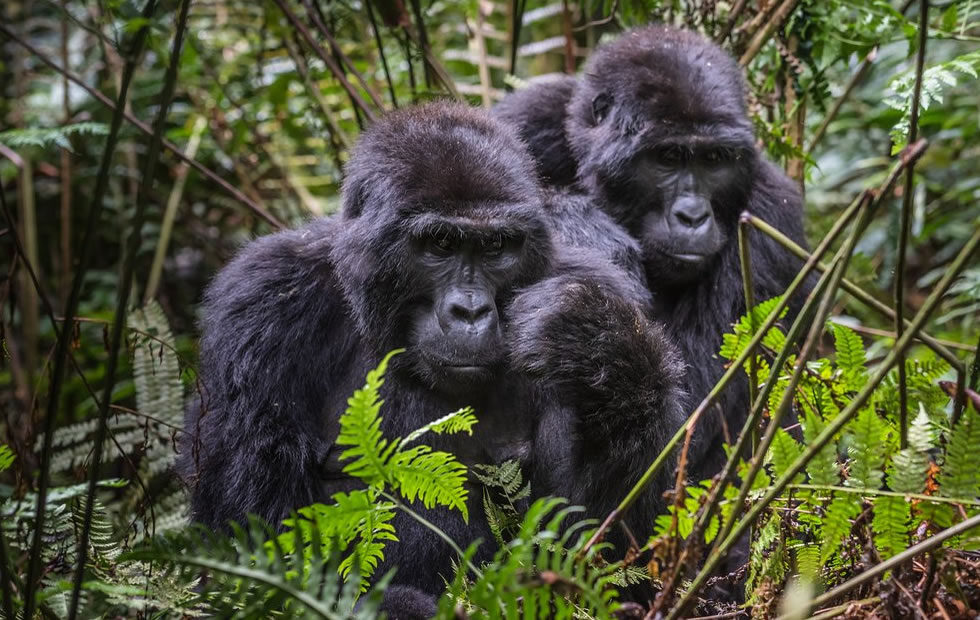
For most travellers, yes. The effort is usually short compared with the reward: an hour a few metres from a wild silverback, a mother and her infant, or a group of playing juveniles. The cost is high, so it helps to know what you are paying for. Read our Uganda gorilla permit cost 2027 and Rwanda gorilla permit cost guides, and see the Uganda Wildlife Authority for official information.
Money from permits supports gorilla protection, anti-poaching work and communities around the parks, so your trek helps keep the gorillas safe.
Plan your trek
Tell us about your fitness and travel dates, and we will choose a sector and a pace that suit you. Request a free quote, or read our Uganda gorilla trekking guide.
Frequently asked questions
Can an older person go gorilla trekking?
Yes, many older travellers trek. There is no upper age limit, but fitness and health matter. A porter and a slower pace can help.
Do I need to train for gorilla trekking?
You do not need to train like an athlete, but walking on hills and building leg strength will make the day more enjoyable.
What if I cannot finish the trek?
Tell your guide. They can adjust the pace, arrange help and make decisions about continuing.
2 thoughts on “How Hard Is Gorilla Trekking? Fitness, Difficulty and Whether It Is Worth It”
Comments are closed.