
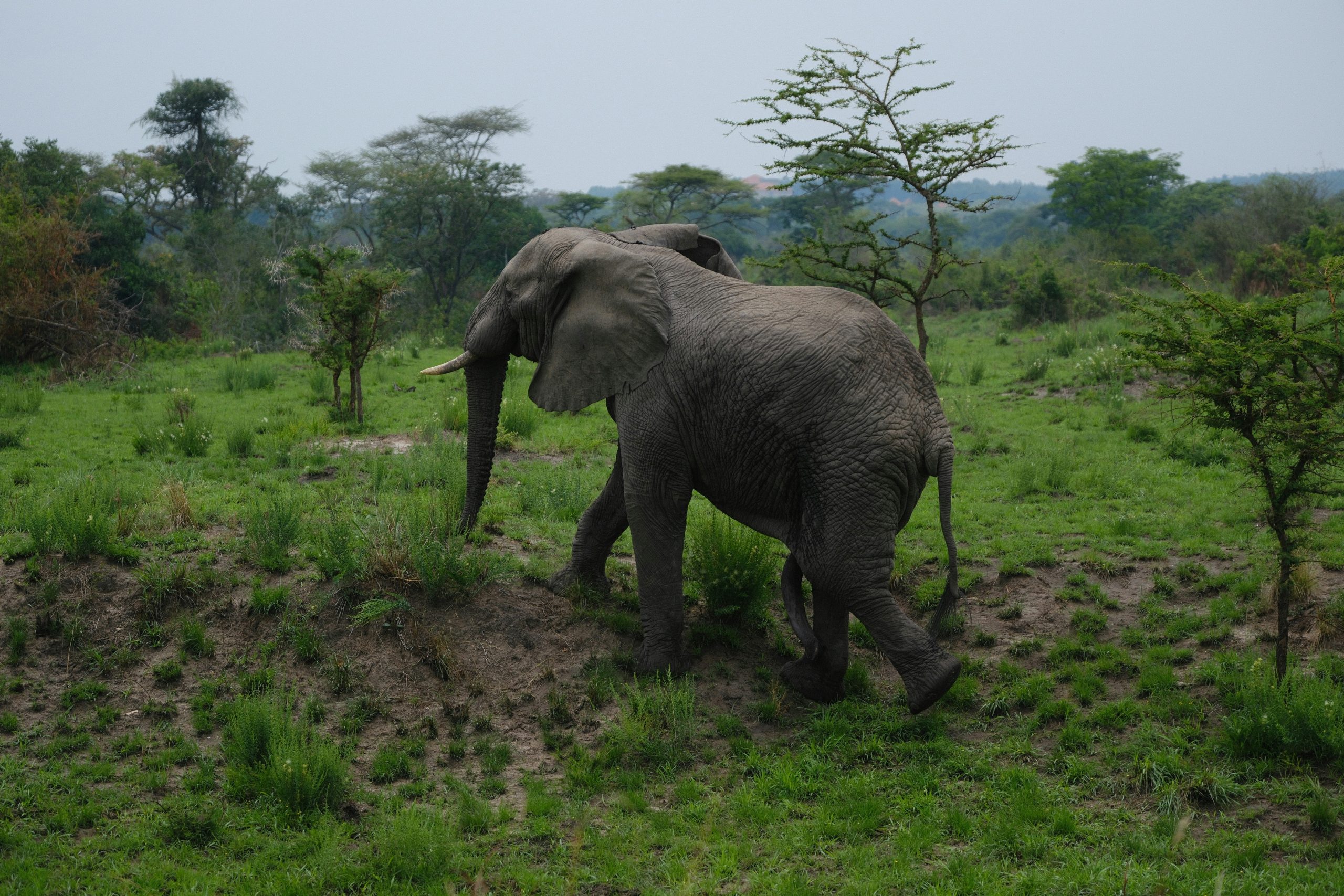
Eco-Tourism in Uganda: Best Sustainable Travel Destinations and Experiences
Uganda is one of Africa’s most rewarding destinations for travellers who want to experience nature while helping protect it. From ancient rainforests and mountain gorillas to peaceful lakes, wetlands and community-run tourism projects, the country offers many opportunities to travel responsibly.
Eco-tourism in Uganda allows visitors to explore beautiful natural places while supporting conservation, local communities and sustainable businesses. It encourages travellers to respect wildlife, reduce environmental impact and make choices that benefit the people who live near tourist destinations.
Whether you are planning a gorilla trekking adventure in Bwindi, a guided forest walk in Kibale, a nature escape in Mabira Forest or a wildlife experience in Lake Mburo, Uganda has sustainable travel experiences worth discovering.
This guide explores some of the best eco-tourism destinations in Uganda, activities to enjoy, and practical ways to make your trip more responsible.
What Is Eco-Tourism?
Eco-tourism is a form of responsible travel that focuses on protecting natural environments, respecting local cultures and supporting communities.
Unlike tourism that focuses only on sightseeing, eco-tourism encourages visitors to understand the places they explore and contribute positively to their protection.
In Uganda, eco-tourism can include:
- Visiting national parks and forest reserves responsibly.
- Supporting community-owned tourism businesses.
- Choosing accommodation that manages waste and water responsibly.
- Taking guided nature walks and birdwatching trips.
- Supporting wildlife conservation projects.
- Buying locally made crafts and products.
- Respecting cultural traditions and community values.
The goal is simple: enjoy Uganda’s natural beauty while helping ensure that future generations can experience it too.
Why Eco-Tourism Is Important in Uganda
Uganda is rich in biodiversity, with tropical rainforests, savannah grasslands, wetlands, lakes and mountain ecosystems. These habitats support a wide variety of wildlife and provide important benefits to people.
Eco-tourism can help protect these natural resources while creating income and employment opportunities.
1. It Supports Wildlife Conservation
Tourism creates economic value for protected areas and gives visitors opportunities to learn about wildlife protection.
Activities such as gorilla trekking, chimpanzee tracking and guided nature walks can help strengthen public appreciation for conservation.
2. It Benefits Local Communities
Communities living near national parks and forests play an important role in protecting natural resources. Tourism can support local employment, accommodation providers, guides, craft makers, farmers and cultural groups.
The Uganda Wildlife Authority also operates a revenue-sharing programme through which 20% of annual park revenue is shared with communities around national parks and wildlife reserves. The programme supports community projects and livelihoods.
3. It Encourages Forest Protection
Uganda’s forests help protect water catchments, support biodiversity and store carbon. Responsible forest tourism can create additional economic reasons to conserve these important ecosystems.
4. It Promotes Cultural Appreciation
Community tourism gives visitors opportunities to learn about local traditions, food, crafts, music and everyday life. When communities lead and benefit from these experiences, tourism can help preserve cultural knowledge.
Best Eco-Tourism Destinations in Uganda
Uganda has several destinations where visitors can enjoy nature while supporting conservation and community-based tourism.
1. Bwindi Impenetrable National Park – Responsible Gorilla Trekking
Bwindi Impenetrable National Park is one of Uganda’s most famous conservation destinations. Its ancient rainforest is internationally recognised for mountain gorilla conservation and offers one of Africa’s most memorable wildlife experiences.
<em>Suggested image: Mountain gorillas in the rainforest of Bwindi Impenetrable National Park.</em>
Eco-Tourism Activities in Bwindi
- Mountain gorilla trekking with authorised guides.
- Guided forest walks.
- Birdwatching.
- Community visits and cultural experiences.
- Nature photography.
- Staying in locally operated accommodation.
Gorilla trekking is a particularly important example of conservation-focused tourism. Visitors must follow strict guidelines to reduce disturbance and protect gorillas from human diseases.
Choose an authorised trekking experience, maintain the required distance from gorillas, avoid visiting when sick and follow your guide’s instructions.
Support Local Communities
Consider staying at a community-based accommodation provider such as Buhoma Community Rest Camp. Established by members of the surrounding community, the enterprise directs its visitor revenue towards local development projects, including education and community initiatives.
Visitors can also support local guides, craft makers, restaurants and cultural groups.
2. Kibale National Park – Chimpanzee Tracking and Forest Conservation
Kibale National Park is a leading destination for primate experiences in Uganda. Its tropical forest provides habitat for chimpanzees and other wildlife, making it an excellent destination for nature lovers.
<em>Suggested image: Chimpanzees resting or moving through Kibale Forest.</em>
Eco-Tourism Activities in Kibale
- Chimpanzee tracking.
- Guided forest walks.
- Birdwatching.
- Nature photography.
- Community visits around the park.
- Learning about primate conservation.
Chimpanzee tracking gives visitors an opportunity to observe these intelligent primates in their natural habitat. It also helps raise awareness of the importance of protecting forest ecosystems.
Choose responsible accommodation and local guides, avoid littering and follow all wildlife viewing rules.
3. Mabira Forest – Nature Walks and Birdwatching
Mabira Forest is one of the most accessible eco-tourism destinations in Uganda. Located along the Kampala–Jinja highway, it offers a convenient escape for visitors travelling between the capital and eastern Uganda.
<em>Suggested image: A green forest trail through Mabira Central Forest Reserve.</em>
The forest is managed as a Central Forest Reserve and is an important habitat for birds, trees, butterflies and other wildlife.
Things to Do in Mabira Forest
- Guided forest walks.
- Birdwatching.
- Mountain biking.
- Primate watching.
- Butterfly identification.
- Camping and picnics at designated sites.
- Environmental education.
Mabira is suitable for day trips, weekend visits and educational excursions.
Visitors can contribute to forest conservation by using authorised trails, respecting wildlife and supporting legitimate local tourism services.
4. Lake Mburo National Park – Wildlife and Responsible Safari Experiences
Lake Mburo National Park is a popular destination for travellers seeking a nature experience without travelling too far from Kampala.
<em>Suggested image: Zebras grazing in the grasslands of Lake Mburo National Park.</em>
The park features open savannah, woodland, wetlands and lakes. It offers a different safari experience from Uganda’s larger wildlife parks.
Eco-Tourism Activities in Lake Mburo
- Guided nature walks.
- Game drives.
- Birdwatching.
- Boat trips on Lake Mburo.
- Horseback wildlife experiences with authorised providers.
- Community visits.
Walking and other guided activities allow visitors to experience the landscape at a slower pace while learning about wildlife and the surrounding ecosystem.
Choose responsible operators, avoid disturbing animals and follow park regulations throughout your visit.
5. Mgahinga Gorilla National Park – Mountain Forests and Cultural Experiences
Mgahinga Gorilla National Park is located in southwestern Uganda within the Virunga mountain region. Its volcanic landscapes, forests and wildlife make it an excellent destination for nature-based tourism.
<em>Suggested image: The forested slopes of the Virunga volcanoes in Mgahinga Gorilla National Park.</em>
Eco-Tourism Activities in Mgahinga
- Mountain gorilla trekking.
- Golden monkey tracking.
- Guided volcano hikes.
- Nature walks.
- Birdwatching.
- Community-led cultural experiences.
Visitors can also learn about the Batwa people’s history and traditional relationship with the forest through appropriately organised cultural experiences.
Choose experiences that are community-led, respectful and transparent about how local participants benefit.
6. Budongo Forest – Chimpanzees and Forest Exploration
Budongo Forest, near Murchison Falls National Park, is an important destination for visitors interested in forest ecosystems and primate conservation.
<em>Suggested image: A chimpanzee in the canopy of Budongo Forest.</em>
The forest provides opportunities for nature-based activities, including:
- Chimpanzee tracking at authorised sites.
- Guided nature walks.
- Birdwatching.
- Forest education.
- Wildlife photography.
Budongo demonstrates how forest conservation and responsible tourism can work together. Visitors should use authorised guides and follow all wildlife protection guidelines.
7. Lake Bunyonyi – Community Tourism and Responsible Lakeside Travel
Lake Bunyonyi is known for its beautiful scenery, green hills and numerous islands. It is a relaxing destination for visitors who want to combine nature with community experiences.
<em>Suggested image: The islands and green hills surrounding Lake Bunyonyi.</em>
Eco-Tourism Activities at Lake Bunyonyi
- Canoeing with responsible local operators.
- Guided community walks.
- Birdwatching.
- Local food experiences.
- Cultural visits.
- Nature photography.
Visitors can support the local economy by choosing locally owned accommodation, hiring community guides and buying products from nearby businesses.
Take care to avoid littering, especially plastics, and respect the lake and its surrounding communities.
8. Queen Elizabeth National Park – Wildlife and Wetland Conservation
Queen Elizabeth National Park is one of Uganda’s best-known wildlife destinations. Its landscapes include savannah, forests, wetlands and lakes.
<em>Suggested image: Wildlife along the Kazinga Channel in Queen Elizabeth National Park.</em>
Eco-Tourism Activities
- Guided game drives.
- Boat cruises on the Kazinga Channel.
- Birdwatching.
- Nature walks in authorised areas.
- Community and cultural experiences.
- Wildlife photography.
The park’s wetlands and water systems are important habitats for many species. Visitors can support conservation by following park rules, avoiding litter and choosing responsible safari operators.
9. Echuya Forest Reserve – Batwa Cultural Experiences and Birdwatching
Echuya Central Forest Reserve, in southwestern Uganda, offers an opportunity to explore forest biodiversity and learn about the cultural heritage of communities in the region.
<em>Suggested image: A forest trail in Echuya Central Forest Reserve.</em>
Activities available through organised forest experiences include:
- Batwa cultural trail experiences.
- Birdwatching.
- Guided nature walks.
- Learning about forest conservation.
- Community-based tourism.
When booking a cultural experience, choose one that is organised with the participation and consent of the Batwa community. Ask how local guides and participants are compensated, and respect photography and cultural boundaries.
10. Semuliki National Park – Unique Forest and Wildlife Experiences
Semuliki National Park is located in western Uganda and protects a lowland tropical forest ecosystem with distinctive biodiversity.
<em>Suggested image: The tropical forest and Sempaya hot springs in Semuliki National Park.</em>
Eco-Tourism Activities in Semuliki
- Guided forest walks.
- Birdwatching.
- Wildlife viewing.
- Visiting the Sempaya hot springs.
- Learning about forest ecosystems.
- Community cultural experiences.
Semuliki is an excellent destination for travellers who want to explore a less conventional side of Uganda’s natural heritage.
Best Eco-Tourism Experiences in Uganda
Beyond visiting particular destinations, travellers can choose activities that make their holidays more sustainable.
1. Gorilla and Chimpanzee Conservation Experiences
Gorilla trekking in Bwindi and Mgahinga, as well as chimpanzee tracking in authorised forests, offers a chance to appreciate Uganda’s primates in their natural habitats.
Always follow the official wildlife guidelines. Do not touch, feed, chase or approach animals outside the permitted viewing conditions.
2. Community-Based Tourism
Community-based tourism gives visitors opportunities to experience local life while supporting residents directly.
Experiences may include:
- Traditional food preparation.
- Guided village walks.
- Local craft demonstrations.
- Music and dance performances.
- Cultural storytelling.
- Community conservation projects.
Ask whether the activity is community-led and how the revenue is shared.
3. Birdwatching and Nature Photography
Uganda is a rewarding destination for birdwatchers and photographers. Forests, wetlands, lakes and savannah habitats offer opportunities to observe a wide variety of birds and other wildlife.
Use experienced local birding guides, avoid disturbing nesting sites and never damage vegetation to obtain a photograph.
4. Staying in Environmentally Responsible Accommodation
Where possible, choose accommodation that demonstrates practical environmental and community commitments.
Look for businesses that:
- Manage waste responsibly.
- Reduce unnecessary single-use plastics.
- Use water and energy efficiently.
- Employ and train local residents.
- Purchase food and supplies locally.
- Support conservation or community projects.
- Explain their environmental practices clearly.
Do not rely on the word “eco” in a lodge’s name alone. Ask what the business actually does to reduce its impact.
5. Forest Walks and Environmental Education
Guided forest walks allow visitors to learn about native trees, birds, insects, medicinal plants and the importance of healthy ecosystems.
Mabira, Budongo, Kibale and Echuya are among the forest destinations worth considering.
How to Choose an Eco-Friendly Lodge in Uganda
Accommodation is an important part of responsible travel. Your choice can influence how much tourism revenue remains in the local area and how tourism affects the surrounding environment.
Before booking, consider the following:
Local employment: Does the property employ people from nearby communities and provide fair working conditions?
Waste management: Does it separate waste, reduce plastic use and dispose of rubbish responsibly?
Water conservation: Does it use water efficiently and avoid polluting nearby rivers, lakes and wetlands?
Energy use: Does it use renewable energy or practical energy-saving measures where possible?
Local sourcing: Does it buy food, crafts and other supplies from nearby businesses?
Conservation support: Does it contribute to credible environmental or community initiatives?
Transparency: Can the property explain its sustainability practices with specific examples?
A smaller locally owned lodge may offer a meaningful community connection, while a larger property may have more resources for environmental management. Evaluate the actual practices rather than assuming that size determines sustainability.
How Tourism Supports Conservation and Local Communities
Responsible tourism can create a positive relationship between visitors, conservation organisations and communities.
Uganda Wildlife Authority’s revenue-sharing programme is one example. The Authority states that 20% of annual park revenue is shared with communities around national parks and wildlife reserves. Funds can support initiatives that improve livelihoods and help reduce human-wildlife conflict.
Community enterprises provide another route for local benefits. Buhoma Community Rest Camp, for example, is a community-based business whose visitor revenue supports local development initiatives.
Travellers can contribute by:
- Hiring local guides.
- Staying at locally owned accommodation.
- Buying authentic local crafts.
- Eating at community restaurants.
- Paying fairly for cultural experiences.
- Supporting credible conservation initiatives.
- Respecting the people and environments they visit.
The best eco-tourism experiences are those where local communities have a meaningful role in planning, delivering and benefiting from tourism.
Practical Tips for Responsible Travel in Uganda
You do not need to make complicated arrangements to travel more responsibly. Small decisions can make a difference.
- Carry a reusable water bottle: Reduce unnecessary single-use plastic where safe refill options are available.
- Avoid littering: Carry your rubbish until you find an appropriate disposal point.
- Respect wildlife: Never feed animals, disturb nests or attempt to attract wildlife for photographs.
- Follow park rules: Use authorised trails and listen to guides and park rangers.
- Support local businesses: Choose local guides, restaurants, accommodation and craft sellers.
- Respect cultural practices: Ask permission before photographing people and follow community guidance.
- Conserve water and electricity: Use resources carefully, especially in remote areas.
- Choose responsible tour operators: Check licences, safety standards and their approach to conservation.
- Avoid wildlife products: Do not buy products made from protected animals or plants.
- Travel thoughtfully: Allow enough time at each destination instead of rushing through several places.
For gorilla and chimpanzee tracking, follow the latest Uganda Wildlife Authority guidance. Visitors who are sick should not enter tracking activities, and wildlife viewing distances and other health precautions must be respected.
Best Time for Eco-Tourism in Uganda
Uganda is a year-round destination, but weather conditions can influence travel experiences.
June to September
These months are generally part of a drier period in many parts of the country. They can be suitable for gorilla trekking, chimpanzee tracking, wildlife viewing and forest walks.
December to February
This is another generally drier period and can be a good time for nature activities and wildlife experiences.
March to May and October to November
These months often bring heavier rainfall in many areas. Forests can be especially lush, but some trails and rural roads may become muddy or difficult to navigate.
Weather patterns vary by region, so check local conditions before travelling. If you are visiting for a particular activity, confirm availability and access arrangements with the relevant park authority or tour operator.
Sample 7-Day Eco-Tourism Itinerary in Uganda
A week in Uganda can combine forest conservation, community tourism and wildlife experiences.
Day 1: Kampala to Mabira Forest
Travel towards Mabira and enjoy a guided forest walk, birdwatching and an introduction to forest conservation.
Day 2: Mabira Forest to Lake Mburo
Travel to Lake Mburo National Park and settle into locally operated or environmentally responsible accommodation.
Day 3: Lake Mburo National Park
Enjoy a guided nature walk, wildlife viewing or a boat experience, depending on availability and park regulations.
Day 4: Travel to Bwindi
Continue to Bwindi Impenetrable National Park, allowing time for the journey and a relaxed evening.
Day 5: Gorilla Trekking and Community Experience
Take part in an authorised gorilla trekking experience. If time and local arrangements allow, visit a community tourism enterprise.
Day 6: Bwindi Forest and Community Activities
Enjoy a guided nature walk, birdwatching or a community-led cultural activity.
Day 7: Return Journey
Travel back towards Kampala or Entebbe, depending on your departure arrangements.
This itinerary involves considerable road travel. For a more relaxed holiday, consider focusing on two or three destinations rather than trying to cover the whole country in one week.
Challenges Facing Eco-Tourism in Uganda
Although Uganda has significant potential for sustainable tourism, several challenges require continued attention.
Deforestation and Habitat Loss
Forest degradation and pressure on natural resources can threaten wildlife habitats. Conservation efforts, responsible land management and community participation are important for protecting these ecosystems.
Human-Wildlife Conflict
Communities living near protected areas may experience crop damage and other challenges caused by wildlife. Tourism benefits, conservation education and practical conflict-reduction measures can help strengthen relationships between communities and protected-area managers.
Waste and Plastic Pollution
Poor waste disposal can affect forests, lakes, rivers and wildlife. Tourism businesses and visitors need to reduce waste and use appropriate disposal systems.
Infrastructure and Accessibility
Some nature destinations have challenging roads, limited facilities and inadequate visitor infrastructure. Sustainable investment should improve visitor access without damaging the ecosystems that make these places special.
Ensuring Communities Benefit
Tourism should provide meaningful opportunities for local people. Fair employment, community participation, transparent revenue sharing and support for local enterprises are essential.
The Future of Eco-Tourism in Uganda
Uganda has an opportunity to strengthen its position as a leading sustainable tourism destination in Africa.
Investment in community-based tourism, forest conservation, responsible accommodation, wildlife protection and environmental education can help create a tourism sector that benefits both people and nature.
Visitors also have a role to play. By choosing responsible operators, respecting wildlife and supporting local businesses, travellers can help make tourism a positive force for conservation.
Frequently Asked Questions About Eco-Tourism in Uganda
1. What is eco-tourism in Uganda?
Eco-tourism in Uganda is responsible travel that focuses on protecting natural environments, supporting local communities and respecting cultural heritage. Examples include gorilla trekking, forest walks, birdwatching and community-based tourism.
2. What are the best eco-tourism destinations in Uganda?
Some of the best destinations include Bwindi Impenetrable National Park, Kibale National Park, Mabira Forest, Lake Mburo National Park, Mgahinga Gorilla National Park, Budongo Forest and Lake Bunyonyi.
3. How does eco-tourism help local communities?
Eco-tourism creates opportunities for local employment and supports accommodation providers, guides, restaurants, craft makers and cultural tourism groups. Uganda also has a wildlife revenue-sharing programme that directs a portion of park revenue to surrounding communities.
4. Where can I go for sustainable gorilla trekking in Uganda?
Bwindi Impenetrable National Park and Mgahinga Gorilla National Park are Uganda’s mountain gorilla trekking destinations. Visitors should book authorised experiences and follow Uganda Wildlife Authority guidelines.
5. Can I enjoy eco-tourism in Uganda on a budget?
Yes. Visitors can explore destinations such as Mabira Forest, choose locally owned accommodation, take guided nature walks and support community tourism businesses. Check current activity fees and transport costs before travelling.
6. What is the best time for eco-tourism in Uganda?
June to September and December to February are generally drier periods in many regions. However, Uganda offers nature experiences throughout the year, and the best time depends on the destination and activity.
7. How can tourists travel responsibly in Uganda?
Visitors can reduce plastic waste, avoid littering, respect wildlife, hire local guides, support community businesses, conserve water and electricity, and follow park regulations.
8. What is the difference between eco-tourism and ordinary tourism?
Eco-tourism places a stronger emphasis on environmental protection, cultural respect and community benefits. It encourages visitors and tourism businesses to reduce negative impacts and support the long-term wellbeing of destinations.
Conclusion: Explore Uganda While Protecting Its Natural Heritage
Eco-tourism in Uganda offers a meaningful way to discover the country’s forests, wildlife, lakes and cultural heritage. From gorilla trekking in Bwindi to chimpanzee tracking in Kibale, forest walks in Mabira and community experiences around Lake Bunyonyi, there are many ways to enjoy nature responsibly.
Sustainable travel is about more than visiting beautiful places. It is about making choices that respect the environment and create opportunities for local communities.
When planning your next Uganda holiday, consider choosing responsible accommodation, supporting local guides and following conservation guidelines. Your journey can become part of a wider effort to protect Uganda’s natural heritage for generations to come.
- Uganda Wildlife Authority – National parks, wildlife conservation and visitor guidance.
- Uganda Tourism Board – Tourism information and industry resources.
- Ministry of Tourism, Wildlife and Antiquities – Uganda’s tourism policies and official information.
- Forestry Services – Information and booking options for visiting Central Forest Reserves.