9-Day Tanzania Calving Season and Ngorongoro Safari: Witness the Great Wildebeest Migration
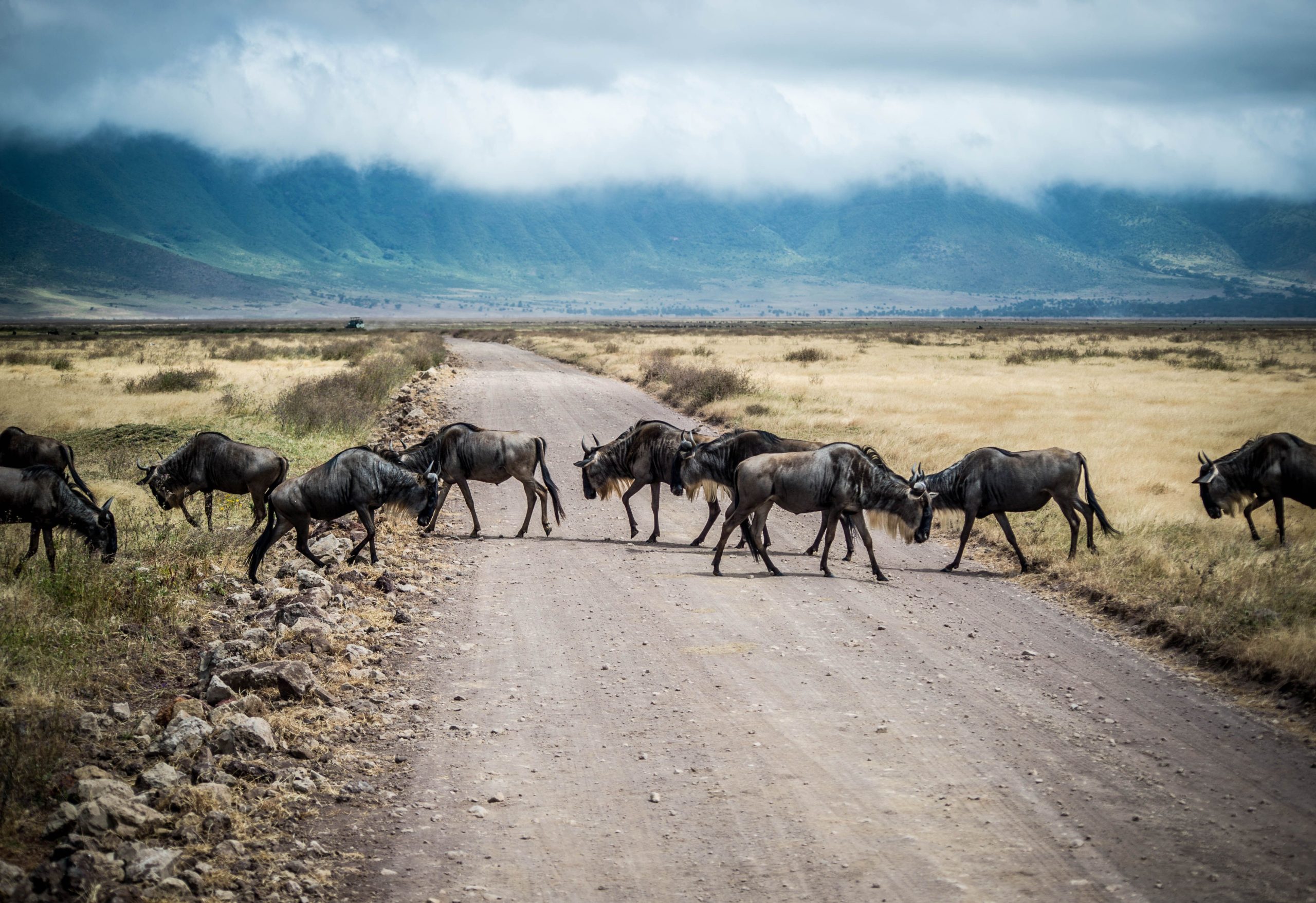
Every year, the southern plains of Tanzania become the setting for one of Africa’s most extraordinary wildlife spectacles. Thousands of wildebeest gather across the grasslands of the Serengeti ecosystem, giving birth to their young as predators patrol the surrounding plains.
This is the famous wildebeest calving season, a remarkable period when the African wilderness comes alive with newborn animals, vast grazing herds and dramatic predator-prey interactions.
A 9-day Tanzania Calving Season and Ngorongoro Safari offers an opportunity to experience this extraordinary natural event while exploring some of northern Tanzania’s most celebrated wildlife destinations.
The journey takes you through Tarangire National Park, the southern Serengeti and Ndutu plains, the Ngorongoro highlands and the magnificent Ngorongoro Crater.
During the calving season, Ndutu becomes one of Tanzania’s most rewarding wildlife-viewing areas. Visitors may encounter newborn wildebeest, large herds of zebras and gazelles, lions, cheetahs, hyenas and other predators attracted by the abundance of young animals.
The safari also includes an exciting game drive inside the Ngorongoro Crater, one of Africa’s most remarkable natural wildlife environments.
Organised by Kuku Safaris, this journey is ideal for travellers interested in wildlife photography, the Great Migration, predator behaviour and the extraordinary natural rhythms of the African wilderness.
Whether you are planning a photography safari, a wildlife holiday or a once-in-a-lifetime African adventure, this itinerary offers an excellent opportunity to discover Tanzania during one of its most fascinating wildlife seasons.
Tanzania Calving Season and Ngorongoro Safari Overview
Duration: 9 days and 8 nights
Country: Tanzania
Main destinations: Arusha, Tarangire National Park, Ndutu, southern Serengeti, Ngorongoro Conservation Area and Ngorongoro Crater
Safari style: Private guided safari
Main activities: Wildebeest calving season game drives, predator viewing, wildlife photography, Ngorongoro Crater safari and optional cultural or archaeological visits
Wildlife highlights: Wildebeest, newborn calves, zebras, gazelles, lions, cheetahs, leopards, hyenas, elephants, buffaloes, black rhinoceroses and numerous bird species
Ideal for: Wildlife photographers, nature lovers, couples, families, safari enthusiasts and travellers interested in the Great Migration
What Is the Great Wildebeest Calving Season?
The Great Migration is an extraordinary annual movement of wildebeest, zebras and other grazing animals across the Serengeti–Mara ecosystem.
The animals move in search of fresh grass and water, following seasonal rainfall patterns across Tanzania and Kenya.
During the calving season, enormous herds gather on the short-grass plains of the southern Serengeti and the Ndutu area.
Many wildebeest give birth within a relatively concentrated period, creating an opportunity to witness newborn calves taking their first steps, feeding beside their mothers and joining the moving herds.
The abundance of young animals also attracts predators.
Lions, cheetahs, hyenas and other carnivores patrol the grasslands, creating fascinating wildlife encounters and opportunities for wildlife photography.
The calving season is particularly associated with January and February, with timing and local concentrations varying between years. <Cite refs={[“turn472935view0″,”turn324068search12″,”turn324068search8”]}/>
Why Choose a Tanzania Calving Season and Ngorongoro Safari?
This safari combines the excitement of the Great Migration with the diverse wildlife and landscapes of northern Tanzania.
1. Witness the Wildebeest Calving Season in Ndutu
Ndutu is one of the most important seasonal wildlife destinations in the southern Serengeti ecosystem.
During the calving period, the surrounding short-grass plains provide fresh grazing for enormous herds of wildebeest.
Visitors may encounter newborn calves, protective mothers, large zebra herds and predators searching for opportunities.
The experience provides a fascinating insight into the natural survival cycle of the African savannah.
2. Photograph Lions, Cheetahs and Other Predators
The abundance of grazing animals attracts predators to the Ndutu plains.
Travellers may encounter lions resting in the grass, cheetahs scanning the open landscape, spotted hyenas moving through the plains and jackals searching for opportunities.
For photographers, this period can provide interesting opportunities to observe predator behaviour, animal interactions and the relationship between newborn calves and the wider ecosystem.
Wildlife encounters are unpredictable, however, and no particular hunt or predator interaction can be guaranteed.
3. Explore the Ngorongoro Conservation Area
The Ngorongoro Conservation Area offers a spectacular combination of wildlife habitats, volcanic landscapes and cultural heritage.
It includes highland plains, woodland, forests and the famous Ngorongoro Crater.
The region is also associated with important archaeological discoveries, including Olduvai Gorge, which has contributed greatly to the understanding of human evolution.
4. Enjoy a Ngorongoro Crater Game Drive
The Ngorongoro Crater is one of Tanzania’s most remarkable wildlife destinations.
Its crater floor supports large populations of grazing animals and predators, making it an excellent area for wildlife observation throughout the year.
During your safari, you may encounter lions, elephants, buffaloes, zebras, wildebeest, hippos and, with luck, the endangered black rhinoceros.
5. Discover Tarangire National Park
Tarangire adds another interesting wildlife environment to the journey.
The park is famous for large elephant herds, distinctive baobab trees, grasslands and river habitats.
Although Tarangire’s wildlife concentrations are often particularly impressive in the dry season, the park remains a rewarding destination to explore during the wetter months.
6. Enjoy a Private Safari Designed Around Wildlife Viewing
The calving season is particularly rewarding when travellers have enough time to explore the plains.
This itinerary includes several nights in Ndutu, allowing your guide to visit different wildlife areas and follow recent herd movements rather than relying on a single game drive.
A private safari vehicle also offers flexibility over game-drive times, photography stops and the areas explored.
Detailed 9-Day Tanzania Calving Season and Ngorongoro Safari Itinerary
Day 1: Arrival in Arusha – Welcome to Tanzania
Your Tanzania adventure begins at Kilimanjaro International Airport.
Upon arrival, a representative from Kuku Safaris will welcome you and arrange your transfer to a hotel or lodge in Arusha.
Arusha is an important safari gateway for northern Tanzania and offers beautiful views of the surrounding highlands and Mount Meru region.
After checking in, spend the rest of the day relaxing following your international journey.
Depending on your arrival time, you may enjoy a short city excursion, visit a local craft market or simply relax at your accommodation.
In the evening, meet your safari guide for a briefing about the journey ahead.
Your guide will explain the expected route, wildlife-viewing activities and the seasonal focus of the Ndutu calving experience.
Enjoy dinner and an overnight stay in Arusha.
Accommodation: Hotel or lodge in Arusha
Meals: Dinner, depending on arrival time
Main highlights: Airport welcome, Arusha introduction and safari briefing
Day 2: Arusha to Tarangire National Park – Discover the Land of Giants
After breakfast, depart Arusha and travel towards Tarangire National Park.
Tarangire is famous for its ancient baobab trees, large elephant herds and diverse savannah habitats.
Upon arrival, begin your first game drive.
The park’s varied environment includes open grasslands, woodland, seasonal swamps and river valleys.
Look out for elephants moving through the vegetation, giraffes feeding on acacia trees, zebras grazing across the plains and buffaloes gathering near water sources.
Predators such as lions and leopards also inhabit the park, although sightings depend on wildlife movements and environmental conditions.
Enjoy a picnic lunch at an authorised location during your game drive.
In the afternoon, continue exploring Tarangire before departing for your lodge in the Karatu or Ngorongoro highlands area.
Arrive in the evening for dinner and relaxation.
Accommodation: Lodge near Karatu or the Ngorongoro highlands
Meals: Breakfast, picnic lunch and dinner
Main highlights: Tarangire elephants, baobab trees and savannah wildlife
Day 3: Karatu to Ndutu – Enter the Southern Serengeti Calving Grounds
After breakfast, begin your journey towards Ndutu, one of the major destinations for the wildebeest calving season.
The route passes through the scenic Ngorongoro highlands before opening into the expansive plains of the southern Serengeti ecosystem.
As you approach Ndutu, the landscape becomes increasingly open, with short grasslands, seasonal lakes, woodland and acacia trees.
These areas are important feeding and calving grounds for migratory wildebeest.
Depending on the season and current wildlife movements, you may encounter large herds of wildebeest and zebras along the way.
After entering the appropriate wildlife area, enjoy game viewing as you proceed towards your camp.
The guide will look for recent herd activity and may explore suitable plains, water sources and woodland areas.
Arrive at your camp in the afternoon, check in and enjoy the natural surroundings.
Spend the evening relaxing beneath the African sky and preparing for the following days of wildlife exploration.
Accommodation: Safari camp or tented camp in the Ndutu area
Meals: Breakfast, lunch and dinner
Main highlights: Scenic highlands, southern Serengeti landscapes, migration herds and arrival in Ndutu
Day 4: Full-Day Ndutu Safari – Witness the Wildebeest Calving Season
Today is dedicated to exploring the Ndutu plains during the calving season.
After an early breakfast, depart for a full-day game drive with your experienced safari guide.
The southern Serengeti and Ndutu areas are known for large concentrations of wildebeest during the calving season.
You may see mothers giving birth, newborn calves taking their first steps and young animals staying close to their protective mothers.
The grasslands can support enormous grazing herds, with zebras and gazelles sharing the environment.
Your guide will explore areas where wildlife activity has recently been reported, looking for opportunities to observe animal behaviour.
Predators are also an important part of the Ndutu experience.
Lions, cheetahs, spotted hyenas and jackals may be encountered moving through the grasslands or resting near areas where herds are gathered.
Enjoy a picnic lunch in the wilderness before continuing your wildlife exploration.
Return to your tented camp in the evening for dinner.
Accommodation: Safari camp or tented camp in the Ndutu area
Meals: Breakfast, picnic lunch and dinner
Main highlights: Newborn wildebeest, grazing herds, predator searches and wildlife photography
Day 5: Ndutu Calving Season Safari – Search for Predators and Newborn Calves
Wake up early for another exciting day exploring the Ndutu plains.
The morning is an excellent opportunity to observe the landscape as wildlife becomes active during the cooler hours.
Your guide will search for areas with recent migration activity and explore the plains, lakes and surrounding woodland habitats.
Look out for newborn wildebeest calves moving with their mothers, large herds of zebras and gazelles feeding across the grasslands, and predators searching for opportunities.
Ndutu is particularly interesting for travellers who enjoy observing natural animal behaviour.
You may encounter lions resting after a hunt, cheetahs scanning the open plains or hyenas moving through areas where large herds are grazing.
Depending on your interests and the wildlife conditions, your guide may also focus on birdwatching, landscapes or wildlife photography.
Enjoy a picnic lunch during the day’s game drive before returning to camp in the evening.
Accommodation: Safari camp or tented camp in the Ndutu area
Meals: Breakfast, picnic lunch and dinner
Main highlights: Calving season wildlife, big cats, predator-prey behaviour and photography
Day 6: Ndutu and Southern Serengeti – Explore More of the Migration Ecosystem
Today offers another full day to explore the Ndutu and surrounding southern Serengeti wildlife areas.
Having several days in the region gives your guide flexibility to search different areas according to current wildlife reports.
The Great Migration does not follow a fixed daily schedule, and the size and location of the herds can change with rainfall and grazing conditions.
Your guide will therefore select the most promising areas rather than following a rigid route.
During the game drive, you may encounter large groups of wildebeest, newborn calves, zebras, gazelles, lions, cheetahs, hyenas and other wildlife.
If conditions are suitable, your guide may explore areas around Lake Ndutu or Lake Masek, where wildlife activity can be interesting.
These lakes and surrounding woodlands are important parts of the wider migration landscape.
Enjoy a picnic lunch before continuing your safari.
Return to camp in the evening for dinner and an overnight stay.
Accommodation: Safari camp or tented camp in the Ndutu area
Meals: Breakfast, picnic lunch and dinner
Main highlights: Additional migration exploration, Ndutu landscapes, wildlife photography and predator viewing
Day 7: Ndutu to Karatu – Explore the Ngorongoro Highlands and Olduvai Gorge
After breakfast, depart Ndutu and travel towards Karatu through the Ngorongoro Conservation Area.
The journey offers an opportunity to enjoy different landscapes, including grasslands, volcanic highlands and scenic woodland.
Depending on your route and schedule, an optional visit to Olduvai Gorge can be arranged.
Olduvai Gorge is one of the most important archaeological destinations associated with the study of human evolution.
The area has produced significant fossil and archaeological discoveries, providing valuable insight into human origins and early technological development.
A guided visit, where available, offers an interesting cultural and historical dimension to the safari.
After the excursion, continue towards Karatu and check into your lodge.
Spend the remainder of the afternoon relaxing and enjoying the surrounding highland scenery.
Your guide will brief you about the following day’s Ngorongoro Crater safari.
Accommodation: Lodge in Karatu or the Ngorongoro highlands
Meals: Breakfast, lunch and dinner
Main highlights: Scenic transfer, Ngorongoro highlands and optional Olduvai Gorge experience
Day 8: Ngorongoro Crater Safari – Discover Africa’s Natural Wildlife Sanctuary
Today is one of the major highlights of your Tanzania safari.
After an early breakfast, depart for the magnificent Ngorongoro Crater.
Descend into the crater for a memorable game drive across its diverse natural habitats.
The crater floor includes open grasslands, woodland, wetlands and a seasonal lake, creating a rich environment for wildlife.
Look out for:
- Lions resting or moving across the grasslands
- African elephants, particularly in suitable woodland habitats
- Buffaloes grazing across the crater floor
- Zebras and wildebeest moving in herds
- Hippos around water habitats
- Hyenas and other predators
- The endangered black rhinoceros, if conditions allow
The Ngorongoro Crater offers some of Tanzania’s most rewarding opportunities to search for the Big Five within a relatively compact wildlife environment.
Enjoy a picnic lunch at an authorised location during your safari.
In the afternoon, ascend the crater walls and continue towards Arusha.
Arrive at your hotel in the evening for dinner and your final overnight stay.
Accommodation: Hotel or lodge in Arusha
Meals: Breakfast, picnic lunch and dinner
Main highlights: Ngorongoro Crater game drive, Big Five wildlife search and scenic crater landscapes
Day 9: Arusha to Kilimanjaro International Airport – Departure
After breakfast, prepare for your transfer to Kilimanjaro International Airport for your onward international flight.
Depending on your departure time, you may enjoy a relaxed morning in Arusha before leaving for the airport.
Your Kuku Safaris representative will arrange the transfer according to your confirmed flight schedule.
As your Tanzania safari comes to an end, take home unforgettable memories of the wildebeest calving season in Ndutu, the beautiful southern Serengeti landscapes, the wildlife of Tarangire and the remarkable Ngorongoro Crater.
Meals: Breakfast, depending on departure time
Main highlights: Final transfer and departure from Tanzania
Best Time to Visit Tanzania for the Wildebeest Calving Season
Timing is one of the most important factors when planning a Tanzania calving season safari.
The southern Serengeti and Ndutu region are especially attractive during the months when large wildebeest herds gather to give birth.
Late January to February: Main Calving Season Period
This is the principal period associated with the wildebeest calving experience.
Large herds generally gather across the short-grass plains of the southern Serengeti and Ndutu region.
Travellers may encounter newborn calves, grazing herds and predators attracted by the abundance of young animals.
Tanzania National Parks identifies January and February as the calving season period in Serengeti National Park. <Cite refs={[“turn472935view0”]}/>
Early March: Possible Continued Calving Activity
Depending on rainfall and herd movements, some calving-related wildlife activity may continue into early March.
The exact location of the herds can change, so accommodation and safari arrangements should be planned using recent local information.
December: Herds Begin Gathering in the Southern Plains
As the seasonal cycle progresses, herds generally move towards the southern plains.
December can offer opportunities to encounter large groups of wildebeest and zebras, although the main concentration of calving is usually later.
November: Seasonal Transition
Rainfall patterns begin influencing the movement of the herds towards the southern Serengeti ecosystem.
Travellers may encounter changing migration patterns, but this is generally not the peak calving period.
Travel recommendation: For travellers whose main priority is witnessing the calving season, late January and February are strong periods to consider. Early March can also be an option, subject to the actual movement of the herds.
There is no guaranteed calving date or fixed migration schedule. The itinerary should always be planned around updated wildlife reports and suitable accommodation availability.
Why Is Ndutu Important During the Calving Season?
Ndutu is an important part of the southern Serengeti ecosystem and the wider Ngorongoro Conservation Area landscape.
Its short-grass plains provide valuable grazing for large wildebeest herds during the calving season.
The surrounding lakes, woodland and open grasslands create a diverse habitat for herbivores and predators.
The region is also part of an internationally recognised migration landscape. UNESCO identifies the short-grass plains spanning the Serengeti National Park and Ngorongoro Conservation Area boundary as an important wildebeest calving area. <Cite refs={[“turn472935view3”]}/>
Depending on rainfall and vegetation conditions, visitors may encounter:
- Large concentrations of wildebeest
- Newborn wildebeest calves
- Zebra herds
- Thomson’s gazelles
- Grant’s gazelles
- Lions
- Cheetahs
- Spotted hyenas
- Jackals
- Numerous bird species
The diversity of wildlife makes Ndutu particularly attractive for wildlife enthusiasts and photographers.
What Wildlife Can You See During This Tanzania Safari?
The itinerary combines several different wildlife environments.
Wildebeest
The wildebeest are the main attraction during the calving season.
Visitors may observe enormous herds grazing across the plains, giving birth and moving between feeding areas.
Newborn Calves
The calving season offers opportunities to observe newborn wildebeest taking their first steps and feeding beside their mothers.
These experiences are particularly rewarding for wildlife photographers.
Lions
Lions are among the predators frequently encountered in the Serengeti ecosystem.
They may be seen resting, hunting or moving through areas where large herbivore herds are concentrated.
Cheetahs
The open plains around Ndutu provide suitable habitats for cheetahs, which hunt smaller and medium-sized grazing animals.
Spotted Hyenas
Hyenas are an important part of the ecosystem and are often encountered around areas where large herds gather.
African Elephants
Elephants may be encountered in suitable woodland and grassland habitats throughout the northern Tanzania safari circuit.
Black Rhinoceroses
The Ngorongoro Crater offers opportunities to search for the endangered black rhinoceros.
Other Wildlife
You may also encounter:
- Zebras
- Thomson’s gazelles
- Grant’s gazelles
- Buffaloes
- Giraffes
- Hippos
- Warthogs
- Jackals
- Numerous bird species
Wildlife sightings depend on animal movements and environmental conditions. Particular predator interactions and newborn animal sightings cannot be guaranteed.
What Is Included in the Tanzania Calving Season and Ngorongoro Safari?
The package can be customised according to accommodation category, travel dates, group size and selected activities.
Typical inclusions may include:
- Airport transfers as specified in the itinerary
- Accommodation for eight nights
- Meals as outlined in the itinerary
- Private 4×4 safari vehicle with pop-up roof
- Professional English-speaking driver-guide
- Fuel and scheduled ground transportation
- Tarangire National Park game drive
- Serengeti or Ndutu area game drives
- Ngorongoro Crater game drive
- Applicable park and conservation fees specified in the quotation
- Picnic lunches during scheduled full-day game drives
- Optional Olduvai Gorge excursion where included
- Bottled drinking water during scheduled safari activities
What Is Not Included?
Unless specifically stated in the final quotation, the following are normally excluded:
- International flights
- Tanzania visa and immigration charges
- Travel insurance
- Personal expenses
- Tips and gratuities
- Alcoholic and premium beverages
- Optional Olduvai Gorge entrance or museum costs, where not included
- Optional hot-air balloon safari
- Additional accommodation before or after the itinerary
- Any service not expressly listed in the confirmed quotation
What Should You Pack for a Tanzania Calving Season Safari?
The calving season takes place during the greener period of the southern Serengeti, so travellers should be prepared for changing weather and sometimes wet road conditions.
Recommended items include:
- Lightweight neutral-coloured safari clothing
- Long-sleeved shirts and comfortable trousers
- Warm jacket or fleece for early morning game drives
- Comfortable closed shoes
- Waterproof jacket or rain poncho
- Wide-brimmed hat
- Sunglasses
- Sunscreen
- Insect repellent
- Binoculars
- Camera with spare batteries and memory cards
- Small daypack
- Reusable water bottle
- Personal medication and basic toiletries
Wildlife photographers may also wish to bring telephoto lenses, spare camera batteries and sufficient memory cards.
Why Book Your Tanzania Calving Season Safari with Kuku Safaris?
A successful calving season safari requires more than booking a vehicle and selecting a lodge.
The location of the migration herds changes with seasonal rainfall and grazing conditions. Accommodation must therefore be selected according to the expected wildlife movements and the relevant park or conservation area.
Kuku Safaris can help coordinate these arrangements, including selecting suitable accommodation, organising private game drives and planning the route around the seasonal calving experience.
The itinerary can be customised with budget, midrange or luxury camps, according to your preferred comfort level and travel dates.
Whether you are interested in wildlife photography, observing newborn animals, searching for predators or exploring the Ngorongoro Crater, Kuku Safaris can help create a memorable Tanzanian safari.
Frequently Asked Questions About Tanzania Calving Season and Ngorongoro Safaris
1. When is the Great Wildebeest Calving Season in Tanzania?
The main calving season is generally associated with late January and February in the southern Serengeti and Ndutu plains. Some activity can continue into early March depending on environmental conditions.
2. Where is the best place to see the wildebeest calving season?
The southern Serengeti and Ndutu region are among the most important locations for experiencing the calving season.
3. How many days do I need for a Tanzania calving season safari?
Seven to ten days is a suitable duration. Nine days allow travellers to explore Ndutu over several days while also visiting Tarangire and the Ngorongoro Crater.
4. Can I see newborn wildebeest calves during this safari?
Yes, particularly when travelling during the main calving period. However, the timing of individual births and their visibility cannot be guaranteed.
5. Are there predators during the calving season?
Yes. Lions, cheetahs, hyenas and other predators inhabit the southern Serengeti ecosystem. The concentration of newborn wildebeest can create interesting predator-viewing opportunities.
6. Is February the best month to visit Ndutu?
February is generally one of the most important months for the calving season. Late January and early March can also offer rewarding wildlife encounters depending on rainfall and herd movement.
7. Can I see the Big Five in Ngorongoro Crater?
The Ngorongoro Crater offers opportunities to search for lions, leopards, elephants, buffaloes and black rhinoceroses. Sightings of all five animals during one game drive are not guaranteed.
8. What is the difference between Ndutu and the Ngorongoro Crater?
Ndutu is an important seasonal calving area within the wider southern Serengeti and Ngorongoro landscape. The Ngorongoro Crater is a volcanic caldera with its own rich wildlife environment and offers rewarding game viewing throughout the year.
9. Can I visit Tarangire during the calving season?
Yes. Tarangire can be included as part of a northern Tanzania safari. However, wildlife concentrations are often particularly impressive during the dry season, so the Ndutu and Ngorongoro experiences should remain the main priorities for a calving-focused trip.
10. Is this safari suitable for wildlife photographers?
Yes. The calving season provides interesting photographic opportunities involving newborn animals, large herds, predator behaviour and dramatic savannah landscapes.
11. Can the itinerary be customised?
Yes. Kuku Safaris can adjust the accommodation, number of nights in Ndutu, game-drive schedule and additional destinations according to your interests and budget.
Book Your Tanzania Calving Season and Ngorongoro Safari with Kuku Safaris
The wildebeest calving season is one of Tanzania’s most fascinating wildlife experiences.
From observing newborn calves on the Ndutu plains to searching for lions and cheetahs across the southern Serengeti, this safari offers an opportunity to witness the extraordinary rhythms of the African wilderness.
Add a game drive through Tarangire National Park and a visit to the magnificent Ngorongoro Crater, and you have a journey that combines seasonal wildlife spectacles with some of northern Tanzania’s most remarkable landscapes.
Whether you are planning a photography safari, a wildlife adventure or an unforgettable African holiday, Kuku Safaris can help you create an experience tailored to your interests.
Start planning your Tanzania Calving Season and Ngorongoro Safari with Kuku Safaris today.
Contact our team to request a customised quotation, check accommodation availability in Ndutu and begin planning your journey during the wildebeest calving season.
3 thoughts on “9-Day Tanzania Calving Season and Ngorongoro Safari: Witness the Great Wildebeest Migration”
Comments are closed.