
Tanzania Usambara Mountains, Lushoto & Mkomazi Safari – 9 Days
Introduction: Discover Tanzania’s Mountains, Culture and Wildlife
Explore the beautiful landscapes of northeastern Tanzania on this 9-day Usambara Mountains, Lushoto and Mkomazi Safari with Kuku Safaris.
This journey combines the natural beauty of the West Usambara Mountains with the wildlife attractions of Mkomazi National Park, creating an exciting holiday that blends hiking, cultural discovery and traditional African safari experiences.
The adventure begins near Kilimanjaro before travelling to Mkomazi National Park, a fascinating wilderness located between the Pare and Usambara mountain ranges.
Mkomazi is known for its open savannah, acacia woodland, spectacular mountain scenery and important conservation programmes protecting endangered black rhinos and African wild dogs.
From Mkomazi, continue to Lushoto, the gateway to the West Usambara Mountains. This beautiful highland region is known for its fertile valleys, forest reserves, traditional villages, waterfalls and panoramic viewpoints.
Explore the famous Irente Viewpoint, walk through Magamba Nature Forest Reserve, discover the region’s cultural heritage and enjoy views across the Maasai Steppe.
Unlike a conventional Tanzania safari, this itinerary gives travellers an opportunity to appreciate both the country’s wildlife and its highland communities.
Whether you are a hiking enthusiast, wildlife photographer, birdwatcher, couple or traveller interested in cultural experiences, this safari offers a distinctive introduction to northeastern Tanzania.
Tour Highlights
- Explore Mkomazi National Park’s wildlife and savannah landscapes.
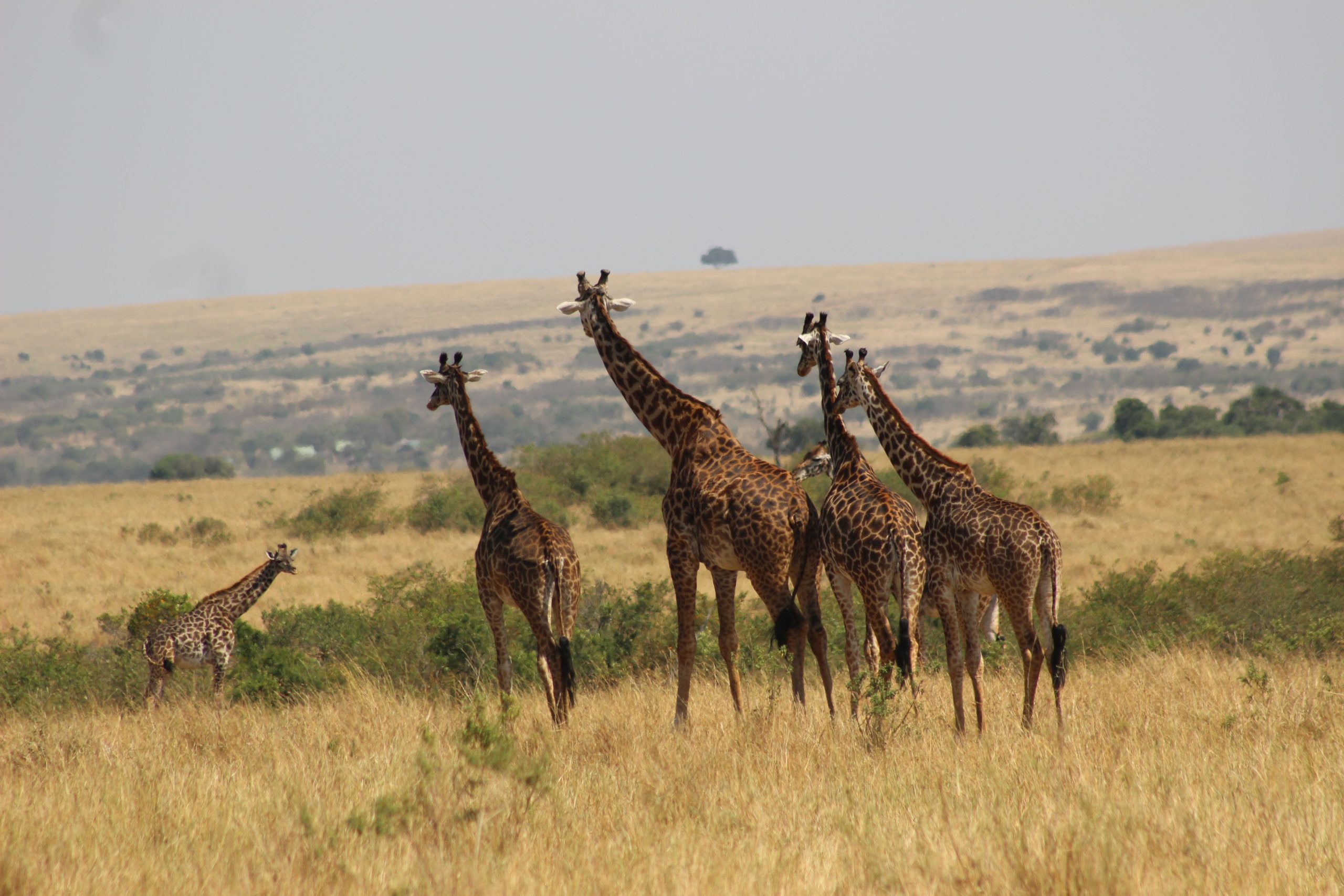
- Search for elephants, giraffes, zebras, antelopes and predators.
- Learn about Mkomazi’s endangered black rhino conservation programme.
- Discover the African wild dog conservation programme.
- Enjoy scenic views of Mount Kilimanjaro and the Pare Mountains on clear days.
- Explore Lushoto, the gateway to the West Usambara Mountains.
- Hike to the beautiful Irente Viewpoint.
- Discover Irente Biodiversity Farm and its local agricultural products.
- Explore Magamba Nature Forest Reserve.
- Visit the historic German cave and forest viewpoints.
- Enjoy waterfalls, birdwatching and forest walks.
- Discover the culture and traditions of the Shambaa communities.
- Visit Mambo Viewpoint and enjoy spectacular highland scenery.
Detailed 9-Day Tanzania Itinerary
Day 1: Arrival at Kilimanjaro International Airport – Welcome to Tanzania
Upon arrival at Kilimanjaro International Airport, you will be welcomed by a representative from Kuku Safaris and transferred to your hotel in Moshi.
Depending on your arrival time, spend the afternoon relaxing or enjoying a short introduction to the town.
Moshi is an ideal starting point for this adventure because it provides convenient access to both Mkomazi National Park and the Usambara Mountains.
On clear days, the surrounding region offers impressive views of Mount Kilimanjaro.
In the evening, meet your safari guide for a briefing about the upcoming journey. Your guide will explain the activities, road transfers, accommodation and recommended hiking equipment.
Accommodation: Moshi
Meal plan: Dinner, depending on arrival time
Day 2: Moshi to Mkomazi National Park – Discover Tanzania’s Northern Wilderness
After breakfast, depart Moshi and travel towards Mkomazi National Park.
The journey takes you through the foothills of the Pare Mountains and towards Same, the principal town near the park’s Zange entrance gate.
Mkomazi is characterised by open savannah, dry woodland, acacia trees and beautiful mountain scenery.
After completing the park entry formalities, continue towards your selected accommodation.
Enjoy lunch and some time to relax before heading out for an afternoon game drive.
During the excursion, look out for wildlife such as:
- African elephants.
- Giraffes.
- Zebras.
- Eland.
- Oryx.
- Lesser kudu.
- Buffaloes, where present.
- Various antelope species.
The park also supports predators and is recognised for its conservation programmes protecting black rhinos and African wild dogs.
Your guide will introduce you to the park’s ecological importance and its role in the wider Tsavo ecosystem, which extends across the Kenya–Tanzania border.
Return to your lodge or camp in the evening for dinner.
Accommodation: Mkomazi National Park area
Meal plan: Breakfast, lunch and dinner
Day 3: Mkomazi National Park – Wildlife Safari and Rhino Conservation
Today is dedicated to exploring Mkomazi’s wildlife and conservation attractions.
After an early breakfast, depart for a morning game drive through selected sections of the park.
Your guide will search for wildlife around open plains, woodland habitats and areas where animals are known to feed and move.
Mkomazi is particularly important for its endangered black rhino conservation programme.
The park has established a protected rhino sanctuary to support the recovery and protection of the eastern black rhino. Its conservation history also includes an important African wild dog breeding and protection programme.
Depending on current visitor permissions, advance arrangements and park regulations, an optional visit to the black rhino sanctuary may be requested through Tanzania National Parks.
The sanctuary experience should be treated as a separately arranged activity rather than a guaranteed part of a standard game drive.
Where access is approved, visitors may learn about:
- Black rhino conservation and protection.
- Anti-poaching operations.
- Rhino monitoring and veterinary care.
- Habitat management.
- The importance of conservation education.
- The wider recovery of wildlife populations in Mkomazi.
After lunch, enjoy another game drive or a guided birdwatching excursion.
Mkomazi is also an interesting destination for bird enthusiasts, with a mixture of savannah, woodland and dryland species.
Return to your accommodation in the late afternoon.
Accommodation: Mkomazi National Park area
Meal plan: Breakfast, lunch and dinner
Day 4: Mkomazi to Lushoto – Journey into the Usambara Mountains
After breakfast, leave Mkomazi and travel towards Lushoto, the gateway to the West Usambara Mountains.
The journey passes through the Same and Mombo area before climbing towards the green highlands.
As you ascend, the scenery changes dramatically. Dry lowland landscapes give way to fertile hills, vegetable farms, forested slopes and traditional villages.
On arrival in Lushoto, check in at your lodge or hotel and enjoy lunch.
Lushoto is known for its cool climate, agricultural landscapes and cultural heritage. It is also an excellent base for exploring the Irente escarpment, Magamba forest and surrounding mountain villages.
Spend the afternoon relaxing or enjoying a short guided walk around the town.
Your local guide will introduce you to the region’s traditions and explain the hiking experiences planned for the coming days.
Accommodation: Lushoto
Meal plan: Breakfast, lunch and dinner
Day 5: Irente Viewpoint – Hiking and Discovering the Usambara Countryside
Today is dedicated to one of the most famous attractions in the West Usambara Mountains: Irente Viewpoint.
After breakfast, meet your local hiking guide and begin the excursion towards Irente.
The route passes through cultivated hillsides, small villages, vegetable gardens and beautiful highland scenery.
As you climb towards the viewpoint, enjoy panoramic views of the surrounding valleys and the plains stretching towards the Maasai Steppe.
Irente Viewpoint is particularly impressive because the escarpment drops approximately 1,000 metres towards the plains below.
On a clear morning, the landscape provides excellent opportunities for photography.
After enjoying the viewpoint, continue to Irente Biodiversity Farm, where visitors can learn about local agriculture and enjoy fresh farm products.
The farm experience may include:
- Locally produced bread.
- Cheese and dairy products.
- Fresh seasonal fruit.
- Traditional juices and refreshments.
- Learning about sustainable highland farming.
You can enjoy a relaxed lunch while appreciating the surrounding gardens and countryside.
Later, return towards Lushoto, with opportunities to stop at nearby villages and interact with local residents through your guide.
For information about the region’s hiking and community tourism experiences, see Tanzania Tourism – Usambara Mountains.
Return to your accommodation in the afternoon.
Accommodation: Lushoto
Meal plan: Breakfast, lunch and dinner
Day 6: Magamba Nature Forest Reserve – Rainforest Hiking and Cultural Discovery
After breakfast, travel towards Magamba Nature Forest Reserve for a guided nature and hiking experience.
Magamba is part of the West Usambara mountain ecosystem and is known for its forest vegetation, viewpoints, birdlife, waterfalls and historical attractions.
Begin your walk through the forest with an experienced local guide.
As you explore, look out for:
- Black-and-white colobus monkeys.
- Blue monkeys.
- Forest birds.
- Chameleons.
- Butterflies and moths.
- Interesting indigenous forest plants.
Wildlife sightings depend on the season and animal movements.
One of the area’s interesting historical attractions is the old German cave, associated with the colonial and wartime history of the Usambara region.
You may also explore selected viewpoints, including the forest’s scenic peaks and other natural features, depending on the route and weather.
The Tanzania Forest Services Agency identifies hiking, birdwatching, forest walks, historical visits and photography among the reserve’s ecotourism activities.
The afternoon can include a visit to a nearby village, where your guide can introduce you to the history and traditions of the Shambaa people.
Return to Lushoto in the late afternoon.
For official reserve information, visit Tanzania Forest Services Agency – Magamba Nature Forest Reserve.
Accommodation: Lushoto
Meal plan: Breakfast, lunch and dinner
Day 7: Mambo Viewpoint and Shambaa Cultural Experience
Spend another day discovering the beautiful highlands and cultural heritage of the Usambara Mountains.
After breakfast, depart Lushoto for the Mambo area.
The journey takes you through mountain villages, cultivated landscapes and scenic ridges.
Mambo is known for its spectacular viewpoints overlooking the surrounding plains and mountain ranges.
On clear days, visitors may enjoy distant views towards the Pare Mountains, Mkomazi landscape and Mount Kilimanjaro.
Enjoy a guided walk around the selected viewpoint and take photographs of the dramatic highland scenery.
The day can also include an introduction to the cultural traditions of the Shambaa people.
Depending on the community arrangements, activities may include:
- Traditional farming experiences.
- Visits to village markets.
- Local food preparation.
- Traditional craft and pottery demonstrations.
- Learning about local history and community life.
- Short village-to-village walks.
For travellers interested in more challenging hiking, a local guide can discuss a longer walking route towards Mtae, often referred to as one of the region’s outstanding mountain viewpoints.
A full village-to-village trek requires additional time and should be planned separately rather than added casually to the day.
After the excursion, return to Lushoto for dinner and relaxation.
Accommodation: Lushoto
Meal plan: Breakfast, lunch and dinner
Day 8: Lushoto to Moshi – Scenic Return Journey
After breakfast, depart Lushoto and travel towards Moshi.
The journey takes you down the Usambara escarpment and through the Mombo and Same area before continuing towards the Kilimanjaro region.
Enjoy selected stops for refreshments, photographs and lunch along the way.
Depending on road conditions and visibility, you may have opportunities to enjoy views of the surrounding mountain landscapes.
On arrival in Moshi, check in at your hotel and spend the remainder of the afternoon relaxing.
This overnight stay is recommended to provide a comfortable connection with your international departure the following day.
Accommodation: Moshi
Meal plan: Breakfast and lunch
Day 9: Departure from Kilimanjaro – End of Your Usambara and Mkomazi Safari
After breakfast, depending on your flight schedule, you will be transferred to Kilimanjaro International Airport for your onward journey.
This marks the end of your Tanzania Usambara Mountains, Lushoto and Mkomazi Safari with Kuku Safaris.
You will leave with wonderful memories of the wildlife of Mkomazi, the breathtaking views of the Usambara Mountains, forest hiking and the cultural heritage of northeastern Tanzania.
Meal plan: Breakfast
Best Time to Visit the Usambara Mountains and Mkomazi National Park
Both destinations can be visited throughout the year, but seasonal conditions influence hiking, wildlife viewing and road accessibility.
June to October – Preferred Hiking and Wildlife Season
This is generally a favourable period for combining the mountain walks with traditional wildlife viewing.
The Usambara Mountains often have more comfortable hiking conditions, while Mkomazi’s dry-season landscape can make wildlife easier to locate around suitable water sources.
Clearer mornings can also improve visibility from Irente and Mambo viewpoints.
December to February – Another Good Travel Period
These months can offer favourable conditions for outdoor exploration, although rainfall and cloud cover can vary.
The mountain landscape may remain green, creating attractive scenery for photography.
March to May – Long Rainy Season
The long rains can make some forest trails slippery and mountain roads more difficult.
However, the Usambara Mountains are particularly lush during this period, and waterfalls may have stronger flows.
Mkomazi’s conditions also change with rainfall, so confirm park accessibility and lodge operating arrangements before travel.
Recommended Accommodation for This Safari
Kuku Safaris can arrange accommodation according to the traveller’s budget and preferred level of comfort.
Moshi
- Chanya Lodge.
- Kilimanjaro Wonders Hotel.
- Parkview Inn.
- Other suitable hotels near Moshi and Kilimanjaro Airport.
Mkomazi National Park and Same
- Babu’s Camp, subject to current operating arrangements.
- Selected accommodation near Zange Gate.
- Same town hotels and guesthouses.
- Mambo ViewPoint, where suitable for the chosen route.
Lushoto and the Usambara Mountains
- Irente View Cliff Lodge.
- Mullers Mountain Lodge.
- Lawns Hotel.
- Lushoto Executive Lodge.
- Lushoto White House.
- Mkuzi Creek Resort.
- Selected locally operated guesthouses.
These properties are examples rather than guaranteed inclusions. Accommodation should be selected according to current availability, road access, hiking locations and the guest’s preferred comfort level.
What to Pack for the Usambara Mountains and Mkomazi Safari
For a comfortable experience, we recommend packing:
- Lightweight safari clothing in neutral colours.
- Comfortable hiking trousers and long-sleeved shirts.
- Waterproof hiking boots with good grip.
- A light rain jacket.
- Warm clothing for cool mountain mornings.
- A sun hat or cap.
- Sunglasses and sunscreen.
- Insect repellent.
- Binoculars for birdwatching.
- Camera and spare batteries.
- Reusable drinking water bottle.
- A small daypack.
- Personal medication and basic first-aid supplies.
- Comfortable sandals for the lodges.
For the Usambara hikes, footwear with good grip is particularly important because forest paths can become slippery after rainfall.
Is This Safari Suitable for Everyone?
This itinerary is designed for travellers who enjoy a combination of outdoor exploration, cultural discovery and wildlife viewing.
The hiking activities can be adapted to different fitness levels.
The Irente excursion is a moderate walk, while the combined Magamba and Irente route can be more demanding. Longer hikes towards Mtae or other mountain viewpoints require additional physical preparation.
The Mkomazi section is primarily vehicle-based, although optional walking activities may be arranged under authorised park guidance.
Families, couples, photographers and small private groups can enjoy the itinerary, subject to the suitability of the selected hikes and accommodation.
What Is Included in the Safari Package?
A typical Kuku Safaris package can include:
- Airport transfers at Kilimanjaro International Airport.
- Private 4×4 safari transportation.
- Services of an experienced English-speaking safari guide.
- Accommodation for eight nights.
- Meals as indicated in the itinerary.
- Mkomazi National Park entry and agreed game drives.
- Authorised rhino sanctuary visit, where approved and included.
- Local hiking guide arrangements in Lushoto.
- Magamba Nature Forest Reserve visit and agreed activities.
- Irente Viewpoint excursion.
- Selected community cultural activities.
- Drinking water during road transfers.
What Is Not Included?
Unless otherwise agreed in the final quotation, the package excludes:
- International flights.
- Tanzania visa fees, where applicable.
- Mandatory inbound travel insurance for travellers who are subject to the requirement.
- Specialist hiking equipment.
- Additional cultural activities not included in the confirmed programme.
- Additional rhino sanctuary or specialist conservation experiences.
- Travel insurance.
- Personal expenses, tips and gratuities.
- Drinks and meals not specified in the itinerary.
Frequently Asked Questions
1. Where are the Usambara Mountains located?
The Usambara Mountains are located in northeastern Tanzania, mainly within Tanga Region. Lushoto is an important gateway to the West Usambara Mountains.
2. What is Lushoto famous for?
Lushoto is known for its cool highland climate, fertile farms, scenic viewpoints, cultural heritage and access to rainforest hiking trails.
3. What can I see at Irente Viewpoint?
Irente Viewpoint offers dramatic views across the Maasai Steppe and surrounding lowlands, with the escarpment dropping approximately 1,000 metres below the viewpoint.
4. What is special about Magamba Nature Forest Reserve?
Magamba is known for its montane forest, hiking trails, viewpoints, historical German cave, waterfalls, birds, butterflies and chameleons.
5. What wildlife can I see in Mkomazi National Park?
Mkomazi supports elephants, giraffes, zebras, oryx, eland, kudu and other wildlife. It is also important for its endangered black rhino and African wild dog conservation programmes.
6. Can I visit the black rhino sanctuary in Mkomazi?
A visit may be possible through prior arrangements, but it is subject to current TANAPA permission, operational conditions and any applicable additional charges. It should be confirmed before the safari is sold as an included activity.
7. Can I see Mount Kilimanjaro from the Usambara Mountains?
On clear days, selected viewpoints in the Usambara region can offer distant views towards Mount Kilimanjaro and the surrounding mountain landscape. Visibility depends on weather and cloud cover.
8. How difficult are the Usambara Mountain hikes?
The difficulty varies according to the route. Irente Viewpoint is generally a moderate hike, while longer forest trails and village-to-village routes can require greater endurance.
9. Is this itinerary suitable for birdwatchers?
Yes. Magamba’s forest habitats support diverse birdlife, while Mkomazi offers interesting dryland and savannah bird species. A specialist birding guide can be arranged for travellers with particular interests.
10. Can I extend this safari to Zanzibar?
Yes. Travellers can extend the itinerary with a beach holiday in Zanzibar, although the additional journey and flight or road logistics should be planned separately.
Book Your Tanzania Usambara Mountains, Lushoto and Mkomazi Safari with Kuku Safaris
Discover the natural beauty and cultural richness of northeastern Tanzania with Kuku Safaris.
From the open savannah and endangered wildlife of Mkomazi National Park to the spectacular viewpoints, rainforests and traditional villages of the Usambara Mountains, this journey offers a distinctive combination of wildlife, adventure and cultural discovery.
Whether you are interested in hiking, wildlife photography, birdwatching or learning about the traditions of Tanzania’s highland communities, our team can tailor the itinerary to your travel dates, accommodation preferences and budget.
Contact Kuku Safaris to start planning your 9-day Tanzania Usambara Mountains, Lushoto and Mkomazi Safari.