
🌍 Tanzania: Africa’s Leading Safari Destination (2026 -2027 Travel Guide)
From the Great Migration to Zanzibar’s white-sand beaches – your ultimate Tanzania travel guide
Quick Navigation:
- Why Visit Tanzania?
- Northern Circuit Destinations
- Southern Circuit Destinations
- Western Circuit Destinations
- Coastal & Island Destinations
- Hidden Gems
- Practical Travel Guide
- FAQs
- Final Thoughts
Why Visit Tanzania?
Tanzania has cemented its reputation as a premier African tourism powerhouse, being crowned Africa’s Leading Destination 2026 at the World Travel Awards, with the Tanzania Tourist Board winning Africa’s Leading Tourist Board for the fifth consecutive year .
From the endless plains of the Serengeti to the snow-capped peak of Kilimanjaro, and from the spice-scented alleys of Stone Town to the remote chimpanzee forests of Mahale, Tanzania offers an extraordinary variety of experiences unmatched anywhere in Africa.
Key Stats:
- 23 national parks – one of the largest collections in Africa
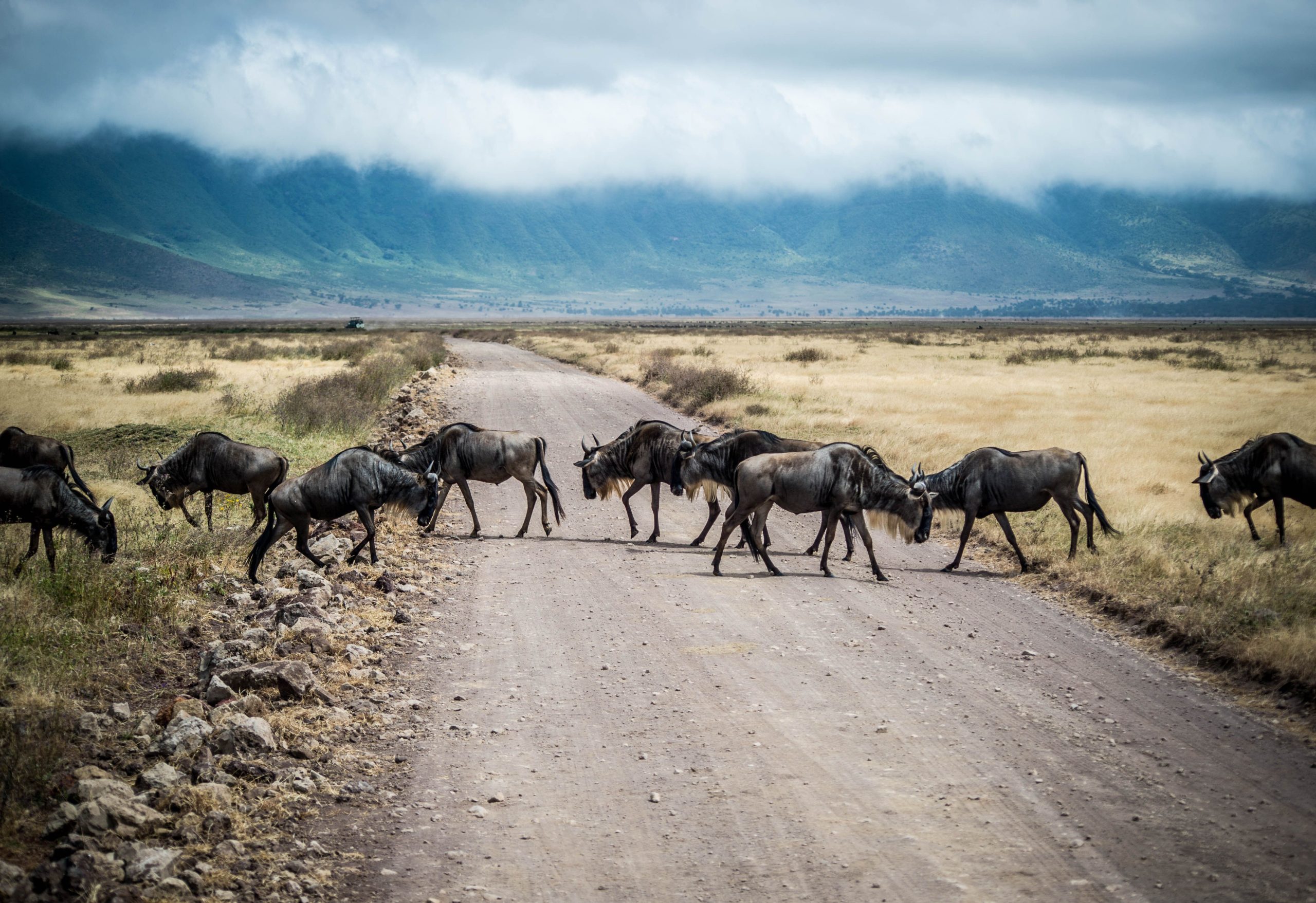
- 1.5 million wildebeest – the Great Migration, the world’s largest wildlife event
- 1,000+ bird species – over 80% of all bird species in East Africa
- Africa’s highest peak – Mount Kilimanjaro at 5,895 meters
- The world’s largest intact caldera – Ngorongoro Crater
Northern Circuit Destinations
1. 🦁 Serengeti National Park
The Greatest Wildlife Show on Earth
| At a Glance | |
|---|---|
| Location | Northern Tanzania |
| Size | 14,750 km² |
| Best For | The Great Migration, Big Five, predator-prey action |
| Best Time | June–October & December–March |
| UNESCO | World Heritage Site |
Why You Should Visit
The Serengeti is the oldest national park in Tanzania and a UNESCO World Heritage Site. Its name means “endless plains” in the Maasai language, and the park truly stretches as far as the eye can see . It is home to the most varied collection of terrestrial wildlife on the planet, making it the quintessential African safari destination .
The Great Migration
The Serengeti is the stage for one of nature’s most incredible events – the Great Migration. Around 1.5 million wildebeest and over 200,000 zebras trace a clockwise route year-round in search of grazing and water . The scale of this event and the dramatic encounters between predator and prey offer an unequaled wildlife spectacle .
Migration Timeline:
| Period | Location | Highlights |
|---|---|---|
| December–March | Southeastern Serengeti (Ndutu) | Calving season – 8,000 wildebeest calves born daily; predators in abundance |
| April–June | Western Serengeti (Grumeti) | Migration moves northwest; Grumeti River crossings |
| July–September | Northern Serengeti (Mara River) | Dramatic crocodile-filled river crossings into Kenya’s Masai Mara |
| October–November | Eastern Serengeti | Migration returns south; short rains begin |
Wildlife Viewing
- Big Five: All five – lions, rhinos, elephants, buffalo, and leopards – reside here
- Predators: The Serengeti has one of Africa’s highest concentrations of lions and cheetahs
- Other species: Giraffes, topi, hartebeest, zebras, hippos, crocodiles, and over 500 bird species
What Makes It Special
- Hot Air Balloon Safaris: Experience the Serengeti from above at sunrise – a truly unforgettable perspective on the migration thundering below
- Exclusive Camps: The park is increasingly moving towards small, exclusive eco-friendly camps in remote areas
- Year-Round Game Viewing: The Great Migration may be the headline act, but the Serengeti offers incredible game viewing all year round
Best Time to Visit
The dry season (June–October) is peak safari time – the bush is thinner, animals concentrate around water sources, and the river crossings are underway . The calving season (December–March) is equally spectacular, with thousands of newborns attracting large predator activity .
How to Get There
- By Road: From Arusha to Serengeti (approx. 8 hours including game drives through Ngorongoro)
- By Air: Domestic flights from Arusha, Kilimanjaro, or Dar es Salaam to Serengeti airstrips
2. 🏞️ Ngorongoro Conservation Area
The World’s Largest Intact Caldera
| At a Glance | |
|---|---|
| Location | Northern Tanzania |
| Crater Size | 260 km² (105 square miles) |
| Depth | 600 meters |
| Best For | Big Five, self-contained ecosystem, Olduvai Gorge |
| Best Time | June–October & December–February |
Why You Should Visit
The Ngorongoro Crater is the world’s largest intact volcanic caldera and one of Africa’s most extraordinary natural wonders . Descending into the crater floor feels like entering a lost world – a self-contained ecosystem home to Africa’s largest permanent concentration of wildlife .
Key Attractions
1. The Crater Floor
- A 105-square-mile wildlife paradise enclosed by towering crater walls
- Home to lions, elephants, buffalo, hippos, hyenas, and the rare black rhino
- Nearly every animal in the crater is a permanent resident – they don’t migrate out due to the steep walls
2. The Ndutu Region
- Located on the border of Ngorongoro and the southern Serengeti
- A critical resting point for the Great Migration – over half a million wildebeest arrive to calve on the short grass plains
- At the height of calving chaos, an estimated 8,000 calves are born each day – a predator’s paradise
3. Olduvai (Oldupai) Gorge
- A steep-sided ravine that has yielded a timeline of our evolution as a species
- Scattered fossils, tools, and bone fragments reveal the gradual development of societies
- Often called the “Cradle of Mankind” – a must-visit for history enthusiasts
What Makes It Special
- Self-Contained Ecosystem: The crater is a natural enclosure, so wildlife concentrations are incredibly high
- Black Rhino Spotting: One of the best places in East Africa to see the critically endangered black rhino
- Cultural Significance: The conservation area includes Maasai communities who co-exist with wildlife
Best Time to Visit
- June–October: Dry season – excellent game viewing, animals concentrate around water sources
- December–February: Warm and dry – calving season in the Ndutu region
How to Get There
- By Road: 3–4 hours from Arusha
- By Air: Domestic flights to Manyara airstrip, then drive
3. 🌳 Tarangire National Park
The Elephant Paradise & Baobab Wonderland
| At a Glance | |
|---|---|
| Location | Northern Tanzania |
| Size | 2,850 km² |
| Best For | Elephants, baobab trees, leopard sightings |
| Best Time | July–October (dry season) |
| Award | Africa’s Leading Elephant Paradise National Park 2026 |
Why You Should Visit
Tarangire is often overlooked by travelers short on time, but it is unequivocally one of Africa’s most underrated safari destinations . It is famed for its enormous herds of elephants – the highest concentration in Tanzania – and its iconic baobab trees .
Key Attractions
1. Giant Elephant Herds
- Tarangire has an estimated 2,500 elephants – more than any other park in Tanzania
- Herds of up to 300 elephants can be seen scratching the dry river bed for water
- During the dry season (July–October), elephants congregate along the Tarangire River in enormous numbers
2. Baobab Trees
- The park is dotted with giant, bulbous baobab trees – a beautiful motif for photography
- These trees store water in their roots, relied upon by elephant herds during the dry season
3. Exceptional Wildlife Diversity
- All the stars of the Serengeti lurk here – lions, leopards, cheetahs, and wild dogs
- Tarangire is the one place in Tanzania where you’ll regularly see dry-country antelope like gerenuk and oryx
- Excellent leopard sightings are common
- Wide variety of birds, including the enormous kori bustard
4. Maasai Cultural Experiences
- At the park’s remote southern end, visitors can experience traditional Maasai culture
- Maasai-guided walks to learn about plant medicines and traditional ceremonies
What Makes It Special
- Underrated Gem: Tarangire offers incredible wildlife viewing without the Serengeti’s crowds
- Year-Round Appeal: Wonderful to visit all year round – the best wildlife viewing is during the July–October dry season
- Unique Landscape: A stunning combination of baobabs, acacia woodlands, seasonal swamps, and riverine forests
Best Time to Visit
- July–October: Dry season – the Tarangire River becomes one of the only water sources, drawing animals from miles around
- April–May: Rainy season – migratory birds are present
How to Get There
- By Road: 2–3 hours from Arusha
- By Air: Domestic flights from Arusha to Tarangire airstrip
4. 🏔️ Mount Kilimanjaro National Park
The Roof of Africa
| At a Glance | |
|---|---|
| Location | Northeastern Tanzania |
| Height | 5,895 meters (Africa’s highest peak) |
| Best For | Trekking, mountaineering, photography |
| Best Time | June–October & December–February |
| Award | Africa’s Leading Mountain National Park 2026 |
Why You Should Visit
Mount Kilimanjaro needs little introduction – Africa’s highest peak and the world’s tallest free-standing mountain. Every year, thousands of amateur and expert hikers set out to summit its snow-capped peak, which stands incongruously against the flat Rift Valley scenery below .
Trekking Routes
| Route | Duration | Difficulty | Highlights |
|---|---|---|---|
| Machame | 6–7 days | Moderate | Scenic, “Whiskey Route” – most popular |
| Marangu | 5–6 days | Easy | “Coca-Cola Route” – hut accommodation |
| Lemosho | 7–8 days | Moderate | Western approach, excellent scenery |
| Rongai | 6–7 days | Moderate | Northern approach, less crowded |
| Northern Circuit | 8–9 days | Challenging | Longest, highest summit success rate |
What Makes It Special
- Unique Ecosystem: Trek from tropical rainforest to alpine desert to glacial summit
- No Technical Climbing: Kilimanjaro is a “walk-up” peak – no technical climbing skills required
- Unforgettable Summit Sunrise: Witness the sun rise from above the clouds over Africa
Best Time to Visit
- June–October: Dry season – best weather and visibility
- December–February: Warm and dry – another excellent window
- March–May: Long rains – trails become muddy and treacherous
How to Get There
- By Road: 1 hour from Kilimanjaro International Airport to Moshi
- By Air: International flights to Kilimanjaro International Airport (JRO)
5. 🦩 Lake Manyara National Park
A Birder’s Paradise with Flamingos
| At a Glance | |
|---|---|
| Location | Northern Tanzania |
| Size | 330 km² |
| Best For | Birdwatching, flamingos, tree-climbing lions |
| Best Time | June–October |
Why You Should Visit
Lake Manyara is a birdwatcher’s paradise with over 400 species recorded, most famously its flamingos which can be seen in thousands during the wet season . The park is sandwiched between the eponymous lake and the dramatic hills of the Great Rift escarpment, offering stunning scenery .
Key Attractions
1. Flamingos
- Thousands of flamingos turn the lake’s shores pink during the wet season
- The park was previously known for its spectacular displays of flamingos and other water birds
2. Tree-Climbing Lions
- Lake Manyara was once famous for its tree-climbing lions
- The lion population has faced challenges in recent years, and sightings are less reliable than in the past
3. Scenic Location
- Dramatic views of the Great Rift escarpment
- A low-key, less frenetic atmosphere than the Serengeti or Ngorongoro
Important Note on Recent Conditions
Lake Manyara National Park has experienced flooding in recent years, impacting safari experiences. While the park remains open, some areas are submerged, and access to certain wildlife viewing locations has been affected . The flooding has also led to ecosystem disruptions and affected wildlife sightings, particularly flamingos, which have largely moved on . Visitors may experience limited sightings, flooded roads, and replaced game-driving routes .
Best Time to Visit
- June–October: Dry season – best conditions
- Plan for half-day visits during the wettest months
How to Get There
- By Road: 2 hours from Arusha, on the way to Ngorongoro and Serengeti
6. 🌄 Arusha National Park
The Underexplored Gem – CNN’s Top Pick for 2026
| At a Glance | |
|---|---|
| Location | Northern Tanzania |
| Distance from Arusha | 30 km (30-minute drive) |
| Best For | Mount Meru, walking safaris, canoeing |
| Best Time | June–October & December–February |
Why You Should Visit
Arusha National Park was named one of the world’s best places to visit in 2026 by CNN Travel, praising the city’s blend of natural beauty, culture, and distinctive safari experiences . Often overshadowed by its famous northern circuit neighbours, the park is increasingly being promoted as a destination in its own right .
Key Attractions
1. Mount Meru
- Africa’s fifth-highest peak at 4,566 meters
- Offers a much quieter and more intimate experience than Kilimanjaro
- Spectacular wildlife encounters en route to the summit
2. Momella Lakes
- Seven shallow, alkaline lakes fed by underground streams
- Home to thousands of flamingos, pelicans, and other waterbirds
3. Walking Safaris
- One of the few parks in the region where you can experience guided walking safaris
- A gentle and immersive introduction to Tanzania’s northern circuit
4. Diverse Activities
- Game drives, cycling, canoeing, horse riding, and the challenging climb up Mount Meru
Visitor Numbers
- The park received approximately 72,000 visitors in 2025
- After the CNN recognition, target for 2026 has been revised to 100,000 visitors
What Makes It Special
- Gateway to the North: Arusha serves as the “golden gateway” to the Serengeti, Ngorongoro, Tarangire, and Lake Manyara
- Convenient Location: Just 30 minutes from Arusha city, making it ideal for a day trip or a gentle start to a safari itinerary
- Underrated Gem: Often the first or last stop for northern circuit travellers, but offers a rich experience in its own right
Best Time to Visit
- June–October: Dry season – excellent hiking and wildlife viewing
- December–February: Warm and dry – another good window
How to Get There
- By Road: 30-minute drive from Arusha city
Southern Circuit Destinations
7. 🌾 Ruaha National Park
Tanzania’s Best-Kept Safari Secret
| At a Glance | |
|---|---|
| Location | Southern Tanzania |
| Size | 20,226 km² (one of Tanzania’s largest parks) |
| Best For | Walking safaris, lions, elephants, solitude |
| Best Time | June–October |
Why You Should Visit
Ruaha is widely considered to be Tanzania’s best-kept safari secret . This enormous, diverse, and scenically dramatic national park is off the beaten track – there aren’t many lodges, so there aren’t many travellers . It feels properly wild and untouched .
Key Attractions
1. Walking Safaris
- An especially thrilling choice for a walking safari – expert guides lead small groups across grasslands, through woodlands, and over riverbeds
- Possible to walk from a permanent lodge or book a fly-camping safari, hiking between different mobile camps each night
- One of the few places in Africa where you can experience this level of wilderness immersion
2. Predator Abundance
- Ruaha supports one of the largest lion populations on the continent
- Leopard, cheetah, spotted hyena, and African wild dog sightings are frequent
- Some lucky visitors have even managed to spot one of the park’s elusive striped hyenas
3. Massive Elephant Herds
- Ruaha supports sizeable herds of elephants roaming the semi-arid wilderness
- The park is divided by life-giving river systems and dotted with ancient baobabs
4. Spectacular Scenery
- Semi-arid wilderness with thriving swamps, verdant forests, and spectacular views
- The greater Ruaha ecosystem is contiguous with the Rungwa, Kizigo, Usangu, and Muhezi game reserves
What Makes It Special
- Off the Beaten Track: Ruaha is remote and wild – you can go for days without encountering another tourist
- Authentic Wilderness Experience: Characterized by a back-to-basics and authentic approach
- Huge Park, Few Visitors: One of Tanzania’s largest parks but with very few lodges
Best Time to Visit
- June–October: Dry season – animals concentrate around water sources
- The best time to experience walking safaris
How to Get There
- By Air: Domestic flights from Dar es Salaam or Arusha to Ruaha airstrip
- By Road: 8–10 hours from Dar es Salaam
8. 🐊 Nyerere National Park (Selous Game Reserve)
Africa’s Largest National Park
| At a Glance | |
|---|---|
| Location | Southern Tanzania |
| Size | Africa’s largest national park |
| Best For | Boat safaris, wilderness, buffalo herds |
| Best Time | June–October |
| Award | Africa’s Leading Scenic National Park 2026 |
Why You Should Visit
Designated a national park in 2019, Nyerere encompasses much of the former Selous Game Reserve and is thought to be Africa’s largest national park . It is near-bursting with biodiversity – the buffalo population alone is thought to be as high as 150,000, while there are around 4,000 lions .
Key Attractions
1. Boat Safaris
- The park’s defining feature is its water – the wide, languid bends of the Rufiji River, a maze of winding channels, and interconnected lakes
- The best way to explore is by boat, floating quietly so the wildlife remains undisturbed
- Up-close encounters with hippos, crocodiles, elephants, and more are virtually guaranteed
2. Vast Wildlife Populations
- 150,000+ buffalo
- 4,000+ lions
- Large elephant herds, hippos, and crocodiles
- Excellent birdwatching along the river
3. Remote Wilderness
- Nyerere is relatively untouched by humans
- Only eight percent of the reserve is open to tourists, making it one of the least visited reserves in Africa
4. The Rufiji River
- Runs through the park and offers world-class boat safaris
- Luxury safari tours by boat or private walking tours available
What Makes It Special
- The Ultimate Wilderness Experience: Nyerere offers a unique combination of boat and walking safaris that you won’t find in the northern circuit
- Unmatched Scale: Africa’s largest national park – you can explore for days without seeing another vehicle
- Remote and Authentic: Far from the crowds of the northern circuit
Best Time to Visit
- June–October: Dry season – best for boat and walking safaris
- November–February: Short rains – lush scenery
How to Get There
- By Air: Domestic flights from Dar es Salaam to Nyerere airstrips
- By Road: 6–8 hours from Dar es Salaam
Western Circuit Destinations
9. 🐒 Mahale Mountains National Park
The World’s Best Place to See Chimpanzees
| At a Glance | |
|---|---|
| Location | Western Tanzania (Lake Tanganyika) |
| Accessibility | Only accessible by boat – no roads |
| Best For | Chimpanzee trekking, primates, solitude |
| Best Time | June–October |
Why You Should Visit
Rising from the dazzling-white powder-sand shores of Lake Tanganyika, the Mahale Mountains aren’t just the best place to see chimpanzees in Tanzania – they’re probably the best place in the world . Around 1,000 chimpanzees swing about these thickly forested peaks .
Key Attractions
1. Chimpanzee Trekking
- Join guided treks for intimate encounters with a group habituated since the 1960s
- One of only two protected areas for chimpanzees in Tanzania
- The only place in the world where chimpanzees and lions co-exist
2. Pristine Wilderness
- The park is so remote it has no roads – can only be experienced on foot
- Also home to yellow baboons, red colobus, blue monkeys, and elusive lions, leopards, elephants, and giraffes
3. Lake Tanganyika
- The park lies on the shores of one of Africa’s Great Lakes
- Snorkelling, scuba diving, kayaking, and fishing available
- Stay in luxury bandas (open-air beach huts) with glorious views of the lake
What Makes It Special
- Unrivaled Chimp Experience: Mahale offers the most intimate chimpanzee encounters on the planet
- Extreme Remote: The journey to Mahale is an adventure in itself – by boat or plane only
- Absolute Solitude: The park is largely left to Mother Nature – you’ll have the chimpanzees almost to yourself
Best Time to Visit
- June–October: Dry season – chimpanzees move lower down the slopes, making tracking easier
How to Get There
- By Air & Boat: Fly from Dar es Salaam or Arusha to Kigoma, then take a boat
- The journey is part of the adventure
10. 🐵 Gombe Stream National Park
Jane Goodall’s Chimpanzee Sanctuary
| At a Glance | |
|---|---|
| Location | Western Tanzania (Lake Tanganyika) |
| Accessibility | Boat access only |
| Best For | Chimpanzee trekking, Jane Goodall history |
| Best Time | June–October |
Why You Should Visit
Gombe Stream is famous as the place where Dr. Jane Goodall conducted her groundbreaking chimpanzee research. The park is a sanctuary for chimpanzees and offers a unique blend of wildlife, history, and stunning scenery.
What Makes It Special
- Jane Goodall’s Legacy: The park is synonymous with chimpanzee research and conservation
- Intimate Chimp Encounters: Small group sizes and habituated chimps
- Lake Tanganyika Views: Stunning scenery on the shores of Africa’s deepest lake
Best Time to Visit
- June–October: Dry season – best trekking conditions
How to Get There
- By Air & Boat: Fly from Dar es Salaam or Arusha to Kigoma, then take a boat
Coastal & Island Destinations
11. 🏖️ Zanzibar (Unguja)
Africa’s Leading Beach Destination 2026
| At a Glance | |
|---|---|
| Location | Indian Ocean (off Tanzania’s coast) |
| Capital | Stone Town |
| Best For | Beaches, culture, spice tours, history |
| Best Time | June–October |
| Award | Africa’s Leading Beach Destination 2026 |
Why You Should Visit
Zanzibar has been recognised as Africa’s Leading Beach Destination 2026, further cementing the island’s reputation as a premier coastal getaway in Africa . With its powder-white beaches, crystal-clear Indian Ocean waters, historic Stone Town, rich Swahili heritage, and world-class resorts, Zanzibar offers travellers a unique combination of relaxation and discovery .
Key Attractions
1. Stone Town
- UNESCO World Heritage Site and cultural heart of Zanzibar
- A maze of narrow alleys, spice-scented markets, and iconic dhows
- Historic buildings, the Sultan’s Palace, the Old Fort, and the House of Wonders
- The Zanzibar Commission for Tourism was also recognised as Africa’s Leading Regional Tourist Board 2026
2. White-Sand Beaches
- Nungwi: Most popular beach in the north – stunning sunsets and vibrant atmosphere
- Paje and Jambiani: East coast beaches with calm waters, kite surfing, and low-tide walks
- Matemwe: Quieter, more relaxing beach with great snorkeling
3. Spice Tours
- Zanzibar is known as the “Spice Island”
- Visit spice plantations to see cloves, nutmeg, cinnamon, vanilla, and more growing
- Taste fresh tropical fruits and spices
4. Jozani Forest
- Home to the endemic red colobus monkey (found only in Zanzibar)
- Guided forest walks through tropical rainforest
What Makes It Special
- The Perfect Safari Add-On: Pair a Tanzania wildlife safari with a luxury island retreat – a complete African holiday experience that blends adventure, culture, and coastal relaxation
- Cultural Richness: Stone Town’s blend of African, Arab, Indian, and European influences is unique
- World-Class Resorts: Zanzibar has a growing luxury tourism landscape
Best Time to Visit
- June–October: Dry season – sunny skies and calm seas
- December–February: Warm and dry – another good window
How to Get There
- By Air: Daily flights from Dar es Salaam, Arusha, Kilimanjaro, and international flights to Zanzibar International Airport (ZNZ)
- By Ferry: Fast ferries from Dar es Salaam (approx. 2 hours)
12. 🌊 Mafia Island
The Ocean’s Secret – Whale Shark Paradise
| At a Glance | |
|---|---|
| Location | Indian Ocean (near Dar es Salaam) |
| Accessibility | Short flight or boat from Dar es Salaam |
| Best For | Diving, whale sharks, solitude |
| Best Time | October–March (whale sharks) |
Why You Should Visit
Mafia Island remains one of the Indian Ocean’s best-kept secrets . With just a handful of lodges and a few cars, Mafia has kept its low-key charm . Days are spent snorkeling, kayaking through mangroves, and enjoying seafood barbecues on sandbanks that disappear at high tide .
Key Attractions
1. Whale Sharks
- October to March is whale shark season – swim alongside these gentle giants
- Mafia is one of the best places in the world for whale shark encounters
2. Mafia Marine Park
- The reefs here are rich in coral and marine life
- Excellent diving and snorkeling in protected waters
3. Low-Key Charm
- A quiet, relaxed atmosphere – the opposite of Zanzibar’s busy resorts
- Visit nearby islands like Chole and Juani by dhow
What Makes It Special
- Unspoiled Paradise: Mafia is Zanzibar without the crowds
- World-Class Diving: One of East Africa’s best dive destinations
- Whale Shark Encounters: A bucket-list experience
Best Time to Visit
- June–October: Dry season – best overall conditions
- October–March: Whale shark season – superb visibility for diving
How to Get There
- By Air: Short flight from Dar es Salaam to Mafia airstrip
- By Ferry: Limited boat services
13. 🌿 Pemba Island
The Green Jewel – Zanzibar’s Wild Sister
| At a Glance | |
|---|---|
| Location | Indian Ocean (north of Zanzibar) |
| Accessibility | Short flight from Zanzibar or Dar es Salaam |
| Best For | Diving, remote beaches, authentic culture |
| Best Time | June–October & December–February |
Why You Should Visit
Often called Zanzibar’s “wild sister,” Pemba is rugged, forested, and blissfully untamed . The island is famous for its hilly landscape, ancient ruins, and spice plantations. Its coral reefs are some of the healthiest in East Africa, making it a diver’s dream .
Key Attractions
1. Pristine Coral Reefs
- The Pemba Channel offers crystal-clear water and some of East Africa’s best diving
2. Ngezi Forest Reserve
- A protected rainforest home to endemic birds and primates
3. Authentic Culture
- Life moves at a slow rhythm – fishermen paddle out in wooden boats at sunrise, and villages still follow traditional Swahili customs
4. Ancient Ruins
- Visit the Pujini Ruins – remnants of Pemba’s rich history
What Makes It Special
- Remote and Untamed: Pemba is Zanzibar’s wilder, less developed sister
- Diver’s Paradise: Some of the healthiest coral reefs in East Africa
- Authentic Experience: For those who love authenticity and nature over nightlife
Best Time to Visit
- June–October: Dry season – best diving conditions
- December–February: Another good window
How to Get There
- By Air: Short flight from Zanzibar or Dar es Salaam
Hidden Gems
🌿 Amani Nature Reserve
- Location: Usambara Mountains, Tanga Region
- What you’ll see: One of the world’s rarest flowers (the St. Paulia/African violet), 340+ bird species, waterfalls, and the oldest botanical garden in East Africa
- Why it’s special: Once scarred by illegal gold mining, today it’s a thriving eco-tourism destination with spice farming and beekeeping
🌿 Pugu Kazimzumbwi Forest Reserve
- Location: Just 20 km from Dar es Salaam – the “lungs of the city”
- What you’ll see: Bat caves, giant bamboo groves, sacred spiritual sites, and viewpoints over Dar es Salaam
- Why it’s special: A rare lowland coastal forest offering a green escape for city dwellers – accessible for marathons, hikes, and picnics
🌿 Lake Duluti
- Location: Arusha Region
- What you’ll see: A volcanic crater lake with 104 bird species, monitor lizards, and green mambas – views of Mount Meru and Kilimanjaro
- Why it’s special: A peaceful pause between northern circuit safaris – canoe on emerald waters or hike through the forest
🌿 Rubondo Island National Park
- Location: Lake Victoria
- What you’ll see: Bird-rich waters, forest-covered islets, and a peaceful escape from the safari circuit
- Why it’s special: A unique island national park in Africa’s largest lake
🌿 Kitulo National Park
- Location: Southern Tanzania
- What you’ll see: February brings wildflowers, orchids, and breathtaking scenery
- Why it’s special: Known as the “Garden of God” – a paradise for botanists and photographers
🌿 Olduvai (Oldupai) Gorge
- Location: Between Serengeti and Ngorongoro
- What you’ll see: The “Cradle of Mankind” – fossils, tools, and a timeline of human evolution
- Why it’s special: A must-visit for history enthusiasts en route to the Serengeti
Practical Travel Guide
When to Visit Tanzania (Month-by-Month Guide)
| Month | Weather | Activities | Crowds | Pros | Cons |
|---|---|---|---|---|---|
| January | Dry (hot) | All activities | High | Calving season in Serengeti; sunny days | High prices; busy lodges |
| February | Dry (hot) | All activities | High | Best for wildflowers (Kitulo); whale sharks (Mafia) | Increasingly hot |
| March | Wet (light) | Birdwatching | Medium | Lush scenery; lower prices | Occasional rain; some roads muddy |
| April | Wet (heavy) | Fewer activities | Low | Low prices; spectacular greenery | Heavy rain; roads impassable; lodges close |
| May | Wet (heavy) | Fewer activities | Low | Very low prices | Heavy rain; roads impassable; lodges close |
| June | Dry | All activities | High | Best wildlife viewing; comfortable temperatures | High prices |
| July | Dry | All activities | High | Perfect weather – peak safari season | Peak season; busy parks |
| August | Dry | All activities | Very High | Ideal conditions; river crossings in Serengeti | Book months in advance |
| September | Dry | All activities | High | Excellent wildlife viewing | Peak season |
| October | Dry (start of short rains) | All activities | Medium | Fewer crowds; jacaranda trees in bloom | Occasional rain |
| November | Wet (short rains) | Birdwatching | Low | Low prices; lush greenery; mango season | Occasional rain; some roads muddy |
| December | Dry (short rains end) | All activities | High | Festive atmosphere; good weather | High prices (holiday period) |
Tanzania’s Safari Circuits
| Circuit | Parks | Best For | Accessibility | Key Feature |
|---|---|---|---|---|
| Northern Circuit | Serengeti, Ngorongoro, Tarangire, Manyara, Arusha, Kilimanjaro | Classic safari, Big Five, Great Migration | Easy from Arusha | Africa’s most famous safari route |
| Southern Circuit | Ruaha, Nyerere (Selous) | Walking safaris, boat safaris, solitude | Fly-in from Dar es Salaam | Remote, wild, authentic |
| Western Circuit | Mahale, Gombe | Chimpanzee trekking | Fly to Kigoma, then boat | Ultimate primate experiences |
Getting Around
| Transport | Details | Best For |
|---|---|---|
| Domestic Flights | Coastal Aviation, Auric Air, Air Tanzania | Northern circuit, southern circuit, coastal islands – fly-in safaris save time |
| 4×4 Vehicle | Self-drive or driver | Northern circuit game drives – essential for safari |
| Public Transport | Buses, matatus, trains | Not recommended for safari; suitable for city-to-city travel |
| Boat | Ferries to Zanzibar, Mafia, Pemba | Island hopping |
Accommodation Options (No Prices)
| Budget Level | Lodge Types |
|---|---|
| Luxury | Exclusive fly-in camps, private villas, high-end safari lodges |
| Mid-Range | Safari camps, boutique lodges, hotel-style accommodation |
| Budget | Camping sites, backpacker hostels, guesthouses |
Visas & Entry Requirements
| Requirement | Details |
|---|---|
| Visa | Most nationalities require a visa – available on arrival or online |
| East African Tourist Visa | Covers Tanzania, Kenya, Uganda (when using the same airline) |
| Yellow Fever Certificate | Mandatory if arriving from a yellow fever endemic country |
| Passport Validity | At least 6 months from arrival date |
Essential Packing List
| Safari | Kilimanjaro | Coastal/Islands |
|---|---|---|
| Neutral-colored clothing (khaki, olive) | Thermal layers | Light cotton clothing |
| Waterproof hiking boots | Hiking boots with ankle support | Swimsuit |
| Sunblock & sunglasses | Waterproof jacket | Sunblock & sunglasses |
| Insect repellent | Sleeping bag & liner | Insect repellent |
| Binoculars | High-altitude medication | Beach cover-ups |
| Camera with zoom lens | Trekking poles | Dry bag |
Frequently Asked Questions
What is the best time to visit Tanzania?
The dry season (June–October) is best for wildlife viewing – animals concentrate around water sources, the bush is thinner, and the Great Migration is at its peak . The calving season (December–March) is also spectacular, with thousands of wildebeest calves attracting predators .
Do I need a visa for Tanzania?
Yes. Most nationalities require a visa. The East African Tourist Visa is an option if you’re also visiting Kenya and Uganda .
Is the Yellow Fever vaccination mandatory?
Yes, if arriving from a yellow fever endemic country. It’s advisable to carry your yellow fever certificate regardless. Tanzania is a malaria-endemic country, so prophylaxis is highly recommended.
Can I combine a safari with a beach holiday?
Absolutely. Zanzibar is the most popular beach add-on, offering powder-white beaches, historic Stone Town, and spice tours . Mafia Island and Pemba Island offer quieter alternatives .
Which circuit is best for a first-time safari?
The Northern Circuit is the most popular – Serengeti, Ngorongoro, Tarangire, and Lake Manyara offer the classic safari experience . The southern circuit (Ruaha and Nyerere) is better for travellers seeking solitude and a more remote experience .
What is the Great Migration?
The Great Migration is the year-round movement of 1.5 million wildebeest and 200,000 zebras in search of grazing land and water. The animals trace a clockwise route through the Serengeti ecosystem .
Is Tanzania safe for tourists?
Yes. Tanzania is generally safe for tourists. National parks are well-regulated, and tourism is a vital industry. However, exercise normal precautions, especially in Dar es Salaam and Zanzibar.
How many days do I need for a Tanzania safari?
- Northern circuit: 5–7 days minimum (includes Serengeti, Ngorongoro, Tarangire)
- Southern circuit: 7–10 days (remote parks require more travel time)
- Western circuit: 5–7 days (for chimpanzee trekking)
- Kilimanjaro: 6–9 days depending on the route
Final Thoughts
Tanzania offers an exceptional combination of experiences that few other destinations can match:
| Experience | Why Tanzania |
|---|---|
| The Great Migration | The world’s largest wildlife event – 1.5 million wildebeest and 200,000 zebras |
| Big Five Safari | Serengeti, Ngorongoro, and Tarangire offer some of Africa’s best Big Five viewing |
| Highest Peak in Africa | Mount Kilimanjaro – Africa’s “Roof of Africa” – a bucket-list trek |
| World-Class Beaches | Zanzibar, Mafia, and Pemba offer white-sand beaches, diving, and whale sharks |
| Chimpanzee Trekking | Mahale and Gombe – the world’s best places to see chimps |
| Culture & History | Stone Town’s Swahili heritage, Olduvai Gorge, and Maasai culture |
Whether you’re a wildlife enthusiast, an adventure traveler, a beach lover, or a cultural explorer, Tanzania truly has something for everyone. It’s a destination that stays with you long after you’ve left – and with the practical tips in this guide, you’re ready to plan an unforgettable trip.
📌 Quick Summary: Tanzania’s Top Destinations at a Glance
| Destination | Circuit | Best For | Best Time | Minimum Nights |
|---|---|---|---|---|
| Serengeti | Northern | The Great Migration, Big Five | Jun–Oct, Dec–Mar | 3–4 |
| Ngorongoro | Northern | Crater, Big Five, Olduvai Gorge | Jun–Oct, Dec–Feb | 2 |
| Tarangire | Northern | Elephants, baobabs | Jul–Oct | 2 |
| Mount Kilimanjaro | Northern | Trekking, climbing | Jun–Oct, Dec–Feb | 6–9 |
| Lake Manyara | Northern | Birdwatching, flamingos | Jun–Oct | 1 |
| Arusha | Northern | Mount Meru, walking safaris | Jun–Oct, Dec–Feb | 2 |
| Ruaha | Southern | Walking safaris, solitude | Jun–Oct | 3–4 |
| Nyerere (Selous) | Southern | Boat safaris, wilderness | Jun–Oct | 3–4 |
| Mahale | Western | Chimpanzees | Jun–Oct | 3–4 |
| Gombe | Western | Chimpanzees, Jane Goodall | Jun–Oct | 2–3 |
| Zanzibar | Coastal | Beaches, Stone Town | Jun–Oct | 3–5 |
| Mafia Island | Coastal | Diving, whale sharks | Jun–Mar | 3–5 |
| Pemba Island | Coastal | Diving, remote beaches | Jun–Oct, Dec–Feb | 3–5 |
Note: The images used in this blog are for illustrative purposes and reflect the spirit and beauty of Tanzania’s incredible destinations. All park fees and permit costs are subject to change. Always check the official Tanzania National Parks website for the most up-to-date information.
📌 Ready to Visit Tanzania?
- Visa: Apply online or on arrival
- Parks: Book through Tanzania National Parks (TANAPA) or a registered tour operator
- Flights: Kilimanjaro International Airport (JRO) for the northern circuit; Julius Nyerere International Airport (DAR) for the southern circuit and coast
- Tour Operators: Choose registered, reputable operators with strong reviews