
The Pearl of Africa: Uganda’s Best Tourism Destinations (2026 – 2027 Travel Guide)
🌍 The Pearl of Africa: Uganda’s 15 Best Tourism Destinations for 2026 – 2027
From mountain gorillas to the mighty Nile – your ultimate Uganda safari guide
Quick Navigation:
- Why Visit Uganda?
- Top 10 Must-Visit Destinations
- Hidden Gems
- Practical Travel Guide
- FAQs
- Final Thoughts
Why Visit Uganda?
Uganda, famously dubbed the “Pearl of Africa” by Winston Churchill, is a land of breathtaking contrasts. From the snow-capped peaks of the Rwenzori Mountains to the vast savannahs teeming with wildlife, and from the source of the mighty Nile to the misty forests of Bwindi – this East African nation offers an incredibly diverse safari experience unmatched anywhere on the continent.
Key Stats:
- 1,100+ bird species – over 50% of Africa’s total
- 13 primate species – including gorillas, chimps & golden monkeys
- 10 national parks – spanning rainforests, savannahs & mountains
- 5 UNESCO World Heritage Sites
Top 10 Must-Visit Uganda Tourism Destinations
1. 🦍 Bwindi Impenetrable Forest National Park
Uganda gorilla trekking – the #1 reason travelers visit Uganda
| At a Glance | |
|---|---|
| Location | Southwestern Uganda (near DRC border) |
| Distance from Kampala | ~500 km (8–9 hours by road) |
| Best For | Gorilla trekking, birdwatching, cultural encounters |
| Best Time | June–August & December–February |
Why You Should Visit
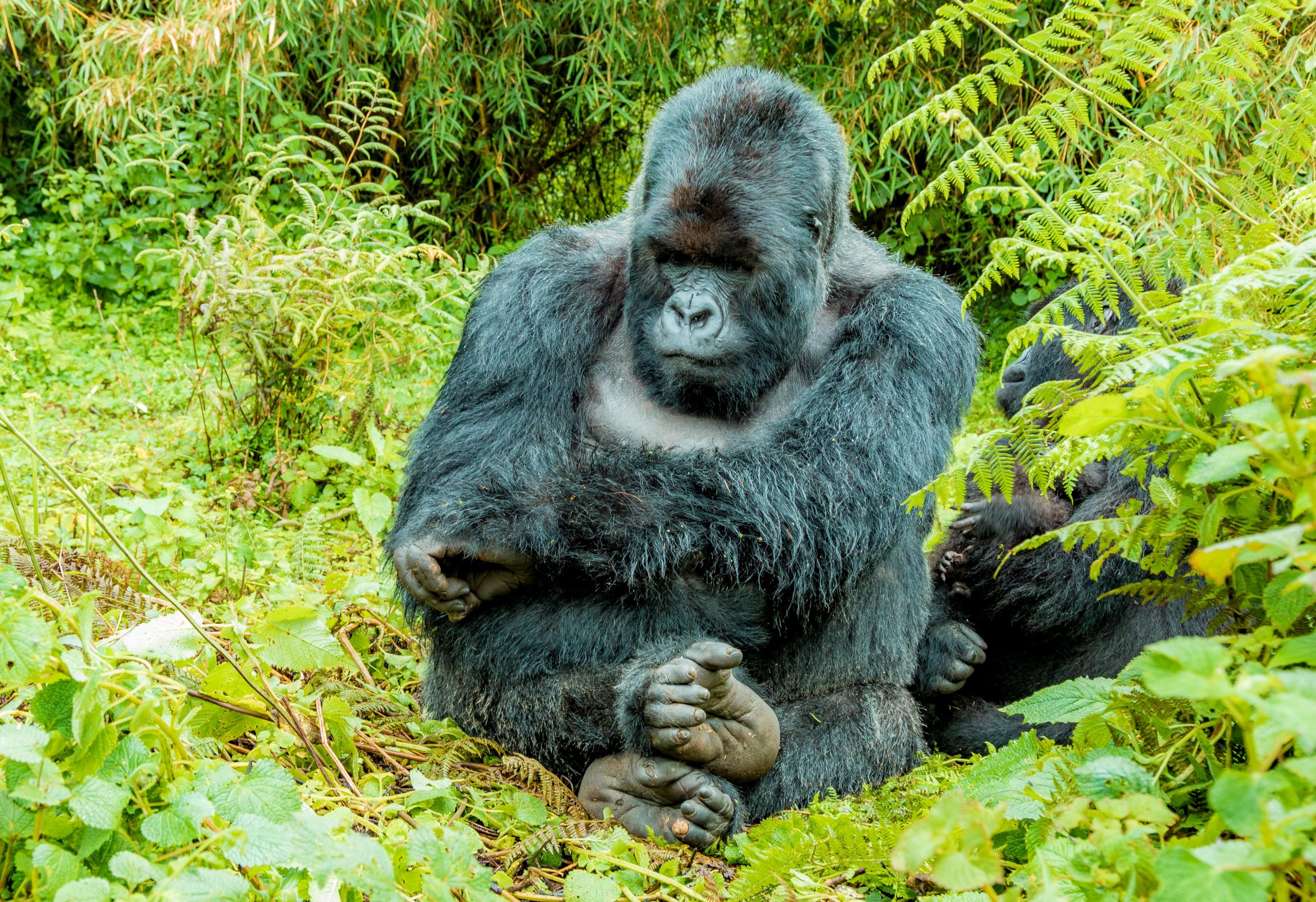
Bwindi is home to roughly half of the world’s remaining mountain gorillas – approximately 450 individuals across 19 habituated families. Trekking through the dense, misty rainforest to spend one magical hour with a gorilla family is a life-changing experience that draws visitors from every corner of the globe.
Trekking Details
- Duration: 2–8 hours (depending on where the family is located)
- Terrain: Steep, muddy, and challenging – fitness is essential
- Group Size: Maximum of 8 trekkers per gorilla family per day
- Success Rate: Over 98% of trekkers see gorillas
- What You’ll See: Silverback males weighing up to 220 kg, mothers with tiny infants, playful juveniles swinging through bamboo
Sectors in Bwindi
| Sector | Gorilla Families | Difficulty | Best For |
|---|---|---|---|
| Buhoma | 4 families | Moderate | First-time trekkers |
| Rushaga | 5 families | Challenging | Gorilla habituation experience |
| Ruhija | 4 families | Moderate | Birdwatching & shorter treks |
| Nkuringo | 3 families | Most challenging | Scenic views & experienced trekkers |
Other Activities
- Batwa Cultural Encounter: Learn about the indigenous Batwa (pygmy) people’s traditional forest life through performances, storytelling, and forest walks.
- Birdwatching: Over 350 bird species, including 23 Albertine Rift endemics like the African Green Broadbill.
- Waterfall Hikes: The Munyaga River Trail leads to three beautiful waterfalls.
Accommodation Options
| Budget Level | Lodges |
|---|---|
| Luxury | Gorilla Safari Lodge, Buhoma Lodge |
| Mid-Range | Ruhija Gorilla Lodge, Engagi Lodge |
| Budget | Broadbill Forest Camp, Bwindi Backpackers |
How to Get There
- By Road: 8–9 hours from Kampala via Kabale or Queen Elizabeth NP
- By Air: Short flight from Entebbe to Kihihi or Kisoro airstrip, followed by a drive
Pro Tips
- Book your permit well in advance – they sell out quickly
- Hire a local porter – they’ll carry your daypack and help you up steep slopes
- Wear waterproof hiking boots and long socks to protect against stinging nettles
- Carry wet wipes – facilities at the trailheads are basic
- Minimum age: 15 years for gorilla trekking
2. 🦁 Queen Elizabeth National Park
Uganda’s most popular safari park – home to tree-climbing lions
| At a Glance | |
|---|---|
| Location | Western Uganda, near Kasese |
| Distance from Kampala | ~400 km (6–7 hours by road) |
| Size | 1,978 km² |
| Best For | Tree-climbing lions, boat cruises, primates |
| Best Time | June–August & December–February |
Why You Should Visit
Queen Elizabeth is Uganda’s most visited national park and a haven for biodiversity. Its signature attraction is the tree-climbing lions of the Ishasha sector – a unique behavior rarely seen elsewhere in Africa. The park also boasts the Kazinga Channel, which has one of the highest concentrations of hippos in Africa.
Key Attractions
1. The Ishasha Tree-Climbing Lions
- Located in the remote Ishasha sector in the park’s south
- Lions are often seen lounging in massive fig trees, likely to escape biting insects and catch cooler breezes
- Best viewing times: 7:00–9:00 AM and 4:00–6:00 PM
- Sighting success rate: ~70% (early morning offers the best odds)
2. Kazinga Channel Boat Cruise
- A 40-kilometer natural channel connecting Lake Edward and Lake George
- What you’ll see: Thousands of hippos, crocodiles, elephants, buffalo, and numerous bird species
- Duration: 2 hours (morning and afternoon departures)
- Best time: Late afternoon for golden light and active wildlife
3. Kyambura Gorge
- Known as the “Valley of Apes” – an underground rainforest in the middle of the savannah
- Home to a habituated troop of chimpanzees
- Trekking duration: 2–4 hours
4. Crater Drive
- A scenic loop through the park’s northern sector
- Features a series of volcanic craters filled with sparkling lakes
- Offers breathtaking panoramic views and excellent birdwatching
Birdwatching
Queen Elizabeth has over 600 bird species, including:
- Shoebill stork (rare – best seen in the Kasenyi area)
- African skimmer
- Martial eagle (Africa’s largest eagle)
- Pink-backed pelican
- Great cormorant
Accommodation Options
| Budget Level | Lodges |
|---|---|
| Luxury | Mweya Safari Lodge, Ishasha Wilderness Camp |
| Mid-Range | Elephant Hab Lodge, Jacana Safari Lodge |
| Budget | Queen Elizabeth Bush Lodge, Tembo Safari Lodge |
How to Get There
- By Road: 6–7 hours from Kampala via Mbarara
- By Air: Short flight from Entebbe to Kasese or Mweya airstrip
Pro Tips
- The Ishasha lions are most active in the early morning – leave your lodge by 6:00 AM
- Book the Kazinga Channel cruise in advance – it often sells out
- Bring binoculars for birdwatching and a camera with a zoom lens for lion sightings
3. 🌊 Murchison Falls National Park
Where the Nile explodes through a 7-meter gorge
| At a Glance | |
|---|---|
| Location | Northwestern Uganda |
| Distance from Kampala | ~300 km (4–5 hours by road) |
| Size | 3,840 km² (Uganda’s largest park) |
| Best For | The Nile, wildlife, boat safaris, rhino tracking |
| Best Time | January–February & June–September |
Why You Should Visit
Murchison Falls is Uganda’s largest and oldest conservation area. The park is dominated by the spectacular Murchison Falls, where the River Nile forces its way through a narrow 7-meter gorge and plunges 43 meters with immense power. The resulting spray, roar, and rainbow are breathtaking.
Key Attractions
1. The Falls – Boat Safari to the Base
- A launch trip from the Paraa jetty takes you to the base of the falls
- What you’ll see: Hippos, crocodiles, elephants, and hundreds of birds along the riverbank
- The falls are most powerful during the rainy seasons
- View the falls from the top for a completely different perspective – the water roars through the gorge with thunderous force
2. Wildlife Viewing
- The park is a sanctuary for:
- Nubian giraffes (rare subspecies)
- Elephants (large herds)
- Lions and leopards (elusive)
- Buffalo (large herds)
- 450+ bird species including the shoebill stork
3. Game Drives
- Buligi Circuit: The best game drive area in the park
- Northern Bank: Excellent for spotting giraffes and elephants
- Delta Area: Best for shoebill sightings
- Best time: Early morning and late afternoon
4. Ziwa Rhino Sanctuary
- Located just outside the park
- The only place in Uganda where you can track wild white rhinos on foot
- Trek duration: 2–3 hours
- Guarantees close encounters with these majestic creatures
5. Boat to the Falls
- Morning and afternoon departures
- Duration: 3 hours
- What you’ll see: Hippos, crocodiles, and the falls up close
Accommodation Options
| Budget Level | Lodges |
|---|---|
| Luxury | Paraa Safari Lodge, Nile Safari Lodge |
| Mid-Range | Red Chillis, Murchison River Lodge |
| Budget | Wild Frontier, Murchison Backpackers |
How to Get There
- By Road: 4–5 hours from Kampala via Masindi
- By Air: Short flight from Entebbe to Pakuba or Chobe airstrip
Pro Tips
- Visit both the top and bottom of the falls for different perspectives
- Combine Ziwa Rhino Sanctuary with your trip – it’s on the way from Kampala
- Take an early morning boat safari for the best chance to see the shoebill
4. 🌳 Kibale Forest National Park
The primate capital of the world
| At a Glance | |
|---|---|
| Location | Western Uganda, near Fort Portal |
| Distance from Kampala | ~350 km (5–6 hours by road) |
| Size | 795 km² |
| Best For | Chimpanzee trekking, primates, birdwatching |
| Best Time | December–February & June–August |
Why You Should Visit
Kibale is the premier destination for chimpanzee trekking in Africa, with nearly 1,500 resident chimpanzees – one of the highest densities on the continent. This lush rainforest is home to 13 primate species, making it a primate lover’s paradise.
Chimpanzee Trekking
- Departure: 8:00 AM daily
- Group Size: Maximum 6 trekkers per chimp group
- Duration: 2–5 hours (including travel time to the family)
- Success Rate: Over 95% see chimps
- What You’ll See: Chimps playing, grooming, feeding, and using tools
- Family Groups: The park has 5 habituated chimp communities
Other Activities
1. Night Walks (Nocturnal Primate Spotting)
- One of the few places in Africa offering nocturnal forest walks
- What you’ll see: Bushbabies, pottos, nightjars, and tree hyraxes
- Duration: 2–3 hours (starts at 7:00 PM)
2. Bigodi Wetland Sanctuary
- A community-run sanctuary just outside the park
- Bird species: Over 200, including the great blue turaco and green-breasted pitta
- What else: Sitatunga antelope, monkeys, and forest walks
- Duration: 2–3 hours
- Why it’s special: A model for successful community tourism – your fees directly support local families
3. Sebitoli Forest
- Located in the park’s northern section
- Offers excellent birdwatching and a chimpanzee habituation experience
4. Crater Lakes
- The area surrounding Kibale is dotted with dozens of picturesque crater lakes
- Hiking, kayaking, and stunning viewpoints available
Accommodation Options
| Budget Level | Lodges |
|---|---|
| Luxury | Ndali Lodge, Crater Safari Lodge |
| Mid-Range | Kibale Forest Camp, Chimpanzee Guest House |
| Budget | Fort Portal Backpackers, Koi Koi Lodge |
How to Get There
- By Road: 5–6 hours from Kampala via Fort Portal
- By Air: Short flight from Entebbe to Kasese or Fort Portal airstrip
Pro Tips
- Book your chimp permit well in advance during peak season
- A Chimpanzee Habituation Experience allows much more time with semi-habituated chimps – book this for a truly immersive experience
- Combine your visit with Queen Elizabeth National Park – they’re only a few hours apart
- The Kasese-Fort Portal route is known for crater lakes – take a detour for spectacular views
5. 🚣 Jinja & The Source of the Nile
Adventure capital of East Africa
| At a Glance | |
|---|---|
| Location | Eastern Uganda |
| Distance from Kampala | ~80 km (1.5 hours by road) |
| Best For | White-water rafting, bungee jumping, source of the Nile |
| Best Time | April–May & October–November (big rapids) |
Why You Should Visit
Jinja is famous as the source of the River Nile and the adventure capital of East Africa. Whether you want to conquer Grade 5 rapids or simply watch a sunset at the source of the world’s longest river, Jinja has something for everyone.
Top Activities
1. White-Water Rafting
- The Nile offers world-class Grade 5 rapids including:
- “The Bad Place” – the most technical rapid
- “Total Grate” – a huge wave train
- “50/50” – a 50% chance of flipping
- Full-day trips (6–8 hours on the water) available
- Half-day trips available for beginners
- Safety kayakers accompany every group
- What to expect: An adrenaline-packed day with stunning scenery
2. Bungee Jumping
- A 44-meter leap over the Nile – the longest in Uganda
- Offers an exhilarating freefall with views of the river below
3. The Source of the Nile
- Take a boat trip to the exact spot where the Nile begins its 6,650-kilometer journey to the Mediterranean
- Duration: 1–2 hours
- Peaceful and scenic – perfect for sunset cruises
4. Kayaking & Stand-Up Paddleboarding
- Explore the calm sections of the river
- Ideal for beginners and families
5. Nile Horseback Safaris
- Unique experience riding through local villages and along the riverbank
- Spot wildlife like warthogs and waterbucks
6. Quad Biking & Mountain Biking
- Explore the scenic countryside, plantations, and riverbanks on guided tours
Accommodation Options
| Budget Level | Lodges |
|---|---|
| Luxury | Nile Village, Jinja Nile Resort |
| Mid-Range | Wild Waters, Explorers River Camp |
| Budget | Nile River Camp, Jinja Backpackers |
How to Get There
- By Road: 1.5 hours from Kampala on a paved road
- By Public Transport: Buses and matatus (minivans) from Kampala’s main bus stations
Pro Tips
- Book rafting in advance during peak season
- The best rafting conditions are during high water (April–May and October–November) – the rapids are biggest and most challenging
- For a more relaxing experience, the dry seasons (June–September and December–March) offer smoother rides
- Bring watersport shoes – the rocky parts of the river can be sharp
- Don’t forget sunblock and a waterproof camera
6. 🌄 Kidepo Valley National Park
Uganda’s last true wilderness – untouched and remote
| At a Glance | |
|---|---|
| Location | Northeastern Uganda (near South Sudan & Kenya) |
| Distance from Kampala | ~700 km (10–12 hours by road) |
| Size | 1,442 km² |
| Best For | Untouched wilderness, rare species, solitude |
| Best Time | October–March (dry season) |
Why You Should Visit
If you seek remoteness, solitude, and authentic wilderness, Kidepo is the answer. This rugged, semi-arid park in northeastern Uganda offers a breathtaking savannah landscape framed by jagged mountains. It is one of the country’s least visited parks, meaning you can have the incredible wildlife almost entirely to yourself.
Key Attractions
1. The Narus Valley
- The park’s most scenic area
- A vast grassland with seasonal streams that attract enormous herds of:
- Buffalo (one of the largest herds in Africa – over 1,000 individuals)
- Elephants (large herds)
- Zebras and giraffes
- Wildlife concentration here is among the highest in Africa
2. The Kidepo Valley
- A dry riverbed framed by dramatic rock formations
- Offers stunning sunsets and excellent photography opportunities
3. Rare Species
- Kidepo is home to species not found elsewhere in Uganda:
- Cheetahs
- Bat-eared foxes
- Aardwolves
- Ostriches
- It’s also a refuge for the endangered African wild dog
4. Walking Safaris
- Guided walking safaris offer a deeper immersion in the wilderness
- Track game on foot with experienced rangers
- Duration: 2–4 hours
5. Cultural Encounters
- The Karamojong people (related to Kenya’s Maasai) live in the area
- Visit their manyattas for insight into their traditional pastoralist lifestyle
- Cultural dances and crafts are available
6. Panoramic Views
- The park is ringed by mountains – Mount Morungole and the Napore Mountains
- Viewpoints offer views that stretch all the way to Sudan
Accommodation Options
| Budget Level | Lodges |
|---|---|
| Luxury | Apoka Safari Lodge, Kidepo Savannah Lodge |
| Mid-Range | Kidepo Safari Lodge, Sipi Guesthouse |
| Budget | Kidepo Community Camping, Karamojong Camp |
How to Get There
- By Road: 10–12 hours from Kampala (via Gulu or Kitgum)
- By Air: Short flight from Entebbe to Kidepo airstrip
Pro Tips
- Kidepo is very remote – plan for a minimum of 3 nights to make the trip worthwhile
- The dry season (October–March) is the only practical time to visit – the roads are impassable in the rainy season (April–September)
- The Narus Valley is the best area for wildlife viewing
- Hire a 4×4 vehicle – the roads are rough even in the dry season
- Pack a lot of water – the area is hot and dry
7. 🏔️ Rwenzori Mountains National Park
Mountains of the Moon – Africa’s snow-capped alpine wonder
| At a Glance | |
|---|---|
| Location | Western Uganda (DRC border) |
| Distance from Kampala | ~450 km (7–8 hours by road) |
| Highest Peak | Margherita Peak – 5,109 m (Africa’s 3rd highest) |
| Best For | Trekking, mountaineering, unique flora |
| Best Time | June–August & December–February |
Why You Should Visit
The Rwenzori Mountains, also known as the “Mountains of the Moon,” are a snow-capped mountain range that rises to 5,109 meters at Margherita Peak. They are one of Africa’s most challenging and rewarding trekking destinations – a UNESCO World Heritage Site with vegetation that appears prehistoric.
Key Attractions
1. Trekking to Margherita Peak
- A 7–10 day trek to the summit – requires technical ice-climbing skills
- The ascent is considered more challenging than Kilimanjaro due to steep slopes, ice, and unpredictable weather
- Guided expeditions include porters, cooks, and mountain guides
2. Short Treks (4–5 days)
- For non-climbers, shorter treks to the lower ridges offer stunning views
- Explore the Rwenzori Central Circuit
- What you’ll see: Glacial lakes, giant lobelias, and towering heather forests
3. Unique Ecosystems
- The Rwenzoris are famous for their Afro-alpine vegetation:
- Giant lobelias – up to 10 meters tall
- Giant groundsels – prehistoric-looking plants
- Towering heathers – covered in moss and lichen
- The scenery is otherworldly – with moss-draped forests, glacial lakes, and snow-capped peaks
4. Birdwatching
- Hosts rich bird species, including:
- Rwenzori turaco (endemic)
- Long-eared owl
- Albertine Rift endemics
5. Cultural Encounters
- Local guides and porters from the Bakonjo community offer insights into their traditional culture
- Stories and legends associated with the mountains add cultural depth
Accommodation Options
| Budget Level | Lodges |
|---|---|
| Luxury | Rwenzori Mountains Lodge, Equator Snow Lodge |
| Mid-Range | Ruboni Community Camp, Trekkers Hostel |
| Budget | Rwenzori Backpackers, Kilembe Camp |
How to Get There
- By Road: 7–8 hours from Kampala via Kasese
- By Air: Short flight from Entebbe to Kasese airstrip
Pro Tips
- The Rwenzoris are more challenging than Kilimanjaro – proper fitness and acclimatization are essential
- Book well in advance – guides and permits are limited
- Proper mountaineering gear (ice axes, crampons, ropes) is required for Margherita Peak
- The rainy seasons make the mountains treacherous and slippery – avoid these months
- Hire a local guide – they know the terrain and can call the mountain’s weather patterns
8. 🏞️ Lake Mburo National Park
A compact gem with zebras, impalas & elands
| At a Glance | |
|---|---|
| Location | Southwestern Uganda |
| Distance from Kampala | ~240 km (3–4 hours by road) |
| Size | 370 km² (Uganda’s smallest savannah park) |
| Best For | Zebras, elands, walking safaris, boat trips |
| Best Time | June–August & December–February |
Why You Should Visit
Lake Mburo is Uganda’s smallest savannah park but offers a unique experience with its large herds of zebras, impalas, and elands. Its accessible location makes it a great introduction to Ugandan wildlife or a relaxing add-on to a longer itinerary.
Key Attractions
1. Zebras & Elands
- Lake Mburo is the only place in Uganda where you can easily see the magnificent eland – the largest antelope in Africa
- Large herds of zebras and impalas roam the park
- Unlike most Ugandan parks, Lake Mburo is fenced, allowing animals to be easily spotted
2. Boat Safaris
- A boat trip on Lake Mburo offers views of:
- Hippos
- Crocodiles
- Waterbirds – including the rare African finfoot
- Duration: 2 hours
3. Walking Safaris
- One of the few parks in Uganda where you can go on a guided walking safari
- Track wildlife on foot for a truly immersive experience
- Duration: 2–4 hours
4. Night Game Drives
- Spot nocturnal animals like the porcupine, bushpig, and leopard
- Duration: 2–3 hours
5. Cultural Encounters
- Visit nearby communities for cultural visits to local villages and farms
Accommodation Options
| Budget Level | Lodges |
|---|---|
| Luxury | Mihingo Lodge, Lake Mburo Safari Lodge |
| Mid-Range | Rwonyo Rest Camp, Mantana Tented Camp |
| Budget | Lake Mburo Backpackers, Nganji Camp |
How to Get There
- By Road: 3–4 hours from Kampala via Masaka or Mbarara
Pro Tips
- Combine Lake Mburo with Bwindi gorilla trekking – it’s on the way
- Walking safaris are highly recommended – one of the few places in Uganda where you can do this
- Night drives are excellent for spotting leopards and bushbabies
9. 🏝️ Ssese Islands
White-sand beaches on Africa’s largest lake
| At a Glance | |
|---|---|
| Location | Lake Victoria |
| Distance from Kampala | ~80 km (to Entebbe ferry point) |
| Number of Islands | 84 |
| Best For | Beach relaxation, fishing, birdwatching |
| Best Time | June–August & December–February |
Why You Should Visit
The Ssese Islands are an archipelago of 84 islands in Lake Victoria, offering white-sand beaches, fishing villages, and a tranquil escape from the mainland. They are the perfect place to unwind after a safari.
Key Attractions
1. Beach Relaxation
- The islands are home to stunning beaches, including Banda Island
- Perfect for swimming, sunbathing, and relaxing in hammocks
- A “complete disconnect from the world” – no internet, no phones
2. Sport Fishing
- Lake Victoria is famous for its giant Nile perch – up to 100 kilograms
- Fishing safaris available
3. Birdwatching
- The islands are rich in birdlife, including:
- African fish eagle
- Great cormorants
- Herons and kingfishers
4. Boat Trips
- Explore the nearby islands
- Visit fishing villages
- Spot hippos and crocodiles along the shores
5. Cultural Encounters
- Visiting local villages on Buggala Island offers insight into the traditional lifestyle of the islanders
Accommodation Options
| Budget Level | Lodges |
|---|---|
| Luxury | Banda Island Resort, Ssese Islands Beach Hotel |
| Mid-Range | Nkungu Beach Lodge, Mirembe Beach Resort |
| Budget | Ssese Backpackers, Buggala Camp |
How to Get There
- By Ferry: From Entebbe (1–2 hours crossing) to Buggala Island
- By Road: 1.5 hours from Kampala to Entebbe, then ferry
Pro Tips
- The islands are very laid back – expect slow service
- Banda Island is the most exclusive and luxurious
- Buggala Island is the most developed with the most accommodation options
- Bring cash – there are no ATMs on the islands
- The rainy seasons are quieter but offer lush scenery
10. 🐊 Mabamba Swamp
Uganda’s premier shoebill stork destination
| At a Glance | |
|---|---|
| Location | Lake Victoria, near Entebbe |
| Distance from Entebbe | ~10 km (20-minute drive) |
| Best For | Shoebill stork, birdwatching |
| Best Time | June–August & December–February |
Why You Should Visit
Mabamba Swamp is a protected wetland and the best place in Uganda to spot the iconic shoebill stork. This ancient-looking bird, standing up to 5 feet tall, is a bucket-list sighting for birders from around the world.
Key Attractions
1. Shoebill Sighting
- Mabamba has one of the highest densities of shoebills in Uganda
- Best viewing time: 6:00–8:00 AM when they are most active
- Shoebills hunt for lungfish and frogs in the shallow waters
2. Boat Rides
- A motorized canoe trip through the swamp
- What you’ll see: Shoebills, herons, egrets, jacanas
- The swamp is also home to sitatunga antelope and otters
3. Community Tourism
- The Mabamba Swamp is protected by local community groups
- Your boat fees directly support conservation efforts and local livelihoods
4. Bird Diversity
- Over 300 bird species have been recorded in the swamp
Accommodation Options
| Budget Level | Lodges |
|---|---|
| Luxury | Entebbe Airport Hotel, Protea Hotel Entebbe |
| Mid-Range | Hotel No. 5, Airport Link Guesthouse |
| Budget | Entebbe Backpackers, Travellers Inn |
How to Get There
- By Road: 20-minute drive from Entebbe town
- By Boat: Canoes are available at the swamp
Pro Tips
- Mabamba is best visited as a day trip from Entebbe or Kampala
- The early morning departure offers the best sighting opportunities
- Wear neutral-colored clothing to avoid disturbing the birds
- Bring binoculars and a camera with a zoom lens
- The rainy seasons are not ideal – water levels rise and the birds spread out
Hidden Gems
Beyond the major parks, Uganda offers destinations for those looking to get off the beaten track.
🌿 Pian Upe Wildlife Reserve
- Location: Northeastern Uganda, near the Kenya border
- Size: 2,788 km² (Uganda’s second-largest protected area)
- What you’ll see: Ostriches, cheetahs, zebras, and African wild dogs
- Landscape: Semi-arid savannah with rocky hills and dry riverbeds – completely different from the lush south
- Best time: October–March
- Why it’s special: One of the few places in Uganda to spot ostriches and cheetahs; spectacular views of Mount Kadam and Mount Moroto
🌿 Semuliki National Park
- Location: Western Uganda (DRC border)
- Size: 220 km²
- What you’ll see: Sempaya Hot Springs, forest elephants, buffalo, 11 primate species, and 400+ bird species
- Landscape: Uganda’s only lowland tropical rainforest – one of the oldest forests in Africa (over 25,000 years)
- Best time: June–August & December–February
- Why it’s special: The hot springs are a highlight – the “female” spring can shoot boiling water up to 2 meters high; local legends say the springs have healing properties
🌿 Sipi Falls
- Location: Eastern Uganda, near Mount Elgon
- What you’ll see: Three spectacular waterfalls cascading over cliffs
- Activities: Abseiling, hiking, coffee tours, birdwatching
- Best time: June–August & December–February
- Why it’s special: One of Uganda’s most scenic spots – the falls plunge over 100 meters; stay in cliffside lodges for the best views
🌿 Lake Bunyonyi
- Location: Southwestern Uganda, near Kabale
- What you’ll see: One of Africa’s deepest lakes (the deepest in Uganda)
- Activities: Canoeing, swimming (no bilharzia), island hopping, birdwatching
- Why it’s special: Stunning scenery with 29 islands; a peaceful escape from safari crowds
Practical Travel Guide
When to Visit Uganda (Month-by-Month Guide)
| Month | Weather | Activities | Crowds | Pros | Cons |
|---|---|---|---|---|---|
| January | Dry (hot) | All activities | High | Best wildlife viewing; sunny days | High prices; busy lodges |
| February | Dry (hot) | All activities | High | Great for gorillas; clear skies | Increasingly hot |
| March | Wet (light) | Wildlife viewing | Medium | Lush scenery; lower prices | Occasional rain; some roads muddy |
| April | Wet (heavy) |