
Semuliki National Park: Uganda’s Congo Basin Forest and Hot Springs
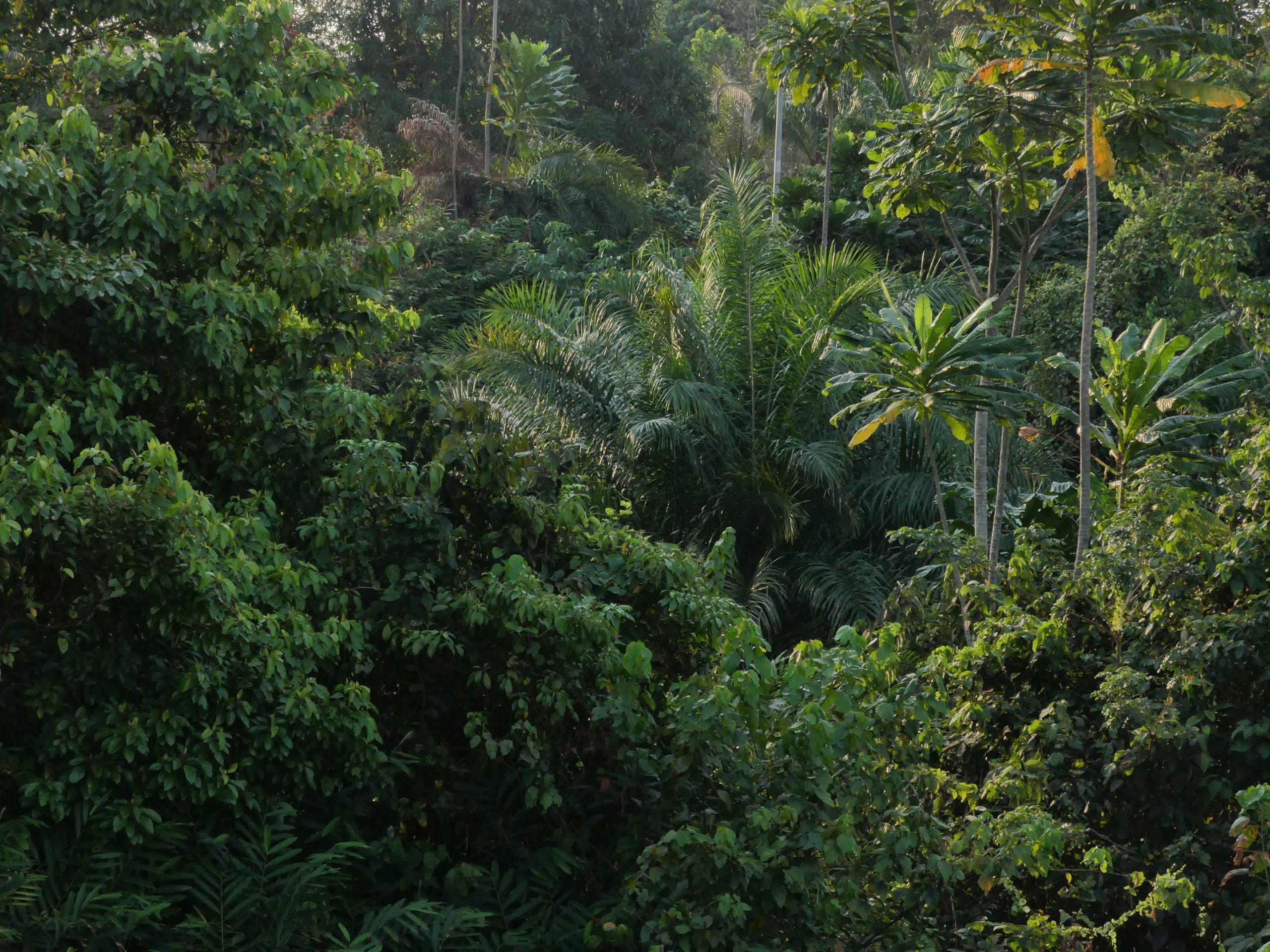
On Uganda’s western border, where the Rwenzori Mountains drop down to the floor of the Albertine Rift, lies a forest that feels as though it belongs to another continent. Semuliki National Park protects an eastern extension of the vast Ituri Forest of the Congo Basin, and its wildlife includes many species found nowhere else in East Africa. Add bubbling hot springs, rare forest birds, the meandering Semuliki River and traditional communities, and you have one of Uganda’s most fascinating and least visited parks.
This complete guide covers Semuliki’s forest, hot springs, wildlife and birds, things to do, the best time to visit, how to get there and how to combine the park with Fort Portal, Kibale and the Rwenzoris.
Semuliki at a Glance
- Location: Bundibugyo District, western Uganda, on the border with the Democratic Republic of the Congo.
- Size: Around 220 square kilometres.
- Established: As a national park in 1993.
- Known for: Lowland tropical forest, the Sempaya Hot Springs, Central African bird species, primates and the Semuliki River.
- Managed by: the Uganda Wildlife Authority.
A Piece of the Congo Basin
Most of Uganda’s forests are montane or medium-altitude forests typical of East Africa. Semuliki is different. It is a lowland tropical forest, a continuation of the Ituri Forest that stretches deep into the Congo Basin, and it survived the dry periods of the last ice age. As a result, it is home to many plants and animals typical of Central Africa that occur nowhere else in Uganda or East Africa. The forest floor is often flooded, and the Semuliki River, which forms the border with the DRC, winds through the park, its banks lined with dense vegetation.
Sempaya Hot Springs
The park’s most famous attraction is the Sempaya Hot Springs, two groups of springs reached by short forest trails. The male spring, known locally as Bitente, lies in an open swampy area and is approached by a boardwalk. The female spring, Nyasimbi, is the more dramatic, a boiling geyser that shoots water and steam into the air from a pool surrounded by mineral deposits. The water is hot enough to boil eggs and bananas, which guides often demonstrate. The springs are tied to the traditions of the local Bamaga clan, who consider them sacred, and guides share stories about their spiritual significance.
Birds of Semuliki
Semuliki is one of Africa’s top birding destinations. More than 440 bird species have been recorded, including dozens of species from the Guinea–Congo forest biome that are difficult or impossible to see elsewhere in East Africa. Highlights include several species of hornbills, such as the black-casqued wattled hornbill, white-crested hornbill, piping hornbill and black dwarf hornbill, as well as the Nkulengu rail, Congo serpent eagle, red-billed dwarf hornbill, yellow-throated cuckoo, Hartlaub’s duck, long-tailed hawk and lyre-tailed honeyguide. Serious birders often spend several days here. See our guides to birdwatching in Uganda and our 14-day Uganda birding itinerary.
Wildlife in Semuliki
Semuliki’s mammals are mostly forest species and can be shy, but the park supports a fascinating mix:
- Primates: chimpanzees, black-and-white colobus, red-tailed monkeys, blue monkeys, grey-cheeked mangabeys, olive baboons, vervet monkeys, De Brazza’s monkeys and nocturnal pottos and bushbabies.
- Forest antelopes: including several species of duiker and the tiny water chevrotain.
- Forest elephants and buffalo: present but rarely seen.
- Other mammals: leopards, civets, flying squirrels and many species of bats.
- Butterflies: hundreds of species, many of them Central African.
Things to Do in Semuliki
Visit the hot springs. A short guided walk leads to both the male and female springs, and is suitable for most visitors.
Forest hiking. The Kirumia Trail, a long trail of around 13 kilometres, leads through the heart of the forest to the Semuliki River and is excellent for birding. The shorter Red Monkey Trail follows the park’s eastern edge, where De Brazza’s monkeys may be seen. Guided walks reveal the forest’s plants, insects, birds and primates.
Birdwatching. Early-morning birding walks with specialist guides are the best way to find Semuliki’s many rare species.
Cultural encounters. The Batwa (Batuku) community, whose ancestors lived as hunter-gatherers in the forest, live near the park, and cultural visits introduce their traditions. Other communities in the area, such as the Bamba and Bakonjo, have rich cultures linked to the Rwenzoris. Visit respectfully and ensure that fees benefit the communities; see our article on ethical cultural experiences.
Semuliki Wildlife Reserve and Lake Albert
Not to be confused with the national park, the nearby Toro-Semliki Wildlife Reserve lies to the north-east, on the shores of Lake Albert. It offers savannah game drives, chimpanzee tracking in riverine forest and boat trips on Lake Albert, where the shoebill can sometimes be seen. Read our guide on where to see the shoebill in Uganda.
Best Time to Visit
Semuliki receives rain throughout the year, but the drier months, from December to February and June to September, offer the best hiking conditions. Birding is excellent year-round, and many species breed during the rains. Expect heat and humidity, as Semuliki lies at a lower altitude than much of Uganda. See our guide to the best time to visit Uganda.
How to Get There
Semuliki is about an hour to an hour and a half from Fort Portal by road. The scenic drive climbs over the northern foothills of the Rwenzori Mountains before descending into the Rift Valley, with spectacular views. From Kampala, allow around six to seven hours to Fort Portal, or fly to the Fort Portal area. Many visitors stay in Fort Portal or near the crater lakes and visit Semuliki on a day trip; see our Fort Portal crater lakes guide.
Where to Stay
Accommodation near the national park is limited to simple bandas and guesthouses around Bundibugyo and the park gate. Most visitors stay in Fort Portal, at the crater lakes or at lodges in the Toro-Semliki Wildlife Reserve overlooking Lake Albert.
Combining Semuliki With Other Destinations
- Kibale Forest: chimpanzee tracking just south of Fort Portal; see our Kibale guide and Bigodi Wetland Sanctuary guide.
- Rwenzori Mountains: trekking in the Mountains of the Moon; see our Rwenzori hiking guide.
- Queen Elizabeth National Park: classic savannah safari a few hours south; see our Queen Elizabeth guide.
Our 9-day Semuliki rainforest, hot springs and crater lakes expedition brings these destinations together.
Tips for Visiting
- Wear long trousers, long sleeves and waterproof boots, as trails can be muddy.
- Bring insect repellent, water and a light rain jacket.
- Use binoculars and hire a specialist bird guide if birding is your focus.
- Check health advice; see our guide to East Africa vaccinations and malaria.
Frequently Asked Questions
Is Semuliki worth visiting? Yes, especially for birders and nature lovers interested in a forest unlike any other in East Africa, and for the dramatic hot springs.
Can I do Semuliki as a day trip from Fort Portal? Yes. The hot springs and a forest walk can easily be visited in a day.
Are there chimpanzees in Semuliki? Yes, but they are not habituated for tracking in the national park. Chimp tracking is available in the nearby Toro-Semliki Wildlife Reserve and in Kibale.
Plan Your Visit
Semuliki National Park offers a taste of the Congo Basin without leaving Uganda, with boiling springs, rare birds and an atmosphere all its own. Kuku Safaris can arrange guides, transport and accommodation, and combine Semuliki with Kibale, the crater lakes, the Rwenzoris and Queen Elizabeth. Get in touch to start planning your western Uganda adventure.