
Best Time to Visit Uganda: Weather, Wildlife and What to Do by Season
The best time to visit Uganda depends on what you want to do. Gorillas and chimpanzees can be seen all year, while game viewing and hiking change with the seasons. This guide compares the seasons so you can pick the right months.
Uganda’s seasons in brief
Because Uganda sits on the equator, it has no hot and cold seasons. Instead it has two wetter periods and two drier ones:
- Drier: roughly December to February and June to September.
- Wetter: roughly March to May and October to November.
Patterns vary by region and by year, and rain can fall in any month, especially in the forests.
Best time for game viewing
In parks such as Murchison Falls and Queen Elizabeth, the dry seasons are usually best for game drives. Vegetation is thinner and animals gather near water, so they are easier to see. The wetter months are greener and quieter, but animals spread out.
Best time for gorillas and chimpanzees
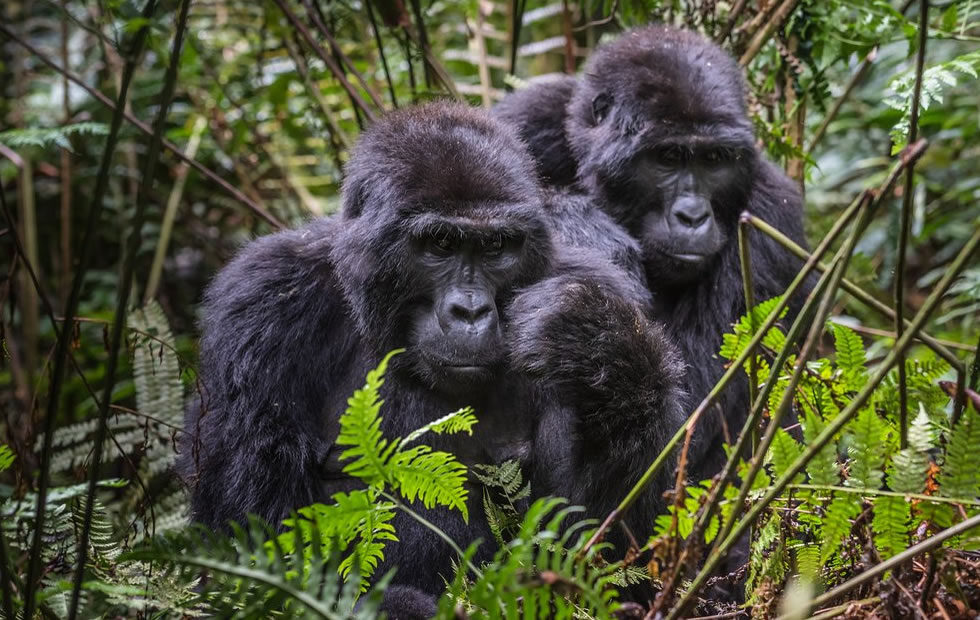
Primate trekking runs all year. The dry months make forest trails easier, and the wet months bring lower permit prices in April, May and November. See our month-by-month gorilla trekking guide and our dry vs wet season comparison.
Best time for birding
Uganda has hundreds of bird species, and birding is good all year. Many travellers find the wetter months good for breeding plumage and the arrival of migrants, so they are worth considering if birds are your priority.
Best time for hiking and adventure
Drier months make volcano climbs, forest walks and river activities more comfortable.
Season by season
| Period | Good for | Watch out for |
|---|---|---|
| December to February | Game viewing, easier trails | Busy holiday period |
| March to May | Lower prices, green landscapes | Heavy rain, muddy roads |
| June to September | Game viewing, trekking | Peak demand and sold-out permits |
| October to November | Quiet parks, value | Showers return |
Our suggestion
For a first trip, choose the drier months if you can plan ahead, and choose April, May or November if you want better value and fewer crowds. Either way, pack for rain: see our packing guide.
Plan your trip
Tell us when you want to travel, and we will plan around the season. Request a free quote, read the Uganda safari cost guide, or see the Uganda Tourism Board for official travel information.
Uganda month by month
January: Dry, warm and sunny across most of the country. Excellent for game viewing and gorilla trekking. Busy in the first week after New Year, then quieter.
February: One of the driest months. Great conditions for trekking, game drives and hiking. Book permits early.
March: The long rains usually begin during March, often gradually. Landscapes turn green and visitor numbers fall.
April: Typically the wettest month, with heavy afternoon showers and storms. Parks are quiet and many lodges offer lower rates. Trails are muddy, so trekking is more strenuous.
May: Rain continues but often eases towards the end of the month. The countryside is lush and birdlife is excellent.
June: The start of the long dry season and the main peak period. Ideal for gorilla trekking and game viewing; demand for permits and lodges is high.
July: Dry and busy, with excellent trekking and wildlife viewing. Book well in advance.
August: Peak season continues, with school holiday travellers. One of the most popular months.
September: Still dry in most areas, with slightly fewer visitors than July and August. A great month to travel.
October: The short rains usually begin. Showers are often lighter than in April, and migratory birds start to arrive.
November: Green and quiet, with showers and good value. Birding is excellent.
December: The weather dries out, and the festive season brings a surge of visitors around Christmas and New Year. Read our guide to a Uganda safari over Christmas and New Year.
Regional differences
Uganda’s climate varies with altitude and region. The south-west, home to Bwindi, Mgahinga and Lake Bunyonyi, is high and cool, with frequent mist and rain at any time of year; nights can be chilly. Western Uganda, including Kibale and Queen Elizabeth, is warm and humid, with the classic two wet and two dry seasons. Murchison Falls in the north-west is hotter and drier, especially on the northern plains. Kidepo Valley in the far north-east has a different pattern, with one main rainy season, roughly from April to October, and a long dry season from November to March, when wildlife concentrates near water. The Rwenzori Mountains and Mount Elgon are wet for much of the year, and hikes are best attempted in the drier months.
Best time for specific experiences
- Gorilla trekking: all year; June to September and December to February for drier trails. See our month-by-month guide.
- Chimpanzee tracking: all year; fruiting seasons in the rains can concentrate chimpanzees.
- Tree-climbing lions in Ishasha: dry seasons, when lions use fig trees for shade. See our tree-climbing lions guide.
- Kazinga Channel and Nile boat cruises: excellent all year, with more animals at the water in the dry seasons.
- Shoebill: all year in Mabamba Swamp and other wetlands.
- White-water rafting in Jinja: all year. See our rafting guide.
- Rwenzori and Mount Elgon treks: drier months, roughly June to August and December to February.
- Kidepo Valley: November to March, during its dry season.
Peak season vs low season
Peak season, broadly June to September and December to February, offers the most reliable weather but also the highest demand. Gorilla permits and popular lodges can sell out months ahead, and lodge rates are at their highest. The low or green season, broadly March to May and October to November, offers lower lodge rates, easier permit availability and quieter parks, in exchange for more rain and muddier trails. Many experienced travellers deliberately choose the shoulder months, such as late May, early June, September, October or early December, to balance weather and value. Read our guide to the Uganda green season.
Weather and packing
Whatever the season, pack for variety. Days on the savannah are warm, with temperatures commonly in the high 20s Celsius, while mornings and evenings in the south-western highlands can be cool, sometimes dropping close to 10 degrees. Bring layers, a waterproof jacket, sturdy waterproof boots, sun protection and insect repellent. In the rainy months, add quick-drying clothes and a rain cover for your daypack and camera. See our ultimate African safari packing list.
Combining Uganda with neighbouring countries
If you are combining Uganda with Kenya, Tanzania or Rwanda, consider how the seasons align. Kenya’s Maasai Mara is at its best for the Great Migration from about July to October, which fits well with Uganda’s June to September dry season. Tanzania’s calving season in the southern Serengeti runs from around January to March, which coincides with Uganda’s December to February dry season. Rwanda’s seasons are similar to Uganda’s. Read our comparisons of Uganda vs Kenya and Uganda vs Tanzania, and our guide to the best time to visit East Africa.
Gorilla trekking in the dry season vs the wet season
Gorilla trekking is possible every day of the year, but the experience changes with the seasons. In the dry seasons, trails in Bwindi and Mgahinga are firmer and easier to walk, and the weather is more predictable, which is why these months are so popular. However, permits and lodges book out early. In the wet seasons, trails are muddier and steeper sections can be slippery, so treks may feel harder. On the other hand, gorillas sometimes stay at lower altitudes where food is plentiful, permits are easier to secure, lodges are quieter and the forest is at its most lush and atmospheric. Rain in Bwindi often falls in the afternoon, after many treks have finished. Whatever the season, wear waterproof boots, gaiters and a rain jacket, and hire a porter. Read our comparison of gorilla trekking in the dry vs wet season.
Best time for families
Families often travel during school holidays, which in many countries fall in July and August, around Christmas and New Year, and at Easter. July and August coincide with Uganda’s long dry season, making them ideal for family safaris, though they are also the busiest months, so book early. Christmas and New Year fall in the short dry season and are also popular. Easter often falls in the long rains, when you can enjoy lower rates and quieter parks if you are prepared for some rain. Read our family safari guide.
Best time for photographers
Photographers often love the green season. Rain clears dust from the air, landscapes are vibrant, storm clouds create dramatic skies and soft, diffused light in the forests is ideal for photographing gorillas and chimpanzees without harsh contrast. The dry seasons offer more predictable conditions and easier game viewing on the savannah, with animals concentrated near water. Golden light at sunrise and sunset is spectacular in any season. Read our gorilla trekking photography tips.
Best time for value
If you want the best value, consider travelling in March to May or October to November. Many lodges reduce their rates during these months, some offer stay-longer deals, and international flights can be cheaper outside peak holiday periods. Permits are easier to find, and you will share the parks with fewer visitors. Shoulder months, such as late May, early June, September and early December, can also offer good value while avoiding the heaviest rain. Read our guide to Uganda safari costs.
Planning around holidays and events
Some dates in Uganda’s calendar affect travel. Martyrs’ Day on 3 June draws hundreds of thousands of pilgrims to Namugongo, near Kampala, so roads and accommodation in the area are very busy. Independence Day on 9 October, Christmas and New Year are public holidays, when roads out of Kampala can be busy as people travel home. Easter is also widely celebrated. Plan extra travel time around these dates, and book accommodation early. Read our guide to religious tourism in Uganda.
How climate change is affecting seasons
In recent years, rainfall patterns in East Africa have become less predictable. The rains sometimes start earlier or later than usual, and some dry seasons have seen more rain than expected, while some wet seasons have been drier. This means it is wise to pack for rain whatever the month and to plan flexible itineraries. Your safari company can share up-to-date information about recent conditions when you plan your trip.
Our seasonal recommendations at a glance
- First-time visitors who want the easiest conditions: June to September or December to February.
- Best value and fewest crowds: March to May or October to November.
- Best balance of weather and value: late May, early June, September or early December.
- Birders: November to April, when migrants are present.
- Hikers in the Rwenzori or on Mount Elgon: June to August or December to February.
- Kidepo Valley: November to March.
- Families on school holidays: July, August and the Christmas holidays, booked well in advance.
Whenever you travel, Uganda’s gorillas, chimpanzees and spectacular landscapes make it a rewarding destination. Tell us your dates and priorities, and we will recommend the best time and itinerary for you.
Good to know: whichever month you choose, book gorilla permits first and plan the rest of your trip around them. In peak months, permits can sell out six months or more in advance, while in the green season they are often available at shorter notice. If your dates are flexible, ask us to check permit availability across several weeks, so we can recommend the best timing for your safari.
Frequently asked questions
What is the best month to visit Uganda?
The drier months, such as June to September and December to February, suit most travellers.
Is the rainy season a bad time to visit?
No. It is cheaper and quieter, but expect mud and showers.
Is Uganda hot all year?
Temperatures are mild to warm, and higher areas such as Bwindi are cooler, especially at night.
Related Guides
- Uganda green season safari: whether the rainy season is worth it.
- Uganda safari over Christmas and New Year: planning a festive trip.
3 thoughts on “Best Time to Visit Uganda: Weather, Wildlife and What to Do by Season”
Comments are closed.