
Uganda vs Kenya Safari: Which Is Better for Your Trip?
Kenya and Uganda are neighbours, but they offer two very different safari experiences. Kenya is the home of the classic African safari: vast golden plains, huge herds of wildebeest and zebra, big cats on the hunt and the world-famous Great Migration in the Maasai Mara. Uganda, the Pearl of Africa, is greener, wilder and less crowded, with mountain gorillas, chimpanzees, tree-climbing lions, the source of the Nile and an astonishing variety of birds. Both are outstanding, and the right choice depends on what you most want to see and how you like to travel.
As a safari company that has worked across both countries, we are often asked which is better. The honest answer is that they complement each other beautifully. This guide compares Uganda and Kenya side by side, covering wildlife, landscapes, crowds, costs, accommodation, travel logistics and the best time to visit, to help you decide, or to show you how to enjoy both in a single trip.
Uganda vs Kenya at a Glance
- Best for big cats and huge herds: Kenya.
- Best for gorillas and chimpanzees: Uganda.
- Best for the Great Migration: Kenya, from roughly July to October.
- Best for fewer crowds: Uganda.
- Best for birdwatching: Uganda, with over 1,000 recorded species.
- Best for a beach finish: Kenya, with Diani and Lamu on the Indian Ocean.
- Best for adventure: Uganda, with forest trekking, Nile rafting and mountain hiking.
- Best for short trips: Kenya, where major parks are closer together and well connected by flights.
Wildlife: Plains Game vs Primates
Kenya is famous for density and drama. In the Maasai Mara, it is common to see lions, cheetahs and leopards on a single game drive, along with elephants, buffalo, giraffes, zebras and countless antelope. Amboseli is known for its large elephant herds framed by Mount Kilimanjaro, Samburu for its special northern species such as Grevy’s zebra and reticulated giraffe, and conservancies such as Ol Pejeta for rhinos. If your dream is to watch a cheetah sprint or lions stalk wildebeest on open plains, Kenya is hard to beat.
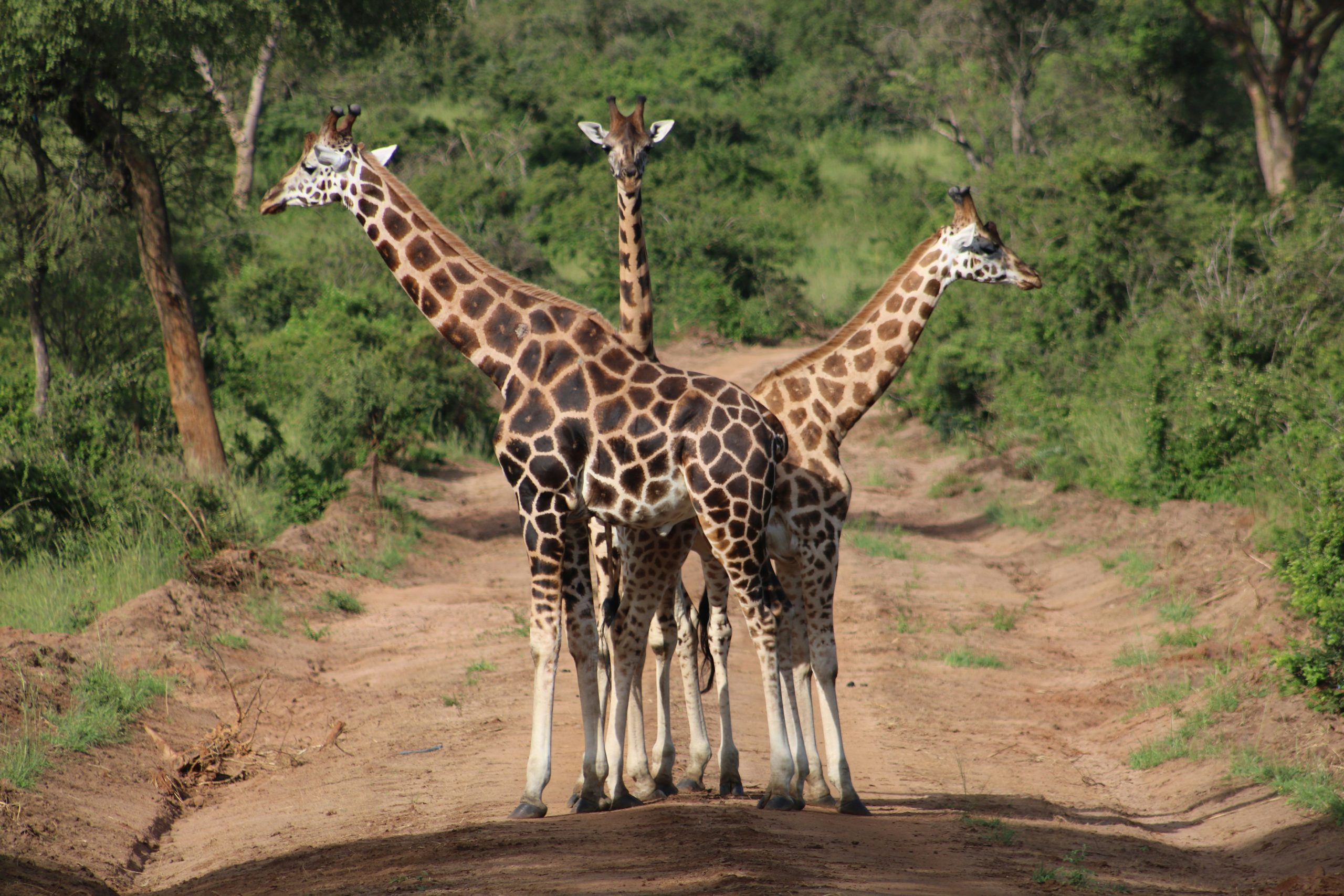
Uganda is famous for variety. It is home to roughly half of the world’s mountain gorillas, in Bwindi Impenetrable and Mgahinga, and has some of Africa’s best chimpanzee tracking in Kibale. Its savannah parks also offer excellent game viewing: Queen Elizabeth has tree-climbing lions and huge numbers of hippos along the Kazinga Channel, Murchison Falls has elephants, Rothschild’s giraffes and lions, and remote Kidepo Valley has cheetahs, large buffalo herds and dramatic scenery. Rhinos can be tracked on foot at Ziwa Rhino Sanctuary. Game densities are generally lower than in the Mara, but you share sightings with far fewer vehicles.
See our guides to the Uganda Big Five safari and Kenya Big Five safari.
Gorillas: Uganda’s Trump Card
Kenya has no mountain gorillas. If seeing gorillas in the wild is on your list, Uganda (or neighbouring Rwanda) is essential. Uganda’s standard gorilla trekking permit costs USD 800 for foreign non-residents, significantly less than Rwanda’s USD 1,500, and Uganda is the only country offering the gorilla habituation experience, which allows up to four hours with a gorilla family. Read our Bwindi gorilla trekking guide and our guide on how much a gorilla permit costs in Uganda.
The Great Migration: Kenya’s Headline Act
Each year, more than a million wildebeest, along with zebras and gazelles, move between Tanzania’s Serengeti and Kenya’s Maasai Mara in search of fresh grazing. The herds usually arrive in the Mara around July and stay until about October, crossing the Mara River in dramatic, crocodile-filled scenes. Witnessing a river crossing is one of the world’s great wildlife spectacles, and it is a major reason to choose Kenya. Uganda does not have a comparable migration. See our guide to Great Migration dates in the Maasai Mara.
Landscapes and Scenery
Kenya’s iconic landscapes are wide open: golden savannah dotted with acacia trees, the Great Rift Valley with its soda lakes and flamingos, and the snow-capped peaks of Kilimanjaro and Mount Kenya on the horizon. Uganda is strikingly green. Its scenery ranges from misty montane rainforest and terraced hills to crater lakes, the glaciers of the Rwenzori Mountains, papyrus swamps, the thundering Murchison Falls and the wide waters of Lake Victoria. Many travellers are surprised by how lush and varied Uganda is.
Crowds and Exclusivity
Kenya’s popularity means that some areas, especially the main reserve of the Maasai Mara during migration season, can be busy, with many vehicles gathering at big cat sightings and river crossings. Private conservancies bordering the Mara limit vehicle numbers and offer a more exclusive experience at a higher price. Uganda receives far fewer visitors, and in parks such as Kidepo Valley or Ishasha you may have sightings entirely to yourself. Gorilla trekking is strictly limited to eight visitors per family per day, so it always feels intimate.
Cost Comparison
Both countries offer safaris from budget camping to ultra-luxury lodges. Some general points:
- Park fees: Kenya’s Maasai Mara and private conservancies charge relatively high daily fees, especially in peak season. Uganda’s park entry fees are moderate, but gorilla permits add a significant cost.
- Distances: Uganda’s parks are spread out, so safaris often involve long drives or domestic flights. Kenya’s main parks are well connected by frequent flights, which can make shorter trips efficient.
- Value: without gorillas, a Uganda safari is often good value. With gorillas, the permit is the largest single cost, but still less than in Rwanda.
Read our detailed guides to Uganda safari costs, Kenya safari costs and Maasai Mara safari costs.
Accommodation
Kenya has one of Africa’s most developed safari industries, with a huge choice of tented camps and lodges at every level, including some of the continent’s most celebrated luxury camps. Uganda’s accommodation has improved enormously, and its best lodges, such as those in Bwindi, Kibale and Queen Elizabeth, are now among the finest in East Africa, though the overall choice is smaller. Read our guide to luxury tourism in Uganda.
Activities Beyond Game Drives
Uganda is ideal for active travellers: gorilla trekking, chimpanzee tracking, white-water rafting on the Nile in Jinja, hiking in the Rwenzori Mountains and around Sipi Falls, canoeing on Lake Bunyonyi, shoebill searches in papyrus swamps and boat trips on the Kazinga Channel and the Nile. Kenya offers hot-air balloon safaris over the Mara, walking safaris in private conservancies, cultural visits with the Maasai and Samburu, Mount Kenya climbs and relaxing beach holidays on the coast. See our guides to adventure tourism in Uganda and Maasai culture and village visits.
Best Time to Visit
Both countries have two dry seasons and two rainy seasons, so the best times are similar. In Kenya, July to October is peak season for the Great Migration, with January and February also excellent. In Uganda, June to September and December to February are best for gorilla trekking and game viewing, although gorilla trekking runs all year. The rainy months, March to May and November, bring green landscapes, fewer visitors and lower rates in both countries. See our guides to the best time to visit Uganda and the best time to visit East Africa.
Getting There and Getting Around
Kenya’s main gateway is Jomo Kenyatta International Airport in Nairobi, one of Africa’s busiest hubs, with many direct flights from Europe, the Middle East and Asia. Uganda’s gateway is Entebbe International Airport, also well served, though with fewer direct routes. Within Kenya, light aircraft link Nairobi with the Mara, Amboseli, Samburu and the coast in under two hours. Within Uganda, scheduled and charter flights reach the main parks, but many travellers drive with a private guide, enjoying the scenery along the way. See our guide to fly-in safaris in Uganda.
Visas and Entry
Uganda requires most visitors to obtain an e-visa before travel. Kenya uses an electronic travel authorisation system. If you plan to visit both countries, along with Rwanda, the East Africa Tourist Visa allows multiple entries between the three countries for up to 90 days. Both countries require proof of yellow fever vaccination for many travellers. Read our guides to the East Africa Tourist Visa, the Kenya eTA and East Africa vaccinations.
Safety
Both Kenya and Uganda welcome large numbers of tourists every year, and safari areas are generally safe when you travel with a reputable operator and follow local advice. As anywhere, take normal precautions in cities and check your government’s latest travel advice before booking. Read our article on whether Uganda is safe for tourists.
Who Should Choose Kenya?
- First-time safari-goers who want to see as many big animals as possible.
- Travellers who dream of witnessing the Great Migration.
- Families and travellers who prefer shorter transfers and an easy beach extension.
- Photographers focused on big cats and open-plains action.
Who Should Choose Uganda?
- Anyone whose top priority is mountain gorillas or chimpanzees.
- Repeat safari-goers looking for something different and less crowded.
- Active travellers who enjoy hiking, trekking and adventure sports.
- Birders, with more than 1,000 species including the shoebill.
Why Not Do Both?
Uganda and Kenya make an outstanding combination. A typical two-country safari might start with gorilla trekking in Bwindi and chimpanzees in Kibale, then fly from Entebbe to Nairobi for several days in the Maasai Mara, perhaps finishing on the beach at Diani. This gives you primates, savannah and coast in one journey. The East Africa Tourist Visa makes the logistics simple. Explore our 11-day Kenya and Uganda gorilla safari and our 12-day Kenya, Tanzania and Uganda grand safari.
Sample Combined Itinerary
- Days 1–2: Arrive in Entebbe, travel to Kibale for chimpanzee tracking.
- Days 3–4: Queen Elizabeth National Park game drives and Kazinga Channel cruise.
- Days 5–6: Gorilla trekking in Bwindi.
- Day 7: Fly to Entebbe and on to Nairobi.
- Days 8–10: Maasai Mara game drives, optional balloon safari.
- Days 11–13 (optional): Beach time at Diani.
Culture and People
Both countries offer rich cultural experiences. In Kenya, visits to Maasai and Samburu communities are a popular part of many safaris, offering insights into pastoralist traditions, beadwork and dance. In Uganda, more than 50 ethnic groups create a vibrant cultural mosaic. Highlights include the Batwa experience near Bwindi, community walks in villages bordering the parks, the historic Kasubi Tombs in Kampala, and the Karamojong people of the north-east near Kidepo Valley. Ugandans are renowned for their warmth, and many travellers say the people were a highlight of their trip. Read our guide to cultural tourism in Uganda.
Our Verdict
If you want the classic image of an African safari, with lions on the plains and the drama of the Great Migration, choose Kenya. If you want an intimate encounter with mountain gorillas, chimpanzees and a lush, uncrowded landscape, choose Uganda. And if you can, combine the two: the contrast between Uganda’s rainforests and Kenya’s savannahs makes for an unforgettable journey through East Africa’s very best.
Frequently Asked Questions
Is Uganda or Kenya better for a first safari? Kenya is often easier for a first safari focused on big game. Uganda is ideal if gorillas are your priority or you want a more adventurous, less crowded trip.
Can I see the Big Five in Uganda? Yes. Lions, leopards, elephants and buffalo are found in Uganda’s savannah parks, and rhinos can be tracked at Ziwa Rhino Sanctuary.
Is Uganda cheaper than Kenya? It depends on your itinerary. Without gorillas, Uganda is often good value; gorilla permits and longer distances add to the cost.
How do I travel between Uganda and Kenya? Daily flights connect Entebbe and Nairobi in about an hour. Overland travel is possible but takes much longer.
Which country is better for families? Kenya’s shorter transfers and beach options suit young families well. Uganda suits families with older children; gorilla trekking has a minimum age of 15. See our family safari guide.
Plan Your Safari
Whether you choose Uganda, Kenya or both, Kuku Safaris can design a tailor-made trip around your interests, dates and budget. For official information, visit the Uganda Tourism Board and the Kenya Wildlife Service. Read our safari planning guide and our guide on how to book with Kuku Safaris, then get in touch.