
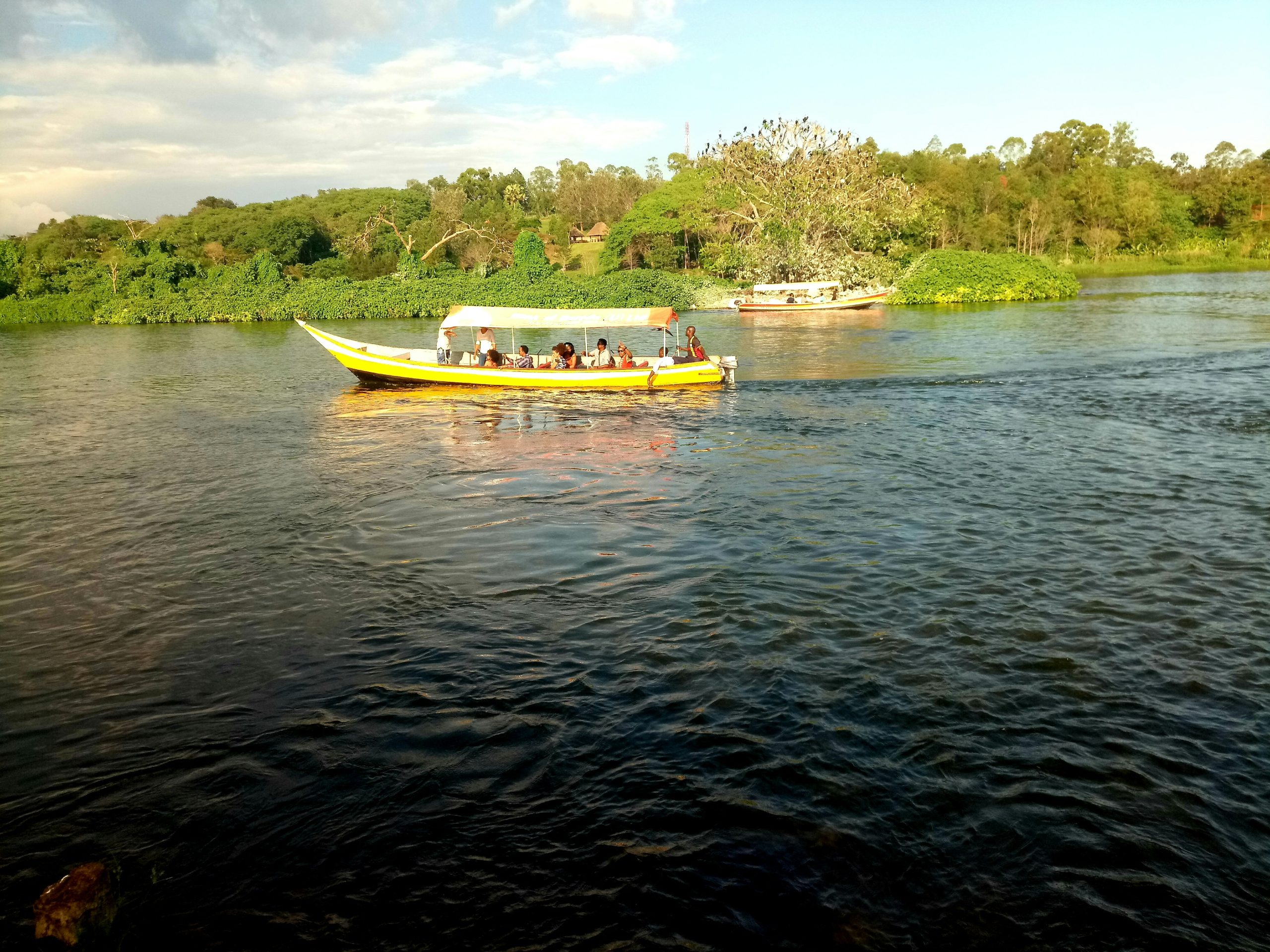
White-Water Rafting on the Nile in Jinja: The Complete Guide
The Nile is the longest river in the world, and near the town of Jinja in eastern Uganda, it begins its journey north from Lake Victoria in a rush of powerful rapids. For decades, this stretch of river has been one of the most celebrated white-water rafting destinations on Earth, drawing adventurers to tackle its big, warm, high-volume rapids. Whether you are an experienced rafter seeking Grade V thrills or a first-timer looking for a fun day on the water, rafting the Nile in Jinja is an unforgettable experience and a perfect addition to a Uganda safari.
This guide explains what to expect, the different trip options, safety, age and fitness requirements, the best time to go, what to bring and how to combine rafting with gorillas and wildlife.
Why Raft the Nile in Jinja?
- Big, exciting rapids: the Nile’s high volume creates large waves and powerful rapids, some graded up to Grade V.
- Warm water: unlike many rafting rivers fed by snowmelt, the Nile is pleasantly warm, so falling in is part of the fun.
- Beautiful scenery: green islands, forested banks, fishermen in dugout canoes and abundant birdlife.
- Experienced guides: Jinja’s rafting companies have decades of experience and many highly skilled guides.
- The source of the Nile: raft on one of the world’s most famous rivers, near where it leaves Lake Victoria.
How the River Has Changed
The construction of hydroelectric dams on the Nile near Jinja, including the Bujagali and Isimba dams, flooded some famous rapids, including the original Bujagali Falls. Rafting companies adapted by moving their trips to other sections of the river, and the Nile still offers some of the best big-water rafting in Africa. Routes and rapid names vary between operators and may change, so your rafting company will explain the current section and what to expect.
Trip Options
Full-day rafting. The classic Nile experience, with a series of big rapids separated by calmer stretches where you can swim, relax and enjoy the scenery. Lunch is usually served on the riverbank or an island. Expect to spend most of the day on the water.
Half-day rafting. A shorter trip covering several major rapids, ideal if you are short on time or want a taste of rafting before continuing your safari.
Multi-day rafting. Some operators offer two-day trips with an overnight camp on an island or riverbank, letting you raft more of the river and enjoy a night under the stars.
Family float trips. Gentler trips on calmer sections, avoiding the big rapids. These suit younger children, older travellers and anyone wanting a relaxed experience on the river.
Choose your intensity. On many trips, you can choose between a more adventurous boat that aims for the biggest lines and a gentler boat that takes easier routes, so everyone in a group can raft together.
What a Rafting Day Looks Like
Most trips start with breakfast at the rafting company’s base near Jinja, followed by a thorough safety briefing. You are fitted with a helmet, life jacket and paddle and assigned to a raft with a guide. Before the first rapid, your guide teaches you paddle commands, how to hold on, what to do if you fall out and how to get back into the raft. Practice on calm water builds your confidence. Then you head downstream to the first rapid.
Each rapid is followed by calmer water, where you can swim, float and admire the scenery. Safety kayakers paddle alongside the rafts to assist anyone who falls in, and some operators use a safety boat. After lunch, more rapids follow, and the day usually ends with transport back to base, sometimes with drinks and a barbecue. Many companies offer photo and video packages so you can relive the excitement.
Safety
White-water rafting is an adventure sport with inherent risks, but reputable operators have strong safety records. When choosing a company, look for:
- Experienced, qualified guides with rescue training.
- Safety kayakers accompanying every trip.
- Good-quality helmets, life jackets and rafts.
- A thorough safety briefing and practice session.
- First aid equipment and emergency procedures.
Always listen to your guide, wear your life jacket and helmet at all times, and tell the company about any medical conditions. Make sure your travel insurance covers white-water rafting.
Age, Fitness and Swimming Ability
Operators set minimum ages for white-water trips, commonly in the early to mid teens for big rapids, with family float trips available for younger children. You do not need to be an athlete, but a reasonable level of fitness helps, as you will paddle and may need to climb back into the raft. Being a confident swimmer is not always required, as you wear a life jacket, but you should be comfortable in the water. Check requirements with your operator when booking.
Best Time to Go Rafting
Rafting on the Nile runs year-round, as water levels are regulated by Lake Victoria and the dams. Weather is warm all year, though the rainy seasons, roughly March to May and October to November, bring occasional showers. Some travellers prefer the dry seasons for combining rafting with safari activities elsewhere. See our guide to the best time to visit Uganda.
What to Bring
- Swimwear and quick-drying clothes such as a T-shirt and shorts.
- Secure sandals or old trainers that will stay on your feet.
- High-factor, waterproof sunscreen; the equatorial sun is strong.
- Sunglasses with a strap.
- A change of clothes and a towel for after the trip.
- Leave valuables, phones and cameras at base unless they are waterproof and secured.
Other Adventures in Jinja
Jinja is often called the adventure capital of East Africa, and rafting is just the beginning. Other activities include:
- Kayaking: beginner courses and white-water kayaking for experienced paddlers.
- Bungee jumping over the Nile.
- Stand-up paddleboarding and tubing on calmer water.
- Quad biking through villages and countryside.
- Horse riding along the Nile.
- Source of the Nile boat trips and sunset cruises.
- Mountain biking and cycling tours.
Read our guide to Jinja and the source of the Nile and our 3-day Jinja adventure.
Getting to Jinja
Jinja is about 80 kilometres east of Kampala. The drive takes around two to three hours, depending on traffic, which can be heavy leaving Kampala. Many rafting companies offer transfers from Kampala, and some trips can be done as a day trip from the capital, though staying overnight in Jinja is more relaxed. From Entebbe, allow three to four hours. See our Kampala city guide.
Where to Stay
Jinja has accommodation for every budget, from backpacker lodges and campsites run by rafting companies to boutique lodges and luxury hotels on the banks of the Nile. Riverside lodges offer beautiful views, sunset drinks and easy access to activities. Some rafting packages include accommodation.
Adding Rafting to a Uganda Safari
Rafting fits neatly at the start or end of a safari. A popular option is to spend a day or two in Jinja before heading west for chimpanzees, savannah and gorillas, or to finish your safari with an adrenaline-filled day on the Nile before flying home from Entebbe. Jinja also combines well with eastern Uganda’s Sipi Falls and Mount Elgon. Explore our guide to adventure tourism in Uganda, our 18-day Uganda adventure safari and eastern Uganda.
Cost of Rafting
Prices vary by operator, trip length and inclusions such as transfers, meals and accommodation. Full-day trips usually include lunch, equipment and guides, while photo and video packages are extra. Ask your safari company for current prices and package deals. See our guide to Uganda safari costs.
Understanding Rapid Grades
Rapids are graded on an international scale from Grade I to Grade VI. Grade I and II rapids are gentle, with small waves and easy routes. Grade III rapids have larger, irregular waves and require some manoeuvring. Grade IV rapids are powerful and demand precise paddling. Grade V rapids are long, violent and complex, with big drops and holes that can flip a raft, and should only be run with expert guides. Grade VI rapids are considered unraftable. The Nile in Jinja features a mix of grades, typically up to Grade V on adventurous trips, with calmer stretches between them. On family float trips, operators avoid the big rapids.
What Happens if the Raft Flips?
Flipping is part of the excitement on big rapids, and your guide will prepare you for it during the safety briefing. If you fall out, stay calm: your life jacket will bring you to the surface. Float on your back with your feet pointing downstream and your toes at the surface, to protect yourself from rocks, and hold on to your paddle if you can. Look for the raft, your guide and the safety kayakers, who will quickly come to help you. Once in calm water, the guide will help you back into the raft. Many rafters say their swim through a big rapid was the most memorable part of the day.
Choosing a Rafting Company
Several established companies operate rafting trips from Jinja, each with its own base, routes and packages. When comparing them, look at their safety record and reviews, the experience of their guides, the number of safety kayakers per raft, the quality of equipment, what is included in the price, and the accommodation they offer. Some companies are known for family-friendly trips, others for their adventurous options and social atmosphere. Your safari company can recommend a reputable operator that suits your group.
Rafting and Conservation
The Nile around Jinja is home to rich birdlife, including kingfishers, cormorants, fish eagles and herons, and the riverbanks and islands support forest and wetland habitats. Responsible rafting companies employ local guides and staff, support community projects and campaign to protect the river. By choosing a responsible operator, you help ensure that the Nile’s rapids and the communities that depend on them continue to thrive.
Sample Two-Day Jinja Adventure
Day 1: Travel from Kampala to Jinja in the morning. In the afternoon, take a boat trip to the source of the Nile, where the river leaves Lake Victoria, followed by a sunset cruise and dinner at a riverside lodge. Day 2: Spend the day white-water rafting, with lunch on the riverbank, then return to Kampala in the evening or continue to Sipi Falls. See our Sipi Falls guide.
Tips for First-Time Rafters
- Listen carefully to the safety briefing and ask questions if anything is unclear.
- Paddle hard when your guide calls; momentum helps the raft through the rapids.
- Keep your feet wedged in the foot holds to stay in the raft.
- Hold your paddle correctly, with one hand over the T-grip, to avoid hitting fellow rafters.
- Stay hydrated and reapply sunscreen during calm stretches.
- Eat a good breakfast; rafting uses a lot of energy.
- Relax and enjoy it: if you fall in, trust your life jacket and your guides.
Most importantly, embrace the experience. The combination of thrilling rapids, warm water, beautiful scenery and the camaraderie of your raft team is what makes a day on the Nile so memorable.
Good to know: many rafting companies offer combination packages that include rafting, accommodation and another activity such as kayaking, bungee jumping or a sunset cruise, which can be good value if you plan to stay a night or two in Jinja. Booking in advance is wise during school holidays and peak travel months, when trips can fill up.
Frequently Asked Questions
Is rafting on the Nile safe? With a reputable operator, experienced guides and safety kayakers, rafting is generally safe, though it carries inherent risks like any adventure sport.
Do I need previous experience? No. Most rafters on the Nile are first-timers, and guides provide full training.
Can children go rafting? Children can join family float trips; minimum ages apply for white-water trips.
Are there crocodiles? Operators choose sections considered safe for rafting, and guides monitor conditions. Ask your operator about local conditions.
Can I do rafting as a day trip from Kampala? Yes, though staying overnight in Jinja is more relaxed and lets you enjoy other activities.
Book Your Nile Adventure
Kuku Safaris can arrange rafting with reputable Jinja operators, transfers and accommodation, and build it into a complete Uganda safari. Visit the Uganda Tourism Board for more inspiration and see how to book with Kuku Safaris.