
Ruaha National Park: Tanzania’s Wild, Lion-Rich Southern Wilderness
Ruaha National Park is Tanzania’s best-kept safari secret. Vast, wild and remarkably uncrowded, it protects a rugged landscape of baobab-studded hills, rocky kopjes, miombo woodland and the sandy channels of the Great Ruaha River. Ruaha is famous for its huge lion prides and large elephant herds, and it is one of the few places in East Africa where greater and lesser kudu, sable and roan antelope can be seen alongside classic savannah species. If you want a genuine wilderness safari, far from the crowds of the northern circuit, Ruaha should be at the top of your list.
This complete guide covers Ruaha’s landscapes and wildlife, things to do, the best time to visit, how to get there, where to stay and how to combine Ruaha with Tanzania’s southern circuit.
Ruaha at a Glance
- Location: Central-southern Tanzania, west of Iringa.
- Size: Around 20,000 square kilometres, one of the largest national parks in Africa.
- Known for: Large lion prides, elephants, African wild dogs, greater and lesser kudu, sable and roan antelope, and a true wilderness atmosphere.
- Managed by: Tanzania National Parks (TANAPA).
Landscapes of Ruaha
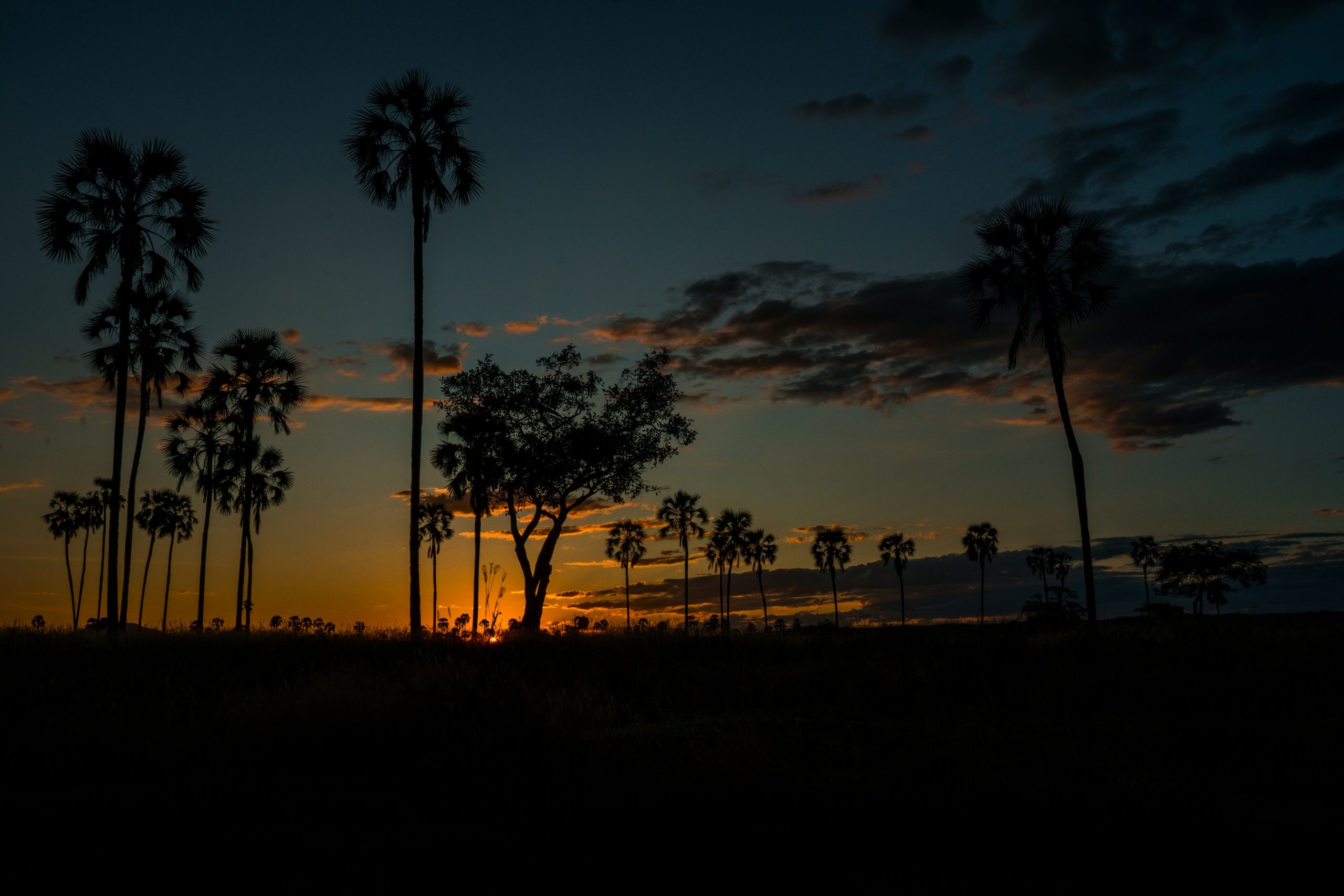
Ruaha lies in a transition zone where the vegetation of East and southern Africa meet, which explains its unusual mix of wildlife. The Great Ruaha River, the park’s lifeline, winds along its eastern side, forming pools that attract animals in the dry season. Beyond the river, the landscape includes rolling hills dotted with giant baobabs, rocky outcrops, open grassland, acacia bush and miombo woodland. In the west, the Usangu wetlands feed water into the river system.
Wildlife in Ruaha
Lions. Ruaha is one of the most important lion strongholds in Africa, with large prides that often number more than 20 individuals. Lions are regularly seen hunting buffalo and giraffes along the river.
Elephants. Ruaha holds one of Tanzania’s largest elephant populations, and herds are often seen digging for water in the riverbed during the dry season.
Other predators. Leopards, cheetahs, spotted and striped hyenas and African wild dogs all live in Ruaha, making it one of the best parks in East Africa for predator sightings.
Antelopes. Ruaha is one of the few places in East Africa where both greater and lesser kudu can be seen, along with sable and roan antelope, which are rare in Tanzania’s northern parks. Impalas, Grant’s gazelles, elands, waterbucks and dik-diks are common.
Other species. Giraffes, zebras, buffalo, hippos and crocodiles are frequently seen, and the park’s birdlife is rich, with more than 500 species recorded, including the Ruaha red-billed hornbill, ashy starling and yellow-collared lovebird.
Things to Do in Ruaha
Game drives. Game drives along the Great Ruaha River and its sand rivers offer the best wildlife viewing. Full-day drives allow you to explore the remote areas of the park.
Walking safaris. Ruaha is excellent for walking safaris with armed rangers, a thrilling way to experience the bush on foot.
Fly camping. Some camps offer fly camping, sleeping under the stars in simple tents deep in the bush.
Night drives. In certain areas, night drives reveal nocturnal animals such as genets, civets and hunting predators.
Conservation and culture. Projects working with communities around the park focus on reducing human-carnivore conflict. Visitors can learn about this work and about local cultures.
Best Time to Visit Ruaha
The best time to visit Ruaha is the dry season, from June to October, when wildlife concentrates along the river and game viewing is outstanding. The wet season, from November to April, brings green landscapes, newborn animals and excellent birding, but some camps close in the heaviest rains, usually around March to May. See our guide to the best time to visit East Africa.
How to Get There
By air. The easiest way to reach Ruaha is by light aircraft from Dar es Salaam, Zanzibar, Arusha or other safari destinations such as Nyerere National Park, landing at airstrips within the park.
By road. From Iringa, the park is around two to three hours’ drive. Iringa itself is around eight to ten hours from Dar es Salaam, passing through Mikumi National Park.
Check visa requirements with our guide to the Uganda and Tanzania eVisa application.
Where to Stay
Ruaha has a small number of lodges and tented camps, ranging from mid-range to luxury, many overlooking the Great Ruaha River or set on rocky outcrops. Park bandas and campsites are available for budget travellers. Because Ruaha is remote, most camps include meals and activities.
How Much Does a Ruaha Safari Cost?
Ruaha safaris often cost more than northern circuit road safaris because of flights and the remote location, but they offer exceptional value in exclusivity and wildlife. Costs include TANAPA park fees, flights or road transfers and accommodation. See our guides to East Africa safari costs and how to choose a Tanzania safari package.
Combining Ruaha With the Southern Circuit
- Nyerere National Park: boat safaris on the Rufiji River; see our Nyerere (Selous) guide.
- Katavi: one of Africa’s most remote parks; see our Katavi guide.
- Mahale and Gombe: chimpanzee trekking on Lake Tanganyika; see our Mahale guide.
- The coast: finish on Zanzibar or Mafia Island.
See our 12-day southern Tanzania safari for a complete itinerary.
Tips for Visiting
- Tsetse flies are present in some wooded areas; wear neutral, light-coloured clothing and use repellent.
- Pack layers: mornings can be cool, while afternoons are hot.
- Stay at least three nights to explore properly.
- Check health advice; see our guide to East Africa vaccinations and malaria.
Frequently Asked Questions
Is Ruaha better than the Serengeti? They are different. The Serengeti has the Great Migration and more visitors, while Ruaha offers solitude, huge lion prides and species rarely seen in the north.
How many days do I need in Ruaha? Three to four nights is ideal.
Can you see wild dogs in Ruaha? Yes, Ruaha is one of the better places in East Africa to see African wild dogs, though sightings are never guaranteed.
Is Ruaha good for first-time safari-goers? Yes, especially for travellers seeking a quieter, more exclusive experience. See our first-time safari tips.
Plan Your Ruaha Safari
Ruaha National Park offers big landscapes, big cats and a true sense of wilderness. Kuku Safaris can arrange flights, camps and activities, and combine Ruaha with Nyerere, Katavi, Mahale and the coast. Get in touch to start planning your southern Tanzania adventure.