
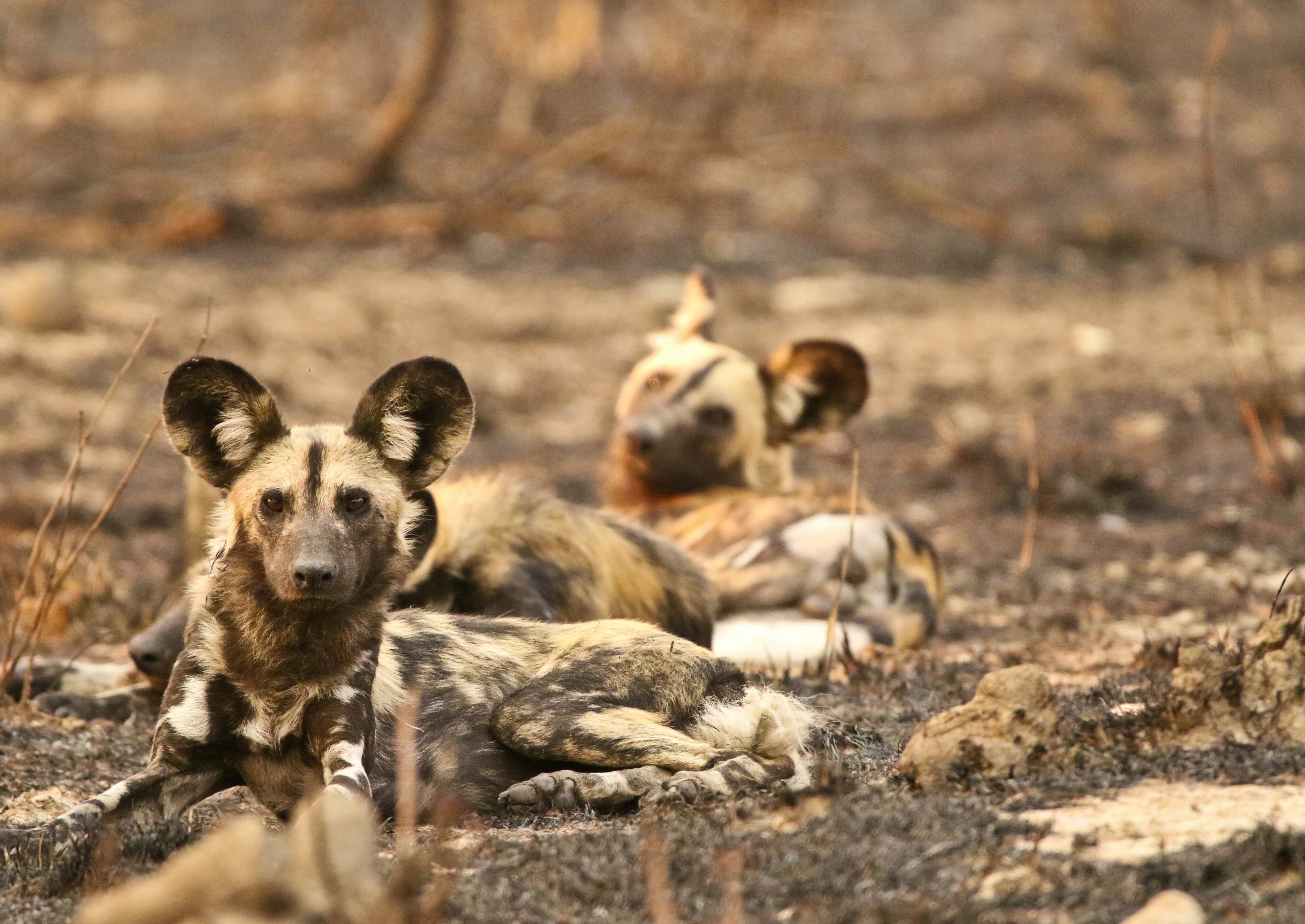
Nyerere National Park (Selous): Boat Safaris and Wild Dogs in Southern Tanzania
In southern Tanzania, the Rufiji River winds through a vast wilderness of lakes, channels, palm-fringed lagoons and woodland. This is Nyerere National Park, created in 2019 from the northern part of the legendary Selous Game Reserve, one of the largest protected areas in Africa. Here, you can explore not only by vehicle but by boat and on foot, gliding past hippos and crocodiles on the river, walking through the bush with an armed ranger and watching elephants drink at sunset. It is one of Africa’s great wilderness safaris and easy to reach from Dar es Salaam and Zanzibar.
This complete guide covers Nyerere’s history, wildlife and activities, the best time to visit, how to get there and how to combine the park with Ruaha, Mikumi and the coast.
Nyerere at a Glance
- Location: Southern Tanzania, roughly 250 kilometres south-west of Dar es Salaam.
- Size: Around 30,000 square kilometres, making it Tanzania’s largest national park.
- History: Created in 2019 from the northern sector of the Selous Game Reserve, a UNESCO World Heritage Site.
- Known for: Boat safaris, walking safaris, wild dogs, elephants, lions, hippos and the Rufiji River.
- Managed by: Tanzania National Parks (TANAPA).
From Selous to Nyerere
The Selous Game Reserve was named after Frederick Selous, a British hunter, explorer and soldier who was killed in the area during the First World War in 1917; his grave lies near Beho Beho in the north of the park. For decades, Selous was one of the largest game reserves in the world. In 2019, the Tanzanian government designated its northern, photographic-tourism section as Nyerere National Park, named after Julius Nyerere, Tanzania’s founding president. The southern parts remain a game reserve. Many people still refer to the area as “the Selous”.
The Rufiji River and Lakes
The Rufiji River is the heart of Nyerere. In the north of the park, it spreads into a network of channels, sandbanks and lakes, such as Lake Tagalala, Lake Manze and Lake Siwandu, which attract enormous numbers of hippos, crocodiles and water birds. Palm trees, riverine forest and open grassland line the shores, creating some of the most beautiful scenery in East Africa. A large hydroelectric dam has been built on the Rufiji at Stiegler’s Gorge, upstream of the main tourism area.
Wildlife in Nyerere
African wild dogs. Nyerere and the wider Selous ecosystem are among the most important strongholds for the endangered African wild dog, and sightings are a highlight for many visitors.
Elephants, lions and leopards. Elephants gather along the river and lakes, lions are frequently seen, and leopards are present in the woodland.
Hippos and crocodiles. The Rufiji River and lakes support huge numbers of hippos and some very large crocodiles.
Other species. Buffalo, Masai giraffes (found north of the Rufiji), zebras, wildebeest, impalas, greater kudu, sable antelope, elands and many more live in the park.
Birds. More than 400 bird species have been recorded, including African skimmers, Pel’s fishing owls, carmine bee-eaters, fish eagles, kingfishers and many waterbirds.
Things to Do in Nyerere
Boat safaris. A boat trip on the Rufiji River or its lakes is the signature Nyerere experience. You glide past hippo pods, giant crocodiles and elephants drinking at the water’s edge, with excellent birdwatching along the way. Sunset boat trips are particularly magical.
Walking safaris. Guided walks with an armed ranger allow you to track animals on foot and learn about the smaller details of the bush.
Game drives. Drives through the open plains and woodland offer great chances of seeing wild dogs, lions and elephants.
Fly camping. Some camps offer overnight fly camping, sleeping in simple tents by the river under the stars.
Hot springs. Natural hot springs near Beho Beho offer a chance for a refreshing dip in the bush.
Best Time to Visit Nyerere
The best time to visit Nyerere is the dry season, from June to October, when wildlife gathers near water and vegetation is thinner. The short dry period in January and February is also good. Many camps close during the long rains, around April and May, when some areas become inaccessible. See our guide to the best time to visit East Africa.
How to Get There
By air. Scheduled light-aircraft flights connect Dar es Salaam and Zanzibar with Nyerere’s airstrips in around 45 minutes, and also link the park with Ruaha and Mafia Island.
By road and rail. The park can be reached by road from Dar es Salaam in around five to seven hours, depending on the route and conditions. The TAZARA railway also passes near the park, offering an adventurous alternative for some itineraries.
Check your visa requirements with our guide to the Uganda and Tanzania eVisa application.
Where to Stay
Nyerere has a range of tented camps and lodges along the river and lakes, from comfortable mid-range camps to luxury lodges, many offering boat safaris, walks and game drives. Budget options are available just outside the park gates. Many camps include meals and activities in their rates.
How Much Does a Nyerere Safari Cost?
Costs include TANAPA park fees, flights or road transfers, accommodation and activities. Fly-in safaris from Zanzibar are popular for short trips. See our 3-day Nyerere boat and walking safari and our guide to East Africa safari costs.
Combining Nyerere With Other Destinations
- Ruaha: huge lion prides and wilderness; see our Ruaha guide.
- Mikumi: easy road safaris from Dar es Salaam; see our Mikumi guide.
- Zanzibar, Mafia and Pemba: see our guides to Zanzibar and safari, Mafia Island and Pemba.
- Beach safari: add Saadani National Park.
See our 12-day southern Tanzania safari for a full itinerary.
Frequently Asked Questions
Is Nyerere the same as Selous? Nyerere National Park was created from the northern part of the Selous Game Reserve, the area where most photographic safaris take place.
Can you do a boat safari in Nyerere? Yes. Boat safaris on the Rufiji River and lakes are a highlight.
How many days should I spend? Three nights allows time for boat trips, game drives and a walking safari.
Is Nyerere good with Zanzibar? Yes. Short flights make it one of the easiest safari add-ons to a Zanzibar holiday.
Plan Your Nyerere Safari
Nyerere National Park offers a classic wilderness safari by vehicle, boat and on foot. Kuku Safaris can arrange flights, camps and activities, and combine Nyerere with Ruaha, Mikumi, Zanzibar and Mafia. Read our advice on how to choose a Tanzania safari package, then get in touch to start planning.