
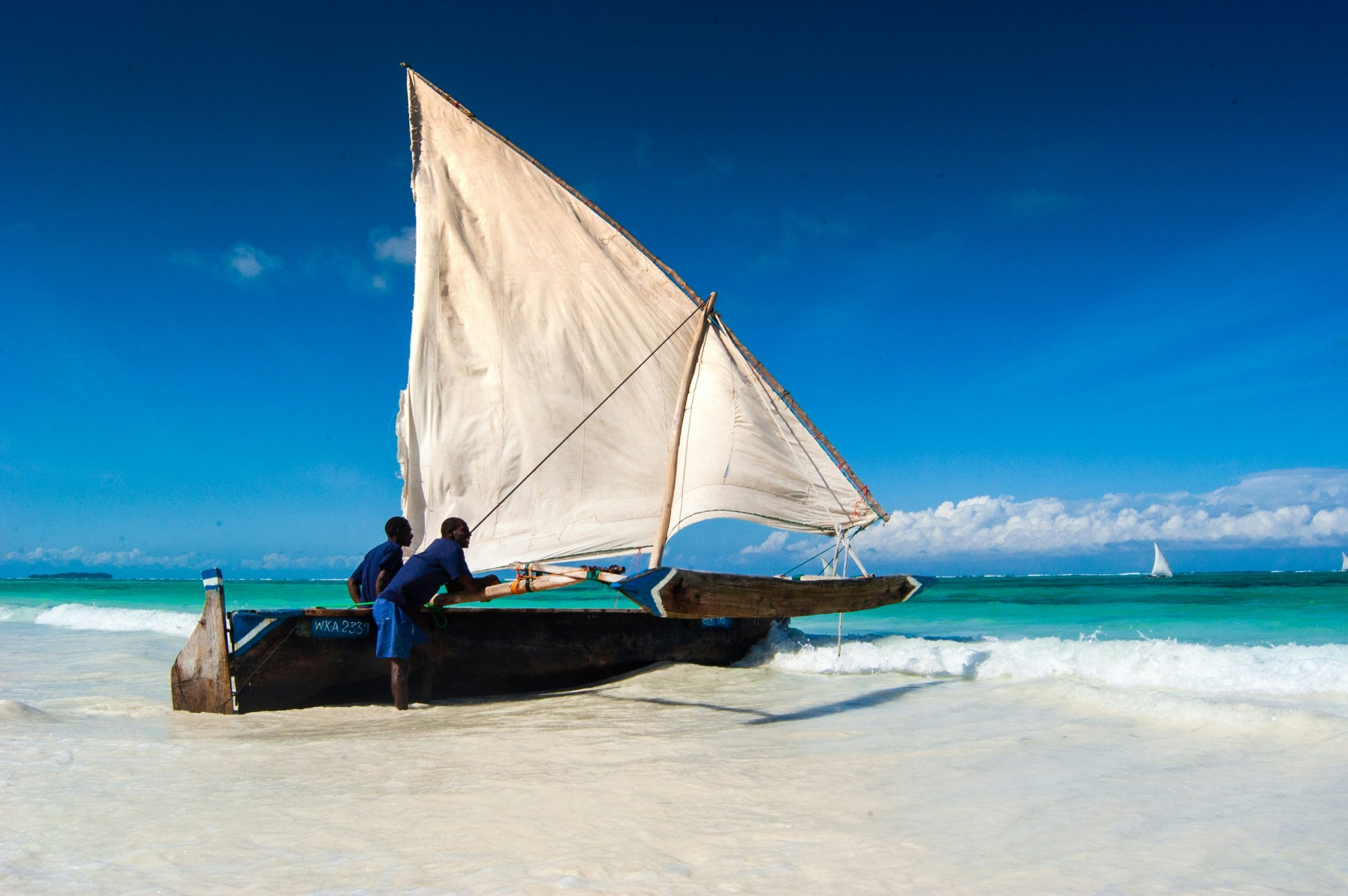
Pemba Island Travel Guide: Zanzibar’s Quiet, Green Sister Island
Most visitors to the Zanzibar archipelago never get beyond Unguja, the main island with Stone Town and its famous beaches. Yet just to the north lies Pemba, a hilly, green island of clove plantations, mangrove creeks, quiet villages and coral reefs that plunge into the deep blue of the Pemba Channel. Arab sailors once called it Al Khudra, the Green Island, and it remains one of the least visited and most authentic islands in East Africa. If you dream of empty beaches, superb diving and a slower, more traditional island experience, Pemba is worth the short journey.
This complete guide covers what to see and do on Pemba, its diving and forests, its culture and history, the best time to visit and how to get there.
Pemba at a Glance
- Location: The Indian Ocean, north of Unguja (Zanzibar Island) and around 50 kilometres off the Tanzanian mainland.
- Part of: The semi-autonomous Zanzibar archipelago in Tanzania.
- Main towns: Chake Chake (the main town, near the airport), Wete in the north and Mkoani in the south, the main ferry port.
- Known for: Cloves, diving, Misali Island, Ngezi Forest, the Pemba flying fox and a traditional island way of life.
Why Visit Pemba?
- Few tourists: Pemba receives a fraction of Zanzibar’s visitors, so beaches and reefs feel genuinely untouched.
- Diving: dramatic walls, healthy coral and big fish make Pemba one of the best dive destinations in East Africa.
- Nature: lush forests, mangroves and endemic wildlife found nowhere else.
- Culture: a deeply traditional Swahili island with friendly villages, clove harvests and ancient ruins.
The Clove Island
Cloves have shaped Pemba’s history and economy for nearly two centuries. In the nineteenth century, under the rule of the Sultans of Oman and Zanzibar, clove plantations spread across the islands, and the archipelago became one of the world’s leading clove producers. Pemba, with its fertile soil and generous rainfall, grows the majority of the archipelago’s cloves. During the harvest season, which typically peaks in the second half of the year, the air is fragrant and villagers spread cloves to dry on mats by the roadside. A visit to a clove farm or spice plantation explains how cloves and other spices such as cinnamon, black pepper and nutmeg are grown and processed.
Diving and Snorkelling
Pemba is a diver’s dream. The Pemba Channel, which separates the island from the mainland, is very deep, and the island’s western reefs drop off steeply into the blue, creating spectacular wall dives. Strong currents bring nutrients that feed healthy coral and attract large fish. Divers may see sea turtles, groupers, Napoleon wrasse, barracuda, reef sharks, eagle rays and, occasionally, dolphins and larger pelagic species. Visibility is often excellent.
Because of the currents and depths, some of Pemba’s best dive sites are better suited to experienced divers, though there are also sheltered sites for beginners and snorkellers. Dive centres on the island offer courses, guided dives and snorkelling trips.
Misali Island
Off Pemba’s west coast, the small, uninhabited Misali Island is surrounded by coral reefs and protected as a marine conservation area managed with the involvement of local fishing communities. Its white-sand beaches, clear water and reefs make it ideal for snorkelling, diving and picnics. Green and hawksbill turtles nest on the island’s beaches, and a short forest trail explores the island’s interior. Misali is also considered sacred by some islanders and is associated with local legends. A small conservation fee helps fund its protection.
Ngezi Forest and Pemba’s Wildlife
In the far north of the island, the Ngezi Forest Reserve protects one of the last remaining areas of Pemba’s original tropical forest. Guided walks lead through tall trees, swamps and palms, and the forest is home to several species found nowhere else in the world. The most famous is the Pemba flying fox, a large fruit bat that was once close to extinction but has recovered thanks to community conservation efforts. Endemic birds include the Pemba scops owl, Pemba green pigeon, Pemba sunbird and Pemba white-eye, making the island a must for keen birders. Other wildlife includes vervet monkeys, blue duikers and a small population of Zanzibar red colobus monkeys that were introduced to the forest from Unguja.
Pemba’s coastline is also lined with extensive mangrove forests, which can be explored by boat or kayak and are important nurseries for fish and other marine life.
Beaches
Pemba’s beaches are generally smaller and more tidal than those on Unguja, but they are beautifully quiet. Vumawimbi Beach, in the far north beside Ngezi Forest, is a long, wild stretch of white sand often described as the island’s most beautiful beach. Other lovely spots are found around the island’s peninsulas and on small offshore islands and sandbanks, which can be reached by boat for swimming and snorkelling.
History and Culture
Pemba has been part of the Swahili coast trading network for more than a thousand years, and the island is scattered with ruins of ancient settlements. Ras Mkumbuu, on a peninsula west of Chake Chake, holds the remains of a medieval town with mosques and pillar tombs. In the east, the ruins at Chwaka are linked to local legends of a tyrannical ruler. Pujini, south-east of Chake Chake, has the remains of a fortified settlement.
Pemba is a conservative Muslim island, and daily life revolves around farming, fishing, family and faith. The island is also known for a unique tradition of bullfighting, believed to have been introduced by the Portuguese centuries ago, in which the bull is not harmed. These events take place occasionally, particularly in the dry season. Visiting local markets, villages and clove farms is a wonderful way to experience island life.
Best Time to Visit Pemba
- June to October: dry and slightly cooler, with pleasant temperatures. This is also when the clove harvest gets under way.
- December to February: hot and humid but generally dry, with calm seas and excellent visibility, often considered the best time for diving.
- March to May: the long rains, when Pemba is very wet and some lodges close.
- November: the short rains, with occasional showers.
Pemba receives more rain than Unguja, which is why it is so green. See our guide to the best time to visit East Africa for more on the seasons.
How to Get to Pemba
By air. Short flights connect Pemba’s airport near Chake Chake with Zanzibar, Dar es Salaam and Tanga. The flight from Zanzibar takes around 30 minutes, with beautiful views over the reefs.
By sea. Ferries run between Zanzibar and Mkoani in southern Pemba, and some continue to or from Dar es Salaam. The crossing can be rough, especially when the winds are strong, so flying is usually more comfortable.
Pemba is part of Tanzania, so the same visa rules apply as for the mainland; see our guide to the Uganda and Tanzania eVisa application.
Where to Stay
Pemba has a small selection of places to stay, from simple guesthouses in the towns to eco-lodges and boutique beach resorts in remote coastal locations, including at least one resort famous for an underwater room. Many lodges are dive-focused and can arrange all your diving and excursions. Because options are limited, booking well ahead is recommended.
How Much Does a Trip to Pemba Cost?
Your main costs will be flights, accommodation, diving and excursions such as trips to Misali Island or Ngezi Forest. Pemba suits mid-range and luxury travellers best, as budget infrastructure for tourists is limited. For help planning a combined trip, see our guide to East Africa safari costs.
Combining Pemba With a Safari
Pemba makes a superb end to a Tanzania safari. After game drives in the Serengeti, Ngorongoro or Tarangire, or in the south at Nyerere and Ruaha, fly to Zanzibar for Stone Town and then on to Pemba for a few days of diving and relaxation. Read our guide to combining Zanzibar and safari. For another uncrowded island, consider Mafia Island, famous for whale sharks, or add a coastal safari at Saadani National Park. Couples may also enjoy our ideas for a honeymoon safari.
Respecting Local Culture
- Dress modestly away from the beach, covering shoulders and knees.
- Ask permission before photographing people.
- During Ramadan, avoid eating and drinking in public during daylight hours.
- Learn a few Swahili greetings; islanders appreciate the effort.
Health Tips
Pemba is in a malaria area, so take precautions and consult a doctor before you travel; see our guide to East Africa vaccinations and malaria. Drink bottled or filtered water, and make sure your travel insurance covers diving if you plan to dive.
Frequently Asked Questions
Is Pemba better than Zanzibar? They are different. Zanzibar (Unguja) has Stone Town, more beaches and more facilities, while Pemba offers quieter beaches, better diving and a more traditional atmosphere. Many travellers visit both.
How many days should I spend on Pemba? Three to five nights allows time to dive or snorkel, visit Misali Island and explore Ngezi Forest.
Is Pemba good for beginner divers? Yes, there are sheltered sites for beginners, though some of the most famous sites have strong currents and suit experienced divers.
Is Pemba suitable for families? Yes, especially for families who enjoy nature and snorkelling; see our guide to family safaris in East Africa.
Plan Your Pemba Escape
Pemba is for travellers who want the Indian Ocean as it used to be: quiet, green, welcoming and wonderfully unspoilt. Kuku Safaris can arrange flights, accommodation, diving and excursions, and combine Pemba with Zanzibar and a Tanzania safari. Read our advice on how to choose a Tanzania safari package, then get in touch to start planning.