
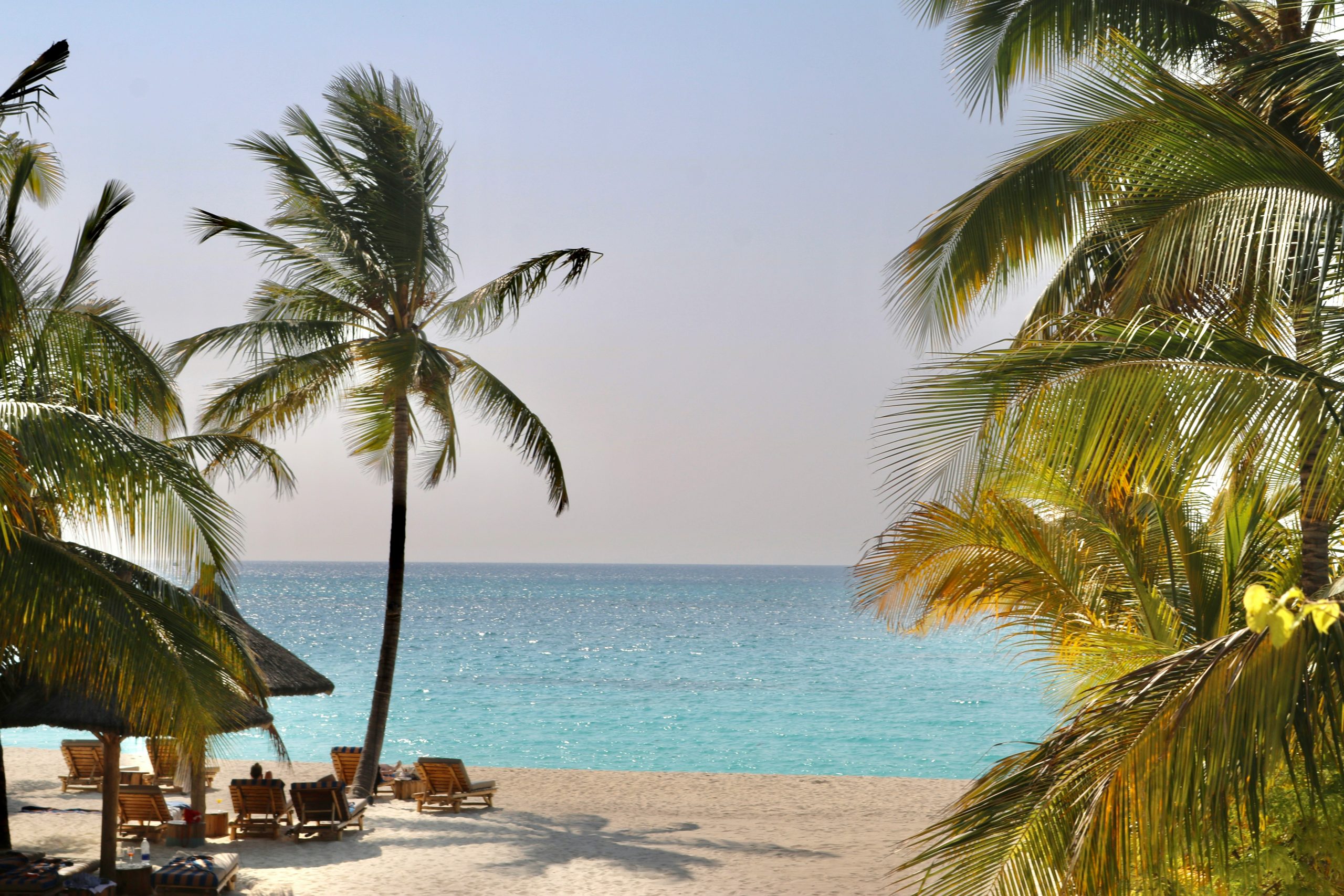
Saadani National Park Guide: Tanzania’s Beach Safari Where the Bush Meets the Ocean
Imagine spending the morning on a game drive watching giraffes and elephants, the afternoon on a boat among hippos and crocodiles, and the evening walking barefoot on a palm-fringed Indian Ocean beach. At Saadani National Park on Tanzania’s northern coast, that is a normal day. Saadani is the only national park in East Africa where the bush runs right down to the beach, creating a rare combination of safari and seaside in a single destination. It is quiet, unspoilt and just a short flight from Zanzibar and Dar es Salaam.
This complete guide covers Saadani’s wildlife and activities, the best time to visit, how to get there, where to stay and how to combine the park with Zanzibar and other Tanzanian safari destinations.
Saadani at a Glance
- Location: Tanzania’s northern coast, between Bagamoyo and Pangani, opposite Zanzibar.
- Size: Roughly 1,100 square kilometres, including coastline, savannah, woodland, mangroves and the lower Wami River.
- Status: Formerly a game reserve, upgraded to national park status in 2005 and managed by Tanzania National Parks (TANAPA).
- Known for: Beach safaris, Wami River boat trips, green turtle nesting, elephants, giraffes and a peaceful, uncrowded atmosphere.
- Access: Short flights from Zanzibar and Dar es Salaam, or a few hours by road from Dar es Salaam.
Why Visit Saadani?
- Bush and beach in one place: no need to travel between a safari park and the coast.
- Close to Zanzibar: an easy add-on for travellers who want wildlife without a long journey.
- Variety of activities: game drives, boat safaris, walking safaris, beach time and turtle watching.
- Few visitors: you will often have sightings to yourself.
Landscapes and Habitats
Saadani’s habitats are remarkably varied for its size. Open grassland plains and acacia savannah support grazing animals, while coastal forest and woodland provide cover for browsers and predators. Along the Wami River, mangrove forests and riverine vegetation shelter hippos, crocodiles and water birds, while the coastline itself features long, quiet beaches, coconut palms and coral sand. Offshore, the Indian Ocean is home to dolphins, and humpback whales can sometimes be seen passing during their seasonal migration.
Wildlife in Saadani
Saadani’s wildlife populations are smaller and shyer than those of the big northern parks, as the area has a long history of hunting and human settlement before it became a national park. Numbers have recovered steadily under protection, and the park offers rewarding sightings, especially for those who value variety and solitude over sheer numbers.
- Elephants: herds roam the park, sometimes coming close to the coast.
- Giraffes: Masai giraffes are among the most commonly seen animals, often silhouetted against the palms.
- Buffalo, zebras and antelopes: including waterbuck, hartebeest, reedbuck, bushbuck, warthogs and red duikers.
- Predators: lions and leopards live in the park but are elusive; spotted hyenas and black-backed jackals are also present.
- Hippos and crocodiles: abundant in the Wami River.
- Primates: yellow baboons, vervet monkeys and black-and-white colobus in the forest areas.
- Birds: a rich mix of coastal, river and savannah species, including fish eagles, kingfishers, flamingos at times, storks, herons and waders.
- Marine life: green turtles nest on the park’s beaches, and dolphins are often seen offshore.
Things to Do in Saadani
Game drives. Morning and afternoon game drives explore the plains, woodlands and waterholes in search of elephants, giraffes, buffalo and antelopes. The quiet tracks and lack of other vehicles make drives feel personal and relaxed.
Wami River boat safaris. A boat trip on the Wami River is one of the highlights of a visit. Drifting past mangroves, you will see pods of hippos, basking crocodiles and a wide variety of birds, including kingfishers, herons and fish eagles. Monkeys and occasionally elephants or buffalo come down to the riverbanks to drink.
Walking safaris. Guided bush walks with an armed ranger offer a chance to learn about tracks, plants and smaller creatures, and to experience the landscape at a slower pace.
Green turtle nesting. Saadani’s beaches are one of the most important nesting sites for green turtles on Tanzania’s mainland coast. Protected nesting areas are monitored by park staff and conservation partners, and with luck and good timing, visitors may see nesting females or hatchlings making their way to the sea. Ask your lodge about current turtle activity.
Beach time. Relax on the beach, swim in the ocean, take a sunset walk or enjoy a sundowner with your feet in the sand. Few places in Africa let you end a game drive with a dip in the sea.
Fishing village visits. Saadani village, inside the park, is an old Swahili trading settlement. Guided visits introduce fishing traditions, local life and the coast’s history.
History of the Saadani Coast
The coastline around Saadani has been part of the Swahili trading world for centuries. Saadani was once an important port, linked to the caravan routes that ran inland from the coast. Just to the south lies Bagamoyo, a historic town that was once the main departure point for caravans to the interior and later a capital of German East Africa. Bagamoyo’s ruins, old buildings and museums make a fascinating stop on the way to or from Saadani. For more on the coast’s heritage, see our Kenya and Tanzania Swahili Coast heritage tour.
Best Time to Visit Saadani
- June to October: the main dry season and the best time for game viewing, with pleasant temperatures and animals concentrated near water.
- January to February: a shorter dry spell with hot, humid weather and good beach conditions.
- November to December: short rains, usually brief showers, with green landscapes.
- March to May: the long rains, when some roads become difficult and some lodges close.
See our guide to the best time to visit East Africa for more on the seasons.
How to Get to Saadani
By air. Light aircraft fly to Saadani’s airstrips from Zanzibar and Dar es Salaam, with flight times of under an hour. This is the easiest way to reach the park, and many visitors combine it with a stay in Zanzibar.
By road. From Dar es Salaam, the drive takes around four hours or more, depending on the route and road conditions, passing through or near Bagamoyo. Roads inside and around the park can be challenging in the rainy season, so a 4×4 is essential.
Most visitors need a visa for Tanzania; see our guide to the Uganda and Tanzania eVisa application.
How Long to Stay
Two nights is the minimum to enjoy a game drive, a Wami River boat trip and some beach time. Three nights allows a more relaxed pace, a walking safari and a visit to Saadani village or Bagamoyo.
Where to Stay
Saadani has a small number of lodges and tented camps, several right on the beach, offering a genuine sense of seclusion. There are also park bandas and campsites for budget travellers. Because accommodation is limited, booking in advance is recommended, especially in the dry season.
How Much Does a Saadani Safari Cost?
Costs include TANAPA park fees, accommodation, activities such as boat safaris and game drives, and flights or road transfers. Saadani can be more affordable than combining a separate safari and beach stay, as you get both in one place. For budgeting help, see our guide to East Africa safari costs and our advice on how to choose a Tanzania safari package.
Combining Saadani With Other Destinations
- Zanzibar: the most popular combination; fly between the two in under an hour. See our guide to Zanzibar and safari.
- Southern Tanzania: add bigger game in Mikumi, Nyerere or Ruaha.
- The northern circuit: fly north to Arusha for the Serengeti and Ngorongoro, then finish at Saadani; see our Arusha National Park guide.
- Kenya’s coast: for a cross-border coastal journey, continue north to Diani Beach and Lamu.
Tips for Visiting
- Manage expectations: wildlife is less dense than in the Serengeti, but the combination of experiences is unique.
- Bring both safari clothing and beachwear, plus reef-friendly sunscreen.
- Use insect repellent, as tsetse flies can be present in wooded areas and mosquitoes on the coast.
- Take malaria precautions on medical advice; see our guide to East Africa vaccinations and malaria.
Frequently Asked Questions
Can you see the Big Five in Saadani? Lions, leopards, elephants and buffalo are present, but there are no rhinos, and big cats are rarely seen.
Can I visit Saadani as a day trip from Zanzibar? Day trips by air are possible, but staying at least one night is far more rewarding.
Is it safe to swim at Saadani? Yes, at the beach, following your lodge’s advice. Never swim in the Wami River, which has crocodiles and hippos.
Is Saadani good for honeymooners and families? Yes. Its secluded beach lodges suit couples, while the mix of boat trips and beach time keeps families entertained; see our guides to honeymoon safaris and family safaris.
Plan Your Beach Safari
Saadani National Park offers something no other park in East Africa can: the chance to go on safari and relax on a tropical beach without moving lodges. Kuku Safaris can arrange flights from Zanzibar or Dar es Salaam, beachfront accommodation and activities, and combine Saadani with the rest of Tanzania. Get in touch to start planning your bush-and-beach adventure.