
Diani Beach Kenya Guide: Things to Do, Best Time to Visit and Safari Add-Ons
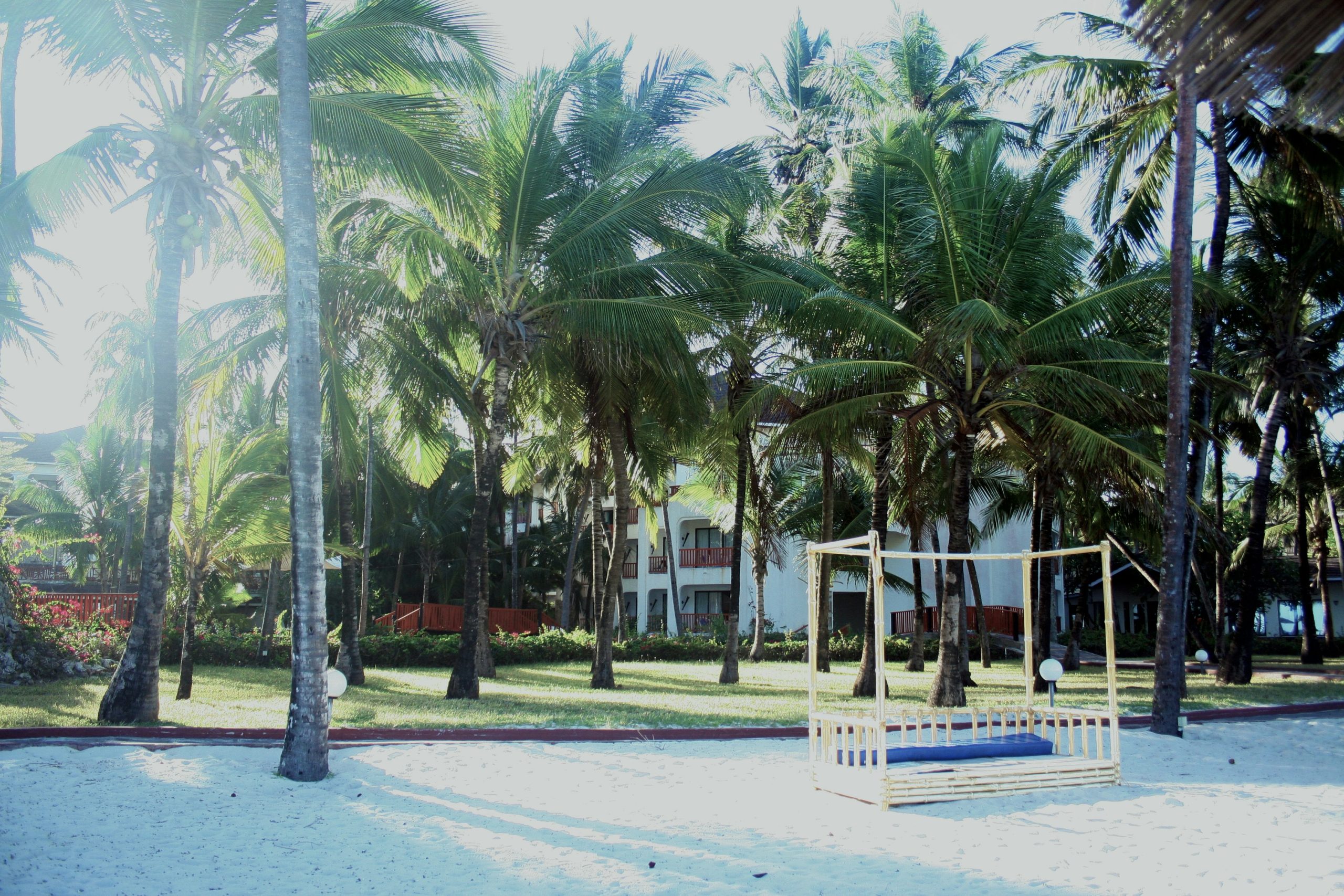
After the dust and early starts of a safari, few things feel better than sinking your toes into soft white sand beside warm turquoise water. Diani Beach, on Kenya’s south coast, is one of the finest beaches in Africa and has won international awards as a leading beach destination. Lined with palm trees and protected by a coral reef, it stretches for kilometres along the Indian Ocean and offers everything from lazy beach days to kitesurfing, snorkelling with dolphins nearby and forest walks among rare monkeys.
This complete guide covers the best things to do in and around Diani, when to visit, how to get there, where to stay and how to combine Diani with a Kenya safari.
Where Is Diani Beach?
Diani lies roughly 30 kilometres south of Mombasa, near the town of Ukunda, in Kwale County. The beach runs for around 17 kilometres along the coast, between the Tiwi area in the north and Galu and Kinondo in the south. A coral reef offshore creates calm lagoons at low tide and keeps the water clear, while the coastal forest behind the beach is home to wildlife including colobus monkeys, Sykes’ monkeys and baboons.
Why Visit Diani?
- A world-class beach: powder-soft white sand, palm trees and warm water all year.
- Marine life: dolphins, turtles, coral reefs and, in season, whale sharks and humpback whales.
- Adventure: kitesurfing, diving, deep-sea fishing and even skydiving.
- Nature and culture: sacred forests, colobus conservation, Swahili history and the Shimba Hills.
- Easy safari access: Tsavo and Shimba Hills are within easy reach, perfect for a “bush and beach” holiday.
Top Things to Do in Diani
Relax on the beach. The simplest pleasure is the best: long walks at low tide, swims in the calm lagoon and sunbathing beneath the palms. Different stretches of the beach have different characters, from lively areas near the main hotels to quieter stretches at Galu and Kinondo.
Kisite-Mpunguti Marine Park and Wasini Island. One of the most popular day trips from Diani heads south to Shimoni, where boats take visitors into the Kisite-Mpunguti Marine Park. Here you can snorkel over coral gardens full of tropical fish, look out for turtles and, very often, see dolphins swimming alongside the boat. Many trips include a seafood lunch on Wasini Island, a peaceful island with a small village, coral gardens and mangrove boardwalks.
Shimoni Caves. Near the Shimoni jetty, these coral caves have a sombre history linked to the slave trade along the coast. A guided visit explains this chapter of East African history.
Colobus Conservation. Diani is home to the Angolan colobus monkey, a beautiful black-and-white primate. The local conservation organisation runs guided forest walks, rescues injured monkeys and has installed rope bridges, known as “colobridges”, that help monkeys cross the busy road safely. A visit supports their work and offers a close look at coastal forest wildlife.
Kaya Kinondo Sacred Forest. This coastal forest is one of the sacred Kaya forests of the Mijikenda people, which are collectively listed as a UNESCO World Heritage Site. Guided walks with community guides explain the forest’s spiritual importance, traditional rules and medicinal plants.
Kitesurfing and water sports. Diani is one of East Africa’s top kitesurfing spots, thanks to steady trade winds and a protected lagoon. Schools offer lessons for beginners and equipment hire for experienced riders. Stand-up paddleboarding, kayaking, jet skiing and glass-bottom boat trips are also available.
Scuba diving and snorkelling. The reef and offshore sites offer diving for beginners and experienced divers, with coral, reef fish, rays, turtles and sometimes larger visitors. Several dive centres along the beach run courses and guided dives.
Whale sharks and whales. Depending on the season, whale sharks can be seen off the south coast, and humpback whales migrate past the coast during the middle of the year. Ask local operators about the best times and responsible viewing trips.
Deep-sea fishing. Charter boats head out into the Indian Ocean for sailfish, marlin, tuna and other game fish, and many operators practise tag-and-release.
Skydiving. For a truly unforgettable view of the coastline, tandem skydives over Diani’s reef and beach are available for adventurous visitors.
Day Trips and Safaris From Diani
Shimba Hills National Reserve. Less than an hour inland, the Shimba Hills offer cool forest, grassland and views back to the coast. The reserve is the only place in Kenya where the rare sable antelope is found, and it also has elephants, buffalo and giraffes. A short walk leads to Sheldrick Falls, and the nearby Mwaluganje Elephant Sanctuary is a community-run reserve.
Tsavo East and Tsavo West. For classic big-game safari, Tsavo is the obvious choice. Tsavo East can be reached by road in a few hours, making overnight safaris from Diani easy to arrange. Read our Tsavo safari guide and see our 3-day Tsavo East and West safari from Mombasa.
Mombasa. A day in Mombasa can include Fort Jesus, a UNESCO-listed Portuguese fort, the narrow streets of the Old Town and the busy markets.
Fly-in safaris. Short flights connect the coast with the Maasai Mara and Amboseli, so you can combine Diani with Kenya’s most famous parks without long drives.
Best Time to Visit Diani Beach
Diani is warm all year, but the seasons affect the weather, sea conditions and activities:
- December to March: hot, sunny and usually calm, with clear water for snorkelling and diving. This is peak season, especially around Christmas and New Year.
- April to June: the long rains bring heavy showers and humidity. Some hotels offer lower rates, and a few close for part of the season.
- July to October: slightly cooler and breezy, with good conditions for kitesurfing. This period also coincides with Kenya’s main safari season, making it ideal for bush-and-beach trips.
- November: short rains bring brief showers, often followed by sunshine.
Seaweed can wash up on the beach at certain times of the year, depending on winds and tides, and kitesurfing conditions depend on the two trade wind seasons. For a wider overview, see our guide to the best time to visit East Africa.
How to Get to Diani
By air. Ukunda airstrip, close to the beach, has scheduled flights from Nairobi and connections to safari destinations such as the Maasai Mara. Alternatively, fly into Moi International Airport in Mombasa, which receives domestic and international flights.
By road and train. From Mombasa, the road to Diani crosses the Likoni Channel by ferry or uses the Dongo Kundu bypass, which avoids the ferry. Many visitors from Nairobi take the Standard Gauge Railway to Mombasa and transfer by road to Diani. Make sure your travel documents are in order; see our guide to the Kenya eTA for tourists.
Where to Stay in Diani
Diani has accommodation for every budget and style. Large beachfront resorts offer pools, restaurants and activities for families, while boutique hotels and private villas provide quieter luxury, especially in Galu and Kinondo. Budget travellers will find guesthouses, backpacker lodges and self-catering cottages, many just a short walk from the beach. Kitesurfers often stay near the kite schools, while honeymooners tend to favour the secluded southern stretches; see our ideas for a honeymoon safari in East Africa.
How Much Does a Diani Holiday Cost?
The cost of a Diani holiday depends mainly on your accommodation, flights and the activities you choose. Day trips such as the Kisite-Mpunguti dolphin excursion, diving and kitesurfing lessons are priced separately, and marine park fees apply in protected areas. Diani can be enjoyed on a modest budget or in complete luxury. For help planning a combined trip, see our guide to East Africa safari costs and our Big Five safari and Diani beach holiday package.
Sample Bush and Beach Itinerary
- Days 1–2: Arrive in Nairobi and visit Nairobi National Park.
- Days 3–5: Game drives in Amboseli beneath Kilimanjaro.
- Days 6–7: Explore Tsavo West and Tsavo East.
- Days 8–12: Relax at Diani Beach, with a dolphin trip to Kisite-Mpunguti and a forest walk.
Practical Tips
- Check tide times: low tide is best for lagoon swimming and walks, while some reef trips depend on the tides.
- Wear reef-safe sunscreen and water shoes, and never touch or stand on coral.
- Book excursions through reputable operators rather than unlicensed beach sellers.
- Keep food out of sight of monkeys, which are skilled thieves.
- The coast is a malaria area, so take precautions; see our guide to East Africa vaccinations and malaria.
Frequently Asked Questions
Is Diani Beach good for families? Yes. Calm lagoons, family-friendly resorts and activities such as dolphin trips and monkey walks make it ideal for children; see our guide to family safaris in East Africa.
How many days should I spend in Diani? Three to five nights is ideal after a safari, with time to relax and take one or two excursions.
Diani or Zanzibar? Both offer beautiful beaches. Diani is easy to combine with Kenyan safaris, while Zanzibar pairs well with Tanzania; see our guide to Zanzibar and safari. For a more cultural Kenyan coast experience, consider Lamu Island.
Can I see dolphins from Diani? Yes, dolphins are often seen on trips to the Kisite-Mpunguti Marine Park from Shimoni.
Plan Your Diani Beach Holiday
Diani Beach is the perfect way to end a Kenya safari or enjoy a sunny escape in its own right. Kuku Safaris can arrange flights, transfers, beach accommodation and excursions, and combine Diani with Tsavo, Amboseli, the Maasai Mara and more. Read our guide on how to choose a Kenya safari package, then get in touch to start planning your bush and beach holiday.