
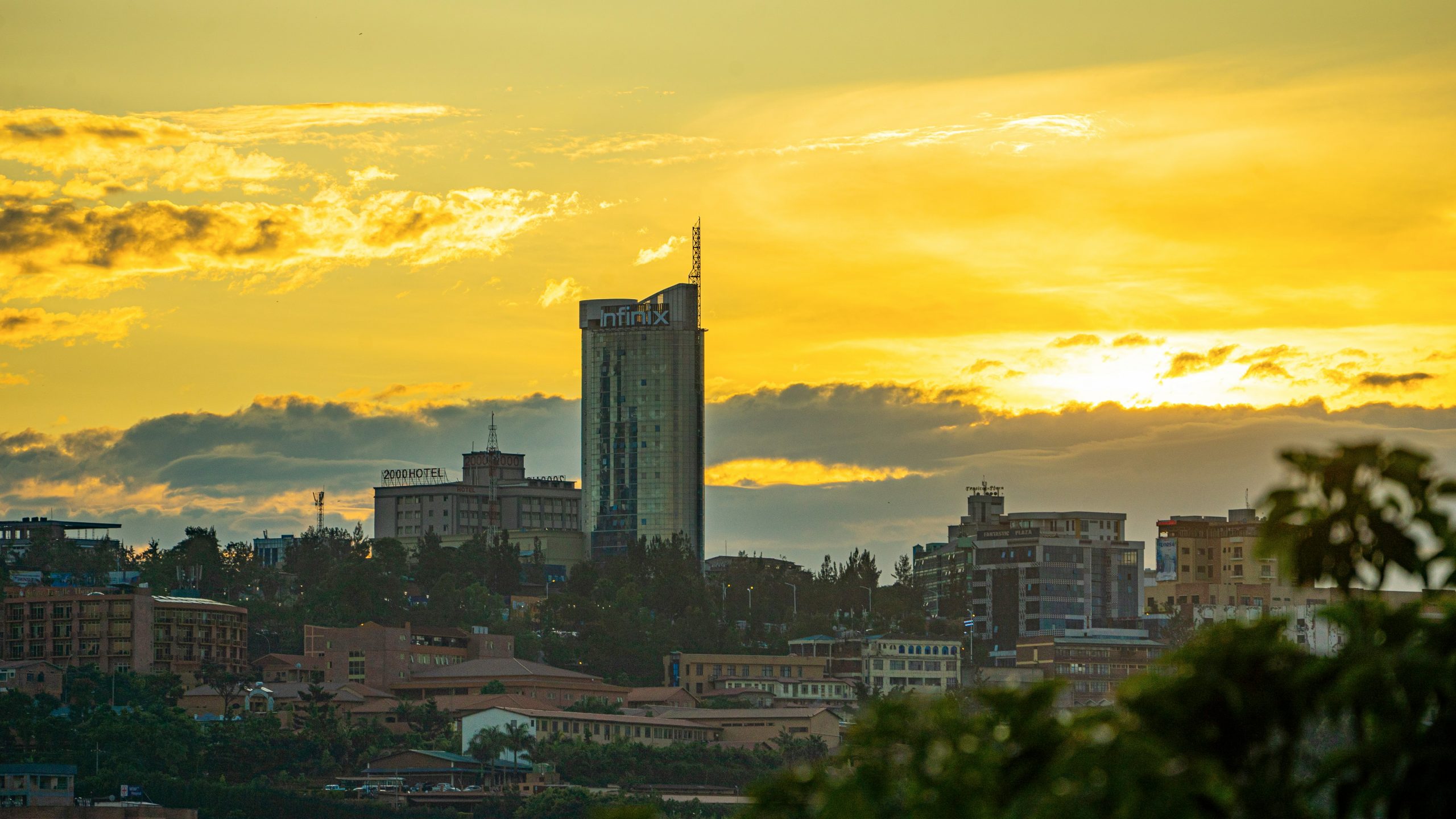
Kigali City Guide: Top Things to Do in Rwanda’s Capital Before or After Your Safari
Spread across a series of green hills in the heart of Rwanda, Kigali surprises almost every first-time visitor. The capital is clean, orderly and safe, with tree-lined streets, a lively arts scene, excellent coffee and a growing reputation for good food. It is also a city that has confronted its past with remarkable courage, and few visitors leave without being deeply moved by its story. For most travellers, Kigali is the gateway to gorilla trekking in Volcanoes National Park, but it deserves at least a day of exploration in its own right.
This complete guide covers the best things to do in Kigali, where to eat and stay, practical tips and how to fit the city into your Rwanda safari.
Kigali at a Glance
- Location: Central Rwanda, built over rolling hills and valleys.
- Airport: Kigali International Airport, around 10 kilometres from the city centre.
- Known for: Cleanliness, safety, the Kigali Genocide Memorial, art galleries, coffee and a lively food scene.
- Languages: Kinyarwanda, English, French and Swahili.
- Distance to gorilla trekking: roughly two and a half to three hours by road to Volcanoes National Park.
Understanding Kigali’s History
In 1994, Rwanda suffered the Genocide against the Tutsi, during which more than one million people were killed in about 100 days. Kigali, like the rest of the country, was devastated. In the decades since, Rwanda has rebuilt itself with a focus on unity, reconciliation and development, and Kigali has become a symbol of that transformation. Understanding this history helps visitors appreciate the resilience and warmth of the people they meet, and visiting the memorials is a respectful and important part of any trip.
Top Things to Do in Kigali
1. Kigali Genocide Memorial. Located at Gisozi, the memorial is the final resting place of more than 250,000 victims of the genocide. Its exhibitions explain the history that led to the genocide, the events of 1994 and the aftermath, with a particularly moving children’s memorial. The site is one of the genocide memorials inscribed on the UNESCO World Heritage List. Allow at least two to three hours, and expect it to be an emotional experience. Entry is generally free, with donations welcome, and audio guides are available.
2. Other memorial sites. Visitors who want to learn more can visit memorials outside the city, such as the churches at Nyamata and Ntarama, south of Kigali. In the city, Camp Kigali Memorial honours ten Belgian UN peacekeepers who were killed at the start of the genocide.
3. Inema Arts Center. Founded by artist brothers, Inema is one of the best places to see Rwandan contemporary art, with colourful paintings, sculptures and crafts by resident and visiting artists. The centre also hosts music, dance and community programmes. Kigali has a growing number of galleries, and art lovers can easily fill a morning exploring them.
4. Kimironko Market. Kigali’s busiest market is a sensory feast of fruit and vegetables, spices, baskets and bright kitenge fabrics. Many visitors have clothes made by the market tailors, who can produce shirts, dresses and bags in a day or two.
5. Nyamirambo walking tour. Nyamirambo is one of Kigali’s oldest and liveliest neighbourhoods, with colourful shopfronts, mosques, hair salons and street life. Community-run walking tours, led by local women’s groups, introduce visitors to everyday life, local crafts and home-cooked Rwandan meals, with income going back to the community.
6. Caplaki Crafts Village. This collection of craft stalls is a good place to buy souvenirs such as woven agaseke baskets, wooden carvings, imigongo art (geometric designs traditionally made with cow dung) and jewellery. Bargaining politely is expected.
7. Kandt House Museum. Once the home of Richard Kandt, a German explorer and colonial official considered the founder of Kigali, this museum covers the city’s early history and Rwanda’s natural history.
8. Presidential Palace Museum. In the Kanombe area near the airport, the former residence of past presidents includes the wreckage of the presidential plane shot down in April 1994, the event that triggered the genocide.
9. Coffee experiences. Rwandan coffee is among the finest in Africa, and Kigali’s cafés are a great place to taste it. Some tours visit coffee cooperatives outside the city to follow the journey from bean to cup.
10. Green spaces and views. Nyandungu Urban Wetland Eco-Park is a restored wetland with walking and cycling trails and good birdlife. For panoramic views, hike or drive up Mount Kigali, or enjoy sunset from one of the city’s rooftop bars.
11. Car Free Day. On selected Sunday mornings, some of Kigali’s main roads are closed to traffic so residents can walk, run, cycle and join free outdoor fitness sessions. Visitors are welcome to join in.
Umuganda: Community Work Day
On the last Saturday morning of every month, Rwandans take part in Umuganda, a national community work day. From around 8 AM to 11 AM, people clean streets, plant trees and work on local projects, and most businesses close and traffic is restricted. If you are in the country on that day, plan your travel around it, as road transfers usually wait until Umuganda has finished. Some visitors join their local community, which can be a memorable experience.
Food and Drink in Kigali
Kigali’s food scene has grown quickly, with everything from simple local eateries to international restaurants. Try a traditional Rwandan buffet, which typically includes matoke (cooked plantain), beans, rice, cassava, sweet potatoes, vegetables and stews, or brochettes (grilled meat skewers) served with chips or plantain. Isombe, a dish of cassava leaves, is a local favourite. Wash it down with Rwandan coffee or tea, fresh fruit juices or a local beer. Kigali also has excellent Indian, Ethiopian, Italian and other international restaurants.
Where to Stay in Kigali
Kigali has a wide range of accommodation, from international business hotels and stylish boutique properties to comfortable guesthouses and budget hostels. Areas such as Kiyovu, Kimihurura and Kacyiru are popular for their central location and good restaurants. The famous Hôtel des Mille Collines, which sheltered many people during the genocide, is still operating. Staying one or two nights in Kigali before or after trekking breaks up your trip and gives time to explore.
Getting Around Kigali
Most visitors on safari are driven by their guide. For independent exploring, taxis and ride-hailing apps are available, and moto-taxis (motorcycle taxis) are a common and affordable way to get around, with helmets provided. Kigali’s hills make walking enjoyable but tiring, so plan for some climbs.
Practical Tips for Visiting Kigali
- Plastic bags are banned. Rwanda banned single-use plastic bags in 2008, and bags may be confiscated at the airport, so pack accordingly.
- Visas. Rwanda has an open visa policy, with visas available on arrival or online for many nationalities; check the current rules before you travel and read our guide to the East Africa Tourist Visa, which covers Rwanda, Uganda and Kenya.
- Money. The currency is the Rwandan franc. Cards are accepted in many hotels and restaurants, and mobile money is widely used, but carry some cash for markets.
- Dress. Smart-casual clothing is the norm. Dress respectfully at memorials.
- Photography. Ask before photographing people, and do not photograph government buildings or security personnel.
- Health. Check vaccination requirements and malaria advice; see our guide to East Africa vaccinations and malaria.
Best Time to Visit Kigali
Kigali’s altitude gives it a pleasant, spring-like climate year-round. The main dry seasons, from June to September and from December to February, are the most popular times to visit and coincide with the best conditions for gorilla trekking. The rainy seasons, roughly March to May and October to November, bring heavier showers, but the city remains easy to explore. April is a time of national remembrance (Kwibuka), when Rwandans commemorate the genocide, and visitors should be particularly respectful during this period.
Fitting Kigali Into Your Rwanda Safari
Kigali is the natural starting and finishing point for any Rwanda itinerary:
- Gorilla trekking: drive to Volcanoes National Park for gorilla trekking; see our guide to the Rwanda gorilla permit cost and the story of Dian Fossey and the mountain gorillas. Add golden monkey trekking for a second primate experience.
- Big Five safari: head east to Akagera National Park for lions, rhinos, elephants and boat trips.
- Chimpanzees and canopy walks: travel south-west to Nyungwe Forest.
- Lakeside relaxation: unwind on the shores of Lake Kivu.
- Cross-border trips: combine Rwanda with Uganda’s gorillas and wildlife; our Rwanda or Uganda for gorillas guide will help you decide.
More Rwanda Guides and Itineraries
- Rwanda, the land of a thousand hills: 2026–2027 travel guide
- Rwanda Formula 1 Grand Prix
- 5-day complete Rwanda: Akagera, Nyungwe and Volcanoes
- 6-day Rwanda complete wildlife safari
- 8-day Rwanda gorilla trekking and Big Five safari
- 3-day Akagera Big Five safari
- 4-day Nyungwe Forest primate safari
Frequently Asked Questions
How many days do I need in Kigali? One full day covers the Genocide Memorial, a market and a gallery or two. Two days lets you add a Nyamirambo walking tour, more museums and a relaxed evening out.
Is Kigali safe? Kigali is widely considered one of the safest capital cities in Africa. Normal precautions still apply.
Can I visit Kigali and go gorilla trekking on the same trip? Yes. Most gorilla trips start and end in Kigali, and a city tour fits easily on your arrival or departure day.
Is the Kigali Genocide Memorial suitable for children? Some exhibits are graphic and emotionally difficult. Parents should use their judgement and speak to staff in advance.
Plan Your Kigali and Rwanda Trip
Kigali is far more than a transit stop. It is a city of hope, creativity and hospitality that gives context and meaning to everything else you will experience in Rwanda. Kuku Safaris can arrange airport transfers, guided city tours and accommodation, and build a full Rwanda itinerary with gorillas, chimpanzees, Akagera and Lake Kivu. For official destination information, visit Visit Rwanda, read our guide on how to choose a Rwanda safari package, and get in touch to start planning.