
Lamu Island Travel Guide: Swahili Culture, Dhows and Beaches on Kenya’s Coast
On Kenya’s northern coast, close to the border with Somalia, lies an island where time seems to move at the pace of a donkey’s walk. Lamu has no cars on its narrow streets, wooden dhows still sail its channels on the wind, and its old stone town has been lived in continuously for more than 700 years. Add long, empty beaches, mangrove-lined channels and a warm, deeply rooted Swahili culture, and Lamu becomes one of the most atmospheric and unusual destinations in East Africa.
This complete guide covers Lamu Old Town, Shela village, the surrounding islands of the Lamu archipelago, the best things to do, when to visit, how to get there and how to combine Lamu with a Kenya safari.
Lamu at a Glance
- Location: The Lamu archipelago, off Kenya’s northern coast, in Lamu County.
- Main islands: Lamu, Manda and Pate, plus smaller islands such as Kiwayu.
- Highlights: Lamu Old Town, a UNESCO World Heritage Site; Shela village and beach; dhow sailing; the Takwa ruins on Manda; festivals and Swahili cuisine.
- Getting around: On foot, by donkey or by boat. There are almost no motor vehicles on Lamu Island.
- Access: Flights to Manda Island airstrip from Nairobi and Malindi, followed by a short boat ride.
A Brief History of Lamu
Lamu grew as one of a string of trading towns along the East African coast, where African, Arab, Persian and Indian influences mixed to create the Swahili culture. For centuries, dhows sailed the monsoon winds between Lamu and Arabia, the Persian Gulf and India, carrying ivory, mangrove poles, spices and other goods. The town’s prosperity is reflected in its coral-stone houses with carved wooden doors, inner courtyards and rooftop terraces.
Lamu Old Town is widely regarded as the oldest and best-preserved Swahili settlement in East Africa, and it was listed as a UNESCO World Heritage Site in 2001. It is also an important centre of Islamic learning on the coast, and religious and cultural traditions remain an everyday part of life.
Exploring Lamu Old Town
The best way to discover Lamu Old Town is simply to wander. Its narrow alleys, just wide enough for a laden donkey, wind between tall stone houses, mosques, small shops and courtyards. Along the waterfront, dhows unload goods, fishermen mend their nets and life unfolds slowly in the shade of the seafront buildings.
Lamu Museum. Housed in a grand building on the waterfront, the museum introduces Swahili culture, the history of the archipelago and maritime traditions, including displays on dhow building and the ceremonial horn known as the siwa.
Lamu Fort. Built in the early nineteenth century, the fort dominates the main square. Over the years it has served as a fortress and a prison, and today it houses exhibitions and hosts cultural events.
Swahili House Museum. This restored traditional home shows how wealthy Swahili families lived, with its carved doors, plasterwork niches and layout built around privacy and cool air flow.
The Donkey Sanctuary. Donkeys are the island’s main beasts of burden, and this sanctuary cares for them and provides free veterinary treatment to the community.
Mosques and markets. Lamu has many mosques, including the Riyadha Mosque, a centre of religious learning. The market near the fort is a lively place to watch daily life, buy fruit and spices and see local trade in action.
Shela Village and Beach
A short boat ride or a pleasant walk along the waterfront from Lamu town brings you to Shela, a quieter village of whitewashed houses, bougainvillea and boutique guesthouses. Beyond the village, a beach stretches for kilometres along the Indian Ocean, backed by sand dunes, and is often almost empty. Shela is the place to swim, walk on the beach, watch the sun set over the channel and enjoy a slower pace. Many of Lamu’s most attractive places to stay are found here.
Beyond Lamu: The Archipelago
Manda Island. Across the channel from Lamu, Manda is home to the airstrip, a handful of beach lodges and the Takwa ruins, the remains of a Swahili town abandoned centuries ago, with a mosque and a large pillar tomb set among baobabs.
Pate Island. Larger and more remote, Pate holds the remains of historic towns such as Pate and Siyu, once important rivals to Lamu, and offers a glimpse of traditional island life far from visitors.
Kiwayu and the outer islands. Further north, Kiwayu is known for its remote beaches and marine life, and has historically been reached by boat from Lamu.
Things to Do on Lamu
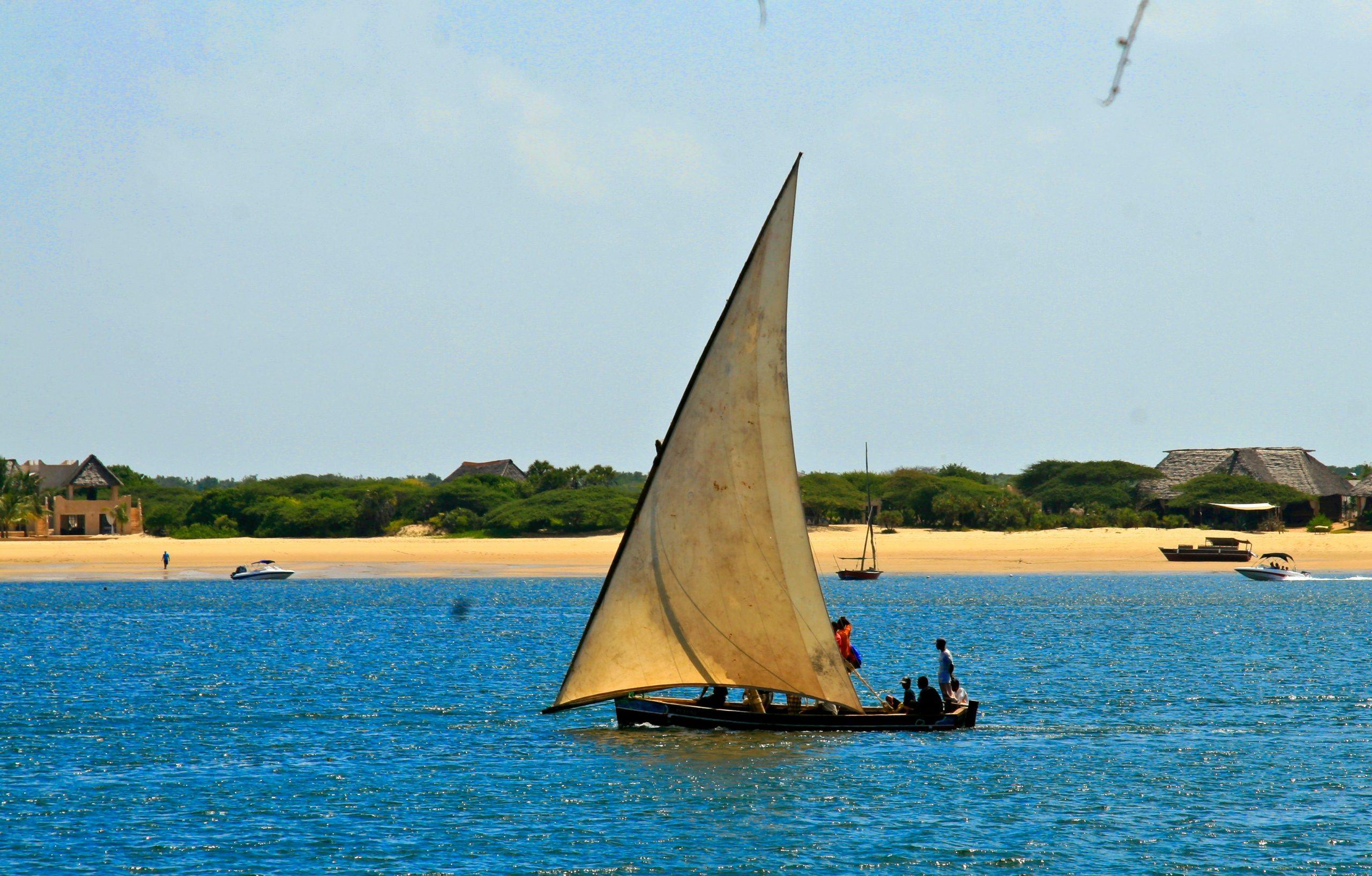
Dhow sailing. A sail on a traditional dhow is the quintessential Lamu experience. Sunset cruises, half-day trips with snorkelling and fishing, and full-day excursions with a seafood barbecue on a sandbank are all available.
Snorkelling and fishing. Reefs and channels around the archipelago offer snorkelling, while deep-sea fishing trips head out into the Indian Ocean.
Mangrove boat trips. The archipelago’s mangrove forests are important for fish, birds and coastal protection. Exploring them by boat or kayak is peaceful and fascinating.
Swahili cooking and culture. Join a cooking class to learn to make Swahili dishes such as coconut fish curry, pilau and biryani, or take a guided walk to learn about the island’s architecture, crafts and traditions.
Woodcarving and dhow building. Visit workshops where craftsmen carve the island’s famous wooden doors and furniture, or see dhows being built by hand in the traditional way.
Relaxing. Lamu is a place to slow down, read on a rooftop terrace, drink fresh juice and watch the world go by.
Festivals in Lamu
Lamu hosts colourful events that draw visitors from across Kenya and beyond. The Lamu Cultural Festival, usually held towards the end of the year, celebrates Swahili heritage with dhow races, donkey races, traditional music, dance, crafts and poetry. Maulidi, the celebration of the Prophet Muhammad’s birthday, brings pilgrims and processions to the island, with dates set according to the Islamic calendar. If you plan to visit during a festival, book accommodation well ahead.
Best Time to Visit Lamu
The best times to visit Lamu are during the dry seasons, from December to March and from July to October, when the weather is sunny and the sea is pleasant for swimming and sailing. The long rains, roughly from April to June, bring heavy downpours, humidity and rougher seas, and some hotels close for part of this period. The coast is hot and humid for much of the year, with sea breezes helping to keep things comfortable. See our guide to the best time to visit East Africa for more on the region’s seasons.
How to Get to Lamu
The easiest way to reach Lamu is by air. Scheduled flights connect Nairobi and Malindi with the airstrip on Manda Island, and from there a short boat transfer crosses the channel to Lamu town or Shela. Road travel along the coast from Malindi is possible but long, and air travel is generally recommended. Before you travel, check your government’s latest travel advice for Lamu County, as advice for the mainland areas near the Somali border differs from that for the islands, and make sure your entry documents are in order with our guide to the Kenya eTA for tourists.
Where to Stay
Lamu has some of the most characterful accommodation on the East African coast. In the Old Town, restored Swahili houses have been turned into guesthouses and boutique hotels with rooftop terraces and courtyards. Shela offers stylish beachside hotels and villas, while Manda Island has secluded beach lodges. Budget guesthouses are also available in Lamu town, and many houses can be rented in full for families or groups.
Respecting Local Culture
- Lamu is a conservative Muslim community. Dress modestly in town, covering shoulders and knees, and save swimwear for the beach.
- Always ask permission before photographing people.
- Be respectful around mosques and during prayer times, and be aware that during Ramadan, eating and drinking in public during the day is discouraged.
- Learn a few words of Swahili. A simple “Jambo” or “Asante” goes a long way.
- Agree on prices for boat trips and services in advance.
How Much Does a Lamu Trip Cost?
Your main costs will be flights to Manda, accommodation and activities such as dhow trips. Lamu suits a range of budgets, from simple guesthouses in town to luxurious villas in Shela. Food is good value, especially fresh seafood and Swahili dishes from local restaurants. For broader budgeting help, see our guide to East Africa safari costs.
Combining Lamu With a Kenya Safari
Lamu makes an unforgettable ending to a Kenya safari. After game drives in the Maasai Mara, Samburu or Amboseli, fly to Lamu for a few days of culture, sailing and beach time. Lamu also pairs well with other parts of the coast, such as Malindi, Watamu and Diani Beach, and with Tsavo. For a heritage-focused journey along the coast, see our Kenya and Tanzania Swahili Coast heritage tour, and if you are deciding between Kenya’s coast and Tanzania’s islands, our guide to Zanzibar and safari will help. Couples will find Lamu ideal for a honeymoon safari.
Health Tips
Lamu is in a malaria area, so use insect repellent, sleep under a net and take medical advice before you travel; our guide to East Africa vaccinations and malaria has more. Drink bottled or filtered water, use plenty of sunscreen and stay hydrated in the heat.
Frequently Asked Questions
Are there cars on Lamu Island? Almost none. People get around on foot, by donkey or by boat, which is part of the island’s charm.
How many days should I spend in Lamu? Three to five nights allows time to explore the Old Town, relax in Shela and take a dhow trip or two.
Is Lamu good for families? Yes, especially Shela, with its calm beach, dunes and boat trips. Children usually love the donkeys and dhows; see our guide to family safaris in East Africa.
Is Lamu safe to visit? Many travellers visit the islands without problems, but conditions can change. Always check your government’s current travel advice for Lamu County before booking and travel with a reputable operator.
What should I eat in Lamu? Try fresh seafood, coconut curries, pilau, samosas, mandazi (sweet fried dough) and fresh fruit juices.
Plan Your Lamu Escape
Lamu is unlike anywhere else in East Africa, a place where centuries-old traditions, dhows and stone alleys meet long beaches and a gentle island rhythm. Kuku Safaris can arrange your flights, transfers and accommodation and combine Lamu with a safari in Kenya’s best wildlife areas. To explore more of Kenya, read our guide on how to choose a Kenya safari package, then get in touch to start planning.