
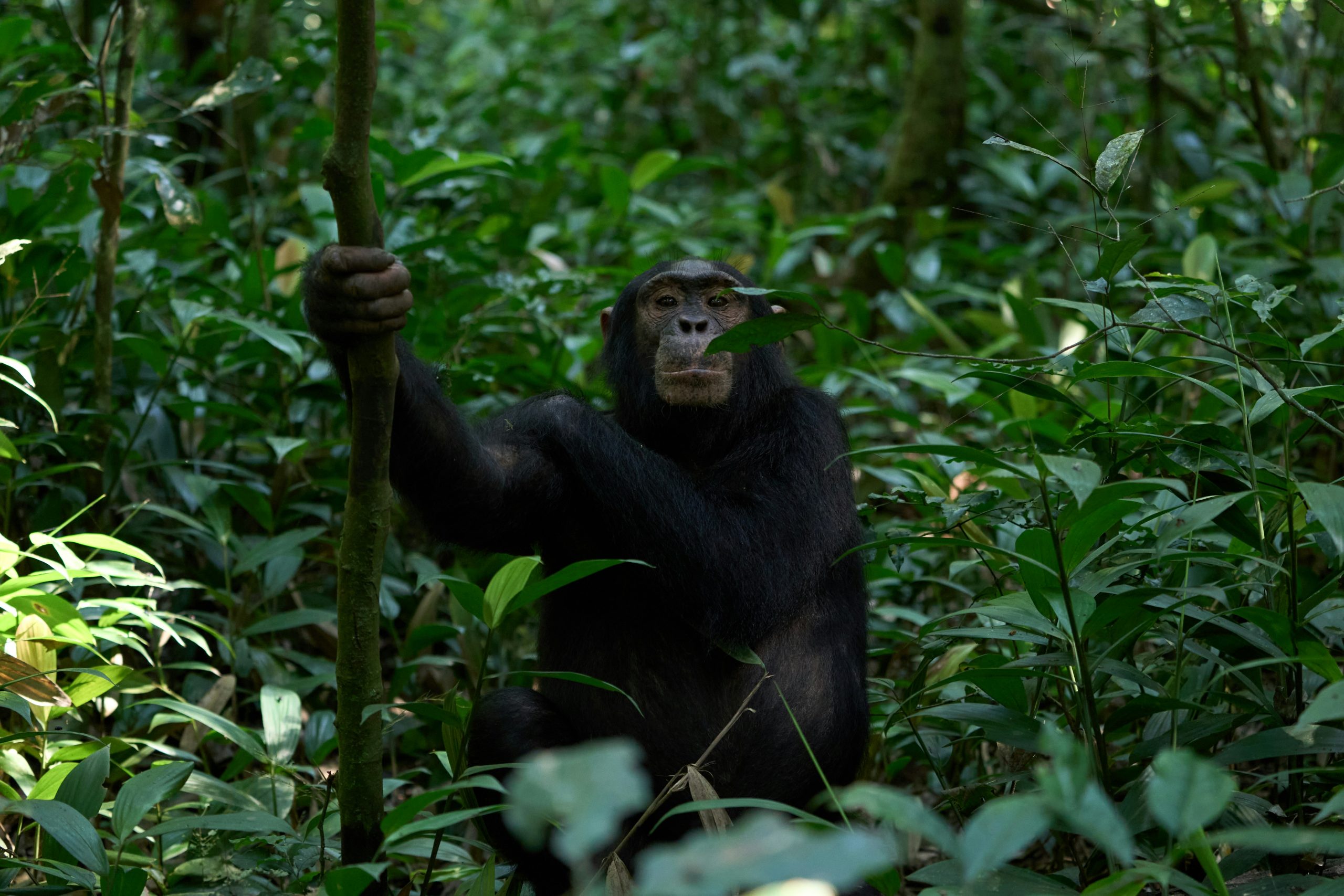
Mahale Mountains National Park: The Complete Guide to Chimpanzee Trekking on Lake Tanganyika
Imagine stepping off a wooden boat onto a white-sand beach, the water behind you so clear you can see brightly coloured fish darting over the stones, while ahead of you a wall of rainforest climbs steeply towards mist-covered peaks. Somewhere up in those trees, a community of wild chimpanzees is calling. This is Mahale Mountains National Park, one of the most remote, beautiful and rewarding wildlife destinations in Africa, and a place that very few travellers ever reach.
There are no roads into Mahale. Everyone arrives by small plane and boat, and once there, you are walking in forests where chimpanzees have been studied for decades, staying in camps where the lake laps at your doorstep, and sharing the park with only a handful of other visitors. This complete guide explains what makes Mahale special, what a chimpanzee trek is really like, how to get there, when to go, what it costs and how to combine it with other parks in western Tanzania.
Where Is Mahale Mountains National Park?
Mahale lies in far western Tanzania, on a dramatic peninsula that juts into the eastern shore of Lake Tanganyika, roughly 120 to 150 kilometres south of the town of Kigoma. The park covers about 1,600 square kilometres, most of it mountainous. The Mahale range runs through its centre, and its highest point, Mount Nkungwe, rises to around 2,460 metres, almost 1,700 metres above the lake surface. On clear days, the mountains of the Democratic Republic of Congo are visible on the far side of the water.
Unlike most African parks, Mahale has no road access at all. The only practical way in is by light aircraft to the park airstrip, followed by a boat ride along the lakeshore to the camps and park headquarters. That isolation is a big part of what makes Mahale feel so untouched, but it also means careful planning is essential.
Why Visit Mahale?
- Exceptional chimpanzee encounters. Mahale is home to one of the largest remaining populations of eastern chimpanzees in Tanzania, and the habituated group visitors track is well used to people.
- Spectacular scenery. Few places combine tropical beaches, crystal-clear lake water and forested mountains in one view.
- Genuine remoteness. With no roads and only a handful of camps, you may never see another group of visitors on the trail.
- Scientific history. Mahale has hosted one of the world’s longest-running chimpanzee research projects, which has revealed a great deal about chimp culture and behaviour.
- Lake life. Swimming, snorkelling, kayaking and sunset boat trips on Lake Tanganyika make the downtime between treks just as memorable.
The Chimpanzees of Mahale
The Mahale Mountains hold a large population of wild chimpanzees spread across several communities, though only one is habituated for tourism. Researchers, led for many years by Japanese primatologists from Kyoto University, began studying chimpanzees here in the mid-1960s, only a few years after Jane Goodall began her work at Gombe to the north. Over decades of patient observation, this research has documented how chimpanzee groups differ from one another in their habits, from grooming styles to the way they use tools and choose food, findings that helped establish the idea that chimpanzees have their own local cultures.
The community that visitors track is large, typically numbering in the dozens, and includes adult males jostling for rank, mothers with infants clinging to their bellies, and playful juveniles. Because they have been followed by researchers and guides for so long, they are relaxed in the presence of people, which makes for remarkably intimate and natural viewing. You may watch them feed on figs high in the canopy, groom one another in quiet clusters on the forest floor, or suddenly erupt into a chorus of pant-hoots that echoes around the valley.
What a Chimpanzee Trek Is Really Like
Most treks begin after an early breakfast. Trackers set out at first light to locate the chimpanzees, using calls, fresh signs and knowledge of which trees are fruiting, and they radio the group’s position back to your guide. Before you leave, your guide and a park ranger brief you on the rules, which are designed to protect both you and the chimps:
- Keep a minimum distance from the chimpanzees, usually around eight metres or more.
- Wear a surgical face mask when you are close to them, because chimps are highly vulnerable to human respiratory illnesses.
- Stay quiet, avoid sudden movements and never use flash photography.
- Do not eat, drink or smoke near the chimpanzees.
- Do not trek if you have a cold, flu or any infectious illness.
- Visitor time with the chimpanzees is limited, normally to one hour per day.
The walk itself can vary enormously. On some days, the chimps are feeding close to the lakeshore and you reach them within half an hour. On others, they have moved high into the mountains and you may hike for two or three hours or more, scrambling up steep, slippery slopes through dense forest. Good fitness and sturdy footwear make a real difference, and guides will set a pace that suits the group. Minimum age limits apply for trekkers, so families travelling with children should check the current rules when booking.
When you finally reach the chimps, the effort is instantly forgotten. Sitting quietly on the forest floor while a chimpanzee mother nurses her baby a few metres away, or watching an adult male stride past so close you can hear him breathe, is one of the most powerful wildlife experiences anywhere. Most visitors stay at least two or three nights so they can trek on more than one day, as each encounter is different.
Other Wildlife in Mahale
Chimpanzees are the main attraction, but Mahale’s forests support several other primates, including red colobus monkeys, red-tailed monkeys, blue monkeys, yellow baboons and vervet monkeys. Forest antelope such as bushbuck and blue duiker move quietly through the undergrowth, and bushpigs and forest squirrels are often seen around camp.
The eastern side of the park, beyond the mountains, is drier miombo woodland and savanna, where species such as roan and sable antelope, buffalo and even lions have been recorded, though this area sees very few visitors. Birdlife is rich across all habitats, with forest species like the crested guineafowl and Ross’s turaco, alongside fish eagles, kingfishers and waders on the lakeshore.
Lake Tanganyika: The Other Half of the Experience
Lake Tanganyika is one of the natural wonders of Africa. It is one of the longest freshwater lakes in the world, stretching more than 650 kilometres from north to south, and the second deepest, plunging to almost 1,500 metres. It is also extraordinarily old, and its long isolation has produced hundreds of species of cichlid fish found nowhere else on Earth, many of them brightly coloured and easily seen while snorkelling just off the beach.
Between treks, most visitors spend their afternoons on or beside the water. Camps offer kayaking along the shoreline, sunset cruises in traditional wooden dhows, fishing trips and simple relaxing on the sand. Swimming is a highlight for many guests; your camp will advise on the safest spots and times. Evenings are spent watching the sun sink behind the Congo mountains, often followed by dinner on the beach under a sky full of stars.
Other Activities
Forest walks. Guided walks through the lower forest reveal waterfalls, giant trees, butterflies and smaller wildlife you might miss when focused on chimps.
Climbing Mount Nkungwe. For the adventurous, a multi-day hike to the summit of Mount Nkungwe passes through forest, bamboo and montane grassland, with sweeping views across Lake Tanganyika. This requires advance arrangement, camping equipment and a good level of fitness.
Cultural visits. Fishing villages along the lakeshore outside the park offer a glimpse into the lives of the Tongwe and other communities who depend on the lake.
How to Get to Mahale
Because there are no roads into the park, getting to Mahale takes some planning. The most common options are:
- Scheduled light-aircraft circuits. During the main season, small aircraft operate a set circuit linking Arusha and other northern hubs with Katavi National Park and the Mahale airstrip, usually a few times a week. This is the most popular way to visit, and it naturally combines Mahale with Katavi.
- Charter flights. Private charters can be arranged from Arusha, Dar es Salaam or Kigoma, giving full flexibility but at a higher cost.
- Via Kigoma by boat. Travellers on a tighter budget can fly to Kigoma and then travel south by boat along the lake. This is a long journey that can take many hours depending on the vessel and weather, so it suits those with extra time and a sense of adventure.
From the Mahale airstrip, the final leg to the camps is a scenic boat ride of around an hour and a half along the forested shoreline. Your operator will coordinate flight and boat timings, which is one of the strongest reasons to book Mahale as part of a planned itinerary rather than independently.
Best Time to Visit Mahale
Dry season (late June to October). This is the peak season and generally the best time to visit. Trails are drier and easier to walk, and as the dry season progresses, from around August to October, the chimpanzees often come lower down the mountains, which can mean shorter treks and excellent sightings. The lake is usually calm and clear for swimming and snorkelling.
Short rains and early wet season (November to early March). Rain falls in showers and storms, the forest is lush and green, and the chimps may range higher on the slopes. Treks can be longer and muddier, but the park is even quieter and the scenery is at its most vivid.
Long rains (mid-March to May). Heavy rains make travel difficult and most camps close during this period. Plan your visit outside these months unless you have confirmed that your chosen camp is open.
For a broader view of seasons across the region, see our guide to the best time to visit East Africa.
How Long to Stay
Given the time and cost involved in reaching Mahale, most visitors stay at least three nights, and four nights is ideal. That allows two or three chimpanzee treks, increasing your chances of excellent sightings even if the chimps are high in the mountains on one day, while leaving time to enjoy the lake. Because scheduled flights run only on certain days, the length of your stay is often shaped by the flight circuit.
Where to Stay
Accommodation at Mahale is limited to a small number of beach camps and simple park-run bandas. The upmarket camps sit directly on the lakeshore, with open-fronted tents or thatched bandas facing the water, and include all meals, guided chimp treks and lake activities. Park bandas near the headquarters offer a more basic, budget-friendly option. With so few beds available, booking well in advance is essential, particularly for the peak months of July to October.
How Much Does a Mahale Safari Cost?
Mahale is one of the more expensive destinations in East Africa, mainly because of the flights and the remote logistics. The total cost depends on how you travel, but the main components are:
- Flights on the light-aircraft circuit or a private charter, usually the single largest cost.
- Park and conservation fees, set by Tanzania National Parks and charged per person per day.
- Accommodation, which at the beach camps is typically fully inclusive of meals, drinks, treks and activities.
- Boat transfers between the airstrip and the camps.
Combining Mahale with Katavi on the same flight circuit spreads the flight cost across two exceptional parks and offers much better value than visiting Mahale alone. For a general picture of safari pricing in the region, see our guide to East Africa safari costs.
Combining Mahale With Other Parks
Katavi National Park. The classic pairing. Katavi’s vast floodplains, huge buffalo herds and crowded hippo pools offer a raw, big-game contrast to Mahale’s forest and lake. Read our full guide to Katavi National Park, or see our 6-day Katavi remote wilderness safari.
Gombe Stream National Park. Further north along the lake, Gombe is where Jane Goodall began her chimpanzee research. Visiting both offers two very different chimp experiences. See our Gombe Stream guide and our 6-day Gombe and Mahale chimpanzee safari, or go deeper with our 12-day Mahale and Gombe chimpanzee discovery expedition.
Southern Tanzania. Some travellers link western Tanzania with Ruaha National Park and Nyerere National Park for a long and adventurous journey through the country’s wildest corners.
Mahale vs Other Chimpanzee Destinations
East Africa offers several excellent places to see chimpanzees, and each has its strengths. Uganda’s Kibale Forest and Rwanda’s Nyungwe Forest are far easier and cheaper to reach and fit neatly into gorilla trekking itineraries; read our guide to chimpanzee trekking in Nyungwe for comparison. Gombe has unmatched history and a shorter journey from Kigoma. Mahale stands out for its combination of a large, relaxed chimpanzee community, breathtaking lakeside setting and true wilderness atmosphere. If you want the most complete and immersive chimpanzee experience, and the budget allows, Mahale is hard to beat. Our guide to primate safaris in East Africa compares the options in more detail.
What to Pack for Mahale
- Sturdy, broken-in hiking boots with good grip for steep, muddy slopes.
- Lightweight long trousers and long-sleeved shirts in neutral colours to protect against scratches and insects.
- Gardening or cycling gloves for gripping branches on steep sections.
- A lightweight waterproof jacket and a small daypack with a rain cover.
- Surgical face masks, which are required near the chimps (camps usually supply them, but bring spares).
- Insect repellent, sunscreen, a hat and sunglasses.
- Swimwear and a snorkel mask for the lake.
- A camera with a fast lens for low forest light, plus spare batteries, as charging can be limited.
- Soft-sided luggage, as light aircraft impose strict weight and bag-type limits.
Western Tanzania is a malaria area, so speak to a travel health professional before your trip; our guide to East Africa vaccinations and malaria advice covers the essentials.
Responsible Chimpanzee Tourism
Chimpanzees are endangered, and the biggest risks they face from tourism are disease and disturbance. Following the trekking rules, wearing your mask, keeping your distance and staying home if you feel unwell all directly protect the animals you have come to see. Park fees support rangers, research and anti-poaching efforts managed by Tanzania National Parks (TANAPA), so your visit contributes to keeping Mahale wild.
Frequently Asked Questions
How likely am I to see chimpanzees at Mahale? Sightings are highly likely, especially if you stay several nights and trek on more than one day. Trackers locate the habituated community each morning, though on some days the chimps may be far up the mountains.
How fit do I need to be? A reasonable level of fitness is important. Treks can involve steep climbs on slippery ground, sometimes for several hours. Guides adjust the pace, but you should be comfortable hiking uphill.
Is Mahale suitable for children? Minimum age limits apply to chimp trekking, and the remote travel can be demanding, so Mahale generally suits older teenagers and adults best.
Can I visit Mahale on a budget? It is possible by flying to Kigoma, travelling by boat and staying in park bandas, but this requires more time and flexibility. Most visitors choose fly-in packages for comfort and reliability.
Is Mahale good for first-time safari-goers? It can be, but many people visit after a more classic safari. If this is your first trip, our first-time safari tips and guide to choosing a Tanzania safari package will help you decide how Mahale fits in.
Plan Your Mahale Adventure
Mahale is not a quick add-on. It is a destination in its own right, rewarding those who make the journey with some of the most intimate wildlife encounters in Africa and a setting few places can match. Kuku Safaris can handle every detail, from flight circuits and boat transfers to camp bookings and combinations with Katavi and Gombe, so you can focus on the experience. Get in touch to start planning your western Tanzania chimpanzee safari.