
Burundi Cultural Heritage, Kibira Forest & Lake Tanganyika Expedition – 9 Days
Introduction: Discover Burundi’s Cultural Heritage and Natural Beauty
Discover the history, traditions and beautiful landscapes of Burundi on this 9-day Cultural Heritage, Forest and Lake Tanganyika Expedition with Kuku Safaris.
Often overlooked by travellers exploring East Africa, Burundi offers a fascinating combination of traditional cultural heritage, beautiful highland scenery, tropical forests and the remarkable freshwater environment of Lake Tanganyika.
The journey begins in Bujumbura, where visitors discover the country’s historical monuments, traditional crafts and lakeside culture. From here, travel inland to Gitega, Burundi’s political capital and an important centre of cultural heritage.
In Gitega, explore the National Museum and visit the famous Gishora Drum Sanctuary, where traditional royal drumming and dancing provide an unforgettable introduction to Burundian identity.
The expedition then continues into the central and southern highlands, where visitors discover the historic southernmost source of the Nile at Rutovu and explore selected natural attractions.
For the forest experience, the current itinerary uses Kigwena Forest Reserve and Mugara Hot Springs, rather than Kibira National Park. This adjustment is necessary because Kibira is currently covered by official do-not-travel advice from some governments.
The final part of the journey takes you to Lake Tanganyika, where you can enjoy peaceful lakeside scenery, traditional fishing culture and carefully arranged boat excursions.
Whether you are a cultural traveller, photographer, nature enthusiast, couple or adventurous visitor seeking an alternative East African destination, this journey provides a memorable introduction to Burundi.
Tour Highlights
- Discover Bujumbura’s historical attractions and cultural heritage.
- Visit the Living Museum of Bujumbura.
- Explore the Stanley and Livingstone historical monument.
- Discover the National Museum of Burundi in Gitega.
- Experience traditional royal drumming at Gishora.
- Learn about Burundi’s monarchy, history and cultural traditions.
- Visit the southernmost source of the Nile at Rutovu.
- Explore Kigwena Forest Reserve.
- Discover the natural Mugara Hot Springs.
- Enjoy the beautiful landscapes of Lake Tanganyika.
- Experience traditional fishing culture and lakeside communities.
- Explore Burundi’s local cuisine, crafts and community traditions.
Important Forest Access Note
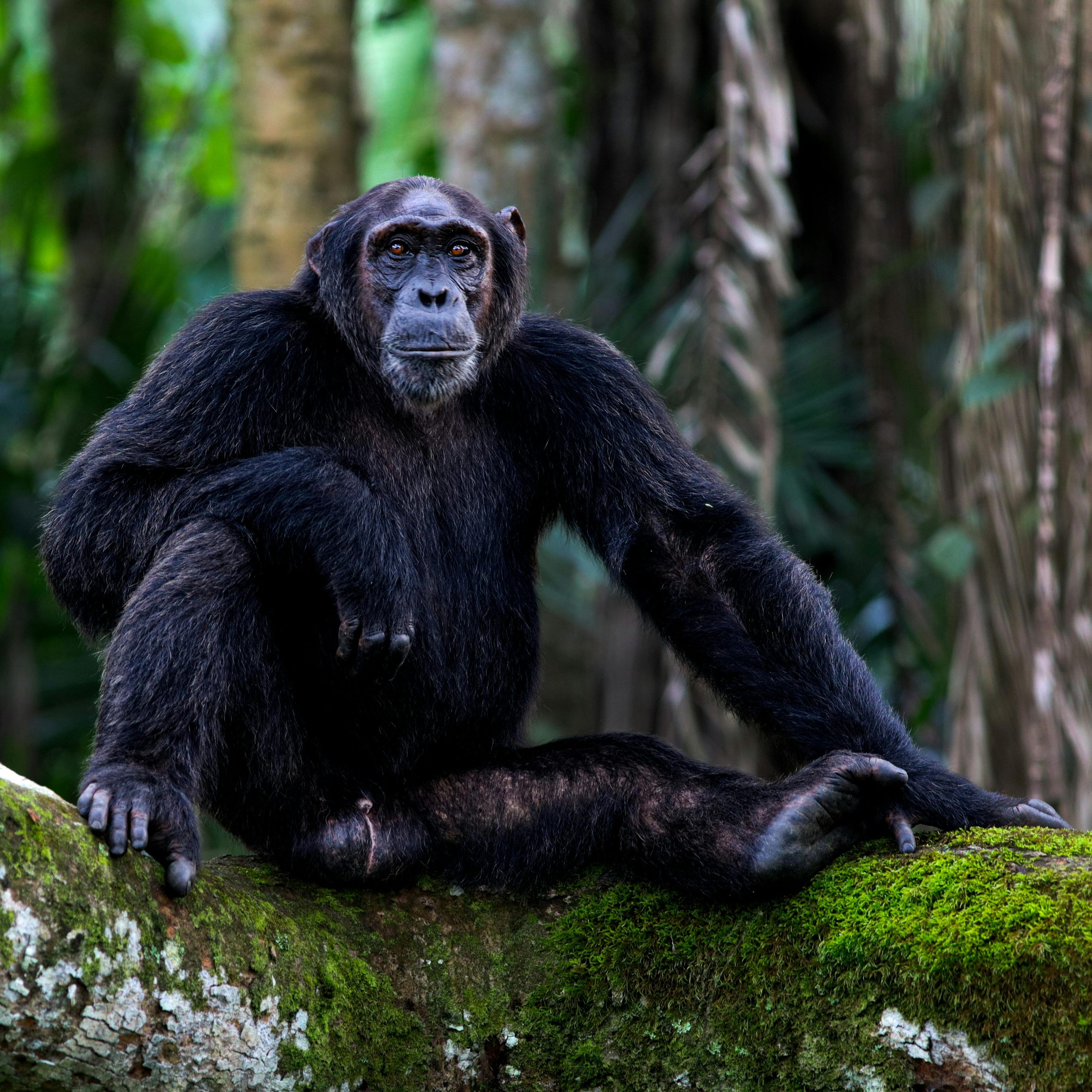
Kibira National Park is an important part of Burundi’s natural heritage. It contains montane rainforest, chimpanzees, monkeys, other mammals and approximately 200 recorded bird species.
However, as of November 2026, several government travel advisories identify the park and surrounding areas as high-risk destinations.
For this reason, the currently proposed operating itinerary substitutes Kigwena Forest Reserve, a forest destination in the southern part of the country.
Kibira can be considered for a future itinerary only after official travel restrictions change and a fresh security assessment confirms that visits are appropriate.
Detailed 9-Day Burundi Itinerary
Day 1: Arrival in Bujumbura – Welcome to Burundi
Upon arrival at Melchior Ndadaye International Airport, you will be welcomed by a representative from Kuku Safaris and transferred to your hotel in Bujumbura.
Depending on your arrival time, spend the afternoon relaxing or enjoying a short introduction to the city.
Bujumbura is Burundi’s largest urban centre and an important destination for understanding the country’s history, commerce and relationship with Lake Tanganyika.
The city is known for its warm climate, lakeside atmosphere, traditional restaurants and busy markets.
In the evening, meet your safari representative for a briefing about the upcoming expedition.
Your guide will explain the road route, cultural visits, accommodation arrangements and the current safety requirements.
Enjoy dinner at your hotel and rest before beginning the cultural exploration.
Accommodation: Bujumbura
Meal plan: Dinner, depending on arrival time
Day 2: Bujumbura City Heritage – Discover Burundi’s History and Traditional Culture
After breakfast, begin exploring Bujumbura’s cultural and historical attractions.
Start with a visit to the Living Museum of Bujumbura, an interesting cultural destination showcasing aspects of Burundi’s traditional lifestyle, craftsmanship and natural heritage.
The museum provides an opportunity to discover:
- Traditional pottery.
- Blacksmithing and metalwork.
- Basket weaving.
- Traditional musical instruments.
- Reconstructed royal household structures.
- Selected aspects of Burundi’s wildlife and natural heritage.
Continue to the Prince Louis Rwagasore Mausoleum, a historic monument dedicated to one of the country’s most important independence leaders.
The site provides an opportunity to understand the political history of Burundi and the legacy of its independence movement.
Later, visit the Stanley and Livingstone Monument near the Mugere River.
The monument commemorates the historic passage of the explorers Henry Morton Stanley and Dr David Livingstone along the Burundian shores of Lake Tanganyika in 1871.
The site offers views of the lake and an opportunity to learn about the region’s history of exploration and trade.
After the visits, enjoy a traditional Burundian lunch at a selected restaurant.
The afternoon can include a guided introduction to local markets and craft shops, depending on your interests and the security conditions.
Return to your hotel in the evening.
Accommodation: Bujumbura
Meal plan: Breakfast, lunch and dinner
Day 3: Bujumbura to Gitega – Discover Burundi’s National Museum
After breakfast, depart Bujumbura and travel inland towards Gitega.
Gitega is Burundi’s political capital and one of its most important cultural destinations.
The road journey takes you through the country’s beautiful central highlands, with rolling hills, cultivated landscapes and traditional rural settlements.
On arrival, visit the National Museum of Gitega, also known as the Musée National du Burundi.
The museum was established in 1955 and houses ethnographic and archaeological collections that provide insight into the history of Burundi.
During your visit, learn about:
- Traditional Burundian household objects.
- Historical pottery and craftwork.
- Traditional clothing and ornaments.
- Royal history and former monarchs.
- Archaeological objects.
- Historical photographs and cultural artefacts.
The museum provides an introduction to the traditions and social organisation of Burundi’s different communities.
After the museum visit, check in at your accommodation and enjoy lunch.
The afternoon can be spent exploring selected areas of Gitega with a local guide.
Enjoy dinner and prepare for the following day’s royal drumming experience.
Accommodation: Gitega
Meal plan: Breakfast, lunch and dinner
Day 4: Gishora Drum Sanctuary – Experience Burundi’s Living Cultural Heritage
Today is one of the most memorable cultural highlights of the expedition.
After breakfast, travel approximately 7 kilometres from Gitega to the famous Gishora Drum Sanctuary.
Perched on a hill outside the city, Gishora is one of Burundi’s most important cultural heritage sites.
The sanctuary is closely associated with the country’s royal drum tradition, known locally for its powerful rhythms, dance, poetry and ceremonial significance.
During your guided visit, learn about the history of the royal drums and their role in the former Burundian monarchy.
The experience may include:
Royal drum performance
Enjoy an authentic performance by the Batimbo drummers.
The traditional ritual dance combines powerful drumming, coordinated movement, heroic poetry and traditional songs.
Cultural interpretation
Your guide will explain the importance of the drums in royal ceremonies, community gatherings and the preservation of Burundian identity.
Traditional architecture
Explore the sanctuary’s reconstructed royal surroundings and learn about the historical organisation of the site.
Cultural photography
Enjoy opportunities to photograph the traditional instruments and performances, subject to the sanctuary’s rules and permission.
The ritual dance of the royal drum was inscribed on UNESCO’s Representative List of the Intangible Cultural Heritage of Humanity in 2014.
After the performance, enjoy a locally prepared lunch and an opportunity to learn more about Gitega’s cultural traditions.
Return to your accommodation in the afternoon.
Visits and performances should be booked in advance to ensure that the cultural hosts and performers are available.
For visitor arrangements, see the Gishora Drum Sanctuary.
Accommodation: Gitega
Meal plan: Breakfast, lunch and dinner
Day 5: Gitega to Rutovu and Bururi – Discover the Southernmost Source of the Nile
After breakfast, depart Gitega and travel towards the southern highlands of Burundi.
Today’s journey introduces you to the geographical and historical significance of the country’s southernmost Nile headwaters.
The main attraction is the Source of the Nile Monument at Rutovu, situated in the highlands around Mount Gikizi.
The site commemorates the southernmost source associated with the Nile river system, identified by the German explorer Burkhart Waldecker in 1934.
A small pyramid marks the location, providing a fascinating geographical and historical attraction.
During your visit, learn about the river system connecting the highlands of Burundi to the wider Nile Basin.
The water from this southern headwater flows through tributaries that connect to the Ruvubu and Kagera river systems before reaching Lake Victoria and the Nile.
Enjoy the surrounding highland scenery and take photographs of the monument.
Later, continue towards Bururi, a beautiful highland area known for its cooler climate and green landscapes.
On arrival, check in at your pre-arranged accommodation and enjoy lunch or refreshments.
Spend the afternoon relaxing or enjoying a short guided walk around the surrounding countryside, subject to local conditions.
Accommodation: Bururi area
Meal plan: Breakfast, lunch and dinner
Day 6: Bururi to Kigwena Forest Reserve and Mugara Hot Springs – Discover Southern Burundi’s Natural Heritage
After breakfast, leave Bururi and travel towards Kigwena Forest Reserve.
This reserve is an interesting alternative for travellers seeking a forest experience in southern Burundi without entering the currently restricted Kibira area.
Kigwena Forest Reserve was established in 1954 and protects approximately 3,300 hectares of forest.
It lies along the western foothills of the Congo-Nile range, descending towards the Lake Tanganyika plain.
On arrival, meet your local guide for a selected forest walk, subject to current access arrangements.
The experience may include:
- Exploring the forest’s natural vegetation.
- Learning about indigenous tree species.
- Discovering the importance of forest conservation.
- Birdwatching.
- Observing the relationship between the forest and surrounding agricultural landscapes.
- Enjoying the scenery of the western highlands.
After the forest experience, continue to the Mugara Hot Springs, located within the Kigwena forest landscape.
The hot springs are a distinctive natural attraction associated with geothermal activity.
Enjoy the surroundings and learn about the geological importance of the springs.
Visitors should follow local instructions and avoid entering hot or untreated water where conditions are unsafe.
Later, continue towards Rumonge, a lakeside destination on the eastern shores of Lake Tanganyika.
Check in at your accommodation and enjoy the evening.
Accommodation: Rumonge
Meal plan: Breakfast, lunch and dinner
Day 7: Rumonge and Lake Tanganyika – Discover Burundi’s Lakeside Culture
Spend today discovering the beauty and cultural atmosphere of Lake Tanganyika.
After breakfast, enjoy a guided lakeside excursion.
Lake Tanganyika is one of Africa’s largest and deepest freshwater lakes and an important part of Burundi’s geography, economy and cultural identity.
Its waters support fishing communities and diverse aquatic ecosystems.
During the excursion, you may experience:
Traditional fishing culture
Learn about the fishing activities that support communities along the lake.
Observe traditional boats, fishing equipment and the daily routines of local fishermen.
Lakeside photography
Enjoy views of the lake’s wide open waters, surrounding hills and changing coastal scenery.
Optional boat excursion
Where a reputable local operator and suitable conditions are confirmed, enjoy a guided boat excursion along an approved section of the lake.
The trip offers an opportunity to appreciate the coastline from the water and observe traditional fishing activities.
Local food experience
Enjoy a meal featuring local fish and traditional Burundian cuisine, subject to availability.
Community interaction
Depending on your interests and the availability of local hosts, enjoy a guided introduction to the surrounding community and its relationship with the lake.
Swimming is not included in this programme because current travel-health advice identifies wildlife and waterborne-disease risks in Lake Tanganyika.
Boat excursions should use appropriate safety equipment, including life jackets.
Return to your accommodation in the afternoon and enjoy a relaxed evening.
Accommodation: Rumonge
Meal plan: Breakfast, lunch and dinner
Day 8: Rumonge to Bujumbura – Scenic Return Journey
After breakfast, begin the return journey towards Bujumbura.
The drive follows the Lake Tanganyika region, with opportunities to appreciate the surrounding landscape and rural communities.
Depending on the route and current local conditions, your guide may arrange selected stops for photographs and refreshments.
On arrival in Bujumbura, check in at your hotel.
Spend the afternoon relaxing or exploring selected craft shops and markets.
In the evening, enjoy a farewell dinner featuring traditional Burundian dishes.
The overnight stay provides a comfortable buffer before your international departure.
Accommodation: Bujumbura
Meal plan: Breakfast, lunch and dinner
Day 9: Departure from Bujumbura – End of Your Burundi Expedition
After breakfast, depending on your international flight schedule, you will be transferred to Melchior Ndadaye International Airport for your onward journey.
This marks the end of your Burundi Cultural Heritage, Forest and Lake Tanganyika Expedition with Kuku Safaris.
You will leave with memorable experiences of Burundi’s royal drum traditions, historical landmarks, central highlands, forest landscapes and the beautiful shores of Lake Tanganyika.
Meal plan: Breakfast
Best Time to Visit Burundi
Burundi can be visited at different times of the year, although the weather influences forest walks, road conditions and lakeside activities.
June to September – Preferred Drier Period
This is generally a favourable period for outdoor exploration.
The drier conditions can make road transfers and selected nature walks more comfortable.
Travellers may enjoy:
- Gishora cultural visits.
- Gitega museum exploration.
- Source of the Nile excursion.
- Kigwena forest walks.
- Lake Tanganyika scenery.
- Selected boat activities.
December to February – Shorter Drier Period
This period can also offer opportunities for cultural sightseeing and natural attractions.
Weather conditions can vary, so check the forecast before confirming activities.
March to May and October to November – Wetter Periods
The rainy seasons may affect road conditions, forest trails and highland excursions.
Heavy rainfall can increase the risk of landslides and road disruption.
Kuku Safaris recommends confirming road accessibility and local weather conditions before travel during these periods.
Recommended Accommodation for This Safari
Kuku Safaris can arrange accommodation according to the traveller’s preferred comfort level and budget.
Bujumbura
- Hotel Club du Lac Tanganyika.
- Kiriri Garden Hotel.
- Hotel Dolce Vita Resort.
- Other established city hotels with appropriate security arrangements.
Gitega
- Established hotels and guesthouses in Gitega.
- Locally operated accommodation subject to availability and current operating conditions.
Bururi
- Selected guesthouses and locally operated accommodation.
- Accommodation confirmed according to the approved travel route.
Rumonge
- Established lakeside accommodation.
- Local guesthouses and hotels with suitable guest facilities.
These properties are examples or accommodation categories rather than guaranteed inclusions. Confirm availability, road access, security, electricity, meals and current operating status before preparing the final quotation.
What to Pack for the Burundi Expedition
For a comfortable experience, we recommend packing:
- Lightweight, breathable clothing.
- Comfortable walking shoes.
- Hiking shoes with good grip.
- Long-sleeved shirts and trousers for forest excursions.
- A light jacket for cooler highland mornings.
- A waterproof jacket during rainy periods.
- A sun hat or cap.
- Sunglasses and sunscreen.
- Insect repellent.
- A reusable water bottle.
- Binoculars for birdwatching.
- Camera and spare batteries.
- Personal medication and basic first-aid supplies.
- A small daypack.
- Modest clothing for cultural and religious sites.
For the cultural experiences, comfortable and respectful clothing is recommended.
Responsible Cultural and Nature Tourism
Burundi’s cultural heritage and natural environments deserve respectful and responsible tourism.
Kuku Safaris recommends the following practices:
- Arrange Gishora visits through recognised local hosts.
- Support local performers and community guides through agreed fees.
- Ask permission before photographing residents.
- Respect the cultural significance of royal drums.
- Purchase crafts directly from local artisans where possible.
- Avoid littering in forests and around the lakeshore.
- Follow local rules around forest walks and hot springs.
- Use approved boat operators.
- Avoid touching or disturbing wildlife.
- Respect community privacy and local traditions.
For the Gishora Drum Sanctuary in particular, remember that the royal drum tradition is a living cultural practice, not simply an entertainment performance.
Important Travel and Safety Considerations
Burundi requires particularly careful travel planning.
As of 6 November 2026, Australia’s Smartraveller advises reconsidering travel to Burundi overall and identifies Kibira National Park and certain border areas as do-not-travel destinations.
The United Kingdom, Germany and other governments also maintain restrictions in some regions.
Kuku Safaris should therefore:
- Assess current travel advice for each guest’s nationality.
- Avoid Kibira National Park and restricted border areas.
- Conduct a fresh local security assessment before departure.
- Use established transport providers and experienced local guides.
- Arrange daytime road transfers only.
- Avoid walking alone around Lake Tanganyika or after dark.
- Use accommodation with appropriate security arrangements.
- Carry copies of travel documents.
- Confirm emergency contacts and medical evacuation arrangements.
- Ensure that insurance explicitly covers Burundi and all planned activities.
This itinerary should be operated only when the exact route has been cleared and the client understands the current advisory position.
What Is Included in the Safari Package?
A typical Kuku Safaris package can include:
- Airport transfers in Bujumbura.
- Private 4×4 safari transportation.
- Services of an experienced English-speaking guide.
- Accommodation for eight nights.
- Meals as indicated in the itinerary.
- Bujumbura cultural and historical excursion.
- Gitega National Museum visit.
- Gishora Drum Sanctuary visit and booked performance.
- Rutovu southernmost Nile source excursion.
- Kigwena Forest Reserve visit, subject to current access.
- Mugara Hot Springs excursion.
- Lake Tanganyika cultural and scenic excursion.
- Selected local community experiences.
- Drinking water during road transfers.
What Is Not Included?
Unless otherwise agreed in the final quotation, the package excludes:
- International flights.
- Burundi visa fees, where applicable.
- Mandatory online travel registration where required.
- Yellow fever vaccination and associated medical expenses.
- Additional specialist cultural performances.
- Private boat charters.
- Optional activities not listed in the confirmed programme.
- Travel insurance and emergency medical evacuation cover.
- Personal expenses, tips and gratuities.
- Drinks and meals not specified in the itinerary.
Frequently Asked Questions
1. Where is Kibira National Park located?
Kibira National Park is located in northwestern Burundi along the Congo-Nile mountain range. It contains montane rainforest, diverse primates, chimpanzees and numerous bird species.
2. Can I visit Kibira National Park on this itinerary?
No. Kibira is excluded from the current operating itinerary because several government travel advisories identify it as a do-not-travel area. The forest experience currently uses Kigwena Forest Reserve instead.
3. What is Kigwena Forest Reserve famous for?
Kigwena is known for its equatorial forest environment, natural vegetation and location near Lake Tanganyika. The nearby Mugara Hot Springs are another important attraction.
4. What is special about the Gishora Drum Sanctuary?
Gishora is one of Burundi’s most important cultural heritage sites. It preserves the traditional royal drum tradition, combining rhythmic drumming, dancing, songs and ceremonial performance.
5. Is Burundi’s royal drumming recognised by UNESCO?
Yes. The ritual dance of the royal drum was inscribed on UNESCO’s Representative List of the Intangible Cultural Heritage of Humanity in 2014.
6. What can I see at the National Museum of Gitega?
The museum displays archaeological and ethnographic objects, historical photographs, traditional household items and artefacts associated with Burundi’s cultural and royal heritage.
7. Where is the southernmost source of the Nile?
The commonly recognised southernmost source associated with the Nile system is marked at Rutovu in southern Burundi, near Mount Gikizi.
8. Can visitors swim in Lake Tanganyika?
Kuku Safaris does not include swimming as a standard activity. Current travel-health guidance warns of wildlife and waterborne-disease risks. Guided boat excursions and lakeside experiences are better alternatives.
9. Can I enjoy a boat excursion on Lake Tanganyika?
Boat excursions may be arranged with established local operators, subject to weather, security, approved routes and appropriate safety equipment.
10. Do Ugandan citizens need a visa for Burundi?
The official Burundi tourism website lists nationals of East African Community partner states, including Uganda, among those exempt from visa requirements. Other travellers should check their individual visa arrangements with Burundi’s immigration authorities.
11. Can this itinerary be combined with Rwanda?
At present, Kuku Safaris should not assume a land transfer through Rwanda. Burundi’s land border with Rwanda has been closed, according to current travel advice. Any future cross-border extension should be based on confirmed official border arrangements.
12. Can this itinerary be customised?
Yes. Kuku Safaris can tailor the itinerary according to current security conditions, guest interests, cultural activities and accommodation preferences.
Book Your Burundi Cultural Heritage, Forest and Lake Tanganyika Expedition with Kuku Safaris
Discover the cultural heritage and natural beauty of Burundi with Kuku Safaris.
This 9-day expedition combines the history of Bujumbura, the royal drum traditions of Gitega, the highland landscapes of Rutovu, the forest environment of Kigwena and the beautiful shores of Lake Tanganyika.
It provides an opportunity to discover a less-visited East African destination through cultural experiences, nature exploration and meaningful interaction with local communities.
Whether you are a cultural traveller, photographer, nature enthusiast or adventurous explorer, our team can tailor the experience to your travel preferences, accommodation standards and budget.
Contact Kuku Safaris to start planning your Burundi Cultural Heritage, Forest and Lake Tanganyika Expedition.
Explore More East African Safaris with Kuku Safaris
Continue discovering East Africa through these related Kuku Safaris journeys:
- Rwanda Nyungwe Forest Chimpanzee & Lake Kivu Escape – Discover forest landscapes and lakeside culture in neighbouring Rwanda.
- Rwanda Congo Nile Trail Hiking & Cycling Adventure – Explore Lake Kivu’s highlands through hiking and cycling.
- Tanzania Usambara Mountains, Lushoto & Mkomazi Safari – Discover Tanzania’s forested mountains and cultural landscapes.
- Tanzania Lake Eyasi, Hadzabe & Datoga Cultural Safari – Experience traditional communities and cultural heritage in northern Tanzania.
- Kuku Safaris – Home – Discover tailor-made East African tours and safaris.