Get a taste of historic splendor at the heart of the European continent

From$320.00
$345.00

From$253.00
$280.00

From$95.00
$105.00
From$82.00
$87.00

From$62.00
$87.00
Experience the extraordinary wildlife and conservation heritage of East Africa on this 18-day Grand East Africa Conservation and Wildlife Photography Safari with Kuku Safaris.
Designed for wildlife enthusiasts, photographers, conservation-minded travellers and nature lovers, this journey takes you through Uganda, Kenya and Tanzania, exploring some of the region’s most important wildlife habitats and conservation initiatives.
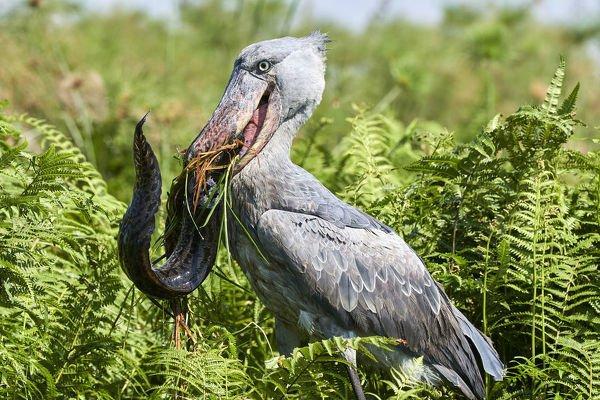
The adventure begins in Uganda, where you visit Mabamba Wetland in search of the elusive shoebill stork. You then travel north to Ziwa Rhino Sanctuary, where guided rhino tracking introduces you to Uganda’s rhino conservation story. The Uganda experience concludes at Murchison Falls National Park, where elephants, giraffes, buffaloes, lions, hippos, crocodiles and numerous bird species inhabit the spectacular Nile landscape.
The journey continues to Kenya, beginning with Ol Pejeta Conservancy in Laikipia. This important conservation landscape is known for its rhino protection programmes, rescued chimpanzee sanctuary and wider wildlife conservation work. From there, travel to the Maasai Mara, one of Africa’s most recognised wildlife destinations, for several days of photography-focused game drives.
The final part of the expedition takes you to Tanzania’s Serengeti National Park. This vast ecosystem is home to the Great Migration, large populations of predators and some of the continent’s most iconic wildlife. The safari provides time for sunrise, daytime and afternoon photography, with experienced guides helping you understand animal behaviour, light and habitat.
The emphasis throughout the journey is on responsible wildlife photography. Rather than chasing sightings or disturbing animals for photographs, Kuku Safaris focuses on patient observation, respectful distances, good guiding and conservation awareness.
Tour duration: 18 days / 17 nights
Countries visited: Uganda, Kenya and Tanzania
Starting point: Entebbe, Uganda
Ending point: Kilimanjaro International Airport, Tanzania
Main destinations: Mabamba Wetland, Ziwa Rhino Sanctuary, Murchison Falls National Park, Ol Pejeta Conservancy, Maasai Mara and Serengeti National Park
Travel style: Private guided conservation and wildlife photography safari
Recommended accommodation: Mid-range to luxury safari lodges and tented camps
Activity level: Moderate, with early starts and extended game drives
Main experiences: Shoebill photography, rhino tracking, Nile wildlife photography, chimpanzee conservation visit, big-cat photography, Great Migration viewing and conservation education.
Your Grand East Africa Conservation and Wildlife Photography Safari begins when you arrive at Entebbe International Airport.
A Kuku Safaris representative will welcome you and transfer you to your hotel.
After check-in, enjoy time to relax and prepare your photography equipment. Your guide will introduce you to the itinerary, explain the wildlife destinations and discuss the photography experiences planned during the journey.
Depending on your arrival time, you may enjoy a short walk around Entebbe or views of Lake Victoria.
The first day is kept relaxed to allow you to recover from your international journey.
Main activities: Airport pickup, hotel check-in, tour briefing and equipment preparation.
Accommodation: Entebbe.
Meals: Depending on arrival time and hotel arrangement.
Today begins with an early departure to Mabamba Wetland, one of Uganda’s most important birdwatching destinations.
Located on the northern shores of Lake Victoria, Mabamba is a Ramsar-recognised wetland known for its papyrus habitat and remarkable bird diversity.
Meet your local birding guide and board a traditional canoe or approved small boat for a guided search through the wetland channels.
The main photographic target is the shoebill stork, a distinctive and globally threatened bird that attracts photographers and birdwatchers from across the world.
Your guide will help identify suitable viewing opportunities while respecting the bird’s feeding areas and natural behaviour.
Other bird species may include papyrus gonolek, African jacana, malachite kingfisher, African fish eagle, herons and several wetland specialists.
After the excursion, return to Entebbe for lunch and time to review your photographs.
In the afternoon, enjoy a relaxed session preparing batteries, memory cards and camera equipment for the journey north.
Main activities: Shoebill search, guided wetland boat excursion, bird photography and conservation learning.
Accommodation: Entebbe.
Meals: Breakfast, lunch and dinner according to the selected package.
Photography note: Shoebill sightings are not guaranteed. A quiet approach and sufficient distance help protect the birds and provide more natural photographic opportunities.
After an early breakfast, depart Entebbe and travel north towards Murchison Falls National Park.
Along the way, stop at Ziwa Rhino Sanctuary for a guided rhino tracking experience.
The sanctuary is a central part of Uganda’s rhino recovery programme. Visitors are introduced to the conservation work involved in protecting southern white rhinos and supporting the long-term restoration of the species in Uganda.
After a safety briefing, follow the authorised ranger into the sanctuary to observe the rhinos in their protected habitat.
This is an unusual photographic experience because visitors approach the animals on foot rather than remaining inside a safari vehicle. Photography must follow the ranger’s instructions and maintain a safe distance.
After the rhino experience, continue northwards towards Murchison Falls National Park.
Arrive at your lodge and enjoy the remainder of the day relaxing and preparing for the following day’s game drive.
Main activities: Ziwa rhino tracking, conservation interpretation and scenic road transfer.
Accommodation: Murchison Falls National Park area.
Meals: Breakfast, lunch and dinner according to the selected package.
Today is dedicated to exploring the wildlife-rich savannah of Murchison Falls National Park.
Begin with an early morning game drive, when cooler temperatures and favourable light create excellent photographic conditions.
The northern sector of the park offers opportunities to look for elephants, giraffes, buffaloes, Uganda kob, hartebeest and other plains wildlife.
Predators such as lions and leopards may also be encountered, although sightings depend on animal movements and luck.
Your guide will assist with positioning the vehicle for appropriate photographic angles while following park rules and respecting other visitors.
Return to your lodge during the middle of the day for lunch and rest.
In the afternoon, enjoy another game drive or a shorter photographic excursion in an area recommended by your guide.
The emphasis is on patience, animal behaviour and natural interactions rather than rushing from one sighting to another.
Main activities: Morning and afternoon game drives, mammal photography, landscape photography and birdwatching.
Accommodation: Murchison Falls National Park area.
Meals: Breakfast, lunch and dinner according to the selected package.
After breakfast, travel to the Paraa landing area for a guided boat excursion along the Victoria Nile towards the base of Murchison Falls.
The boat journey provides a different photographic perspective of the park’s wildlife.
Look out for hippos resting in the water, Nile crocodiles along the riverbanks, elephants approaching the water and a variety of birds.
The journey gradually approaches the dramatic point where the Nile forces its way through a narrow rocky gorge to form Murchison Falls.
The falls offer spectacular opportunities for landscape and nature photography.
After the cruise, you may take a guided visit to the designated viewpoint at the top of the falls, subject to current access and trail conditions.
Return to your lodge in the afternoon.
Main activities: Nile boat cruise, hippo and crocodile photography, waterbird photography and Murchison Falls viewpoints.
Accommodation: Murchison Falls National Park area.
Meals: Breakfast, lunch and dinner according to the selected package.
After breakfast, check out and begin the journey back towards Entebbe.
Enjoy the changing landscapes as you leave the savannah and travel through Uganda’s countryside.
There will be opportunities for refreshments and lunch along the way.
Arrive in Entebbe later in the day and check in at your hotel.
The evening is reserved for relaxation and preparation for your flight to Kenya the following morning.
Main activities: Scenic road transfer and photography equipment preparation.
Accommodation: Entebbe.
Meals: Breakfast, lunch and dinner according to the selected package.
After breakfast, transfer to Entebbe International Airport for your scheduled flight to Nairobi.
On arrival at Jomo Kenyatta International Airport, meet your Kenyan guide and begin the road journey towards Nanyuki and Ol Pejeta Conservancy.
Ol Pejeta is one of Kenya’s leading private conservation landscapes, combining wildlife protection, habitat management, community initiatives and conservation education.
The drive takes you through Kenya’s central highlands, with views of agricultural settlements and the surrounding countryside.
On arrival at the conservancy, check in at your accommodation.
Depending on arrival time, enjoy a short afternoon game drive or relax at the lodge.
Main activities: Regional flight, scenic road transfer and optional afternoon wildlife viewing.
Accommodation: Ol Pejeta Conservancy.
Meals: Breakfast, lunch and dinner according to the selected package.
Today is dedicated to exploring Ol Pejeta’s conservation work and wildlife.
Begin with an early morning game drive across the conservancy.
Ol Pejeta provides important habitat for black and white rhinos, elephants, lions, leopards, cheetahs, buffaloes, giraffes, zebras and several other species.
One of the main highlights is learning about the conservancy’s northern white rhino protection programme. Access to the animals is tightly managed, and any special viewing experience must be arranged through the conservancy.
Later, visit the Sweetwaters Chimpanzee Sanctuary, where rescued and orphaned chimpanzees receive long-term care.
The sanctuary visit provides an opportunity to learn about the challenges facing rescued chimpanzees and the work involved in their rehabilitation and welfare.
Photographs taken at the sanctuary should be clearly understood as images of rescued chimpanzees in a managed conservation facility, rather than wild chimpanzees in their natural habitat.
After lunch, enjoy another guided game drive or a birdwatching excursion in selected areas.
Return to your accommodation for dinner.
Main activities: Wildlife photography, rhino conservation experience, Sweetwaters Chimpanzee Sanctuary and conservation education.
Accommodation: Ol Pejeta Conservancy.
Meals: Breakfast, lunch and dinner according to the selected package.
Enjoy breakfast before leaving Ol Pejeta and travelling back towards Nairobi.
The drive passes through Nanyuki and Kenya’s central highlands, offering opportunities for countryside photography and short refreshment stops.
Arrive in Nairobi and check in at your hotel.
The afternoon is reserved for relaxation and preparation for the Maasai Mara section of the journey.
Photographers can use this time to organise lenses, charge batteries, back up images and prepare equipment for several consecutive game drives.
Main activities: Scenic road transfer, photography equipment preparation and relaxation.
Accommodation: Nairobi.
Meals: Breakfast, lunch and dinner according to the selected package.
After breakfast, transfer to Wilson Airport for your scheduled flight to the Maasai Mara.
The flight offers an aerial introduction to Kenya’s varied landscapes before landing at an airstrip serving the reserve or selected conservancy.
Meet your local safari guide and transfer to your accommodation.
Depending on your arrival time, enjoy lunch and a short rest before heading out for an afternoon game drive.
The Maasai Mara is famous for its large populations of lions, elephants, cheetahs, leopards, buffaloes, giraffes, zebras and wildebeest.
Your guide will help identify opportunities for photography while respecting the reserve or conservancy’s vehicle and wildlife-viewing regulations.
Return to your camp in the evening.
Main activities: Scheduled safari flight, afternoon game drive and wildlife photography.
Accommodation: Maasai Mara.
Meals: Breakfast, lunch and dinner according to the selected package.
Wake up early for your first full day of photography in the Maasai Mara.
Morning light provides favourable conditions for photographing predators and other wildlife across the open grasslands.
Spend the morning searching for lions, cheetahs, leopards and other wildlife with your experienced guide.
Rather than rushing between sightings, allow time to observe animal behaviour and wait for suitable photographic opportunities.
Return to camp for lunch and a short rest.
In the afternoon, head out again to explore selected areas of the reserve or conservancy.
Your guide may recommend areas where recent wildlife activity has been reported, but exact sightings cannot be guaranteed.
Main activities: Morning and afternoon game drives, big-cat photography, landscape photography and wildlife observation.
Accommodation: Maasai Mara.
Meals: Breakfast, lunch and dinner according to the selected package.
Enjoy another full day in the Maasai Mara.
Depending on the travel season, the day’s focus may be on resident wildlife, migratory herds, birds or the dramatic predator-prey interactions that make the Mara famous.
During the Great Migration season, large herds of wildebeest and zebra may move through the Mara ecosystem from the Serengeti.
Where conditions allow, travellers may have opportunities to photograph large herds, grazing animals and predators.
River crossings are unpredictable natural events. They should never be promised as a guaranteed activity or encouraged through vehicle pressure or disturbance.
Outside the main migration period, the Maasai Mara remains an important wildlife destination with year-round resident species and excellent opportunities for photography.
Return to camp in the evening for dinner and relaxation.
Main activities: Full-day wildlife viewing, migration photography where seasonal, birdwatching and landscape photography.
Accommodation: Maasai Mara.
Meals: Breakfast, lunch and dinner according to the selected package.
After breakfast, enjoy a final short morning activity if your flight schedule permits.
Transfer to the airstrip for your scheduled flight back to Nairobi.
On arrival at Wilson Airport, meet your representative and transfer to your hotel.
The remainder of the day is free for relaxation and image organisation.
This overnight stay in Nairobi provides a practical break between the Kenya safari and the Tanzania section of the expedition.
Main activities: Optional short morning game drive, scheduled flight and hotel transfer.
Accommodation: Nairobi.
Meals: Breakfast, lunch and dinner according to the selected package.
After breakfast, transfer to Jomo Kenyatta International Airport for your scheduled flight to Kilimanjaro International Airport in Tanzania.
On arrival, meet your Tanzanian guide and transfer to Arusha.
Arusha is an important gateway for Tanzania’s northern safari circuit and provides access to Serengeti National Park, Ngorongoro Conservation Area, Tarangire and other wildlife destinations.
Check in at your hotel and enjoy the remainder of the day at leisure.
Your guide will brief you on the Serengeti section, including the expected driving arrangements, park rules and photography opportunities.
Main activities: Flight to Kilimanjaro, airport pickup and transfer to Arusha.
Accommodation: Arusha.
Meals: Breakfast, lunch and dinner according to the selected package.
After breakfast, transfer to the designated airstrip for your scheduled light-aircraft flight to Serengeti National Park.
The flight provides an aerial introduction to Tanzania’s landscapes and reduces the long road transfer from Arusha.
On arrival at the designated Serengeti airstrip, meet your safari guide and begin your first wildlife drive.
The Serengeti is renowned for its vast open plains, large herbivore populations, predators and rich birdlife.
Depending on the selected camp location and time of arrival, enjoy an afternoon game drive before returning to camp for dinner.
Main activities: Scheduled bush flight, afternoon game drive and wildlife photography.
Accommodation: Serengeti National Park area.
Meals: Breakfast, lunch and dinner according to the selected package.
Today is dedicated to exploring Serengeti National Park.
Begin with an early morning game drive to make the most of the soft light and cooler temperatures.
The Serengeti offers opportunities to photograph lions, leopards, cheetahs, elephants, buffaloes, giraffes, hyenas, antelope species and a wide variety of birds.
The particular species and photographic opportunities depend on the location of the camp, season and animal movements.
After the morning drive, return to camp for breakfast or lunch, depending on the schedule.
Spend the afternoon exploring another section of the park with your guide.
Photographers can focus on different themes, including predator behaviour, herd movement, birds in flight, landscapes, wildlife portraits and environmental compositions.
Return to camp in the evening.
Main activities: Morning and afternoon game drives, big-cat photography, herd photography and birdwatching.
Accommodation: Serengeti National Park area.
Meals: Breakfast, lunch and dinner according to the selected package.
Enjoy another full day in the Serengeti ecosystem.
The route for today will be selected according to the season, recent wildlife information and the location of the previous day’s sightings.
During the migration season, the guide may focus on the areas where large herds are likely to be moving. Outside the main migration periods, attention can turn to resident wildlife, birdlife and the Serengeti’s distinctive landscapes.
The day is also an opportunity to build a more complete photographic collection.
Rather than concentrating only on large predators, consider photographing smaller animals, birds, insects, grasses, acacia trees and the wider environment that sustains the ecosystem.
Your guide can also explain some of the conservation challenges affecting the Serengeti, including habitat pressure, human-wildlife coexistence and the importance of maintaining wildlife corridors.
Enjoy a final dinner at camp.
Main activities: Full-day game drives, conservation interpretation, landscape photography and wildlife observation.
Accommodation: Serengeti National Park area.
Meals: Breakfast, lunch and dinner according to the selected package.
After an early breakfast, transfer to the designated airstrip for your scheduled flight back to Arusha or Kilimanjaro, depending on the airline’s operating schedule.
On arrival, meet your transfer representative and continue to Kilimanjaro International Airport for your onward international departure.
The flight and airport transfer must be coordinated carefully. Travellers should book a sufficiently late international departure to allow for the domestic flight, possible delays and the onward road transfer.
Where the available flight schedule does not provide a safe connection, an additional overnight stay in Arusha should be arranged, extending the programme by one day.
This marks the end of your 18-day Grand East Africa Conservation and Wildlife Photography Safari with Kuku Safaris.
Main activities: Final flight from Serengeti, transfer to Kilimanjaro International Airport and departure.
Accommodation: Not included unless an additional night is required.
Meals: Breakfast.
This safari can be arranged throughout the year, but the best travel dates depend on the wildlife subjects and photographic experiences you want to prioritise.
June to October is a popular period for the dry-season wildlife experience in the Serengeti and Maasai Mara. Large herds move through the wider ecosystem, and some years offer opportunities to witness river crossings. These events are unpredictable and cannot be guaranteed.
January to February is particularly attractive for southern Serengeti calving-season photography, when large numbers of wildebeest give birth and predators are active around the herds.
March to May can offer lush landscapes and dramatic skies, but heavier rains may affect some roads, airstrips and game-viewing schedules.
In Uganda, Mabamba and Murchison Falls can be visited in different seasons, although water levels and vegetation can influence bird and wildlife sightings.
For photography, the best time is also influenced by light. Early mornings and late afternoons generally provide more favourable conditions than the harsh midday sun.
Kuku Safaris can adjust the Serengeti camp location and sequence of activities to suit the season and the wildlife photography objectives.
Accommodation should be chosen with photography logistics and conservation priorities in mind.
Recommended categories include:
For photographers, accommodation near the intended viewing areas can reduce unnecessary transfers and create more opportunities for early departures and afternoon returns.
Specific properties should be selected after checking current operating status, location, safety, guest reviews and availability.
A good wildlife photography safari benefits from practical equipment rather than carrying every camera accessory available.
Recommended equipment includes:
A private photographic 4×4 with a suitable roof opening, comfortable seating, charging access and camera support arrangements should be requested during booking.
Responsible photography is a central part of this expedition.
Guests are encouraged to observe animals without changing their natural behaviour or placing pressure on guides and drivers to obtain a particular photograph.
Important principles include:
The objective is to create meaningful photographs while supporting the long-term protection of wildlife and habitats.
This itinerary is suitable for travellers with a reasonable level of fitness who are comfortable with early mornings, game drives and some longer road transfers.
The Ziwa rhino experience involves walking in the sanctuary with an authorised ranger. Travellers should follow the briefing and be comfortable walking over natural terrain.
Most other photography experiences take place from a safari vehicle or boat. The Mabamba excursion involves boarding a small boat, while the Murchison Falls viewpoint may involve a short walk depending on the selected route.
The safari is ideal for amateur and experienced wildlife photographers, conservation enthusiasts, birdwatchers, couples and small groups.
A private vehicle is recommended for serious photography because it provides flexibility over stops, positioning and the pace of the outing, within the rules of each protected area.
The final package quotation can include:
The itinerary combines wildlife photography with visits to recognised conservation initiatives, including Uganda’s rhino recovery programme, Ol Pejeta’s rhino protection and chimpanzee sanctuary, and the protected wildlife ecosystems of the Maasai Mara and Serengeti.
Mabamba Wetland is one of the best-known places in Uganda to search for the shoebill. Sightings are possible but never guaranteed. Early departures and quiet boat approaches improve the quality of the experience.
Yes, subject to current sanctuary arrangements and ranger guidance. Visitors take part in a guided tracking experience and must maintain the required safe distance.
Ol Pejeta manages a highly protected northern white rhino programme. Any visitor access is controlled and must be arranged through the conservancy. It should never be advertised as unrestricted access or an opportunity to approach the animals independently.
A visit to the Sweetwaters Chimpanzee Sanctuary is included as a conservation education experience. Photography is subject to sanctuary rules and staff instructions. These are rescued chimpanzees in a managed sanctuary, not wild chimpanzees.
The migration moves through the Serengeti–Maasai Mara ecosystem throughout the year. The location of the herds changes with rainfall, grazing and seasonal movement. River crossings are unpredictable and cannot be guaranteed.
Yes. The safari can suit both beginner and experienced photographers. Guides can help with suitable vehicle positioning, patience at sightings and selecting appropriate photographic opportunities.
Yes. Kuku Safaris recommends a private 4×4 for this type of expedition. Specific requirements such as roof openings, camera support, charging points and seating arrangements should be confirmed before booking.
Drones are restricted and generally prohibited in Tanzania’s national parks unless the required permits are obtained. Other parks and conservancies also have their own rules. Do not bring a drone expecting to use it without written approval.
Yes. Kuku Safaris can adjust the length of stay, accommodation standard, photography vehicle, camp location and seasonal route to suit your priorities.
Entry requirements depend on nationality. The East African Tourist Visa covers Uganda, Kenya and Rwanda, but not Tanzania. Travellers who require a Tanzania visa must comply with the country’s separate immigration requirements.
Discover the extraordinary wildlife and conservation landscapes of East Africa on this 18-day photographic expedition through Uganda, Kenya and Tanzania.
From the rare shoebill of Mabamba and the rhinos of Ziwa to the conservation landscape of Ol Pejeta, the predators of the Maasai Mara and the vast plains of the Serengeti, this itinerary offers exceptional opportunities to appreciate and photograph the region’s natural heritage.
Kuku Safaris can coordinate accommodation, flights, private photographic vehicles, conservation visits, park access and expert local guiding to create a safari that matches your photographic interests.
Contact Kuku Safaris to request a customised quotation for your Grand East Africa Conservation and Wildlife Photography Safari.
Discover more conservation and wildlife experiences with Kuku Safaris:
Don't just get there, get there in style.
Information
Follow Us
Payment channels