
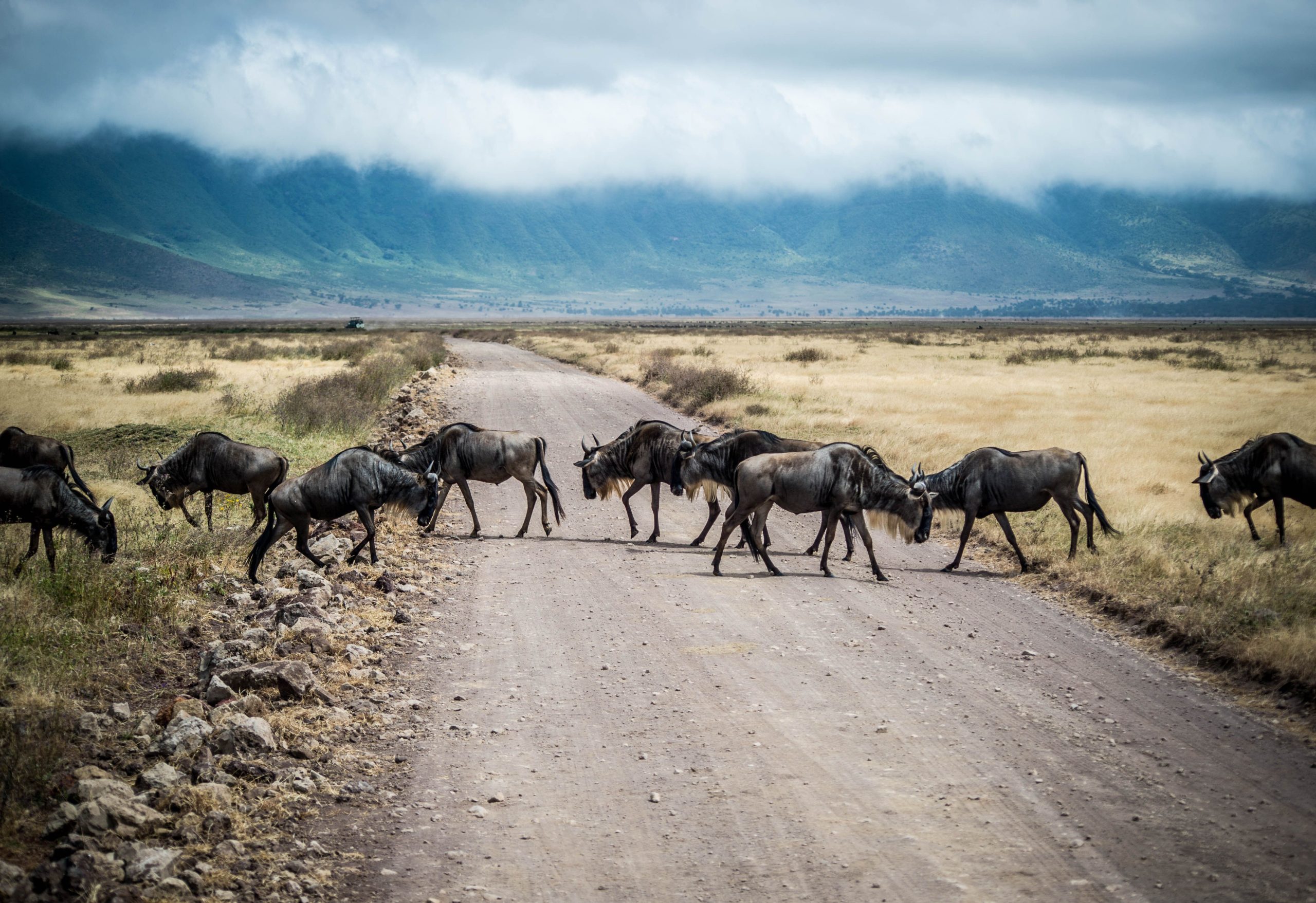
Kenya Lake Turkana & Northern Frontier Cultural Expedition – 14 Days
Introduction: Explore Kenya’s Remote Northern Frontier
Discover one of Kenya’s most extraordinary travel regions on this 14-day Lake Turkana and Northern Frontier Cultural Expedition with Kuku Safaris.
Far from the familiar savannah landscapes of the Maasai Mara and Amboseli, northern Kenya offers a completely different adventure. Here, vast desert plains meet volcanic hills, traditional pastoral communities maintain long-standing cultural traditions, and the turquoise waters of Lake Turkana create a striking contrast against the surrounding arid landscape.
The journey begins in Nairobi before travelling north through Nanyuki and Isiolo towards Marsabit. Here, visitors discover a surprising highland environment, with dense montane forest, volcanic craters, wildlife and the beautiful Lake Paradise.
The expedition then enters the spectacular Chalbi Desert, Kenya’s only true desert, where vast salt flats, sand dunes and rocky landscapes create an unforgettable environment.
Continuing towards Lake Turkana, you arrive at Loiyangalani, a small lakeside settlement associated with several Indigenous communities, including the El Molo, Turkana, Rendille, Samburu and Gabra.
The region offers a fascinating introduction to traditional fishing, pastoral livelihoods, desert adaptation, local crafts and the cultural heritage of northern Kenya.
The journey also includes a visit to the Loiyangalani Desert Museum, which preserves and presents the cultural heritage of communities around the lake.
Unlike a conventional wildlife safari, this expedition is primarily about discovery, geography, cultural heritage and remote landscapes. It is designed for adventurous travellers, photographers, cultural enthusiasts and visitors interested in exploring a lesser-known part of East Africa.
Tour Highlights
- Explore the remote landscapes of northern Kenya.
- Discover Marsabit National Park and its volcanic crater lakes.
- Visit the beautiful Lake Paradise.
- Explore the Chalbi Desert and its vast salt plains.
- Discover North Horr and the surrounding desert landscape.
- Visit Loiyangalani on the southeastern shore of Lake Turkana.
- Explore the Loiyangalani Desert Museum.
- Learn about the cultures of the Turkana, El Molo, Rendille, Samburu and other communities.
- Enjoy community-hosted cultural experiences where available.
- Discover the traditional fishing and pastoral livelihoods of the region.
- Enjoy photography opportunities along the shores of Lake Turkana.
- Experience an overland adventure through one of Kenya’s most distinctive geographical regions.
Detailed 14-Day Kenya Itinerary
Day 1: Arrival in Nairobi – Welcome to Kenya
Upon arrival at Jomo Kenyatta International Airport, you will be welcomed by a representative from Kuku Safaris and transferred to your hotel in Nairobi.
Depending on your arrival time, spend the afternoon relaxing or exploring selected attractions around the city.
In the evening, meet your safari guide for a briefing about the northern Kenya expedition.
Your guide will explain the planned route, vehicle arrangements, accommodation, remote-area travel procedures and community experiences.
Because the journey involves several long road transfers, it is important to prepare for early departures and changing road conditions.
Accommodation: Nairobi
Meal plan: Dinner, depending on arrival time
Day 2: Nairobi to Nanyuki – Journey Towards Northern Kenya
After breakfast, depart Nairobi and travel north towards Nanyuki.
The journey takes you through central Kenya, passing agricultural landscapes, rural settlements and the foothills of Mount Kenya.
Depending on your interests and arrival time, you may stop around the Equator crossing for photographs and a brief introduction to this geographical landmark.
Continue to Nanyuki, a scenic town that serves as an important gateway to the northern safari regions.
On arrival, check in at your accommodation and enjoy lunch.
The afternoon is reserved for relaxation and preparation for the longer journey towards Marsabit.
Your guide will also check the condition of the road ahead and confirm the remaining vehicle and logistics arrangements.
Accommodation: Nanyuki
Meal plan: Breakfast, lunch and dinner
Day 3: Nanyuki to Marsabit – Enter Kenya’s Northern Frontier
After an early breakfast, begin the journey towards Marsabit.
Travel north through Isiolo and continue along the A2 highway towards Marsabit County.
The scenery changes gradually as you move away from central Kenya’s agricultural landscapes and into increasingly dry and open terrain.
Marsabit is an important settlement in northern Kenya and a gateway to the Chalbi Desert and Lake Turkana region.
Although the journey is long, it offers an interesting introduction to the changing geography of northern Kenya.
On arrival, check in at your accommodation and enjoy some time to relax.
Depending on arrival time and local security conditions, your guide may arrange a short town orientation or an introductory visit to selected local attractions.
The evening is reserved for dinner and preparation for the following day’s exploration of Marsabit National Park.
Accommodation: Marsabit
Meal plan: Breakfast, lunch and dinner
Day 4: Marsabit National Park – Explore Lake Paradise and the Forest Highlands
Today is dedicated to exploring the surprising natural environment of Marsabit National Park.
After breakfast, travel to the park entrance and meet your local guide or park ranger.
Marsabit National Park is unusual because it protects a forested mountain environment within the dry landscapes of northern Kenya.
The park contains ancient volcanic craters, dense montane forest and several natural lakes.
One of its most attractive features is Lake Paradise, a beautiful crater lake surrounded by forested slopes.
During your visit, you may enjoy:
- A guided excursion to Lake Paradise.
- Scenic viewpoints overlooking the volcanic landscape.
- Nature walks on designated trails.
- Birdwatching around the crater lakes.
- Opportunities to look for forest wildlife.
- Photography of the mist-covered highlands and surrounding vegetation.
The park also supports wildlife such as elephants, greater kudu, Grevy’s zebra, reticulated giraffe and other species.
Marsabit is particularly associated with large-tusked elephants and the conservation legacy of the famous elephant Ahmed.
Wildlife sightings depend on the season, animal movements and available guiding arrangements.
Return to Marsabit town in the afternoon and enjoy a relaxed evening.
Accommodation: Marsabit
Meal plan: Breakfast, lunch and dinner
Day 5: Marsabit to North Horr – Cross the Chalbi Desert
After an early breakfast, depart Marsabit and travel towards North Horr through the spectacular Chalbi Desert region.
Today is one of the most memorable sections of the expedition.
The Chalbi Desert is Kenya’s most prominent desert landscape, characterised by salt flats, dry plains, volcanic hills and occasional sand dunes.
As you leave the Marsabit highlands, the landscape becomes increasingly open and arid.
Your guide will select a suitable route across the desert according to current surface conditions, weather and local advice.
During the journey, enjoy opportunities to stop at scenic locations for photography and learn about the area’s geology and the ways local communities adapt to the dry environment.
The crossing may include:
- Views of the Chalbi salt flats.
- Exploration of selected desert landscapes.
- Photographic stops among the dunes and volcanic formations.
- Opportunities to observe desert-adapted vegetation and wildlife.
- An introduction to the traditional livelihoods of surrounding communities.
The desert crossing is highly dependent on weather and track conditions. After rain, sections of the salt pan may become soft or impassable.
Arrive in the North Horr area and check in at your pre-arranged accommodation.
Accommodation in this remote region may be simpler than in Kenya’s established safari destinations, so the final choice should be confirmed before departure.
Accommodation: North Horr area
Meal plan: Breakfast, lunch and dinner
Day 6: North Horr to Loiyangalani – Journey to the Shores of Lake Turkana
After breakfast, continue towards Loiyangalani, situated on the southeastern shore of Lake Turkana.
The drive takes you through remote northern landscapes, with striking views of volcanic terrain, desert plains and scattered settlements.
As you approach the lake, the turquoise-green waters of Turkana create a dramatic contrast with the surrounding dry landscape.
Lake Turkana is often called the Jade Sea because of its distinctive colour.
On arrival in Loiyangalani, check in at your selected accommodation and enjoy lunch.
Spend the afternoon relaxing and appreciating the environment around the lake.
Depending on local arrangements, you may enjoy a short guided walk around the settlement or a sunset viewpoint experience.
In the evening, enjoy dinner and prepare for the cultural and environmental activities planned for the following days.
Accommodation: Loiyangalani
Meal plan: Breakfast, lunch and dinner
Day 7: Loiyangalani Desert Museum – Discover the Cultural Heritage of Northern Kenya
Today is dedicated to exploring the cultural history of the communities surrounding Lake Turkana.
After breakfast, visit the Loiyangalani Desert Museum, an important cultural attraction established to preserve and present the heritage of northern Kenya.
Located on elevated ground overlooking the lake, the museum offers an opportunity to learn about the traditions, tools, clothing, livelihoods and environmental knowledge of the communities living around Turkana.
The exhibitions cover several Indigenous communities, including:
- Turkana.
- El Molo.
- Rendille.
- Samburu.
- Gabra.
- Watta.
- Borana.
- Dassanach.
Explore the displays and learn how different communities have adapted to the challenges of the desert and lake environment.
The museum also presents information about traditional fishing, livestock keeping, crafts, desert survival and the history of the Lake Turkana Cultural Festival.
After the museum visit, enjoy the surrounding views of the lake and the dramatic landscape.
Later, return to your accommodation for lunch and an afternoon at leisure.
For current visitor arrangements, see the National Museums of Kenya – Loiyangalani Desert Museum.
Accommodation: Loiyangalani
Meal plan: Breakfast, lunch and dinner
Day 8: Community Cultural Experience – Discover Local Traditions and Livelihoods
Today provides an opportunity to learn directly from the communities who call the Lake Turkana region home.
After breakfast, meet your locally arranged cultural host and guide for a community-led experience.
The programme will depend on which community hosts are available and the arrangements agreed before your visit.
Possible experiences may include:
El Molo heritage and fishing traditions
Learn about the history and traditional fishing livelihoods of the El Molo community, which has a long-standing connection with Lake Turkana.
Turkana pastoral culture
Discover aspects of Turkana pastoral life, including livestock keeping, traditional homes, beadwork and the importance of camels, goats and cattle in the regional economy.
Rendille and Gabra cultural traditions
Where suitable community hosts are available, learn about traditional pastoral livelihoods, crafts, dress and the cultural relationships between communities in the desert region.
Traditional crafts and storytelling
Meet local artisans and learn about beadwork, traditional tools and other crafts associated with the area.
The experience should be arranged through recognised local hosts and conducted respectfully. Visitors should ask permission before photographing people, homes or cultural activities, and any community participation or performance should be agreed and compensated in advance.
After the cultural experience, return to your accommodation for lunch and relaxation.
In the afternoon, enjoy a scenic excursion around the town and its surroundings, subject to local guidance.
Accommodation: Loiyangalani
Meal plan: Breakfast, lunch and dinner
Day 9: Lake Turkana – Shoreline Exploration and Optional Boat Excursion
Today is dedicated to discovering the natural beauty of Lake Turkana.
After breakfast, enjoy a guided excursion along selected sections of the lakeshore.
The lake is famous for its striking turquoise waters, volcanic surroundings and unique ecological environment.
The shoreline provides excellent opportunities for landscape photography, especially during the early morning and late afternoon when the changing light creates beautiful colours across the lake.
Depending on weather conditions and the availability of an approved local boat operator, an optional boat excursion may be arranged.
The excursion can provide a closer look at the lake’s environment and traditional fishing activities.
However, Lake Turkana is a large and exposed lake where wind conditions can change quickly. Boat trips must be approved by the local operator and follow current safety advice. Life jackets and appropriate safety equipment are essential.
Visitors should not swim in the lake. Lake Turkana supports Nile crocodiles and hippos in parts of its ecosystem.
If boat conditions are unsuitable, the activity will be replaced with a guided shoreline excursion or additional cultural and landscape exploration.
Return to your accommodation in the afternoon.
Accommodation: Loiyangalani
Meal plan: Breakfast, lunch and dinner
Day 10: Loiyangalani to South Horr – Explore More of the Northern Landscape
After breakfast, leave Loiyangalani and begin the journey towards South Horr.
This is another remote section of the expedition, so the route and timing will be determined by local road and security conditions.
As you travel through the northern landscape, enjoy views of volcanic hills, rocky valleys and scattered pastoral settlements.
South Horr provides a useful overnight stop during the return journey towards Marsabit.
Depending on arrangements, the guide may organise a short local orientation or scenic stop along the way.
On arrival, check in at your pre-arranged accommodation and enjoy dinner.
Accommodation: South Horr area
Meal plan: Breakfast, lunch and dinner
Day 11: South Horr to Marsabit – Return to the Marsabit Highlands
After breakfast, continue the return journey towards Marsabit.
The scenery gradually changes as you approach the forested highlands and more established settlements around Marsabit town.
On arrival, check in at your accommodation and enjoy lunch.
The afternoon is reserved for rest following the remote-area journey.
Depending on road conditions and available time, your guide may arrange a short excursion around town or an additional visit to a selected viewpoint.
Enjoy dinner and prepare for the journey south.
Accommodation: Marsabit
Meal plan: Breakfast, lunch and dinner
Day 12: Marsabit to Nanyuki – Return Through Isiolo
After an early breakfast, depart Marsabit and begin the journey south towards Nanyuki.
Travel along the A2 highway through the changing landscapes of northern and central Kenya.
The day involves a substantial road transfer, so make suitable stops for refreshments, lunch and rest.
On arrival in Nanyuki, check in at your hotel and enjoy the evening at leisure.
This overnight stop breaks the long journey back to Nairobi and provides a more comfortable return.
Accommodation: Nanyuki
Meal plan: Breakfast, lunch and dinner
Day 13: Nanyuki to Nairobi – Return to the Capital
After breakfast, depart Nanyuki and travel towards Nairobi.
The journey takes you through central Kenya’s highland countryside, with opportunities to enjoy the changing scenery.
On arrival in Nairobi, transfer to your hotel and spend the afternoon relaxing or exploring selected attractions.
In the evening, enjoy a farewell dinner and reflect on your journey through northern Kenya.
Accommodation: Nairobi
Meal plan: Breakfast, lunch and dinner
Day 14: Departure from Nairobi – End of the Expedition
After breakfast, depending on your international flight schedule, you will be transferred to Jomo Kenyatta International Airport for your onward journey.
This marks the end of your Kenya Lake Turkana and Northern Frontier Cultural Expedition with Kuku Safaris.
You will leave with memorable experiences of the Chalbi Desert, Marsabit’s forested highlands, the turquoise waters of Lake Turkana and the cultural heritage of northern Kenya.
Meal plan: Breakfast
Best Time to Visit Lake Turkana and the Chalbi Desert
The northern region can be explored throughout the year, but weather and road conditions should be considered carefully.
The drier periods are generally preferred for overland exploration because desert tracks and unpaved roads may become difficult after heavy rainfall.
The commonly preferred periods are:
- June to September.
- December to February.
The Chalbi Desert crossing requires particular attention. Even limited rainfall can change the surface conditions of parts of the salt pan, making some routes unsuitable for vehicles.
The Lake Turkana region is hot and dry for much of the year. Visitors should be prepared for high daytime temperatures, strong sunlight and occasional wind along the lakeshore.
The annual Lake Turkana Cultural Festival is another possible attraction. Travellers interested in attending should plan according to the official festival announcement, as dates and programme arrangements can vary.
Recommended Accommodation for This Expedition
Accommodation in northern Kenya is more limited than in established safari destinations. Kuku Safaris should confirm each property directly and advise travellers that facilities may be simpler in remote settlements.
Nairobi
- Tamarind Tree Hotel.
- Four Points by Sheraton Nairobi Airport.
- Ole Sereni Hotel.
Nanyuki
- Nanyuki Sports Club accommodation.
- Comfort Gardens Sweetwaters.
- Other suitable locally operated hotels.
Marsabit
- Marsabit town guesthouses and hotels.
- Kenya Wildlife Service accommodation, subject to availability.
- Other pre-arranged local accommodation.
North Horr
- Community-operated guesthouses or basic camps, subject to confirmation.
Loiyangalani
- Local lodges, guesthouses and campsites, subject to availability and current operating conditions.
South Horr
- Locally operated guesthouses or camps, subject to advance confirmation.
The final package should specify the facilities available in each remote stop, including electricity, hot water, meals, communications and bathroom arrangements.
What to Pack for the Northern Kenya Expedition
Because this journey combines desert travel, warm weather and remote accommodation, careful packing is essential.
We recommend:
- Lightweight, breathable long-sleeved clothing.
- A wide-brimmed sun hat.
- Sunglasses and high-protection sunscreen.
- Comfortable walking shoes or hiking boots.
- Sandals for use around accommodation.
- A light jacket for cooler evenings.
- Insect repellent.
- A reusable water bottle.
- Personal medication and a first-aid kit.
- Camera and spare batteries.
- Binoculars.
- A power bank and charging equipment.
- A headlamp or flashlight.
- Wet wipes and personal hygiene supplies.
- A daypack for excursions.
- A soft overnight bag and secure luggage storage.
- Extra drinking water for long desert transfers.
Travellers should also carry personal identification, travel documents and sufficient cash for remote areas where electronic payment facilities may be limited.
Is This Expedition Suitable for Everyone?
This is a specialist adventure itinerary designed for travellers who are comfortable with remote travel and changing conditions.
It is not recommended for visitors who prefer luxury accommodation at every stop, short daily transfers or a conventional vehicle-based wildlife safari.
The journey involves:
- Long road transfers.
- Rough and unpaved desert roads.
- Hot and dry conditions.
- Limited accommodation choices.
- Basic services in some remote settlements.
- Possible changes to routes due to weather or security conditions.
The itinerary is particularly suitable for adventurous travellers, photographers, cultural enthusiasts, researchers and people interested in northern Kenya’s geography and heritage.
Families with young children should discuss the journey carefully with Kuku Safaris before booking.
What Is Included in the Safari Package?
A typical Kuku Safaris package can include:
- Airport transfers in Nairobi.
- Private high-clearance 4×4 safari transportation.
- Experienced driver-guide familiar with northern Kenya.
- Local guiding support in remote areas.
- Accommodation for 13 nights.
- Meals as indicated in the itinerary.
- Marsabit National Park entry and agreed activities.
- Chalbi Desert exploration with local guidance.
- Loiyangalani Desert Museum visit.
- Community-hosted cultural experience.
- Lake Turkana shoreline excursion.
- Optional boat excursion where confirmed and safe.
- Drinking water during road transfers.
- Agreed remote-area vehicle support and recovery arrangements.
What Is Not Included?
Unless otherwise agreed in the final quotation, the package excludes:
- International flights.
- Kenya Electronic Travel Authorisation or other applicable entry requirements.
- Optional private charter flights.
- Additional community activities outside the agreed programme.
- Optional boat charters not included in the quotation.
- Additional specialist archaeological or research excursions.
- Travel insurance and emergency evacuation cover.
- Personal expenses, tips and gratuities.
- Drinks and meals not specified in the itinerary.
Frequently Asked Questions
1. Where is Lake Turkana located?
Lake Turkana is located in northern Kenya, extending towards the Ethiopian border. It lies within the Great Rift Valley and is surrounded by arid and volcanic landscapes.
2. Why is Lake Turkana called the Jade Sea?
Lake Turkana is often called the Jade Sea because of its striking turquoise-green colour, which contrasts with the surrounding desert and volcanic terrain.
3. What is special about the Chalbi Desert?
The Chalbi Desert is Kenya’s most prominent true desert landscape. It is known for its vast salt flats, sand dunes, rocky terrain and distinctive desert environment.
4. What can I see at Marsabit National Park?
Marsabit National Park is known for its forested highlands, extinct volcanic craters, Lake Paradise, birdlife and wildlife including elephants, greater kudu, Grevy’s zebra and reticulated giraffe.
5. Which communities live around Lake Turkana?
The wider region is home to several Indigenous communities, including Turkana, El Molo, Rendille, Samburu, Gabra, Watta, Borana and Dassanach.
6. What is the Loiyangalani Desert Museum?
It is a cultural museum operated by the National Museums of Kenya. It presents the heritage, tools, traditions and environmental knowledge of communities living around the Lake Turkana region.
7. Can I visit the El Molo community?
Community-hosted experiences may be arranged through local guides and hosts. These visits must be agreed in advance and conducted respectfully, with consent and appropriate compensation for the hosts.
8. Can I visit Koobi Fora during this safari?
Koobi Fora is an important archaeological and palaeontological site associated with Sibiloi National Park and the wider Lake Turkana World Heritage property.
It is not included in this 14-day core itinerary because reaching the area requires additional remote-road logistics and time. Travellers interested in palaeontological sites should request a separate extension.
9. Is the Chalbi Desert crossing difficult?
The crossing can be challenging, particularly after rain when sections of the salt pan may become soft or impassable. A high-clearance 4×4, experienced local guide, sufficient fuel, water and vehicle recovery arrangements are essential.
10. Is Lake Turkana suitable for swimming?
Swimming is not recommended. The lake supports Nile crocodiles and hippos in parts of its ecosystem, and visitors should follow local safety advice around the shoreline.
11. Can this itinerary be done by air?
Yes. Charter flights may be considered for selected sections, subject to aircraft availability, airstrip conditions, luggage limits and suitable local transfers. The full expedition remains a remote-area undertaking even when some road sections are replaced by flights.
12. Is the Lake Turkana Cultural Festival included?
Not automatically. The festival takes place annually, but its dates and programme should be confirmed before booking. Kuku Safaris can adapt the itinerary if the client’s travel dates coincide with an officially announced event.
Book Your Kenya Lake Turkana and Northern Frontier Cultural Expedition with Kuku Safaris
Discover an extraordinary part of Kenya with Kuku Safaris on this 14-day expedition through Marsabit, the Chalbi Desert and Lake Turkana.
From the forested highlands and crater lakes of Marsabit to the desert landscapes of northern Kenya and the turquoise shores of the Jade Sea, this journey offers a remarkable combination of geography, culture and adventure.
It also creates opportunities to learn about the people whose traditions and livelihoods are closely connected to the desert and lake environment.
Whether you are a photographer, cultural traveller, researcher or adventurous explorer, Kuku Safaris can help plan a carefully organised northern Kenya expedition around your interests and travel dates.
Contact Kuku Safaris to plan your Kenya Lake Turkana and Northern Frontier Cultural Expedition.