
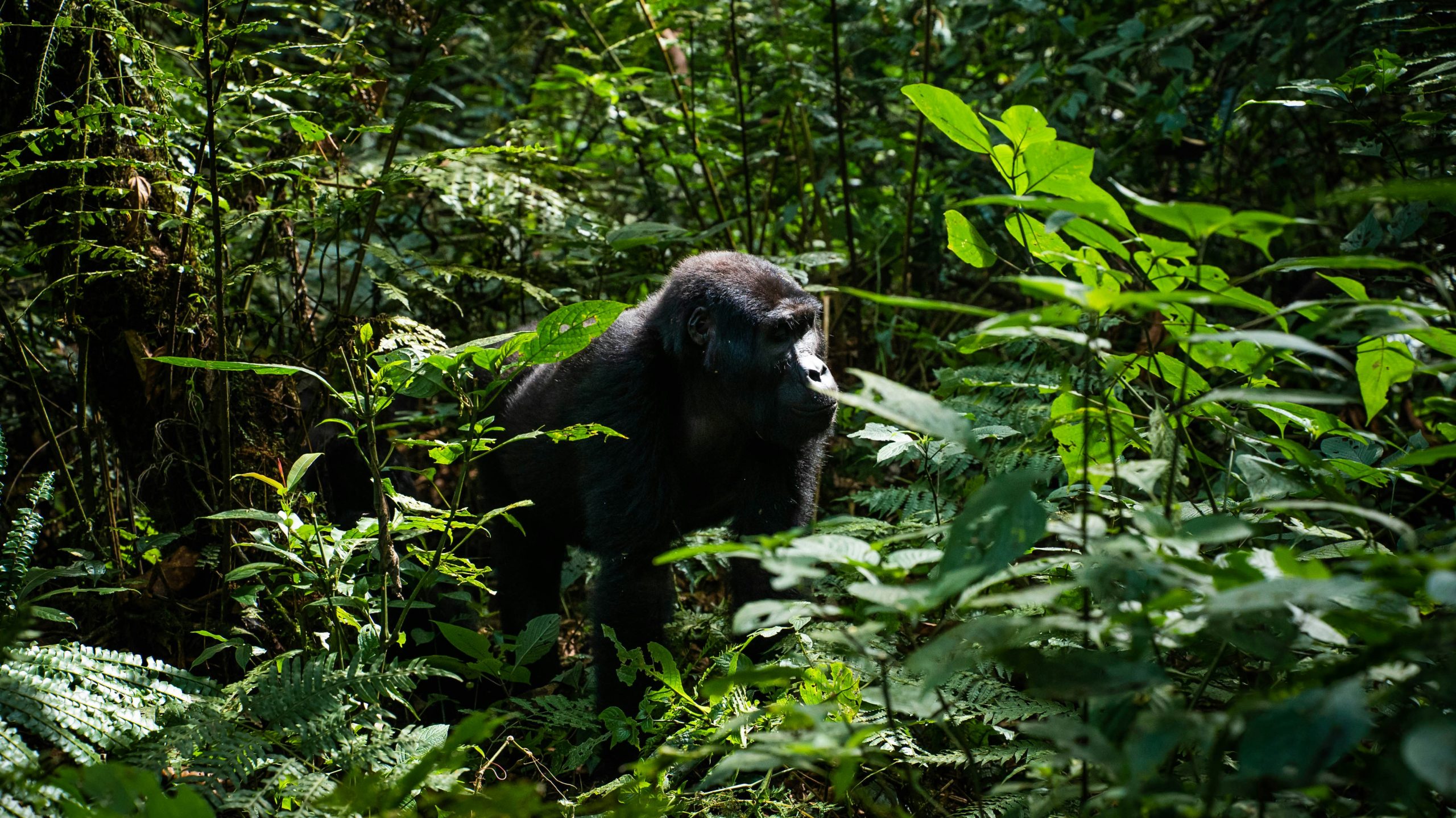
Lake Mutanda Guide: Volcano Views, Canoeing and Gorilla Trekking Base in Uganda
In the far south-western corner of Uganda, close to the borders with Rwanda and the Democratic Republic of the Congo, lies one of the country’s most beautiful lakes. Lake Mutanda is dotted with forested islands and surrounded by terraced hills, and on clear mornings the three Virunga volcanoes of Muhabura, Mgahinga and Sabyinyo rise dramatically behind it. Peaceful and uncrowded, Lake Mutanda is a wonderful place to relax, paddle and explore, and it also makes an excellent base for gorilla trekking in the southern sectors of Bwindi Impenetrable National Park and in Mgahinga Gorilla National Park.
This complete guide covers what to see and do at Lake Mutanda, nearby attractions, where to stay, how to get there and how to fit the lake into a Uganda gorilla safari.
Lake Mutanda at a Glance
- Location: Kisoro District, south-western Uganda, a short drive from Kisoro town.
- Altitude: Around 1,800 metres, with cool mornings and evenings.
- Known for: Views of the Virunga volcanoes, forested islands, dugout canoe trips and proximity to gorilla trekking.
- Nearby: Mgahinga Gorilla National Park, the Rushaga and Nkuringo sectors of Bwindi, Lake Chahafi, Lake Mulehe and the Rwandan border.
Scenery and Setting
Lake Mutanda was formed when lava flows from the Virunga volcanoes blocked a river valley, damming the water to create a lake with an irregular shoreline, numerous bays and small islands. Terraced farms climb the hillsides around the lake, and papyrus and reeds line its edges. The views of the volcanoes, especially at sunrise and sunset, are among the most photogenic in Uganda. On a clear day, you may also see the peaks of the Rwenzoris to the north-west, though they are often hidden by haze.
Things to Do at Lake Mutanda
Dugout canoe trips. Paddling in a traditional dugout canoe is the classic Mutanda experience. Local guides lead trips around the islands and along the shoreline, where you may see fishermen at work, kingfishers, herons and cormorants. Many lodges also offer kayaks for self-guided exploration.
Island visits. Some of the lake’s islands have local stories attached to them, and boat trips can include short stops and walks.
Hiking and village walks. Trails around the lake lead through farmland and villages, offering beautiful views and an insight into rural life. Guided walks can include visits to local schools, farms, markets and craft groups. Longer hikes connect the lake with the Nkuringo area of Bwindi.
Swimming. Lake Mutanda is often said to be free of bilharzia, and some visitors swim in it, though the water is cool. Always ask your lodge for local advice before swimming.
Birdwatching. The lake’s wetlands and surrounding hills support a range of birds, including papyrus specialists, African fish eagles, crowned cranes and sunbirds.
Cultural experiences. The Kisoro area is home to Bakiga and Bafumbira communities, as well as the Batwa, the forest’s original inhabitants. Community visits introduce traditional music, dance and crafts. If you are interested in Batwa culture, read our article on the Batwa Trail and ethical cultural experiences, and see our guide to community tourism in Bwindi.
Gorilla Trekking From Lake Mutanda
Lake Mutanda’s location makes it an excellent base for gorilla trekking:
- Rushaga sector, Bwindi: the sector with the most habituated gorilla families and the home of the gorilla habituation experience; see our guide to the gorilla habituation experience.
- Nkuringo sector, Bwindi: known for steep but scenic treks.
- Mgahinga Gorilla National Park: gorilla and golden monkey trekking on the slopes of the Virunga volcanoes; see our Mgahinga guide.
Each is usually between 30 minutes and an hour and a half by road from the lake, depending on the trailhead and road conditions. Your guide will plan an early departure to reach the briefing on time. For more on planning, see our Bwindi gorilla trekking guide, our guide for first-timers and our article on mountain gorilla facts.
Nearby Lakes and Attractions
Lake Chahafi. A smaller lake south of Kisoro with a peaceful atmosphere and good birdlife, often visited on a scenic drive or walk.
Lake Mulehe. A quiet lake north of Kisoro, popular for canoeing and relaxed lakeside stays.
Kisoro town. A busy market town with a lively market day, guesthouses and restaurants, and a gateway to the Rwandan border at Cyanika.
Lake Bunyonyi. A couple of hours north-east, Lake Bunyonyi is another beautiful lake for relaxation after gorilla trekking; see our Lake Bunyonyi guide.
Volcanoes National Park, Rwanda. Just across the border, Rwanda’s gorilla park is within easy reach for cross-border itineraries; see our Volcanoes National Park guide.
Best Time to Visit
Lake Mutanda can be enjoyed all year. The dry seasons, from June to August and December to February, offer the clearest volcano views and the easiest conditions for gorilla trekking. The rainy months, from March to May and September to November, bring lush green scenery and fewer visitors, though clouds may hide the volcanoes and trails can be muddy. Early mornings often offer the best views. See our guide to the best time for gorilla trekking in Uganda.
How to Get There
By road. From Kampala, the drive to Kisoro takes around eight to ten hours, often broken up with a stop at Lake Mburo or Lake Bunyonyi. From Kigali in Rwanda, the drive to Lake Mutanda via the Cyanika border crossing takes around three to four hours, making it a popular option for gorilla trips that start in Rwanda.
By air. Domestic flights connect Entebbe with Kisoro airstrip, a short drive from the lake.
Make sure you have the right visa, especially if crossing borders; see our guide to the East Africa Tourist Visa.
Where to Stay
Accommodation around Lake Mutanda includes community-run campsites and guesthouses, comfortable mid-range lodges with lake views and upmarket lodges perched on the hillsides with panoramic views of the volcanoes. Some lodges are right on the shore with direct access to canoes and kayaks. Kisoro town also has a range of budget and mid-range hotels.
How Much Does It Cost?
Activities at Lake Mutanda, such as canoe trips and village walks, are generally affordable. Your main costs will be accommodation, transport and gorilla permits if you plan to trek. See our guides to how much a gorilla permit costs in Uganda and Uganda safari costs.
Sample Itinerary
- Day 1: Drive from Kigali via Cyanika or fly from Entebbe to Kisoro, and settle into a lakeside lodge.
- Day 2: Gorilla trekking in Rushaga or Mgahinga.
- Day 3: Golden monkey trekking in Mgahinga in the morning and a canoe trip on Lake Mutanda in the afternoon.
- Day 4: Continue to Lake Bunyonyi or cross back into Rwanda.
Our 9-day Uganda volcanoes, golden monkeys and Lake Mutanda escape brings these experiences together.
Uganda Gorilla Guides and Itineraries
- Gorilla trekking in Uganda and Rwanda: the ultimate guide
- Gorilla trekking in Uganda
- 3-day gorilla trekking safari
- 3-day Mgahinga gorilla and golden monkey safari
- 5-day Uganda gorilla and wildlife safari
- 6-day Uganda primate safari: chimps and gorillas
- 7-day Uganda and Rwanda double gorilla safari
Frequently Asked Questions
Is Lake Mutanda worth visiting? Yes. It offers some of the best scenery in Uganda and is a convenient, peaceful base for gorilla trekking.
How far is Lake Mutanda from Bwindi? The Rushaga and Nkuringo sectors of Bwindi are usually around an hour to an hour and a half away by road.
Lake Mutanda or Lake Bunyonyi? Mutanda is quieter and has better volcano views, while Bunyonyi has more islands and accommodation choices. Both are excellent; many travellers visit both.
Can I swim in Lake Mutanda? Many people do, but always check local advice first.
Plan Your Visit
With its islands, volcano views and easy access to gorillas, Lake Mutanda is one of the most rewarding places to stay in south-western Uganda. Kuku Safaris can arrange your lodge, gorilla and golden monkey permits, transfers from Kigali or Entebbe, and activities on the lake. Explore our gorilla trekking packages, and for park information, visit the Uganda Wildlife Authority. Then get in touch to start planning.