
Lake Elementaita Guide: Flamingos, Pelicans and History in Kenya’s Rift Valley
Between the busy freshwater shores of Lake Naivasha and the rhino plains of Lake Nakuru lies a quieter, often overlooked gem of Kenya’s Great Rift Valley. Lake Elementaita is a shallow soda lake framed by volcanic hills, grassy plains and acacia woodland. At times its edges glow pink with flamingos, and its islands host one of the most important breeding colonies of great white pelicans in East Africa. With hot springs, a conservancy where you can walk among giraffes and zebras, and one of the region’s most important prehistoric sites nearby, Elementaita is a rewarding stop on any Rift Valley journey.
This complete guide covers what to see and do at Lake Elementaita, the best time to visit, where to stay and how to combine it with Kenya’s other Rift Valley lakes and parks.
Lake Elementaita at a Glance
- Location: Nakuru County, between Naivasha and Nakuru, around two to two and a half hours from Nairobi.
- Type: A shallow, alkaline soda lake.
- Status: Part of the Kenya Lake System in the Great Rift Valley, a UNESCO World Heritage Site, together with Lake Nakuru and Lake Bogoria.
- Known for: Flamingos, breeding great white pelicans, the Soysambu Conservancy, hot springs, the Sleeping Warrior hill and the Kariandusi prehistoric site.
The Name and the Landscape
The name Elementaita is thought to come from a Maasai word meaning “dust place”, a reference to the dry, dusty conditions around the lake at certain times of year. The lake sits in a basin surrounded by extinct volcanic hills and cones. The most famous of these is a ridge known as the Sleeping Warrior, whose profile, seen from the right angle, resembles a Maasai warrior lying on his back. Sunset views of the Sleeping Warrior across the lake are one of the highlights of a visit.
Birds of Lake Elementaita
Flamingos. Like Nakuru and Bogoria, Elementaita’s alkaline water supports the algae and small invertebrates that flamingos feed on. Both lesser and greater flamingos can be seen, sometimes in large numbers, though flamingo populations move between Rift Valley lakes depending on water levels and food. Ask your guide about current conditions.
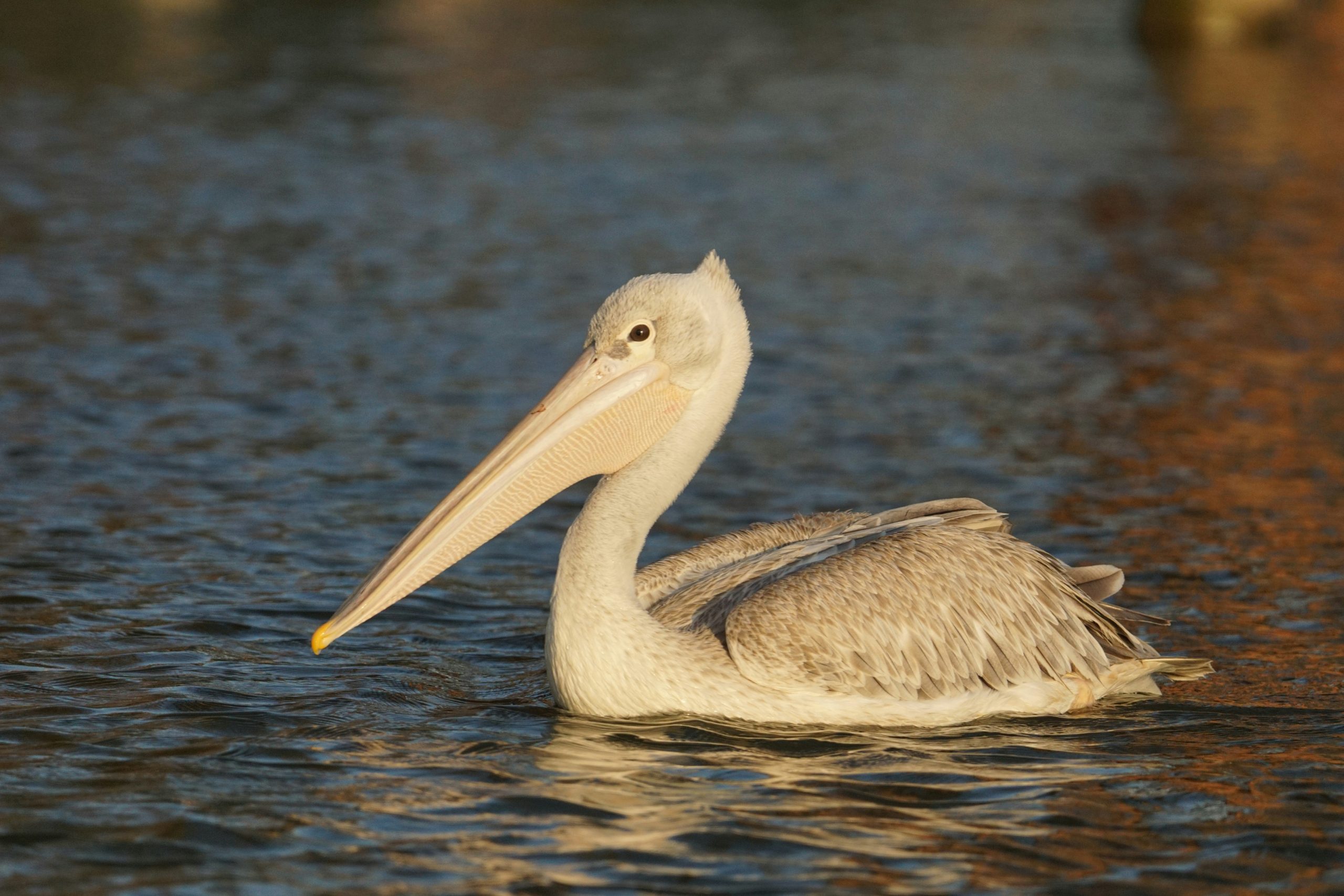
Great white pelicans. Elementaita’s small rocky islands are one of the few breeding sites for great white pelicans in the region. Pelicans feed on fish in nearby freshwater lakes, including Naivasha and Nakuru, and return to Elementaita to nest, especially during the breeding season.
Other birds. More than 400 bird species have been recorded around the lake, including avocets, stilts, plovers, African fish eagles, grey crowned cranes and many migratory waders that arrive from Europe and Asia between roughly October and April. For more Rift Valley birding, see our 10-day Rift Valley lakes birdwatching safari.
Soysambu Conservancy
Much of the land around the lake’s western and southern shores forms part of the Soysambu Conservancy, a large private wildlife area. Game drives, guided walks and cycling are possible here, offering sightings of Rothschild’s giraffes, zebras, elands, buffalo, gazelles, impalas, warthogs, hyenas and jackals, and, more rarely, leopards. Because there are few large predators, walking and cycling safaris are an unusual and rewarding way to experience the wildlife.
Hot Springs
Hot springs feed the southern end of the lake, where warm water flows into the lake and supports a small fish species adapted to the alkaline, warm conditions. These springs also attract birds. Some local people bathe in the warm pools, which are said to have therapeutic properties.
Kariandusi Prehistoric Site
Just north of the lake, the Kariandusi prehistoric site is one of the most important archaeological sites in East Africa. Excavations here uncovered large numbers of Acheulean stone tools, including hand axes and cleavers made by early humans hundreds of thousands of years ago, along with evidence of ancient lake levels much higher than today. A small museum and viewing galleries display the tools in place, offering a fascinating glimpse into early human history in the Rift Valley. Nearby are old diatomite mines, which tell the story of the region’s geological past.
Things to Do at Lake Elementaita
- Watch flamingos and pelicans along the shore, ideally with binoculars.
- Take a game drive, guided walk or cycling safari in Soysambu Conservancy.
- Visit the hot springs at the southern end of the lake.
- Explore the Kariandusi prehistoric site and museum.
- Enjoy a sundowner with views of the Sleeping Warrior.
- Join a nature walk or community visit with local guides.
Best Time to Visit
Lake Elementaita can be visited throughout the year. The dry seasons, from June to October and December to February, offer easy access and good wildlife viewing. Migratory birds are present from around October to April, which is ideal for birders. The long rains, from March to May, bring greener landscapes but can make some tracks muddy. Flamingo numbers vary with conditions rather than season. See our guide to the best time to visit East Africa.
How to Get There
Lake Elementaita lies just off the main Nairobi–Nakuru highway, around two to two and a half hours’ drive from Nairobi. It is roughly 30 to 40 minutes from Lake Nakuru National Park and around an hour from Lake Naivasha, making it easy to include on a Rift Valley circuit. Make sure your travel documents are in order; see our guide to the Kenya eTA for tourists.
Where to Stay
Elementaita has a good selection of lodges and tented camps, many overlooking the lake with views of the Sleeping Warrior. Options range from comfortable mid-range lodges to stylish upmarket camps and properties within the conservancy. Staying at Elementaita is also a quieter alternative to staying in Nakuru town when visiting Lake Nakuru National Park.
How Much Does It Cost?
Your costs will include accommodation, transport, conservancy fees for activities in Soysambu and entry to the Kariandusi site. Elementaita is generally affordable, especially as part of a Rift Valley itinerary. For broader budgeting, see our guides to East Africa safari costs and how much a safari in Kenya costs.
Combining Elementaita With a Kenya Safari
- Lake Nakuru: rhinos, Rothschild’s giraffes and big cats; see our Lake Nakuru guide.
- Lake Naivasha and Hell’s Gate: boat trips, walking safaris and cycling; see our Naivasha guide.
- Lake Bogoria and Lake Baringo: geysers, flamingos and top birding; see our Bogoria and Baringo guide.
- The Maasai Mara: continue west for the Great Migration; see our Great Migration dates guide and Masai Mara safari cost guide.
- Culture: learn about the Maasai and other communities of the Rift Valley; see our guide to Maasai culture and village visits.
Frequently Asked Questions
Is Lake Elementaita worth visiting? Yes. It is peaceful, scenic and rich in birdlife, and it combines easily with Nakuru and Naivasha.
Can you see flamingos at Lake Elementaita? Often, though numbers vary as flamingos move between Rift Valley lakes.
Can you walk at Lake Elementaita? Yes. Guided walks and cycling safaris are possible in parts of Soysambu Conservancy, as there are few large predators.
Is Elementaita good for families? Yes. Short drives from Nairobi, gentle walks and lakeside lodges make it ideal for families; see our guide to family safaris.
Plan Your Visit
Lake Elementaita offers a quieter, more personal Rift Valley experience, with birds, wildlife, history and sweeping views. Kuku Safaris can include Elementaita in a Rift Valley or Maasai Mara safari, with comfortable lodges and experienced guides. For wildlife information, visit the Kenya Wildlife Service, read our guide on how to choose a Kenya safari package, and get in touch to start planning.