
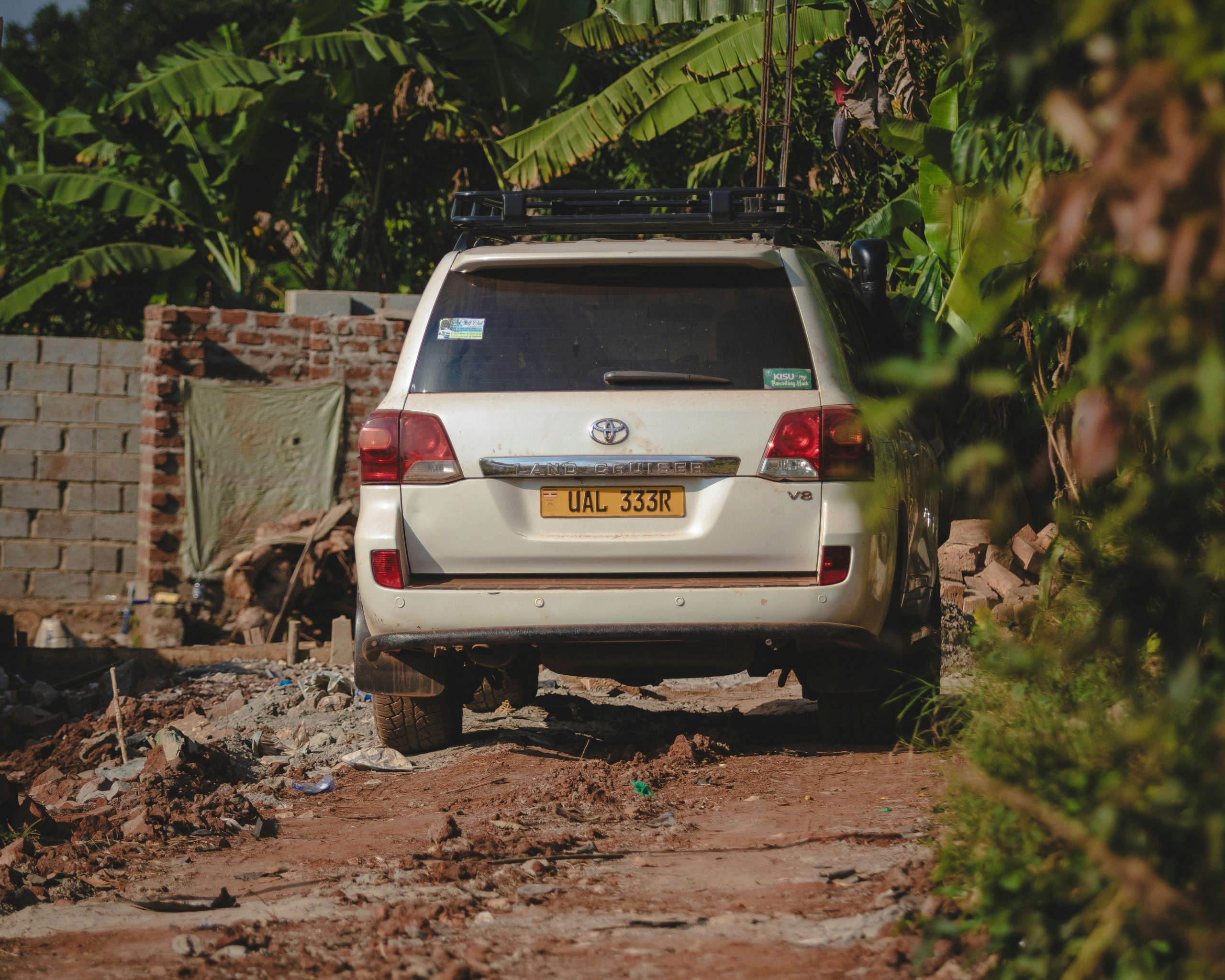
Self-Drive Safari in Uganda: The Complete 4×4 Car Hire Guide
There is something special about exploring Uganda at your own pace: stopping wherever you like to photograph a crater lake, buying fresh pineapples from a roadside stall, lingering at a lion sighting for as long as you wish and choosing each day where to go next. A self-drive safari offers that freedom. Uganda is one of the best countries in East Africa for independent travel by car, with friendly people, a good network of main roads, a growing number of lodges and campsites, and national parks that welcome self-drivers.
Self-driving is not for everyone, though. Road conditions vary, distances are long and navigating park tracks takes confidence. This guide explains everything you need to know: choosing the right 4×4, documents and driving rules, road conditions, park regulations, fuel, safety, sample routes and how a self-drive compares with hiring a car with a driver-guide.
Is a Self-Drive Safari in Uganda Right for You?
A self-drive safari suits experienced, confident drivers who enjoy independence, are comfortable on unpaved roads and like planning their own route. It is popular with overland travellers, couples, families with older children, expatriates living in East Africa and repeat visitors to Africa. It can also be more affordable than a fully guided safari, particularly if you camp.
It is less suitable if you are a nervous driver, are unfamiliar with driving on the left, have limited time, or want expert wildlife spotting and interpretation. Guides know where animals are likely to be and share fascinating knowledge, which can make a big difference to your sightings. Many travellers choose a middle path: renting a vehicle with a driver-guide, or self-driving most of the trip and hiring a local ranger guide in each park.
Choosing Your Vehicle
A four-wheel-drive vehicle is essential for most national parks, especially in the rainy season. Common options include:
- Compact SUVs such as the Toyota RAV4: economical and fine for couples on main routes and in drier months, but with limited clearance and luggage space.
- Mid-size 4x4s such as the Toyota Land Cruiser Prado: a comfortable all-rounder with good clearance for park tracks.
- Safari Land Cruisers with a pop-up roof: ideal for game viewing and photography, with space for families and small groups.
- Camping-equipped 4x4s with a rooftop tent, fridge, cooking equipment and water tank: perfect for travellers who want to camp in parks and community campsites.
When comparing rental companies, check the age and condition of the vehicle, whether unlimited mileage is included, what insurance covers, whether a spare tyre, jack, first aid kit and fire extinguisher are provided, and what roadside support is available if something goes wrong.
Documents and Driving Rules
- Driving licence: bring your national licence and an International Driving Permit, which is widely recommended for visitors.
- Drive on the left: Uganda drives on the left-hand side of the road, like Kenya, Tanzania and the UK.
- Speed limits: limits are lower in towns and trading centres and are enforced by traffic police with speed guns. Speed bumps are common when entering villages.
- Vehicle papers: carry the vehicle’s registration, insurance documents and rental agreement at all times.
- Police checkpoints: you may be stopped at checkpoints. Stay calm and polite, show your documents and ask for an official receipt if a fine is issued.
- Cross-border travel: if you plan to drive into Rwanda, Kenya or Tanzania, the rental company must authorise it and provide the necessary documents.
Road Conditions in Uganda
Uganda’s main highways are tarmac and generally in reasonable condition, including the routes from Kampala to Fort Portal, Mbarara, Kabale, Masindi and Jinja. However, potholes can appear suddenly, and you will share the road with large trucks, buses, minibus taxis, bicycles, pedestrians, livestock and boda boda motorcycle taxis. Approaching national parks, roads often become murram (graded dirt), which can be dusty in the dry season and slippery or muddy after rain. The roads into Bwindi, in particular, are steep and winding.
Allow more time than navigation apps suggest. As a guide, Kampala to Murchison Falls takes about five to six hours, Kampala to Fort Portal five to six hours, Kampala to Queen Elizabeth six to seven hours and Kampala to Bwindi eight to ten hours.
Essential Driving Tips
- Avoid driving at night. Poor lighting, pedestrians, animals and unlit vehicles make night driving risky. Plan to arrive before dark.
- Use offline maps such as Maps.me or downloaded Google Maps areas, as mobile coverage can be patchy in remote areas.
- Fill up whenever you can. Fuel stations are common in towns, but scarce near remote parks such as Kidepo Valley.
- Carry cash in Ugandan shillings for fuel, food and small purchases in rural areas.
- Watch for boda bodas, which can overtake on either side and stop suddenly.
- Keep water, snacks and a phone charger in the vehicle.
- Get a local SIM card with data from MTN or Airtel for navigation and emergencies.
Driving in National Parks
Self-drivers are welcome in Uganda’s national parks, but you must follow Uganda Wildlife Authority rules:
- Pay park entry fees per person and a vehicle fee at the gate. Check current tariffs with the Uganda Wildlife Authority.
- Stay on designated tracks; off-road driving is prohibited.
- Drive slowly, respecting park speed limits, and never chase or crowd animals.
- Stay inside your vehicle except at designated areas.
- Be out of the park or at your lodge or campsite by the closing time.
- Consider hiring a UWA ranger guide for game drives; they know the park and greatly improve your chances of good sightings.
Booking Permits and Activities
Self-drivers must book permits for gorilla trekking, chimpanzee tracking and other activities in advance. Gorilla permits are limited and sell out months ahead in peak season; a standard permit costs USD 800 for foreign non-residents. Your permit is issued for a specific sector of Bwindi, so plan your route and accommodation accordingly, and allow plenty of time to reach the briefing point by around 7:30 AM. Read our Bwindi gorilla trekking guide and gorilla permit prices.
Where to Stay
Self-drivers can choose from UWA campsites and bandas inside the parks, community campsites, mid-range lodges and luxury properties. Camping with a rooftop tent is a wonderful, affordable way to experience the bush, while lodges offer comfort, hot showers and meals. In peak season, book accommodation in advance, especially near gorilla trekking trailheads.
Sample Self-Drive Routes
Seven days: western Uganda highlights. Kampala to Fort Portal and Kibale for chimpanzees (two nights), Queen Elizabeth National Park (two nights), Bwindi for gorilla trekking (two nights), returning via Lake Mburo. See our 7-day Uganda itinerary.
Ten days: the full circuit. Kampala to Ziwa Rhino Sanctuary and Murchison Falls (two nights), along the Albertine Rift to Kibale (two nights), Queen Elizabeth (two nights), Bwindi (two nights) and Lake Bunyonyi (one night) before returning to Kampala. See our 10-day Uganda safari itinerary.
Five days: eastern Uganda. Kampala to Jinja for the source of the Nile and rafting, on to Sipi Falls for waterfall hikes and coffee tours, and Mount Elgon National Park. See our guides to Jinja and Sipi Falls.
Self-Drive vs Driver-Guide
Self-drive advantages: freedom, flexibility, privacy and often lower costs. Driver-guide advantages: no stress on the roads, expert wildlife spotting, local knowledge and language skills, handling of park logistics and checkpoints, and more time to enjoy the scenery. The cost difference is usually modest compared with the overall cost of a safari, and many first-time visitors find a driver-guide well worth it. For more advice, read our safari planning guide and our comparison of budget vs luxury safaris.
Safety on a Self-Drive Safari
Uganda is welcoming to visitors, and most self-drive trips are trouble-free. Lock your vehicle and keep valuables out of sight in towns, avoid driving after dark, keep your rental company’s emergency number handy and let your accommodation know your expected arrival time. Read our article on whether Uganda is safe for tourists and check your government’s travel advice before departure.
Best Time for a Self-Drive Safari
The dry seasons from June to September and December to February are best, as murram roads and park tracks are easier to drive. In the rainy seasons, from March to May and around October and November, some tracks become muddy and slippery, and a high-clearance 4×4 and extra time are essential. See our guide to the best time to visit Uganda.
What to Pack for a Self-Drive
- Binoculars and a wildlife field guide.
- A car phone charger and power bank.
- Offline maps and a printed route plan.
- A cool box, reusable water bottles and snacks.
- A head torch, basic toolkit and tyre pressure gauge.
- Warm layers for the highlands around Bwindi and Kabale.
See our ultimate African safari packing list.
Camping on a Self-Drive Safari
Camping is one of the most rewarding ways to experience Uganda on a self-drive. Many rental companies offer vehicles with rooftop tents that unfold in minutes, along with camping chairs, a table, a gas stove, cooking utensils, a cool box or fridge and bedding. The Uganda Wildlife Authority operates campsites in several parks, including Queen Elizabeth, Murchison Falls, Lake Mburo and Kidepo Valley, and many lodges also allow camping in their grounds, giving you access to showers, meals and a bar. Facilities range from basic, with long-drop toilets and cold showers, to comfortable, so check in advance.
When camping in parks, follow ranger advice carefully. Never leave food in the open, as baboons and other animals may raid camps. Stay inside your tent at night, and if you need to leave it, use a torch and check the area first. Hippos often graze near water at night, and campsites near rivers and lakes require particular care. Keep your vehicle nearby and lock valuables inside.
Fuel and Budgeting
Fuel is a significant cost on a self-drive safari, as Uganda’s parks are spread out and 4x4s use more fuel on rough roads. Plan your fuel stops carefully, especially on routes to Kidepo, Semuliki and parts of Murchison Falls, where stations are few and far between. Many travellers carry a jerrycan of spare fuel for remote areas. In addition to fuel and vehicle hire, budget for park entry fees per person per day, vehicle entry fees, activity permits, ranger guides, accommodation or campsite fees, food and drinks, and a contingency for unexpected repairs. Read our guide to affordable Uganda safaris.
What to Do if You Break Down
Even well-maintained vehicles can suffer punctures or mechanical problems on rough roads. Before setting off, learn how to change a tyre, check that the spare and tools are in good condition and save your rental company’s emergency number. If you break down, pull over safely, use your hazard lights and warning triangles, and call the rental company for assistance. Inside a national park, stay with your vehicle and contact the park headquarters or ranger post. Local mechanics in towns are often remarkably resourceful, and your rental company can guide you to reliable ones.
Responsible Self-Driving
Respect wildlife and local communities. Drive slowly through villages, where children and livestock often use the road. Never feed wild animals, and keep a respectful distance at sightings, giving way to other vehicles so everyone can enjoy the view. Take all rubbish with you, and support local businesses by buying fruit, crafts and meals along the way. Read our guide to eco-tourism in Uganda.
Frequently Asked Questions
Can tourists drive in Uganda? Yes. With a valid licence and International Driving Permit, visitors can rent and drive vehicles in Uganda.
Do I really need a 4×4? For national parks and rural roads, yes, especially in the rainy season.
Can I self-drive to gorilla trekking? Yes, but allow plenty of time, as roads to Bwindi are steep and winding, and you must arrive for the early morning briefing.
Is self-driving cheaper? Often, especially if you camp, but you must budget for fuel, park vehicle fees and possibly ranger guides.
Can I hire a car with a driver instead? Yes. Many travellers prefer a driver-guide for convenience and better wildlife sightings.
Plan Your Uganda Road Trip
Kuku Safaris can help you plan a self-drive route, book gorilla and chimpanzee permits, reserve lodges and campsites, or arrange a 4×4 with an experienced driver-guide. Read our guide on how to choose a Uganda safari company and how to book with Kuku Safaris, and visit the Uganda Tourism Board for more inspiration.