
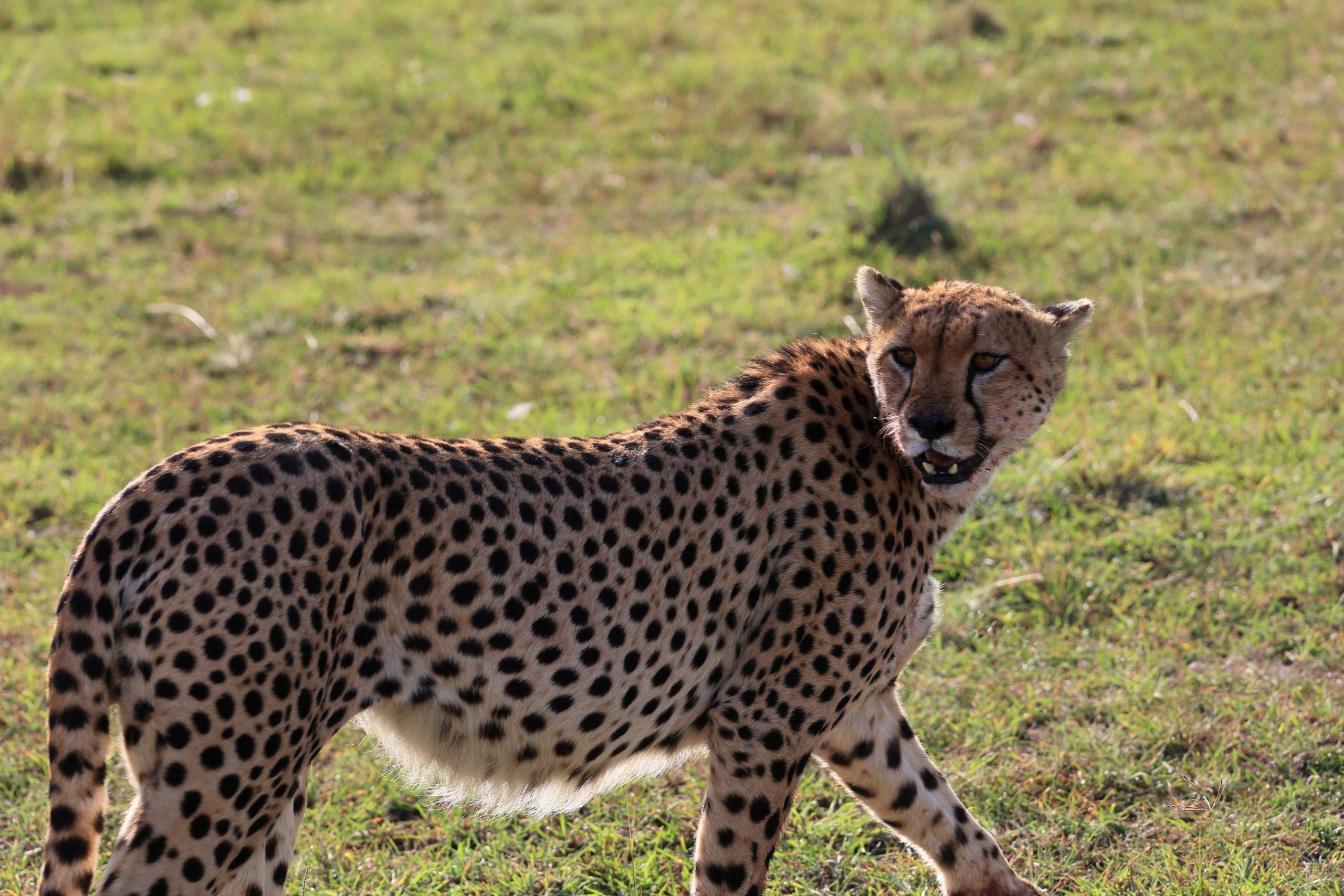
🌍 Kenya: Africa’s Original Safari Destination (2026 -2027 Travel Guide)
From the Great Migration to the Indian Ocean coast – your ultimate Kenya travel guide
Why Visit Kenya?
Kenya is the original safari destination, a name synonymous with adventure, wildlife, and the romance of the African bush. International travel has been climbing back hard, and the one destination that shows up in more saved travel folders than almost anywhere else is Kenya.
The country has been crowned Africa’s Leading Destination multiple times, and for good reason. From the endless plains of the Maasai Mara, where the Great Migration thunders across the savannah, to the snow-capped peak of Mount Kenya; from the elephant herds of Amboseli framed by Kilimanjaro to the powder-white beaches of Diani – Kenya offers an extraordinary variety of experiences.
Key Stats:
- 23 national parks & reserves – one of Africa’s most extensive networks
- 1.5 million wildebeest – the Great Migration, nature’s greatest spectacle
- 1,100+ bird species – a paradise for birdwatchers
- Africa’s second-highest peak – Mount Kenya at 5,199 meters
- 500+ km of coastline – with some of the world’s best beaches
- UNESCO World Heritage Sites – including Lamu Old Town, Lake Turkana, and Fort Jesus
Nairobi & Central Kenya
1. 🏙️ Nairobi National Park
The Urban Safari – Wildlife with a City Skyline
| At a Glance | |
|---|---|
| Location | Nairobi, Kenya’s capital |
| Distance from City Centre | 15 minutes |
| Size | 117 km² |
| Best For | Rhino sightings, quick safari, city escape |
| Best Time | Year-round |
Why You Should Visit
Most first-time visitors assume Kenya’s wildlife is a long bush flight away from civilization. It isn’t. The capital, Nairobi, has a proper national park sitting inside its boundary. Nairobi National Park is fenced on three sides, with the south left open so animals can still move through toward the Athi-Kapiti plains. You can watch rhinos graze with the city skyline visible in the distance.
Key Attractions
- Rhinos: One of the best places in Kenya to see both black and white rhinos
- Big Cats: Lions, leopards, and cheetahs roam the park
- Other wildlife: Zebra, giraffe, warthog, buffalo, and over 400 bird species
- The Ivory Burning Site: A memorial to Kenya’s commitment to elephant conservation
What Makes It Special
- Proximity to the City: You can see lions, zebra, giraffe, and warthog all in one morning drive, usually before 10 a.m.
- Unfenced Southern Boundary: The animals move freely across the unfenced southern boundary, and the giraffe population in particular has a strong tendency to cross in and out depending on season
- Quick Safari Option: If your schedule is tight, you can book comprehensive Nairobi National Park tours as three- or four-hour morning drives. The gate opens at 6 a.m.
Best Time to Visit
- Year-round – the park offers excellent game viewing throughout the year
- Dry seasons (June–October and December–February) offer the best conditions
How to Get There
- By Road: 15-minute drive from Nairobi city centre
- The park is easily accessible by taxi or tour vehicle
2. 🏔️ Mount Kenya National Park
Africa’s Second-Highest Peak
| At a Glance | |
|---|---|
| Location | Central Kenya |
| Height | 5,199 meters (Africa’s second-highest) |
| Best For | Trekking, mountaineering, alpine scenery |
| Best Time | June–October & December–February |
Why You Should Visit
Mount Kenya is Africa’s second-highest peak and a UNESCO World Heritage Site. Unlike Kilimanjaro, Mount Kenya offers a more technical and rewarding climb, with dramatic peaks, glacial lakes, and unique alpine vegetation.
Trekking Routes
| Route | Duration | Difficulty | Highlights |
|---|---|---|---|
| Sirimon | 5–6 days | Moderate | Driest route, scenic views, traverse option |
| Chogoria | 5–6 days | Moderate | Most magnificent ascent, Gorges Valley views |
| Naro Moru | 3–5 days | Challenging | Fastest ascent, “Vertical Bog” section |
| Burguret | 5–6 days | Challenging | Solitude, wilder approach |
Key Attractions
- Point Lenana: The trekking peak at 4,985 meters – accessible to hikers without technical climbing skills
- Batian and Nelion: The true summits at 5,199 meters – require technical climbing
- Glacial Lakes: Stunning alpine lakes dot the mountain
- Unique Flora: Giant lobelias, groundsels, and other Afro-alpine vegetation
What Makes It Special
- Less Crowded: Far fewer trekkers than Kilimanjaro
- Scenic Variety: From equatorial rainforest to glacial peaks
- Summit Sunrise: Watching the sun rise from above the clouds over the African plains
Best Time to Visit
- June–October: Dry season – best weather and visibility
- December–February: Warm and dry – another good window
- March–May: Long rains – trails become muddy and treacherous
How to Get There
- By Road: 3–4 hours from Nairobi to the park gates
- By Air: Flights to Nanyuki or Nairobi, then drive
The Great Rift Valley
3. 🦩 Lake Nakuru National Park
The Flamingo Capital of Africa
| At a Glance | |
|---|---|
| Location | Great Rift Valley, central Kenya |
| Distance from Nairobi | ~160 km (3 hours by road) |
| Size | 188 km² |
| Best For | Flamingos, rhinos, birdwatching |
| Best Time | January–March & July–October |
Why You Should Visit
Lake Nakuru National Park is a mecca for birds, specifically the lesser flamingo. Initially established as a bird sanctuary, the park is best known for its thousands, sometimes millions, of flamingos nesting along the shores. An estimated 800,000 to 1.5 million African flamingos come together to breed and feed around the lake.
Key Attractions
- Flamingos: Kenya is home to two species – the lesser flamingo and the greater flamingo. The number of flamingos on the lake varies with water and food conditions
- Rhinos: Lake Nakuru is one of Kenya’s most important rhino sanctuaries, with both black and white rhinos
- Other wildlife: Lions, leopards, buffalo, giraffes, and hippos
- Baboon Cliff: The best vantage point for viewing the lake and its flamingos
What Makes It Special
- The Pink Spectacle: The sight of millions of flamingos taking flight in a wave of pink is unforgettable
- Small but Packed: Though Lake Nakuru National Park is small, it packs an incredible wildlife punch
- Great Rift Valley Setting: The park sits in the heart of the Great Rift Valley with stunning scenery
Best Time to Visit
- January–March: Best chance at seeing large flocks, as the flamingo population increases after the rainy season
- July–October: Moderate numbers but drier conditions and cleaner light
How to Get There
- By Road: 3 hours from Nairobi
- Lake Nakuru is a popular day trip from the capital
4. 🚣 Lake Naivasha
The Great Rift Valley’s Freshwater Jewel
| At a Glance | |
|---|---|
| Location | Great Rift Valley |
| Distance from Nairobi | ~90 km (1.5 hours by road) |
| Best For | Boat safaris, hippos, birdwatching |
| Best Time | Year-round |
Why You Should Visit
Lake Naivasha is a freshwater lake in the Great Rift Valley, offering a peaceful contrast to the dry savannahs. A boat safari on Lake Naivasha offers close encounters with hippos and a spectacular variety of birds.
Key Attractions
- Boat Safaris: Cruise across the lake to spot hippos, fish eagles, pelicans, and more
- Crescent Island: A walking safari on Crescent Island Game Sanctuary lets you walk among zebras, giraffes, and antelopes
- Birdwatching: Over 400 bird species recorded around the lake
- Horseback Riding: Explore the lake’s shores on horseback
What Makes It Special
- The “Slow Safari”: A relaxed, gentle safari experience perfect for families and those wanting a break from game drives
- Scenic Beauty: The lake is set against the backdrop of the Great Rift Valley escarpment
- Hippo Encounters: Hippos are abundant in the lake and often seen from boats
Best Time to Visit
- Year-round – the lake offers excellent experiences throughout the year
- The dry seasons (June–October and December–February) offer the best weather
How to Get There
- By Road: 1.5 hours from Nairobi
- Often combined with a visit to Hell’s Gate National Park
5. 🚲 Hell’s Gate National Park
Kenya’s Only Park Where You Walk and Cycle
| At a Glance | |
|---|---|
| Location | Great Rift Valley, near Lake Naivasha |
| Distance from Nairobi | ~90 km (1.5 hours by road) |
| Size | 68 km² |
| Best For | Cycling, walking safaris, rock climbing |
| Best Time | Year-round |
Why You Should Visit
Hell’s Gate is the only Kenyan national park where you walk and cycle alongside wildlife. This unique experience allows visitors to get out of the vehicle and explore the park on foot or by bike, making it one of Kenya’s most active and engaging safari destinations.
Key Attractions
- Cycling Safaris: Cycle through the park alongside zebras, giraffes, buffaloes, warthogs, and antelopes
- Ol Njorova Gorge: A spectacular canyon with geothermal steam vents and hot springs
- Rock Climbing: The park’s towering cliffs offer excellent climbing opportunities
- Geothermal Activity: The park is home to Kenya’s only geothermal power station
What Makes It Special
- Active Adventure: A thrilling alternative to traditional game drives – bike rental and cycling fees available
- Stunning Scenery: Cycle in between the dramatic Rift Valley cliffs
- Up-Close Wildlife: The unique experience of pedalling past zebras and giraffes
Best Time to Visit
- Year-round – the park is accessible throughout the year
- The dry seasons (June–October and December–February) offer the best cycling conditions
How to Get There
- By Road: 1.5 hours from Nairobi
- Best combined with a visit to Lake Naivasha for a full day of adventure
The Maasai Mara & Western Kenya
6. 🦁 Maasai Mara National Reserve
The Greatest Wildlife Show on Earth
| At a Glance | |
|---|---|
| Location | Southwestern Kenya |
| Distance from Nairobi | ~270 km (5–6 hours by road) |
| Size | 1,510 km² |
| Best For | Great Migration, Big Five, big cats |
| Best Time | July–October (Migration) & Year-round (wildlife) |
| Entry Fee | $200 per adult per day (2026) |
Why You Should Visit
The Maasai Mara is Kenya’s most famous wildlife reserve and one of the best safari destinations on Earth. It is home to the Great Migration and incredible big cat populations, delivering world-class game viewing year-round. The reserve is part of the greater Serengeti-Mara ecosystem and hosts one of the highest concentrations of wildlife in Africa.
The Great Migration
The Maasai Mara is the stage for the northern leg of the Great Migration. Around 1.5 million wildebeest and over 200,000 zebras make their way into the Mara from July to October, crossing the crocodile-infested Mara River in one of nature’s most dramatic spectacles.
Migration Timeline:
| Period | Location | Highlights |
|---|---|---|
| July–October | Maasai Mara | River crossings, predator action, peak season |
| November–December | Northern Serengeti | Migration moves south |
| January–March | Southern Serengeti (Ndutu) | Calving season |
| April–June | Western Serengeti (Grumeti) | Migration moves north |
Wildlife Viewing
- Big Five guaranteed — lion, leopard, elephant, buffalo, rhino
- Big Cats: The Mara has one of Africa’s highest densities of lions, leopards, and cheetahs
- Over 470 bird species recorded
- Other species: Zebras, giraffes, hippos, crocodiles, and countless antelope species
Activities Beyond Game Drives
- Hot Air Balloon Safari: Float over the savannah at dawn – an unforgettable experience
- Walking Safaris: Only available in the private conservancies – a truly immersive experience
- Night Game Drives: Available in the conservancies – spot nocturnal wildlife
- Maasai Village Cultural Visits: Learn about the traditional Maasai way of life
Where to Stay
- Inside the Reserve: Mara Serena, Keekorok, Fig Tree Camp – convenient, classic safari experience
- Private Conservancies: Olare Motorogi, Naboisho, Mara North – offer exclusive game drives, walking safaris, and night drives
- Budget Camps: Options outside the gate from budget campsites to ultra-luxury tented camps
Best Time to Visit
- July–October: Peak season – the Great Migration is in the Mara, river crossings underway
- Year-round: The Mara delivers world-class game viewing throughout the year
How to Get There
- By Air: 45-minute scheduled flight from Nairobi’s Wilson Airport
- By Road: 5–6 hours via Narok
Southern Kenya
7. 🐘 Amboseli National Park
The Kingdom of Elephants – With Kilimanjaro’s Backdrop
| At a Glance | |
|---|---|
| Location | Southern Kenya, near the Tanzania border |
| Distance from Nairobi | ~240 km (4 hours by road) |
| Size | 392 km² |
| Best For | Elephants, Kilimanjaro views, big tuskers |
| Best Time | June–October & December–February |
Why You Should Visit
Amboseli is one of the best places in Africa to see large elephant herds up close, set against the dramatic backdrop of Mount Kilimanjaro. Known as the “Kingdom of Elephants,” the park is home to over 1,000 African elephants. The fine volcanic earth coats their thick grey skin in a reddish hue, creating striking photographic moments.
Key Attractions
- Elephant Herds: Amboseli’s elephants are among Africa’s largest, both in size and in tusk
- Mount Kilimanjaro Views: The mountain is just 50km to the southeast, and its looming form dominates the Amboseli skyline on clear mornings
- Observation Hill: A viewpoint offering panoramic views of the park and Kilimanjaro
- The Swamps: Fed by Kilimanjaro’s underground waters, the swamps attract wildlife year-round
What Makes It Special
- The Elephant Research Project: Amboseli is the site of the longest-running study of elephant behaviour in the wild
- Celebrity Elephants: The park is home to some of Africa’s most famous elephants, including Craig, who has become a bit of a celebrity
- Photographic Paradise: The combination of elephants, Kilimanjaro, and the African savannah is one of Africa’s most iconic images
Best Time to Visit
- June–October: Dry season – excellent visibility and wildlife viewing
- December–February: Warm and dry – another good window
- March–May: Long rains – the park becomes lush but roads can be muddy
How to Get There
- By Road: 4 hours from Nairobi
- By Air: Scheduled flights from Nairobi’s Wilson Airport
8. 🌋 Tsavo National Parks (East & West)
Kenya’s Largest Wilderness – Home of the Red Elephants
| At a Glance | |
|---|---|
| Location | Southeastern Kenya |
| Size | Over 22,000 km² (combined – Kenya’s largest park) |
| Best For | Big Five, red elephants, remote wilderness |
| Best Time | June–October & December–February |
Why You Should Visit
Tsavo is Kenya’s largest national park, famous as the home of some of Africa’s largest remaining big tuskers. The park is divided into Tsavo East and Tsavo West, each offering a different experience. Both parks are home to Africa’s “Big Five” – lions, leopards, elephants, Cape buffalo and black rhinos.
Tsavo East
- The Red Elephants: The park’s elephants are dusted red from wallowing and playing in the Galana River mud
- Open Plains: Better for elephant sightings with vast, open savannahs
- Birdwatching: Over 500 bird species recorded, including migratory birds from across the globe
- Rare Species: Home to the critically endangered hirola antelope
Tsavo West
- Dramatic Landscapes: Volcanic lava flows, springs, and the Shetani lava flows
- Mzima Springs: A series of natural springs with crystal-clear water, home to hippos and crocodiles
- Lush Vegetation: More water means thicker vegetation and diverse habitats
What Makes It Special
- Vast and Remote: Tsavo is a wild theatre where nature takes centre stage
- The Big Tuskers: Some of Africa’s last remaining big-tusked elephants roam here
- Excellent Wildlife: Cheetahs, hyenas, zebras, wildebeests, giraffes, and over 600 bird species
Best Time to Visit
- June–October: Dry season – animals concentrate around water sources
- December–February: Warm and dry – another good window
How to Get There
- By Road: 4–6 hours from Nairobi or Mombasa
- By Air: Scheduled flights to various airstrips within the parks
Northern Kenya
9. 🦒 Samburu National Reserve
Home of the “Samburu Special Five”
| At a Glance | |
|---|---|
| Location | Northern Kenya, on the Ewaso Ng’iro River |
| Distance from Nairobi | ~350 km (6 hours by road) |
| Best For | Rare northern species, river wildlife |
| Best Time | June–October & December–February |
Why You Should Visit
Samburu is one of the best places to see rare northern-dwelling species that are rarely found elsewhere. The reserve is located on the beautiful Ewaso Ng’iro River and is known for its large elephant populations.
The “Samburu Special Five”
Samburu is famous for its “Samburu Special Five” – species rarely seen elsewhere in Kenya:
- Reticulated giraffe – with its striking, geometric pattern
- Grevy’s zebra – the largest and most threatened zebra species
- Beisa oryx – with long, straight horns
- Somali ostrich – distinguished by its blue-grey neck
- Gerenuk – often called the “giraffe gazelle” for its long neck
Other Wildlife
- Big Game: Elephant, lion, leopard, cheetah, hippo, buffalo, hyena, and wild dog
- Birdlife: Martial eagles, bateleurs, and pygmy falcons patrol the skies
- River Wildlife: The muddy waters of the Ewaso Ng’iro River are home to numerous hippos, crocodiles, and birds
What Makes It Special
- Off the Beaten Track: Samburu offers an awesome, off-the-beaten-track experience
- Unique Species: The reserve is home to Kenya’s rarer northern species
- Scenic Beauty: The craggy, rugged region unfolds a romantic, awe-inspiring safari experience
Best Time to Visit
- June–October: Dry season – animals concentrate around the river
- December–February: Warm and dry – another good window
How to Get There
- By Road: 6 hours from Nairobi
- By Air: Scheduled flights from Nairobi’s Wilson Airport
10. 🦏 Ol Pejeta Conservancy
The Last Two Northern White Rhinos on Earth
| At a Glance | |
|---|---|
| Location | Laikipia, central Kenya |
| Distance from Nairobi | ~200 km (3.5 hours by road) |
| Best For | Rhino conservation, chimpanzees, Big Five |
| Best Time | Year-round |
Why You Should Visit
Ol Pejeta is a private wildlife conservancy in Laikipia that is home to the Big Five, the world’s last two northern white rhinos, and a unique chimpanzee sanctuary. It is one of Kenya’s most important conservation success stories.
Key Attractions
- The Last Two Northern White Rhinos: Ol Pejeta is home to the last two remaining northern white rhino females on Earth
- Black Rhino Sanctuary: The conservancy is home to over 230 rhinos, including 176 eastern black rhinos
- Chimpanzee Sanctuary: A unique sanctuary for chimpanzees rescued from conflict zones
- Big Five: Lions, leopards, elephants, buffalo, and rhinos all roam here
What Makes It Special
- Conservation Success: Ol Pejeta had just 20 black rhinos in 1993; today, that number has flourished to over 165
- A Once-in-a-Lifetime Encounter: Visiting the northern white rhino enclosure is a profound experience
- Community Impact: The conservancy supports local communities through employment and development
Best Time to Visit
- Year-round – the conservancy offers excellent experiences throughout the year
How to Get There
- By Road: 3.5 hours from Nairobi
- By Air: Flights to Nanyuki airstrip
The Kenyan Coast
11. 🏖️ Diani Beach
Africa’s Leading Beach Destination
| At a Glance | |
|---|---|
| Location | Southern coast, 30 km south of Mombasa |
| Accessibility | Ferry from Likoni or direct flight from Nairobi |
| Best For | Beaches, water sports, luxury resorts |
| Best Time | June–October & December–February |
Why You Should Visit
Diani Beach is widely regarded as one of Africa’s finest beaches. The white sandy shores of Diani Beach are consistently ranked among the best in the world and voted Africa’s leading beach destination for several consecutive years. At 17 kilometres long, it is very much the epicentre of tourism on the Kenyan coast.
Key Attractions
- The Beach: A long crescent of powder-white sand backed by baobab trees and casuarinas, facing a calm turquoise sea protected by a coral reef
- Water Sports: Kite surfing, snorkelling, scuba diving, and more
- Diving: The reef system supports excellent snorkelling and scuba diving, with multiple dive sites within a short boat ride
- Accommodation: Diani has developed a sophisticated hospitality infrastructure, from budget guesthouses to boutique properties and large resort hotels
What Makes It Special
- World-Class Beach: Widely regarded as one of the best beaches in Africa
- Coral Reef Protection: The reef creates calm, swimmable waters year-round
- Vibrant Beach Lifestyle: Diani is famous for its endless stretch of white sand, palm trees, turquoise waters, and vibrant beach lifestyle
Best Time to Visit
- June–October: Dry season – sunny skies and calm seas
- December–February: Warm and dry – another good window
How to Get There
- By Road & Ferry: Drive from Mombasa and cross by ferry from the Likoni crossing
- By Air: Direct flights from Nairobi
12. 🐢 Watamu
Quiet Beauty & Marine Paradise
| At a Glance | |
|---|---|
| Location | North coast, 2 hours north of Mombasa |
| Best For | Diving, snorkelling, sea turtles, peace |
| Best Time | June–October & December–February |
Why You Should Visit
Watamu is quieter and arguably more beautiful than Diani. It is a small fishing town that attracts a more discerning traveller than the busier Diani resorts, and the town has retained a laid-back character that larger resort destinations often lose.
Key Attractions
- Watamu Marine National Park: Protects one of East Africa’s most pristine coral reef systems
- The Beach: Three connected bays of brilliant white sand – genuinely stunning
- Sea Turtles: Sea turtle nesting on the Watamu coast is a remarkable natural phenomenon, and local conservation organizations run programmes that let visitors observe nesting and hatchings during the right season
- Diving and Snorkelling: Colourful coral gardens and tropical fish create an underwater paradise
- Whale Sharks: During the right season, visitors may even spot whale sharks
Beyond the Beach
- Arabuko Sokoke Forest: Offers nature walks and birdwatching experiences
- Mida Creek: Perfect for sunset dhow cruises and mangrove adventures
- Gede Ruins: Archaeological heritage nearby
What Makes It Special
- Laid-Back Atmosphere: Watamu offers slow mornings, crystal-clear waters, and a peaceful atmosphere away from heavy crowds
- Marine Conservation: A destination that balances tourism with conservation
- Combination of Attractions: Marine park, turtle conservation, bird life, and archaeological heritage makes Watamu one of the most interesting coastal destinations in East Africa
Best Time to Visit
- June–October: Dry season – best diving and beach conditions
- December–February: Warm and dry – another good window
How to Get There
- By Road: 2-hour drive north of Mombasa
- By Air: Daily flights from Nairobi
13. 🌅 Malindi
Where Swahili, Arab, Portuguese & Italian Cultures Meet
| At a Glance | |
|---|---|
| Location | North coast, 20 km north of Watamu |
| Best For | Culture, history, dining, beaches |
| Best Time | June–October & December–February |
Why You Should Visit
Malindi sits 20 kilometres north of Watamu and has a different feel again – a working town with a long history of Arab, Portuguese, and Swahili influence. It has a proper fish market, a colourful old town, and beach hotels that cater to both international visitors and Kenyan residents.
Key Attractions
- Italian Influence: The Italian community that has been based in Malindi for decades has given the dining scene a distinctly Mediterranean character that surprises first-time visitors
- Old Town: Colourful streets with Arab, Portuguese, and Swahili architecture
- Beaches: Beach hotels with excellent access to the Indian Ocean
What Makes It Special
- Cultural Diversity: A unique blend of cultures that is reflected in the architecture, food, and atmosphere
- Excellent Dining: Mediterranean and Swahili cuisine combined
- Great Connectivity: Well connected by daily flights from Nairobi
Best Time to Visit
- June–October: Dry season – best beach conditions
- December–February: Warm and dry – another good window
How to Get There
- By Road: 20-minute drive north of Watamu
- By Air: Daily flights from Nairobi
14. 🏛️ Mombasa
Kenya’s Coastal Heartbeat
| At a Glance | |
|---|---|
| Location | Kenya’s coast |
| Best For | History, culture, food, city life |
| Best Time | June–October & December–February |
Why You Should Visit
Mombasa is Kenya’s coastal heartbeat – vibrant, energetic, and layered with history. Unlike quieter beach towns, Mombasa combines city life with coastal relaxation.
Key Attractions
- Fort Jesus: A UNESCO World Heritage Site that tells the story of Mombasa’s Portuguese, Arab, and British influences
- Old Town: Narrow alleys surrounded by centuries-old Swahili architecture
- Beaches: Nyali, Bamburi, and Shanzu offer easy access to resorts, nightlife, restaurants, and water sports
- Food: A dream destination for food lovers – Swahili biryani, viazi karai, grilled seafood, and madafu by the beach
What Makes It Special
- Urban- Beach Balance: Mombasa offers a balance between beach relaxation and urban experiences
- Rich History: Over 500 years of Swahili, Arab, Portuguese, and British influence
- Vibrant Energy: A lively city with nightlife, culture, and dining
Best Time to Visit
- June–October: Dry season – best weather for exploring
- December–February: Warm and dry – another good window
How to Get There
- By Air: Moi International Airport (MBA) with flights from Nairobi and international destinations
- By Train: The Standard Gauge Railway from Nairobi to Mombasa (approx. 5 hours)
15. 🐫 Lamu Island
The Cradle of Swahili Civilization
| At a Glance | |
|---|---|
| Location | Northern coast, Lamu Archipelago |
| Accessibility | Flight from Nairobi or Mombasa, then boat |
| Best For | Swahili culture, history, dhow sailing |
| Best Time | June–October & December–February |
Why You Should Visit
Lamu is the oldest and best-preserved Swahili settlement in East Africa and a UNESCO World Heritage Site. It is a reservoir of the Swahili culture, resulting from the interaction between the Bantu, Arabs, Persians, Indians, and Europeans. Since the 19th century, Lamu has been a major centre for the study of Islamic and Swahili cultures.
Key Attractions
- Lamu Old Town: UNESCO World Heritage Site with centuries of Swahili architecture and history
- Dhow Sailing: Traditional dhow sailing is a centuries-old Swahili tradition, central to life on the island
- Lamu Cultural Festival: An annual festival celebrating rich Swahili, Arab, Indian, and African traditions
- Shela Village: A beautiful village with traditional Swahili architecture
What Makes It Special
- No Cars: Lamu has no vehicles – the island’s streets are too narrow for cars. Transport is by foot, donkey, or dhow
- UNESCO World Heritage: Lamu Old Town is a major reservoir of Swahili culture
- Authentic Experience: One of East Africa’s most authentic cultural destinations
Best Time to Visit
- June–October: Dry season – best weather for exploring
- December–February: Warm and dry – another good window
How to Get There
- By Air: Scheduled flights from Nairobi or Mombasa to Lamu airstrip
- By Boat: From the airstrip, take a boat to the island
Hidden Gems
🌿 Arabuko Sokoke Forest
- Location: North coast, near Watamu
- What you’ll see: One of East Africa’s last coastal rainforests, endemic bird species, the golden-rumped elephant shrew
- Why it’s special: An important bird area with unique flora and fauna
🐆 Meru National Park
- Location: Eastern Kenya
- What you’ll see: The setting for Joy Adamson’s “Born Free” – lions, elephants, rhinos, and stunning scenery
- Why it’s special: Remote and wild, with beautiful rivers and forests
🌊 Lake Turkana
- Location: Northern Kenya
- What you’ll see: The world’s largest permanent desert lake, a UNESCO World Heritage Site, and the “Jade Sea”
- Why it’s special: An otherworldly landscape with unique cultures and extraordinary birdlife
🏝️ Kiwayu Island
- Location: Lamu Archipelago
- What you’ll see: Pristine beaches, excellent snorkelling, complete solitude
- Why it’s special: One of Kenya’s most remote and untouched islands
Practical Travel Guide
When to Visit Kenya (Month-by-Month Guide)
| Month | Weather | Activities | Crowds | Pros | Cons |
|---|---|---|---|---|---|
| January | Dry (hot) | All activities | High | Great wildlife viewing; sunny days | High prices; busy lodges |
| February | Dry (hot) | All activities | High | Excellent for flamingos at Nakuru | Increasingly hot |
| March | Wet (light) | Birdwatching | Medium | Lush scenery; lower prices; shoulder season | Occasional rain; some roads muddy |
| April | Wet (heavy) | Fewer activities | Low | Low prices; spectacular greenery | Heavy rain; roads muddy |
| May | Wet (heavy) | Fewer activities | Low | Very low prices; shoulder season | Heavy rain; roads muddy |
| June | Dry | All activities | High | Best wildlife viewing; comfortable temperatures | High prices |
| July | Dry | All activities | Very High | Great Migration in the Mara | Peak season; busy parks |
| August | Dry | All activities | Very High | River crossings – peak migration | Book months in advance |
| September | Dry | All activities | High | Excellent wildlife viewing | Peak season |
| October | Dry | All activities | High | Migration still in Mara – great sightings | High prices; shoulder season |
| November | Wet (short rains) | Birdwatching | Low | Low prices; lush greenery | Occasional rain; some roads muddy |
| December | Dry | All activities | High | Festive atmosphere; good weather | High prices (holiday period) |
Kenya’s Key Safari Circuits
| Circuit | Parks | Best For | Accessibility |
|---|---|---|---|
| Southern Circuit | Amboseli, Tsavo | Elephants, Kilimanjaro views, red elephants | Easy from Nairobi or Mombasa |
| Central/Rift Valley | Nakuru, Naivasha, Hell’s Gate | Flamingos, boat safaris, cycling | Easy from Nairobi |
| The Mara | Maasai Mara | Great Migration, Big Five, big cats | Fly or drive from Nairobi |
| Northern Circuit | Samburu, Ol Pejeta | Rare species, rhinos, conservancies | Fly or drive from Nairobi |
Getting Around
| Transport | Details | Best For |
|---|---|---|
| Domestic Flights | Safari Link, Airkenya | Maasai Mara (45 minutes), coast, northern parks |
| 4×4 Vehicle | Self-drive or driver | Game drives – essential for safari |
| Train | Standard Gauge Railway | Nairobi to Mombasa (5 hours) – scenic and comfortable |
| Public Transport | Buses, matatus | Not recommended for safari; suitable for city-to-city |
Visas & Entry Requirements
| Requirement | Details |
|---|---|
| eTA (Electronic Travel Authorization) | Kenya has introduced an eTA system – apply online |
| East African Tourist Visa | Covers Kenya, Uganda, and Rwanda – $100 USD |
| Validity | 90 days from date of issue |
| Passport Validity | At least 6 months from arrival date |
| Yellow Fever Certificate | Required if arriving from endemic countries |
| Apply Online | Through Kenya’s e-visa portal – apply at least 5 days before travel |
Essential Packing List
| Safari | Coastal/Islands | Mount Kenya |
|---|---|---|
| Neutral-coloured clothing (khaki, olive) | Light cotton clothing | Thermal layers |
| Waterproof hiking boots | Swimsuit | Hiking boots with ankle support |
| Sunblock & sunglasses | Sunblock & sunglasses | Waterproof jacket |
| Insect repellent | Insect repellent | Sleeping bag |
| Binoculars | Beach cover-ups | High-altitude medication |
| Camera with zoom lens | Reef-safe sunscreen | Trekking poles |
Accommodation Options (No Prices)
| Budget Level | Lodge Types |
|---|---|
| Luxury | Exclusive fly-in camps, private villas, high-end safari lodges |
| Mid-Range | Safari camps, boutique lodges, hotel-style accommodation |
| Budget | Camping sites, backpacker hostels, guesthouses |
Sample Itineraries
7-Day Classic Kenya Safari
| Day | Destination | Activities |
|---|---|---|
| 1 | Nairobi | Arrival; optional Nairobi National Park |
| 2–3 | Maasai Mara | Game drives, Great Migration (Jul–Oct), Big Five |
| 4 | Lake Nakuru | Flamingos, rhinos |
| 5–6 | Amboseli | Elephants, Kilimanjaro views |
| 7 | Nairobi | Departure |
10-Day Kenya Safari & Beach
| Day | Destination | Activities |
|---|---|---|
| 1 | Nairobi | Arrival |
| 2–3 | Maasai Mara | Game drives, hot air balloon |
| 4 | Lake Nakuru | Flamingos, rhinos |
| 5 | Amboseli | Elephants, Kilimanjaro |
| 6 | Nairobi | Fly to the coast |
| 7–9 | Diani/Watamu | Beach, diving, marine park |
| 10 | Departure | Fly home from Mombasa |
14-Day Complete Kenya Adventure
| Day | Destination | Activities |
|---|---|---|
| 1 | Nairobi | Arrival; Nairobi National Park |
| 2–4 | Maasai Mara | Migration, Big Five, Maasai culture |
| 5 | Lake Nakuru | Flamingos, rhinos |
| 6 | Lake Naivasha | Boat safari, Crescent Island |
| 7 | Hell’s Gate | Cycling, walking safari |
| 8–9 | Amboseli | Elephants, Kilimanjaro |
| 10 | Tsavo | Red elephants, Mzima Springs |
| 11–13 | Diani/Watamu | Beach, marine park, snorkelling |
| 14 | Departure | Fly home |
Frequently Asked Questions
What is the best time to visit Kenya?
The dry season (June–October) is the best time for wildlife viewing – the Great Migration is in the Maasai Mara, animals concentrate around water sources, and the weather is pleasant. The calving season in the Serengeti (January–March) is also spectacular.
Do I need a visa for Kenya?
Yes. Most nationalities require an eTA (Electronic Travel Authorization) which can be applied for online. The East African Tourist Visa ($100 USD) covers Kenya, Uganda, and Rwanda.
Is the Yellow Fever vaccination mandatory?
Yes, if arriving from a yellow fever endemic country. It’s advisable to carry your yellow fever certificate regardless. Kenya is a malaria-endemic country, so prophylaxis is highly recommended.
Can I combine a safari with a beach holiday?
Absolutely. The Kenyan coast is a world-class destination in its own right. The classic Kenya itinerary ending with a few nights on the coast is not a cliché – it works because the contrast is so complete.
What is the Great Migration?
The Great Migration is the year-round movement of 1.5 million wildebeest and 200,000 zebras in search of grazing land and water. The animals spend July to October in the Maasai Mara, crossing the crocodile-infested Mara River in one of nature’s most dramatic spectacles.
Is Kenya safe for tourists?
Yes. Kenya is generally safe for tourists. National parks are well-regulated, and tourism is a vital industry. Exercise normal precautions, especially in cities like Nairobi and Mombasa.
How many days do I need for a Kenya safari?
- Northern circuit (Mara, Nakuru, Amboseli): 5–7 days minimum
- Kenya safari and beach: 10–14 days
- Mount Kenya: 5–7 days depending on the route
What should I wear on safari?
- Neutral-coloured clothing (khaki, olive, brown) – avoid bright colours
- Long-sleeved shirts and trousers – protect from sun and insects
- Sturdy footwear – comfortable walking shoes or boots
- Layers – mornings and evenings can be chilly
- A wide-brimmed hat and sunglasses
Final Thoughts
Kenya offers an exceptional combination of experiences that few other destinations can match:
| Experience | Why Kenya |
|---|---|
| The Great Migration | The world’s largest wildlife event – 1.5 million wildebeest in the Maasai Mara |
| Big Five Safari | Maasai Mara, Amboseli, Tsavo, and Lake Nakuru offer outstanding Big Five viewing |
| Urban Wildlife | Nairobi National Park – see rhinos with a city skyline behind them |
| Active Adventure | Hell’s Gate – cycle and walk alongside wildlife |
| World-Class Beaches | Diani, Watamu, and Lamu – powder-white sand and turquoise waters |
| Rare Species | The “Samburu Special Five” and the last northern white rhinos |
| Culture & History | Lamu Old Town, Fort Jesus, and Maasai cultural experiences |
Whether you’re a wildlife enthusiast, an adventure traveler, a beach lover, or a cultural explorer, Kenya truly has something for everyone. It’s a destination that stays with you long after you’ve left – and with the practical tips in this guide, you’re ready to plan an unforgettable trip.
📌 Quick Summary: Kenya’s Top Destinations at a Glance
| Destination | Circuit | Best For | Best Time | Minimum Nights |
|---|---|---|---|---|
| Maasai Mara | The Mara | Great Migration, Big Five | Jul–Oct (Migration) & Year-round | 3–4 |
| Amboseli | Southern | Elephants, Kilimanjaro views | Jun–Oct, Dec–Feb | 2 |
| Tsavo | Southern | Red elephants, remote wilderness | Jun–Oct, Dec–Feb | 2–3 |
| Lake Nakuru | Rift Valley | Flamingos, rhinos | Jan–Mar, Jul–Oct | 1–2 |
| Lake Naivasha | Rift Valley | Boat safaris, hippos | Year-round | 1 |
| Hell’s Gate | Rift Valley | Cycling, walking safaris | Year-round | 1 |
| Nairobi National Park | Central | Urban safari, rhinos | Year-round | 1 |
| Mount Kenya | Central | Trekking, climbing | Jun–Oct, Dec–Feb | 5–7 |
| Samburu | Northern | Rare species, “Special Five” | Jun–Oct, Dec–Feb | 2–3 |
| Ol Pejeta | Northern | Rhinos, chimpanzees | Year-round | 1–2 |
| Diani Beach | Coast | Beach, water sports | Jun–Oct, Dec–Feb | 3–5 |
| Watamu | Coast | Diving, marine park, turtles | Jun–Oct, Dec–Feb | 3–5 |
| Malindi | Coast | Culture, dining, beaches | Jun–Oct, Dec–Feb | 2–3 |
| Mombasa | Coast | History, culture, food | Jun–Oct, Dec–Feb | 2–3 |
| Lamu Island | Coast | Swahili culture, UNESCO | Jun–Oct, Dec–Feb | 3–4 |
📌 Ready to Visit Kenya?
- Visa/eTA: Apply online via Kenya’s e-visa portal
- Parks: Book through Kenya Wildlife Service (KWS) or a registered tour operator
- Flights: Jomo Kenyatta International Airport (NBO) in Nairobi is the main gateway
- Tour Operators: Choose registered, reputable operators with strong reviews