
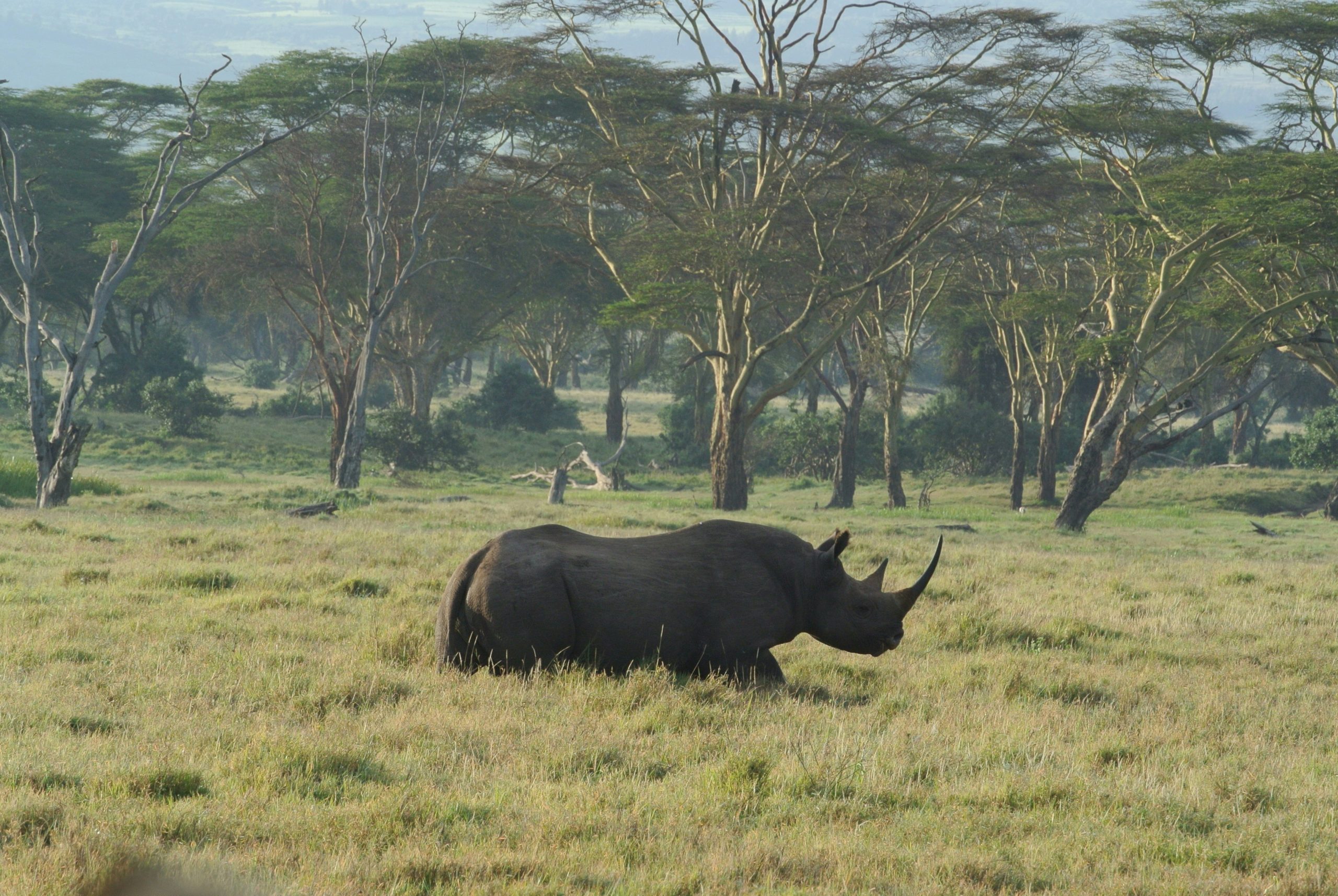
Ol Pejeta Conservancy Guide: Rhinos, Chimpanzees and the Big Five in Laikipia, Kenya
On the Laikipia Plateau, between the snow-capped peaks of Mount Kenya and the Aberdare Range, lies one of Africa’s most inspiring conservation success stories. Ol Pejeta Conservancy is a working landscape where wildlife, cattle and communities share the land, and where some of the world’s most endangered animals are protected around the clock. It is home to the largest black rhino sanctuary in East Africa, the only place in Kenya to see chimpanzees, and all of the Big Five, all within easy reach of Nairobi.
This complete guide covers Ol Pejeta’s rhinos and other wildlife, its unique activities, the best time to visit, how to get there and how to fit the conservancy into a Kenya safari.
Ol Pejeta at a Glance
- Location: Laikipia County, central Kenya, near the town of Nanyuki and right on the equator.
- Size: Around 360 square kilometres (about 90,000 acres) of savannah, woodland and riverine forest.
- Status: A private, not-for-profit wildlife conservancy. More information is available from Ol Pejeta Conservancy.
- Known for: Black rhinos, the world’s last northern white rhinos, the Sweetwaters Chimpanzee Sanctuary, the Big Five and innovative conservation.
- Distance from Nairobi: roughly three to four hours by road, or a short flight to Nanyuki.
A Model for Conservation
Ol Pejeta was once a cattle ranch. Over the decades it has been transformed into a conservancy that combines wildlife protection with livestock management, tourism and community development. Cattle graze alongside wildlife in carefully managed areas, helping to maintain healthy grasslands and generating income, while tourism revenue funds anti-poaching, research and community projects such as schools, health care and water programmes. This integrated approach has made Ol Pejeta a model for conservancies across Kenya and beyond.
Rhinos at Ol Pejeta
Black rhinos. Ol Pejeta protects the largest population of critically endangered black rhinos in East Africa. They are guarded by highly trained rangers and a specialist dog unit, and the conservancy’s success has made it a vital source population for the species. Black rhinos are browsers and prefer thicker bush, so sightings require patience, but they are regularly seen.
Southern white rhinos. Larger and more sociable, southern white rhinos graze on the open plains and are often easy to spot. Some activities allow visitors to approach them on foot with rangers, an unforgettable experience.
Northern white rhinos. Ol Pejeta has become world famous as the home of the last northern white rhinos. In 2018, Sudan, the last male of the subspecies, died at Ol Pejeta, leaving only females. As they cannot breed naturally, an international team of scientists is working on assisted reproduction techniques, using stored genetic material and southern white rhino surrogates, in a bid to save the subspecies. Visitors can learn about this extraordinary effort and, at the conservancy’s discretion, visit the enclosure where the northern whites live under constant protection.
For more rhino experiences, see our guides to Lake Nakuru National Park and Ziwa Rhino Sanctuary in Uganda.
Sweetwaters Chimpanzee Sanctuary
Chimpanzees are not native to Kenya, but Ol Pejeta is home to the Sweetwaters Chimpanzee Sanctuary, established in partnership with the Jane Goodall Institute. The sanctuary provides a lifelong home for chimpanzees rescued from the illegal pet and bushmeat trades in other parts of Africa. Visitors can watch the chimps from viewing platforms and learn about their individual stories and the threats facing wild chimpanzees. It is the only place in Kenya to see chimpanzees. To see chimpanzees in the wild, visit our guides to chimpanzee tracking in Kibale Forest, Uganda or Gombe Stream, Tanzania.
Other Wildlife
Ol Pejeta has a high density of wildlife and one of the highest predator densities in Kenya.
- The Big Five: lions, leopards, elephants, buffalo and rhinos all live in the conservancy.
- Other predators: cheetahs, spotted hyenas, black-backed jackals and serval cats, with occasional sightings of African wild dogs.
- Grevy’s zebra: an endangered zebra species with narrow stripes and large rounded ears, also found further north in Samburu.
- Plains game: reticulated giraffes, plains zebras, Jackson’s hartebeest, eland, Grant’s and Thomson’s gazelles, impala, waterbuck and oryx.
- Birds: hundreds of species, including ostriches, kori bustards, secretary birds and many raptors.
Things to Do at Ol Pejeta
Game drives. Day game drives across the conservancy offer excellent sightings of rhinos, lions, elephants and more, with Mount Kenya as a backdrop on clear mornings.
Night game drives. Unlike national parks, Ol Pejeta allows night drives, giving you a chance to see nocturnal animals such as aardvarks, porcupines, bush babies, genets, hyenas and hunting lions.
Lion tracking. Join researchers as they use radio telemetry to locate and monitor lion prides, learning about lion behaviour and conservation.
Walking with rhinos and bush walks. Guided walks with armed rangers offer a different perspective on the landscape and, at times, close encounters with white rhinos.
Meet the dog unit. Learn how the conservancy’s tracker dogs help rangers protect rhinos from poachers.
Behind-the-scenes experiences. Visit the conservancy’s research and ranger teams, the endangered species enclosure and the Morani Information Centre, which explains Ol Pejeta’s conservation work. Experiences and availability change, so check what is on offer when you book.
Cross the equator. The equator runs close to Ol Pejeta, and many visitors stop for a photograph at an equator marker near Nanyuki.
Best Time to Visit Ol Pejeta
Ol Pejeta can be visited throughout the year. The dry seasons, from late June to October and from December to February, offer the best game viewing, as animals gather near water and vegetation is thinner. The rainy seasons, roughly March to May and in November, turn the landscape green and bring fewer visitors and lower rates, though some tracks can become muddy. Thanks to its altitude, Laikipia enjoys a pleasant climate, with warm days and cool nights. See our guide to the best time to visit East Africa for more.
How to Get to Ol Pejeta
By road. The drive from Nairobi to Ol Pejeta takes around three to four hours on good roads, passing through the farmlands of central Kenya. Most visitors travel by safari vehicle with a guide.
By air. Scheduled flights connect Nairobi with Nanyuki, from where it is a short drive to the conservancy. Some camps can also be reached by charter flight.
Make sure your travel documents are in order before you go; see our guide to the Kenya eTA for tourists.
Where to Stay
Ol Pejeta has accommodation for different budgets, from luxury tented camps and comfortable lodges overlooking waterholes to self-catering cottages and campsites. Staying inside the conservancy allows you to join night drives and early-morning activities. Nanyuki, just outside, also has hotels and guesthouses.
How Much Does a Visit Cost?
Your costs will include the conservancy’s daily conservation fees, which directly fund rhino protection and community programmes, plus accommodation, transport and any paid activities such as night drives or lion tracking. Ol Pejeta can be visited on a short trip from Nairobi or as part of a longer safari. For budgeting help, see our guides to East Africa safari costs and how to choose a Kenya safari package.
Combining Ol Pejeta With a Kenya Safari
- Mount Kenya: Ol Pejeta lies at the foot of Africa’s second-highest mountain; see our guide to climbing Mount Kenya.
- Samburu and northern Kenya: continue north for dry-country wildlife and Samburu culture; our Samburu Special Five and Reteti conservation safari is a good example.
- The Rift Valley and Maasai Mara: head west to Lake Nakuru, Lake Naivasha and the Mara. Our 5-day Ol Pejeta and Lake Nakuru rhino and chimpanzee safari combines two of Kenya’s best rhino destinations.
- The Aberdares: explore highland forests and waterfalls in the Aberdare Range; see our 10-day Aberdare and Laikipia rhino conservation safari.
Tips for Visiting Ol Pejeta
- Pack warm layers: mornings and evenings on the Laikipia Plateau can be chilly.
- Book special activities, such as lion tracking or night drives, in advance, as numbers are limited.
- Bring binoculars and a zoom lens for black rhinos and predators.
- Follow ranger instructions closely on walking activities.
- Check health advice before travelling; see our guide to East Africa vaccinations and malaria.
Frequently Asked Questions
Can you see the Big Five at Ol Pejeta? Yes. Lions, leopards, elephants, buffalo and both black and white rhinos live in the conservancy.
Can I visit Ol Pejeta as a day trip from Nairobi? It is possible, but the round trip takes six to eight hours on the road. At least one night is recommended.
Can I see the northern white rhinos? Visits to the northern white rhinos are sometimes possible, depending on the conservancy’s policies at the time. Ask when booking.
Is Ol Pejeta good for families? Yes. Rhinos, chimps, short drives from Nairobi and family-friendly accommodation make it an excellent choice; see our guide to family safaris in East Africa.
Plan Your Ol Pejeta Safari
Ol Pejeta Conservancy offers more than great wildlife viewing. It gives visitors a front-row seat to some of the most important conservation work in Africa, and every visit helps protect rhinos and support local communities. Kuku Safaris can arrange your accommodation, transfers and activities and combine Ol Pejeta with Mount Kenya, Samburu, Lake Nakuru and the Maasai Mara. Get in touch to start planning your Laikipia safari.