
Volcanoes National Park Rwanda: The Complete Guide Beyond Gorilla Trekking
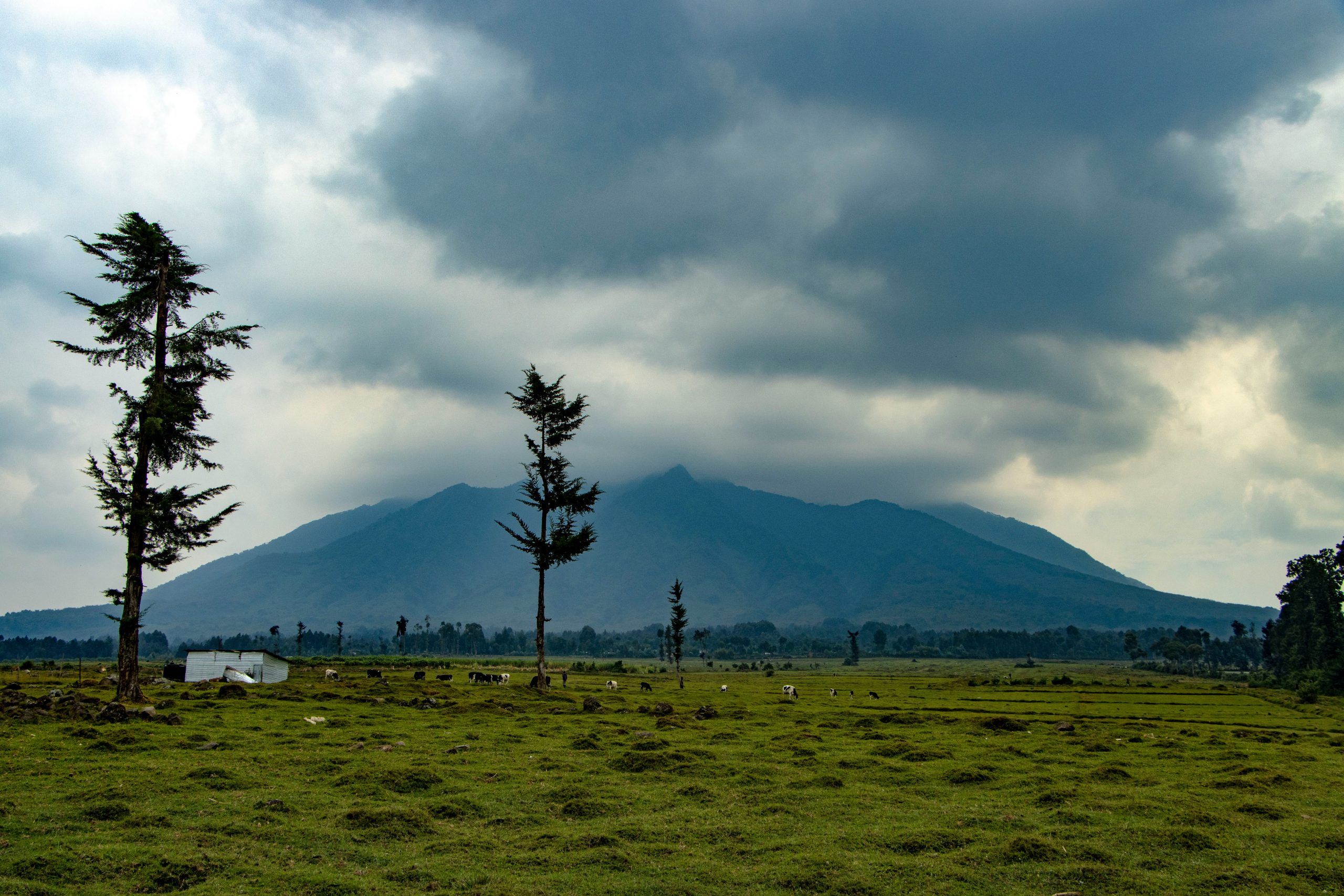
In the far north-west of Rwanda, a chain of mist-wrapped volcanoes rises above a patchwork of farms and villages. Their bamboo-covered slopes and cloud forests shelter some of the most famous animals on Earth: the mountain gorillas made known to the world by Dian Fossey. Volcanoes National Park, known in French as Parc National des Volcans, is the heart of Rwanda’s tourism and one of the best places in Africa to come face to face with gorillas in the wild. But there is much more to the park than gorillas, from golden monkeys and crater lakes to volcano summits and the story of one of conservation’s great pioneers.
This complete guide covers everything you can do in and around Volcanoes National Park, the best time to visit, where to stay, how to get there and how to plan your trip.
Volcanoes National Park at a Glance
- Location: Musanze District, north-western Rwanda, on the borders with Uganda and the Democratic Republic of the Congo.
- Size: Around 160 square kilometres, part of the larger Virunga Massif shared with Uganda’s Mgahinga Gorilla National Park and the DRC’s Virunga National Park.
- History: First protected in 1925 as part of Albert National Park, Africa’s first national park.
- Known for: Mountain gorillas, golden monkeys, Dian Fossey’s research station and five of the eight Virunga volcanoes.
- Managed by: the Rwanda Development Board. Official information is available from Visit Rwanda.
The Five Volcanoes
Volcanoes National Park protects the Rwandan slopes of five dormant volcanoes in the Virunga chain:
- Karisimbi (4,507 m): the highest of the Virunga volcanoes, often capped with hail or frost.
- Muhabura (4,127 m): a near-perfect cone on the Uganda border; its name means “the guide”.
- Bisoke (3,711 m): famous for the crater lake at its summit.
- Sabyinyo (3,669 m): a jagged, ancient volcano where Rwanda, Uganda and the DRC meet.
- Gahinga (3,474 m): the smallest of the five, shared with Uganda.
The slopes rise through farmland, bamboo forest, montane forest and Hagenia-Hypericum woodland draped in moss, up to subalpine vegetation with giant lobelias and groundsels near the summits.
Mountain Gorilla Trekking
Gorilla trekking is the main reason most people visit Volcanoes National Park. The park is home to a number of habituated gorilla families that can be visited by small groups of trekkers each day. The day begins with a briefing at the park headquarters in Kinigi early in the morning, where trekkers are assigned to a gorilla family based partly on fitness and preference. You then drive to the trailhead and hike with expert guides and trackers through farmland and into the forest.
Treks can take anywhere from under an hour to several hours, depending on where the gorillas are. Once the family is found, you spend one magical hour with them, watching silverbacks, mothers, juveniles and infants feed, play and rest just metres away. It is one of the most moving wildlife encounters on the planet.
Permits must be booked in advance and are in high demand, especially in the dry seasons. Read our guide to the Rwanda gorilla permit cost, and if you are deciding between countries, see our Rwanda or Uganda for gorillas decision guide. First-time trekkers will find useful advice in our gorilla trekking guide for first-timers, much of which applies in Rwanda too.
Golden Monkey Trekking
The golden monkey is an endangered primate found only in the Albertine Rift, with a striking orange-gold coat. Habituated troops live in the bamboo forests of the park, and trekking to see them is a lively, playful contrast to the calm of the gorillas. Treks are usually shorter and less strenuous, making them suitable for a wider range of fitness levels. See our full guide to golden monkey trekking in Rwanda.
Hike to Dian Fossey’s Tomb
In 1967, the American primatologist Dian Fossey founded the Karisoke Research Center in the saddle between Mount Karisimbi and Mount Bisoke. She studied and defended the mountain gorillas for almost two decades until she was murdered in 1985. She is buried at the research site, alongside many of the gorillas she knew, including her beloved Digit.
A guided hike leads up through farmland and forest to the remains of the research camp and Fossey’s grave. The hike is steep and can be muddy, but it is a moving journey for anyone inspired by her work, and you may encounter forest elephants’ tracks, buffalo signs or even gorillas on the way. Read more in our article on Dian Fossey’s legacy and the mountain gorillas, and learn about the organisation that continues her work at the Dian Fossey Gorilla Fund, whose Ellen DeGeneres Campus near the park is a centre for research and education with an interactive museum open to visitors.
Volcano Hikes
Mount Bisoke. The Bisoke hike is one of the most popular day hikes in Rwanda. The steep trail climbs through bamboo and Hagenia forest to the summit, where a beautiful crater lake sits in a bowl of green slopes. The round trip usually takes around six hours, and the trail can be very muddy, so good boots and gaiters are essential.
Mount Karisimbi. Climbing Rwanda’s highest point is a tough two-day trek with an overnight camp on the mountain. Conditions near the summit can be cold, wet and windy, but the views across the Virunga chain and into the DRC on a clear day are spectacular.
Mount Muhabura and Gahinga. These volcanoes can also be climbed, more commonly from the Ugandan side; see our guide to Mgahinga Gorilla National Park.
Other Things to Do Around the Park
Musanze Caves. These lava tube caves, formed by ancient volcanic eruptions, stretch for around two kilometres and can be explored on a guided walk.
The Twin Lakes: Burera and Ruhondo. A short drive from Musanze, these two lakes are set among terraced hills with views of the volcanoes. Boat trips, kayaking and walks offer peaceful scenery and a glimpse of rural life.
Cultural experiences. Community-based cultural visits around Kinigi introduce traditional dance, music, crafts, banana beer making and the Intore warrior dance. Many experiences are run by former poachers who now earn a living from tourism.
Community walks and cycling. Guided village walks and cycling routes, including parts of the Congo Nile Trail towards Lake Kivu, offer a deeper look at local life; see our Congo Nile Trail hiking and cycling adventure.
Birdwatching. The park is home to many Albertine Rift endemic birds, including the Rwenzori turaco, Rwenzori double-collared sunbird and handsome francolin.
Conservation Success
Mountain gorillas were once on the brink of extinction. Thanks to decades of protection, community involvement and carefully managed tourism across the Virunga Massif and Bwindi, their numbers have grown steadily, and the species’ status was improved from critically endangered to endangered in 2018. In Rwanda, a share of gorilla tourism revenue goes to communities around the park, funding schools, health centres and other projects, giving local people a direct stake in the gorillas’ survival. Rwanda has also announced plans to expand the park to give gorillas and other wildlife more room to thrive.
Best Time to Visit Volcanoes National Park
Gorilla trekking is possible all year round. The dry seasons, from June to September and from December to February, are the most popular, as trails are drier and easier to hike. The wet seasons, from March to May and October to November, bring heavy rain and muddy trails, but the forest is lush, there are fewer visitors and some lodges offer lower rates. Because of the altitude, it can rain at any time of year, so always pack waterproof gear. See our guide to the best time to visit East Africa.
How to Get There
Volcanoes National Park is around two and a half to three hours’ drive from Kigali on good, scenic roads. Most visitors arrive the day before their trek, as the briefing starts early in the morning. Helicopter transfers are also available for those short on time. Start your trip with a day in the capital using our Kigali city guide, and check your visa requirements with our guide to the East Africa Tourist Visa.
Where to Stay
Accommodation around the park ranges from budget guesthouses in Musanze town to comfortable mid-range lodges near Kinigi and some of Africa’s most exclusive luxury lodges, with fireplaces, views of the volcanoes and exceptional service. Staying close to the park headquarters in Kinigi makes the early-morning start easier.
What to Pack
- Waterproof hiking boots with good grip, plus gaiters.
- A waterproof jacket and quick-drying trousers.
- Long sleeves and gardening gloves to protect against nettles.
- Warm layers for cold mornings and evenings.
- A daypack with water, snacks and a rain cover for your camera.
Porters are available at the trailheads to carry bags and help on steep sections. Hiring one is highly recommended, as it provides valuable income for local families.
Gorilla Trekking Rules
- Trekkers must be at least 15 years old.
- Keep a distance of at least seven metres from the gorillas, and follow your guide’s instructions.
- Do not trek if you are ill, as gorillas are vulnerable to human diseases.
- Do not use flash photography, eat or drink near the gorillas.
- Keep your voice low and stay with your group.
Sample Itinerary
- Day 1: Arrive in Kigali, visit the Kigali Genocide Memorial and drive to Musanze.
- Day 2: Gorilla trekking, followed by a cultural visit in the afternoon.
- Day 3: Golden monkey trekking in the morning and a boat trip on the Twin Lakes.
- Day 4: Hike to Dian Fossey’s tomb or Mount Bisoke, then continue to Lake Kivu or return to Kigali.
Extend your trip with chimpanzees in Nyungwe Forest and the Big Five in Akagera National Park. Our guide to choosing a Rwanda safari package will help you decide.
More Rwanda Gorilla Guides and Itineraries
- Rwanda gorilla permit guide
- Best lodges near Volcanoes National Park
- Rwanda vs Uganda: which is better for gorilla trekking?
- Uganda vs Rwanda vs DRC: choosing your gorilla trek
- The express Rwanda gorilla trek
- 2-day gorilla experience in Rwanda
- 3-day Rwanda golden monkey and gorilla safari
- 4-day Rwanda gorilla and golden monkey trek
Ready to plan your trek? Read our step-by-step guide on how to book a safari with Kuku Safaris.
Frequently Asked Questions
How fit do I need to be for gorilla trekking? A reasonable level of fitness is needed, as treks can be steep, muddy and at altitude. Guides try to match groups to fitness levels, and porters can help.
Can I see gorillas without a permit? No. All gorilla treks require a permit booked in advance.
How many days should I spend in Volcanoes National Park? Two to three nights allows time for gorillas, golden monkeys and a hike or cultural visit.
Is it worth visiting if I can’t afford a gorilla permit? Yes. Golden monkey trekking, volcano hikes, Dian Fossey’s tomb, caves, lakes and cultural visits all make for a rewarding stay.
Plan Your Visit
Volcanoes National Park offers some of the most profound wildlife experiences in the world, set among dramatic volcanic scenery and welcoming communities. Kuku Safaris can secure your gorilla permits, arrange accommodation and transfers, and build a Rwanda itinerary that includes golden monkeys, hikes, Lake Kivu, Nyungwe and Akagera. See our gorilla trekking packages in Uganda and Rwanda, then get in touch to start planning.