
Fort Portal Crater Lakes Guide: Uganda’s Most Scenic Region Near Kibale
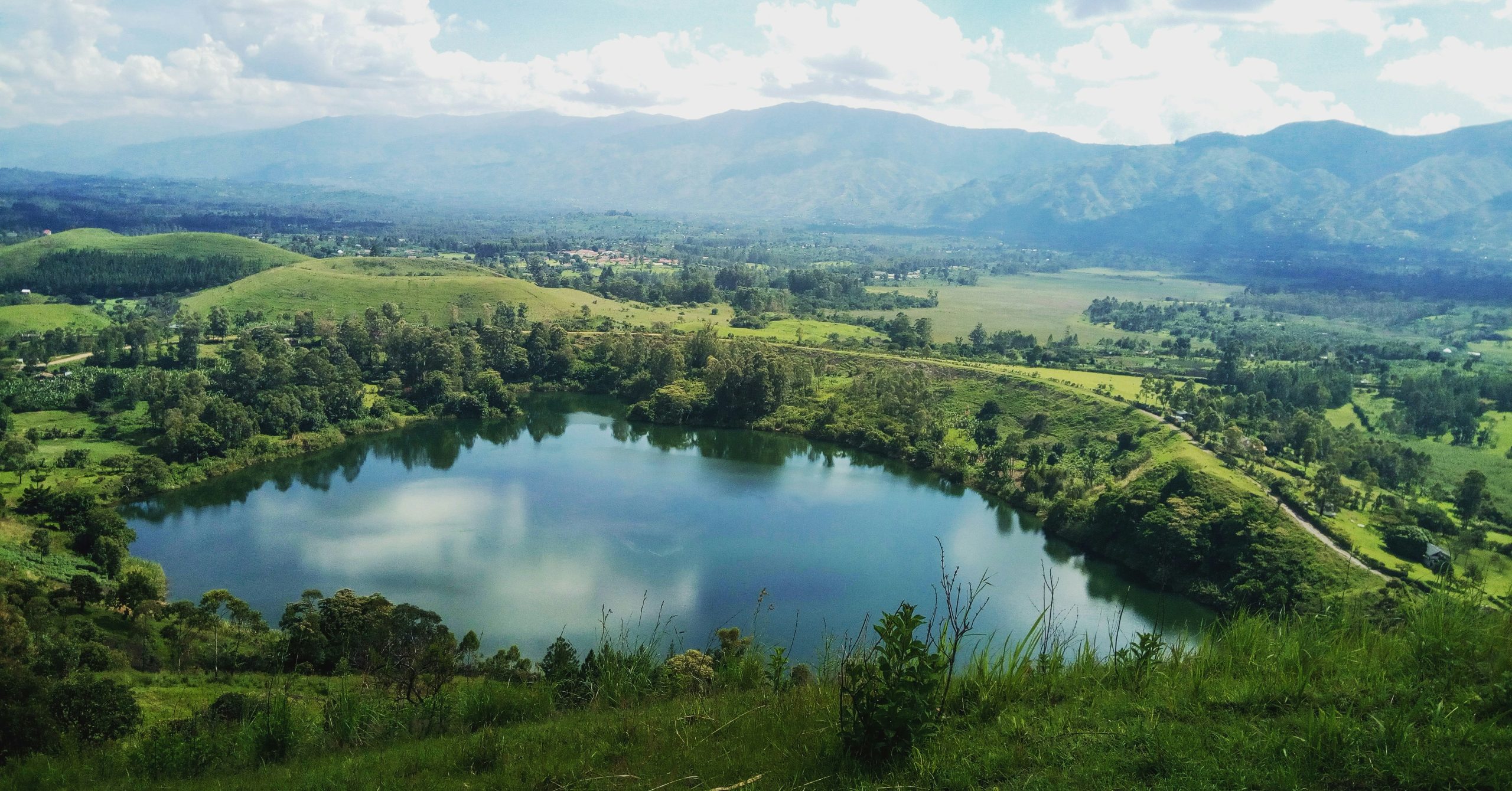
Western Uganda is famous for chimpanzees in Kibale Forest, but many visitors fall in love with the landscapes around the town of Fort Portal just as much. Scattered across the rolling hills south of the town lie dozens of volcanic crater lakes, some deep blue, some green, some ringed by forest and others by banana plantations and tea estates, all beneath the jagged outline of the Rwenzori Mountains. It is one of the most beautiful and peaceful corners of East Africa, perfect for walking, cycling, birding, swimming and simply relaxing between safari activities.
This complete guide covers the best crater lakes and viewpoints, things to do around Fort Portal, the town’s culture and history, where to stay and how to combine the region with Kibale and the rest of Uganda.
The Region at a Glance
- Location: Western Uganda, around Fort Portal, between Kibale Forest National Park and the Rwenzori Mountains.
- Crater lakes: More than 50 crater lakes are found in the region, grouped into several fields, the most visited being the Ndali-Kasenda area south of Fort Portal.
- Altitude: Around 1,500 metres, giving a mild, pleasant climate.
- Known for: Crater lakes, tea plantations, the Tooro Kingdom, waterfalls, birdlife and views of the Rwenzoris.
How the Crater Lakes Formed
The crater lakes lie within the western arm of the East African Rift, known as the Albertine Rift. Thousands of years ago, volcanic activity in the region produced powerful explosions as rising magma met groundwater. These explosions blasted out circular craters known as maars, which later filled with rain and groundwater to form lakes. Many are surprisingly deep relative to their size, with steep, forested sides. The fertile volcanic soils around them support lush farms and plantations.
Best Crater Lakes and Viewpoints
Top of the World viewpoint. In the Ndali-Kasenda area, a hilltop viewpoint known as the “Top of the World” offers views over several crater lakes at once, with the Rwenzoris on the horizon on clear days. A short hike from the road leads to the summit, and local guides can lead longer walks between the lakes.
Lake Nkuruba. A small, forest-ringed lake protected by a community nature reserve. Black-and-white colobus, red-tailed monkeys and vervets live in the forest around the lake, and it is a pleasant place for a walk or overnight stay. The community uses tourism income to support local projects.
Lake Nyinambuga and Lake Nyabikere. Lake Nyinambuga is overlooked by a well-known lodge on a ridge, offering one of the most photographed crater lake views in Uganda. Lake Nyabikere, near the road to Kibale, is known as the “lake of frogs” and is good for birding walks.
Lake Kyaninga and Lake Saaka. Closer to Fort Portal town, these lakes are popular for scenic walks, swimming and relaxing, with lodges nearby.
Other lakes in the area, such as Lake Lyantonde and Lake Nyamirima, can be discovered on guided walks or cycling routes through the villages.
Things to Do
Crater lake hikes. Guided walks connect several lakes, passing through farmland, small villages and patches of forest. Walks range from an hour to a full day.
Cycling. Bike tours follow quiet rural roads between the lakes, a fun way to cover more ground and meet local people.
Swimming and canoeing. Some of the crater lakes are considered suitable for swimming, and a few lodges have canoes. Always ask locally before swimming.
Amabere Caves. North-west of Fort Portal, the Amabere ga Nyinamwiru caves feature limestone formations resembling breasts, linked to a legend about a Tooro princess. A waterfall and short trails nearby make for a pleasant half-day trip.
Tea plantation tours. The hills around Fort Portal are covered in bright green tea estates. Visits explain how tea is grown, picked and processed. For a wider food and drink experience, see our East Africa coffee, tea and culinary heritage trail.
Birdwatching. The mix of lakes, forest and farmland supports a wide variety of birds, from hornbills and turacos to kingfishers and sunbirds.
Fort Portal and the Tooro Kingdom
Fort Portal is the capital of the Tooro Kingdom, one of Uganda’s traditional kingdoms. The town takes its name from a British fort built in the 1890s and named after Sir Gerald Portal, a British colonial official. On a hill overlooking the town stands the Karuziika, the royal palace of the Omukama (king) of Tooro. The town is known for its relaxed atmosphere, tree-lined streets, markets and cafés, and makes a pleasant base for exploring the region. See our guide to cultural tourism in Uganda.
Nearby Attractions
- Kibale Forest National Park: Uganda’s top chimpanzee tracking destination, just south of the crater lakes; see our Kibale guide.
- Bigodi Wetland Sanctuary: a community-run swamp walk rich in primates and birds; see our Bigodi guide.
- Semuliki National Park: hot springs and Congo Basin forest to the west; see our Semuliki guide.
- Rwenzori Mountains: for trekking in the “Mountains of the Moon”; see our Rwenzori hiking guide.
- Queen Elizabeth National Park: a few hours south, with game drives and the Kazinga Channel; see our Queen Elizabeth guide.
Best Time to Visit
The crater lakes region can be visited year-round. The drier months, from June to August and December to February, offer the clearest views of the Rwenzoris and easier walking. The rainy seasons, from March to May and September to November, bring lush green scenery and fewer visitors, with rain usually falling in afternoon showers. See our guide to the best time to visit Uganda.
How to Get There
Fort Portal is roughly five to six hours by road from Kampala on a good tarmac highway, or a short domestic flight to the nearby airstrip. The Ndali-Kasenda crater lakes are about 30 to 45 minutes’ drive south of town, on the way to Kibale and Queen Elizabeth National Park.
Where to Stay
Accommodation ranges from simple community guesthouses and campsites on the lakeshores to comfortable eco-lodges and upmarket lodges with panoramic views over the lakes. Staying at the crater lakes rather than in town gives you peaceful surroundings and easy access to Kibale for chimpanzee tracking.
Sample Itinerary
- Day 1: Drive from Kampala to Fort Portal and check into a crater lake lodge.
- Day 2: Morning chimpanzee tracking in Kibale, afternoon Bigodi swamp walk.
- Day 3: Crater lakes hike to the Top of the World viewpoint and Lake Nkuruba, then visit Fort Portal town or the Amabere Caves.
- Day 4: Continue to Queen Elizabeth National Park or Semuliki.
For longer trips, see our 10-day Uganda safari itinerary and our Semuliki rainforest, hot springs and crater lakes expedition.
Frequently Asked Questions
How many crater lakes are there near Fort Portal? More than 50 crater lakes are scattered across the region, in several groups.
Can you swim in the crater lakes? Some lakes are commonly used for swimming, but always check with your lodge or guide first.
How many days should I spend in the crater lakes area? Two to three nights allows time for chimp tracking, a swamp walk and a crater lakes hike.
Is the area good for families? Yes. Gentle walks, monkeys and safe, quiet lodges make it ideal for families; see our guide to family safaris.
Plan Your Visit
With its glittering lakes, green hills and mountain views, the Fort Portal crater lakes region is one of Uganda’s most rewarding places to slow down. Kuku Safaris can arrange lodges, guides and activities, and combine the crater lakes with Kibale, Semuliki, the Rwenzoris and gorilla trekking. For official destination information, visit the Uganda Tourism Board, then get in touch to start planning.