
Ngamba Island Chimpanzee Sanctuary: A Complete Visitor’s Guide
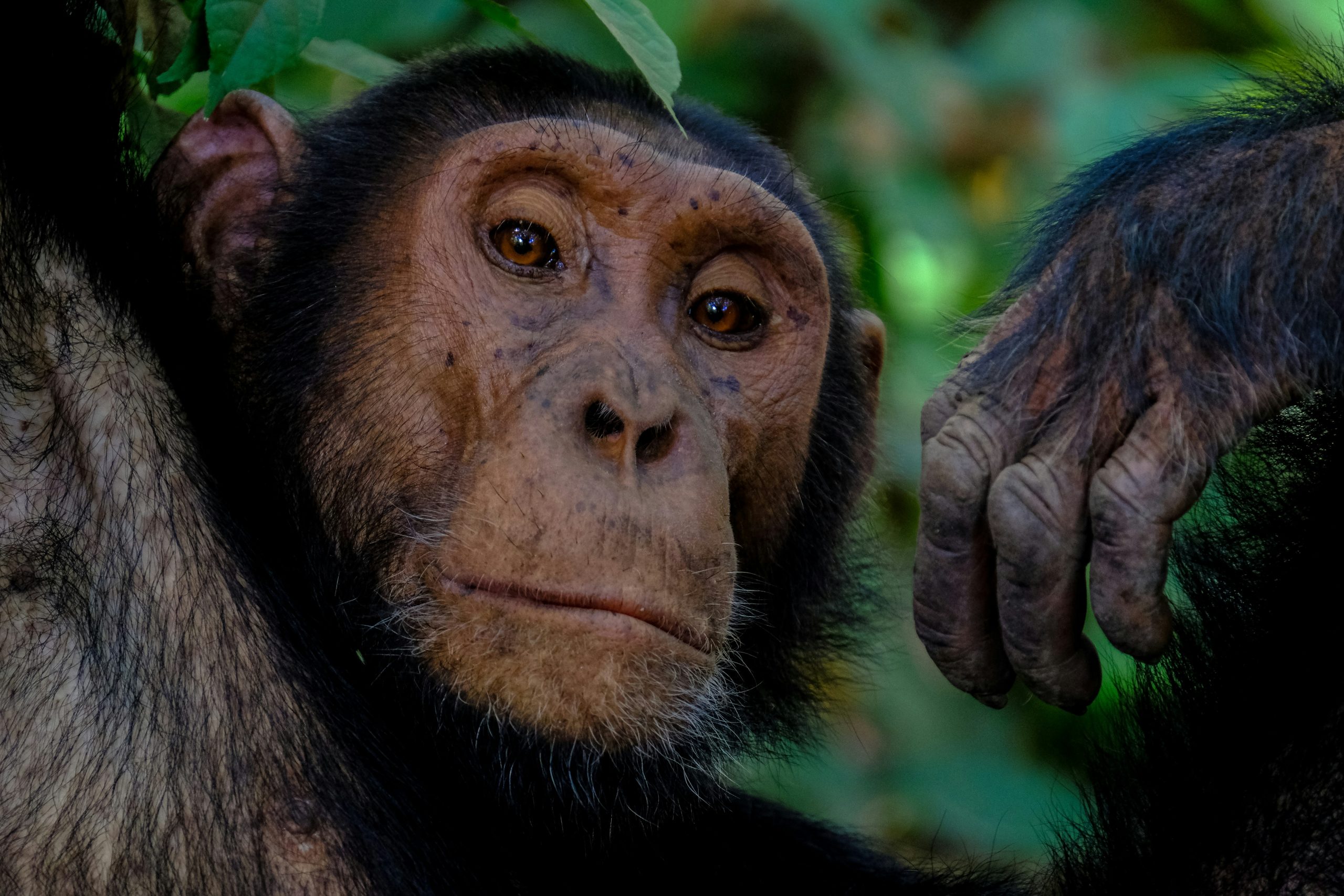
Just a boat ride from Entebbe, on a forested island in the waters of Lake Victoria, lives a community of chimpanzees with remarkable stories. Each was rescued, many as infants orphaned by the illegal bushmeat and pet trade, and given a second chance at Ngamba Island Chimpanzee Sanctuary. Today they live in a large area of protected forest on the island, cared for by a dedicated team. Visiting Ngamba is a moving and memorable experience, offering close views of chimpanzees, insights into conservation and a beautiful trip on Africa’s largest lake.
This guide explains the sanctuary’s story, what you can do there, how to get there, overnight options and how a visit fits into a wider Uganda safari. It is especially useful for travellers with limited time, families with younger children and anyone arriving or departing from Entebbe.
The Story of Ngamba Island
Ngamba Island Chimpanzee Sanctuary was established in 1998 by the Chimpanzee Sanctuary and Wildlife Conservation Trust, a partnership of conservation organisations, to provide a home for orphaned chimpanzees confiscated from poachers and illegal traders. Many of these chimpanzees were taken from the wild as infants after their mothers were killed, and could not survive on their own. The island, around 40 hectares in size, is mostly covered in tropical forest, where the chimpanzees roam freely during the day. A small area near the visitor centre houses staff and facilities.
Today, the sanctuary is home to around 50 chimpanzees, each with its own name, personality and history. Because they cannot be released into the wild, the sanctuary provides lifelong care, including veterinary treatment, supplementary food and enrichment. Alongside its care work, the trust runs education programmes and supports conservation efforts to protect wild chimpanzees and their habitats.
Why Visit Ngamba Island?
- Guaranteed chimpanzee viewing: unlike tracking wild chimpanzees, you are virtually certain to see chimps, especially at feeding times.
- Close to Entebbe: an easy half-day trip from the airport area, perfect for the first or last day of a safari.
- Suitable for children: unlike wild chimpanzee tracking, which has age restrictions, children can visit the sanctuary.
- Learn about conservation: discover the threats chimpanzees face and how they are being addressed.
- Lake Victoria: enjoy a scenic boat ride, fishing villages and birdlife.
What to Expect on a Day Trip
Most visitors take a half-day trip from Entebbe. After a boat ride across Lake Victoria, you arrive at the island’s jetty and are welcomed by sanctuary staff. A short briefing introduces the sanctuary and its residents. The highlight is watching the chimpanzees emerge from the forest at feeding time, when caregivers distribute fruit and vegetables from a raised viewing platform. The chimpanzees gather along the forest edge, and you can watch their social interactions, squabbles, playful antics and distinct personalities from close range. Staff share stories about individual chimpanzees and explain their behaviour.
You may also visit the education centre, learn about the sanctuary’s veterinary and care work, and spot birds and other wildlife on the island and lakeshore. Feeding times are scheduled, and boat trips are timed so visitors arrive for them. Your safari company will confirm current timings.
Getting to Ngamba Island
Ngamba Island lies about 23 kilometres south-east of Entebbe in Lake Victoria. Boats depart from Entebbe, and there are usually two options: a faster speedboat taking around 45 minutes, or a slower, more traditional motorboat taking longer, which can be more economical for groups. The crossing is scenic, with views of Lake Victoria’s islands, fishermen in wooden boats and birds such as cormorants, kingfishers and African fish eagles. Lake conditions vary, and the water can be choppy in the afternoons, so bring a light jacket and secure your belongings.
Overnight Stays on the Island
For a more immersive experience, you can stay overnight on Ngamba Island in comfortable tented accommodation. Staying overnight allows you to watch the chimpanzees at different feeding times, enjoy the peace of the island after day visitors leave, watch the sun set and rise over Lake Victoria, and take part in additional activities. It is a special experience, particularly for primate enthusiasts and photographers. Accommodation is limited, so book in advance.
Caregiver and Forest Experiences
The sanctuary offers special experiences for visitors who want to learn more. As a caregiver for a day, you can join the staff as they prepare food, clean enclosures and care for the chimpanzees, gaining an insight into the dedication required. Some experiences may allow supervised forest walks with younger chimpanzees, subject to strict health requirements and age limits. These experiences have specific conditions, including vaccination requirements and minimum ages, and must be booked in advance. Ask your safari company or the sanctuary for current options and requirements.
Health Rules
Chimpanzees are susceptible to many human diseases, so the sanctuary has health rules to protect them. Visitors who are unwell, particularly with colds, flu or other infections, should not visit. Those taking part in close-contact experiences may need to show proof of certain vaccinations and recent health tests. Always follow staff instructions, keep your distance where required and never try to touch or feed the chimpanzees yourself.
Ngamba Island vs Wild Chimpanzee Tracking
Ngamba Island and wild chimpanzee tracking offer very different experiences. At Ngamba, you see rescued chimpanzees that live in a protected sanctuary, with guaranteed sightings, easy access and suitability for children. In Kibale Forest, Budongo, Kyambura Gorge or Kalinzu, you track truly wild chimpanzees in their natural habitat, which is more adventurous and authentic but requires walking through the forest and has a minimum age, generally 12. Many travellers enjoy both: Ngamba at the start or end of their trip near Entebbe, and wild chimpanzees during their safari. Read our guides to where to see chimpanzees in Uganda and chimpanzee tracking in Kibale.
Best Time to Visit
Ngamba Island can be visited year-round. The drier months offer calmer conditions on the lake, while the rainy seasons can bring afternoon storms and choppy water, so morning trips are often best. The sanctuary is a perfect activity for your first day in Uganda, when you are recovering from your flight, or for your last day before an evening departure from Entebbe. See our guide to the best time to visit Uganda.
What to Bring
- Sunscreen, sunglasses and a hat: the sun on the lake is strong.
- A light waterproof jacket for the boat ride.
- A camera with a zoom lens.
- Insect repellent.
- A dry bag or plastic cover for electronics.
- Comfortable shoes.
Other Things to Do Near Entebbe
- Mabamba Swamp: search for the shoebill by canoe; see our shoebill guide.
- Uganda Wildlife Conservation Education Centre: see many of Uganda’s animals up close.
- Entebbe Botanical Gardens: a peaceful place for birdwatching and walks.
- Kampala city tour: markets, cultural sites and lively streets; see our Kampala guide.
- Ssese Islands: relax on Lake Victoria’s beaches; see our Ssese Islands guide.
Read our Entebbe travel guide.
Supporting Chimpanzee Conservation
Visiting Ngamba Island directly supports the care of its chimpanzees and the trust’s conservation and education work. Wild chimpanzees in Uganda face threats from habitat loss, snares set for other animals, disease and the illegal wildlife trade. You can also help by choosing responsible tourism operators, never buying wildlife products, supporting reputable conservation organisations and spreading awareness of the threats chimpanzees face. Read our guide to eco-tourism in Uganda.
Why Chimpanzees End Up in Sanctuaries
Most of the chimpanzees at Ngamba arrived as infants, rescued from poachers, traffickers or people keeping them illegally as pets. In parts of Africa, chimpanzees are hunted for bushmeat, and infants are sometimes captured and sold after their mothers have been killed. Others are injured in snares set for other animals, or displaced when their forest is cleared. A rescued infant chimpanzee cannot simply be returned to the wild: it lacks the skills it would have learned from its mother and community, and wild chimpanzees may reject or attack unfamiliar individuals. Sanctuaries such as Ngamba provide these orphans with a safe home, the company of other chimpanzees and expert care for life. They also play an important role in enforcing wildlife laws, as authorities need somewhere to place confiscated animals.
Life on the Island
Ngamba’s chimpanzees spend their days roaming the island’s forest, foraging for wild foods, socialising and resting, much as wild chimpanzees do. They return to a holding facility in the evening, where they sleep in safety. Caregivers provide supplementary meals of fruit and vegetables at set times, which is when visitors can see them most easily. The chimpanzees form a complex society, with dominant individuals, alliances, friendships and rivalries. Caregivers know each chimpanzee intimately and can tell you about their personalities, their arrival stories and their relationships with each other. Spending time listening to these stories makes the visit especially meaningful.
Education and Community Work
Beyond caring for its chimpanzees, the sanctuary’s work includes environmental education for schools and communities, helping young Ugandans understand the importance of protecting chimpanzees and forests. Conservation partners also support research, community projects and efforts to reduce threats to wild chimpanzees, such as snares and habitat loss. Visitors contribute to this work through their fees, and many choose to make additional donations or adopt a chimpanzee through the sanctuary’s programmes.
Sample Day Itinerary
Morning: After breakfast at your Entebbe hotel, transfer to the departure point on the shores of Lake Victoria and board your boat to Ngamba Island. Enjoy the crossing, watching for fishermen and water birds. Late morning: Arrive at the island, receive a briefing and watch the chimpanzees at feeding time from the viewing platform. Visit the education centre and learn about the sanctuary’s work. Early afternoon: Return to Entebbe for lunch, then relax, visit the Entebbe Botanical Gardens or begin your journey on safari. If you are departing Uganda, a morning visit to Ngamba fits neatly before an evening flight.
Photography Tips
A zoom lens of 70–300mm or 100–400mm is ideal for photographing chimpanzees from the viewing platform. Feeding time offers great opportunities to capture expressions, interactions and behaviour. The light can be bright around midday, so look for chimpanzees in shade for more even exposures. On the boat ride, keep your camera protected from spray. Read our primate photography tips.
Who Should Visit Ngamba Island?
Ngamba Island is ideal for travellers with a spare morning or afternoon in Entebbe, families with children too young for wild chimpanzee tracking, travellers with limited mobility who cannot manage long forest walks, and anyone who wants to learn more about chimpanzee conservation. It is also a wonderful complement to wild chimpanzee tracking in Kibale, offering a different perspective on these remarkable apes and the threats they face. Photographers appreciate the chance to observe chimpanzee behaviour and expressions at close range, while conservation-minded travellers value the opportunity to support the sanctuary’s work directly. Whatever your reason for visiting, the combination of a beautiful lake crossing and close encounters with chimpanzees makes for a memorable day.
Good to know: book your Ngamba visit through your safari company or the sanctuary in advance, especially for overnight stays and special experiences, as places are limited.
Frequently Asked Questions
Are the chimpanzees on Ngamba wild? They are rescued chimpanzees living in a protected sanctuary forest. They cannot be returned to the wild but live as naturally as possible.
How long does a visit take? A day trip from Entebbe typically takes around four to five hours, including boat transfers.
Can children visit? Yes. Ngamba is a great option for families with younger children who are too young for wild chimpanzee tracking.
Can I touch the chimpanzees? No, except within special supervised experiences that have strict health requirements.
Is it worth visiting if I am tracking wild chimpanzees? Yes. It offers a different perspective and helps you understand the threats facing chimpanzees.
Book Your Visit
Kuku Safaris can arrange Ngamba Island day trips and overnight stays, often combined with Entebbe hotels and the start or end of your safari. Read our guide to primate safaris in East Africa, visit the Uganda Tourism Board and see how to book with Kuku Safaris.