
Kazinga Channel Boat Cruise: Uganda’s Best Wildlife Boat Safari
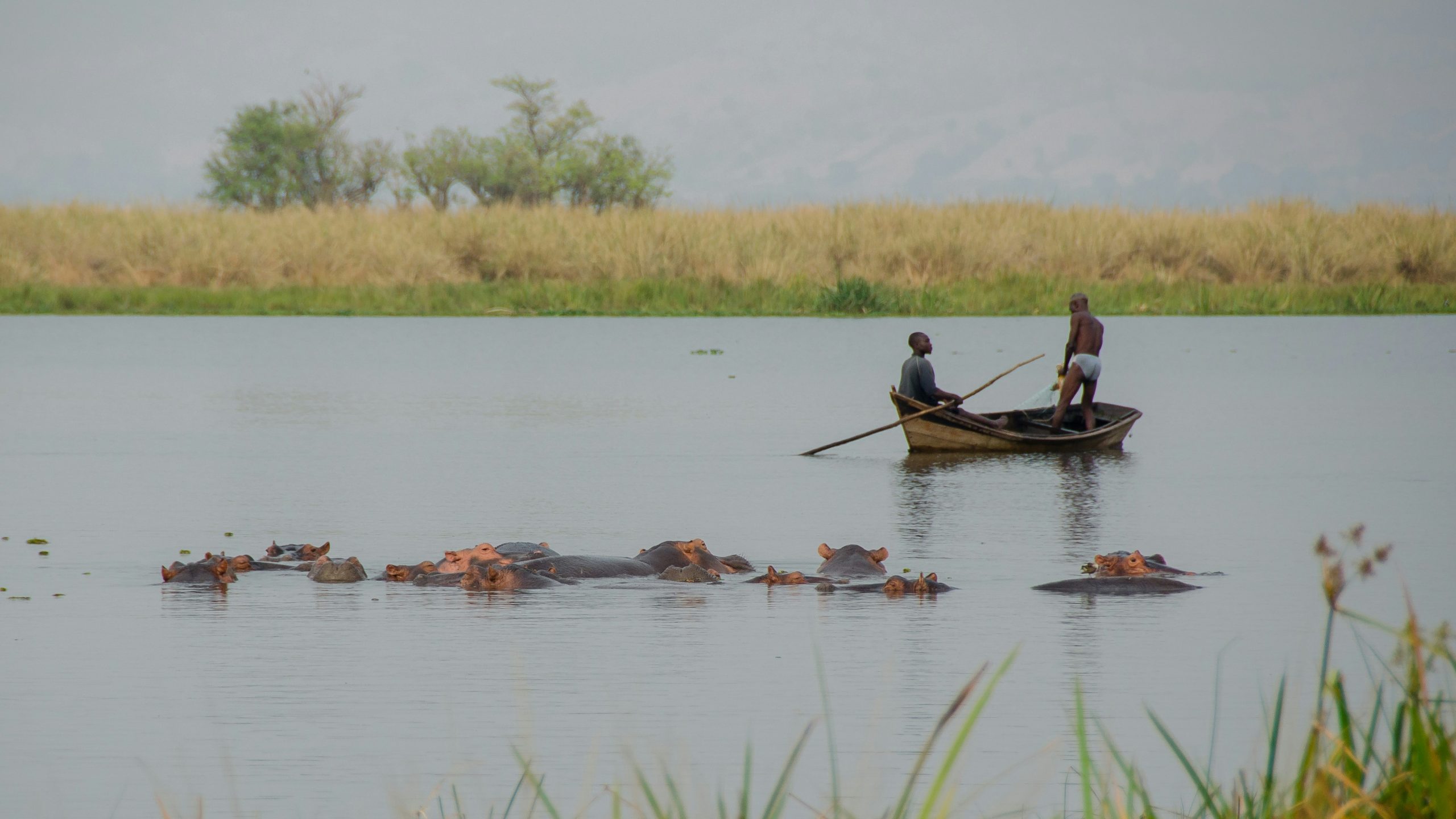
Ask anyone who has been on safari in Uganda about their highlights, and the Kazinga Channel boat cruise is almost always on the list. For around two hours, you glide along a natural waterway in Queen Elizabeth National Park, surrounded by more hippos than you can count, elephants and buffalo drinking and bathing at the water’s edge, enormous Nile crocodiles basking on the banks and an extraordinary variety of birds. It is one of the most rewarding and relaxing wildlife experiences in East Africa.
This guide explains what makes the Kazinga Channel special, what wildlife you can expect to see, how the cruise works, public and private options, the best time to go and tips for photography.
What Is the Kazinga Channel?
The Kazinga Channel is a natural channel around 32 kilometres long, linking Lake George in the east with Lake Edward in the west. It runs through the heart of Queen Elizabeth National Park, providing a year-round source of water in the savannah. As a result, its banks attract huge numbers of animals, particularly during the dry season, when water elsewhere is scarce. The channel is also home to fishing communities, whose wooden boats add to the scene.
Read our full Queen Elizabeth National Park safari guide.
Wildlife on the Kazinga Channel
- Hippos: the channel has one of the highest concentrations of hippos in Africa, often in large pods grunting and yawning close to the boat.
- Elephants: family herds come down to drink, bathe and play in the water, especially in the afternoon.
- Buffalo: large herds wallow in the shallows and mud.
- Nile crocodiles: often seen basking on the banks with their mouths open.
- Other mammals: waterbuck, Uganda kob, warthogs and, occasionally, lions and leopards near the shore.
- Monitor lizards: large Nile monitors along the banks.
Birds on the Kazinga Channel
The channel is a paradise for birdwatchers, with dozens of species often recorded on a single cruise. Look for African fish eagles, pied and malachite kingfishers, great white and pink-backed pelicans, cormorants, African skimmers, saddle-billed storks, yellow-billed storks, goliath herons, African spoonbills, sacred ibises, gulls, terns and many waders. Some sandbanks and cliffs host large nesting colonies. Migratory species add variety between November and April. Read our guide to birdwatching in Uganda.
How the Cruise Works
Most cruises depart from the Mweya Peninsula, on the northern shore of the channel, where a jetty serves both the Uganda Wildlife Authority’s launch and private operators. Cruises usually last around two hours, travelling along the channel towards Lake Edward and back, with a knowledgeable guide pointing out wildlife and explaining the ecosystem. Boats keep a safe distance from animals but often get remarkably close to hippos, elephants and birds on the banks.
Several departures operate daily, usually in the morning and afternoon. Afternoon cruises are especially popular because many animals come to the water to drink and cool off in the heat of the day, and the light is beautiful later in the afternoon. Your guide or lodge will confirm current departure times and book your place.
Public vs Private Cruises
Shared cruises operate on larger boats with a mix of travellers, and are the most affordable option. They have upper and lower decks and a guide who provides commentary. They can be busy in peak season, so arrive early to secure a good seat.
Private cruises use smaller boats chartered for your group, giving you control over the pace and route, more space for photography and a more personal experience. Some lodges offer their own boats, and private operators run cruises with drinks and snacks on board. A private cruise is a wonderful choice for photographers, honeymooners and families. Read our guide to exclusive luxury experiences in Uganda.
Best Time for the Kazinga Channel Cruise
The cruise runs year-round. The dry seasons, June to September and December to February, are particularly good, as animals concentrate around the channel. During the wetter months, wildlife disperses more widely, but the scenery is green and birdlife is excellent. Afternoon cruises generally offer the most animal activity at the water’s edge. See our guide to the best time to visit Uganda.
Photography Tips
- Bring a zoom lens of 100–400mm or similar for birds and animals on the banks.
- Use a fast shutter speed, 1/1000 second or faster, for birds in flight and to counter boat movement.
- Sit on the side of the boat facing the bank with the most activity; ask your guide for advice.
- Shoot at water level from the lower deck for intimate hippo and crocodile images.
- Late afternoon light gives warm, golden tones.
- Protect your camera from spray with a cover or cloth.
What to Bring
- Sunscreen, sunglasses and a hat; the sun on the water is strong.
- Binoculars.
- A light jacket in case of wind or rain.
- Drinking water.
- Insect repellent for late afternoon cruises.
Combining the Cruise With Other Activities
A typical day in Queen Elizabeth combines a morning game drive in the Kasenyi plains with an afternoon Kazinga Channel cruise. Other activities nearby include chimpanzee tracking in Kyambura Gorge, experiential lion tracking, visits to the explosion craters and the Katwe salt lake, and community walks. Further south, the Ishasha sector offers tree-climbing lions. Read our guides to the tree-climbing lions of Ishasha and luxury lodges in Queen Elizabeth.
Kazinga Channel vs Murchison Falls Boat Trip
Uganda’s two great boat safaris are the Kazinga Channel cruise and the Nile launch trip to the base of Murchison Falls. The Kazinga Channel stands out for the sheer density of hippos, buffalo and birds, while the Murchison trip offers the drama of the falls and large crocodiles, and the Nile delta cruise offers chances of the shoebill. Both are highlights, and many itineraries include both. Read our comparison of Murchison Falls vs Queen Elizabeth.
Costs
Shared cruises are charged per person, with different rates for foreign non-residents, foreign residents and East African citizens, in addition to park entry fees. Private cruises are priced per boat and vary by operator and boat size. Check current fees with the Uganda Wildlife Authority or your safari company, and read our guide to Uganda safari costs.
Getting There
The Mweya Peninsula is in the northern part of Queen Elizabeth National Park, around six to seven hours by road from Kampala, two to three hours from Fort Portal and Kibale, and three to four hours from Bwindi. Flights also serve the Mweya and Kasese airstrips. See our guide to fly-in safaris in Uganda.
The Hippos of the Kazinga Channel
The Kazinga Channel is famous for its hippos, and watching them is endlessly entertaining. Hippos spend the day in the water to keep cool and protect their sensitive skin from the sun, emerging at night to graze on the surrounding grasslands, sometimes walking several kilometres. During your cruise, you will see pods of hippos packed together in the shallows, mothers with young calves, territorial males yawning to display their enormous canine teeth and occasional squabbles that send water flying. Despite their comical appearance, hippos are powerful and can be dangerous, which is why boat captains keep a respectful distance and know exactly how to navigate around them.
Fishing Communities
Several fishing villages sit along the Kazinga Channel and the shores of Lake Edward and Lake George, including enclaves within the national park. Fishermen in wooden boats are a common sight, especially in the early morning. These communities have lived alongside wildlife for generations, and their livelihoods depend on the health of the lakes. Your guide can tell you more about their way of life and the challenges of coexisting with hippos, elephants and other animals. Some community tourism projects in the area offer visits that support local people.
Where to Stay Near the Kazinga Channel
The Mweya Peninsula, where most cruises depart, has a classic safari lodge with sweeping views over the channel and Lake Edward, as well as more modest accommodation. Nearby, upmarket lodges sit on crater rims and near Kyambura Gorge, all within a short drive of the jetty. Budget travellers can stay at campsites and simpler lodges around the park’s edges. Staying close to Mweya makes it easy to take a cruise at any time of day. Read our guide to luxury lodges in Queen Elizabeth National Park.
Sample Itinerary Including the Cruise
Day 1: Travel from Kibale or Kampala to Queen Elizabeth National Park and check in to your lodge. Day 2: Morning game drive in Kasenyi, chimpanzee tracking in Kyambura Gorge or a visit to the explosion craters, then an afternoon Kazinga Channel cruise. Day 3: Drive south through Ishasha in search of tree-climbing lions and continue to Bwindi for gorilla trekking. See our 7-day Uganda itinerary.
Conservation of the Channel
The Kazinga Channel and its surrounding wetlands are part of an internationally important ecosystem that supports large numbers of hippos, fish and birds. Threats include overfishing, pollution and human-wildlife conflict. The Uganda Wildlife Authority works with local communities to manage fishing and protect wildlife, and park fees from cruises help fund these efforts. Choosing responsible operators, following guide instructions and supporting community projects all help keep the channel healthy for future generations.
Lake Edward and Lake George
The Kazinga Channel connects two of the Albertine Rift’s great lakes. Lake George, to the east, is a shallow lake fed by streams from the Rwenzori Mountains, and its papyrus-fringed shores and wetlands are internationally recognised for their birdlife, including the shoebill. Lake Edward, to the west, is much larger and deeper, straddling the border with the Democratic Republic of Congo. Water flows from Lake George through the Kazinga Channel into Lake Edward. Both lakes support fishing communities and abundant wildlife, and the views across Lake Edward from the Mweya Peninsula, especially at sunset, are among the most beautiful in Uganda.
Tips for the Best Experience
- Arrive at the jetty early to choose a good seat on shared cruises.
- Sit on the lower deck for eye-level views, or the upper deck for wider perspectives.
- Bring binoculars to spot distant animals and birds.
- Listen to your guide, who will share fascinating facts and spot wildlife you might miss.
- Stay seated and keep hands inside the boat, especially near hippos and crocodiles.
- Combine the cruise with a game drive on the same day for a varied wildlife experience.
Who Will Enjoy the Cruise?
The Kazinga Channel cruise suits almost everyone: families with young children, older travellers, photographers, birders and anyone who wants a relaxing break from long drives. Because it requires no walking, it is one of the most accessible wildlife experiences in Uganda, and it offers some of the closest wildlife encounters of any safari activity in the country.
Good to know: if you are travelling in a group or as a family, a private boat can cost less per person than you might expect and offers far more flexibility. You can ask the captain to linger with a herd of elephants, position the boat for the best light or head towards a nesting colony of birds. Many travellers who take a shared cruise on their first visit choose a private boat when they return, simply to enjoy the channel at their own pace.
Frequently Asked Questions
How long is the Kazinga Channel cruise? Usually around two hours.
Is the cruise suitable for children? Yes. It is one of the most family-friendly activities in Uganda.
Is it safe with so many hippos? Yes. Experienced boat captains keep a safe distance and know how to navigate around hippos.
Morning or afternoon? Afternoon cruises usually have more animals at the water, while morning cruises can be cooler and quieter.
Do I need to book in advance? It is recommended, especially for private boats and in peak season.
Add the Kazinga Channel to Your Safari
Kuku Safaris includes the Kazinga Channel cruise in most western Uganda itineraries and can arrange private boats for a more exclusive experience. See our 5-day Queen Elizabeth safari, visit the Uganda Tourism Board and learn how to book with Kuku Safaris.