
Uganda Green Season Safari: Is the Rainy Season Worth It?
Many travellers assume that the only good time for a Uganda safari is the dry season. Yet some of our guests’ favourite trips have taken place in the so-called green season, the rainy months when the country is at its most lush, the parks are quiet and lodges offer their best rates. Uganda’s rains rarely last all day, wildlife is still easy to find and gorilla trekking runs throughout the year. With the right expectations and good planning, a green season safari can be a wonderful choice.
This guide explains when Uganda’s green seasons are, what the weather is really like, the advantages and disadvantages, how gorilla trekking and game viewing change, what to pack and how to plan a successful rainy season safari.
When Is the Green Season in Uganda?
Uganda has two rainy seasons and two dry seasons, a pattern that varies slightly by region:
- Long rains: roughly March to May, with April usually the wettest month.
- Short rains: roughly October to November.
- Dry seasons: June to September and December to February.
Because Uganda lies on the equator, temperatures remain pleasant year-round. The forests of Bwindi, Mgahinga and Kibale receive rain in every month, so trekkers should be prepared for wet conditions whatever the season. In the far north-east, Kidepo Valley has a single rainy season and a longer dry season. See our guide to the best time to visit Uganda.
What Is the Weather Really Like?
Rain in Uganda typically falls as heavy showers or thunderstorms, often in the afternoon or overnight, followed by sunshine. It is unusual for it to rain all day, and many mornings are clear and bright. Humidity is higher, and the air is fresh and clean. In the highlands around Bwindi and Mgahinga, rain and mist are common and temperatures cooler, so layers are important. In savannah parks such as Queen Elizabeth and Murchison Falls, rain brings dramatic skies and green landscapes.
Advantages of a Green Season Safari
- Fewer visitors: parks, lodges and sightings are quieter, giving a more exclusive experience.
- Lower lodge rates: many lodges offer reduced green season rates and special offers, and some reduce single supplements.
- Better permit availability: gorilla permits are easier to secure, even at short notice.
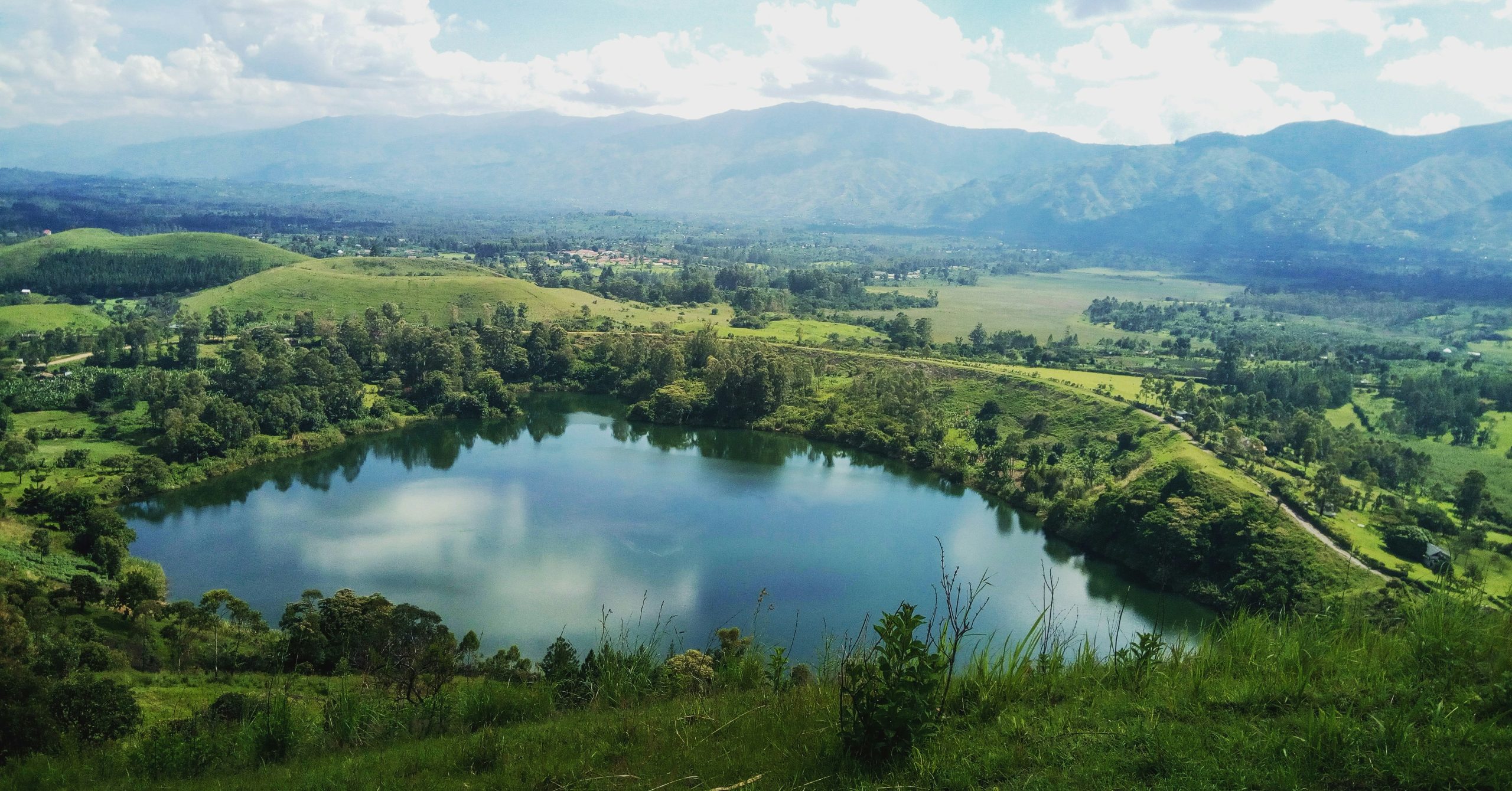
- Lush landscapes: the countryside is vividly green, with dramatic skies, flowering plants and flowing waterfalls.
- Superb birding: many resident birds are in breeding plumage, and migrants from Europe and Asia are present from around November to April.
- Newborn animals: many species give birth during the rains, when food is plentiful.
- Great photography: clean air, soft light and stormy skies create stunning images.
Disadvantages to Consider
- Muddy trails: gorilla and chimpanzee trails can be slippery and more strenuous.
- Slower roads: murram roads to some parks can be muddy, adding travel time.
- Dispersed wildlife: with water widely available, savannah animals spread out, so game viewing can require more searching.
- Longer grass: tall grass can make predators harder to spot.
- Occasional disruptions: heavy storms can briefly delay activities or flights.
Gorilla Trekking in the Rainy Season
Gorilla trekking runs every day of the year, regardless of weather. In the rainy season, trails are wetter and muddier, so treks can be more physically demanding. On the positive side, gorillas sometimes stay in lower areas where food is abundant, which can mean shorter treks, and permits are easier to obtain. Rain often falls in the afternoon, after most treks have finished. Hire a porter, wear waterproof boots and gaiters, bring a good rain jacket and gloves, and you will be well prepared. Read our guides to gorilla trekking in the dry vs wet season and how hard gorilla trekking is.
Chimpanzee Tracking in the Rain
Chimpanzee tracking in Kibale continues year-round. During the rains, fruiting trees can concentrate chimpanzees in certain areas, which may help trackers locate them. Trails are muddier, but Kibale’s relatively flat terrain remains manageable. Read our guide to chimpanzee tracking in Kibale.
Game Viewing in the Green Season
In Queen Elizabeth and Murchison Falls, animals disperse more widely when water is abundant, so game drives may require more patience. However, the Kazinga Channel and the Nile remain magnets for wildlife year-round, so boat cruises are excellent in any season. Predators often take advantage of newborn prey. Many travellers find green season game viewing very rewarding, especially with an experienced guide. See our guide to the Kazinga Channel boat cruise.
Birdwatching Paradise
The green season is the best time for birding in Uganda. Resident species are breeding and at their most colourful and vocal, and Palearctic migrants such as European bee-eaters, wagtails and raptors arrive from around November. Wetlands are full, attracting waterbirds, and the shoebill can still be seen in Mabamba Swamp and other swamps. If you are a keen birder, this is your season. Read our guide to birdwatching in Uganda and our 14-day birding itinerary.
Saving Money in the Green Season
The green season can offer excellent value. Many lodges reduce their rates during the long rains of March to May and the short rains of October and November, and some offer stay-longer deals. While gorilla permit prices are set by the Uganda Wildlife Authority and are generally fixed, the savings on accommodation can be significant, particularly at luxury lodges. International flights can also be cheaper outside peak holiday periods. Read our guides to affordable Uganda safaris and Uganda safari costs.
What to Pack for the Green Season
- A good-quality waterproof jacket and rain trousers.
- Waterproof hiking boots with good grip, plus gaiters.
- Quick-drying clothing and extra socks.
- A dry bag or rain cover for your camera and daypack.
- Warm layers for cool, damp highland evenings.
- Insect repellent, as mosquitoes are more common.
See our gorilla trekking packing list.
Health in the Rainy Season
Mosquito numbers increase during the rains, so malaria prevention is especially important. Take antimalarials as prescribed, use repellent and sleep under nets. Drink bottled or filtered water. A yellow fever certificate is required to enter Uganda. Read our guide to vaccinations and malaria.
Planning Tips
- Build in buffer time for slower road travel.
- Consider domestic flights to avoid the muddiest roads.
- Schedule activities in the morning, when rain is less likely.
- Choose lodges with cosy common areas for rainy afternoons.
- Travel with a 4×4 vehicle and an experienced driver-guide.
Who Should Travel in the Green Season?
The green season suits budget-conscious travellers, birders, photographers, travellers who dislike crowds, those booking at short notice and repeat visitors who want to see Uganda in a different light. It may be less ideal for travellers with limited mobility, as muddy trails can be challenging, or for those whose main focus is classic savannah game viewing.
Month-by-Month Green Season Guide
March: The long rains usually begin during March, often gradually, with many dry days early in the month. Landscapes start to turn green, and visitor numbers fall after the busy January and February period. A good month for value.
April: Typically the wettest month, with frequent showers and storms, particularly in the afternoons. Parks are at their quietest, and lodge rates are often at their lowest. Trails are muddiest, so gorilla trekking can be challenging but rewarding.
May: Rain continues but often eases towards the end of the month. Scenery is spectacularly lush, and birdlife remains excellent. Lodges begin to fill again in late May ahead of the June peak.
October: The short rains usually begin in October. Showers are often lighter and shorter than in April, and migratory birds start to arrive. A good shoulder-season month.
November: Rain continues, with green landscapes and quiet parks. Many lodges offer good rates, and birding is excellent. The festive season rush begins in December.
Weather patterns vary from year to year, and climate variability means the rains can start earlier or later than expected. Your safari company can share recent conditions when you plan. Read our month-by-month gorilla trekking guide.
Sample 7-Day Green Season Itinerary
- Day 1: Arrive in Entebbe; optional morning shoebill search at Mabamba Swamp.
- Day 2: Fly or drive to Fort Portal and a crater-lake lodge.
- Day 3: Morning chimpanzee tracking in Kibale; afternoon Bigodi Wetland walk for birds.
- Day 4: Queen Elizabeth National Park and a Kazinga Channel cruise.
- Day 5: Morning game drive, then through Ishasha to Bwindi.
- Day 6: Gorilla trekking.
- Day 7: Fly from Kihihi to Entebbe.
Scheduling primate activities and boat cruises in the mornings reduces the chance of rain interrupting them, and the domestic flight at the end avoids a long drive on wet roads.
Green Season Photography
The rainy season can be the best time of year for photography. Rain washes dust from the air, so landscapes are crisp and colours vibrant. Dramatic storm clouds create powerful backdrops for wildlife and landscape images, and soft, diffused light in the forests reduces harsh contrasts when photographing gorillas and chimpanzees. Protect your gear with rain covers and dry bags, and bring spare batteries and cloths. Read our gorilla trekking photography tips.
Green Season in Other Destinations
Kibale and Fort Portal: the crater lakes are at their most beautiful, waterfalls are flowing, and chimpanzee tracking continues as normal. Murchison Falls: the falls are especially powerful after rain, and the delta is excellent for birding, though some northern tracks can be muddy. Lake Mburo: green hills, newborn antelopes and excellent birding make it rewarding, and horseback and walking safaris continue. Jinja: white-water rafting runs year-round, and the river is just as exciting. Kidepo Valley: its main rainy season falls roughly between April and October; it can be wet and remote during this time, so check access before planning a visit. Rwenzori Mountains and Mount Elgon: hiking is much harder in heavy rain, so serious treks are better planned for the drier months.
Making the Most of Rainy Afternoons
Rainy afternoons can be a pleasure on safari. Many lodges have cosy lounges with fireplaces, libraries and board games, and some offer spa treatments, cooking demonstrations or talks about local culture and conservation. Watching a tropical storm roll across the savannah or the forest from your veranda is an experience in itself. If you plan downtime around the weather, the rain becomes part of the adventure rather than an inconvenience.
Our Verdict
For flexible travellers, birders, photographers and anyone seeking value and solitude, Uganda’s green season is an excellent time to visit. Gorillas and chimpanzees can be seen year-round, the landscapes are spectacular and parks are quiet. If you prefer the easiest trekking conditions and classic dry-season game viewing, choose June to September or December to February instead. Either way, Uganda rewards visitors in every season.
Good to know: green season travel is also more flexible. Because lodges and permits are less in demand, it is often possible to book a safari at short notice, change your itinerary more easily or extend your stay at a favourite lodge. If you are a spontaneous traveller, or your dates are fixed by work or school calendars, the green season may offer the best combination of availability, value and quiet, uncrowded parks. Talk to us about current green season offers and we will help you plan around the weather.
Finally, remember that travel insurance is especially important in the rainy season, as weather can occasionally disrupt flights or road travel. Choose a policy that covers delays, cancellations and medical evacuation, so you can relax and enjoy everything the green season has to offer.
Frequently Asked Questions
Does it rain all day in Uganda’s rainy season? Rarely. Rain usually falls in heavy showers, often in the afternoon, with sunshine in between.
Can I trek gorillas in April? Yes. Gorilla trekking runs year-round; just prepare for muddy trails.
Are lodges cheaper in the rainy season? Many lodges offer lower rates during the green season.
Is the green season good for birding? Yes, it is the best time for birdwatching in Uganda.
Plan a Green Season Safari
Kuku Safaris can help you take advantage of green season rates and availability while planning around the weather. Visit the Uganda Tourism Board, read our safari planning guide, and see how to book with Kuku Safaris.