
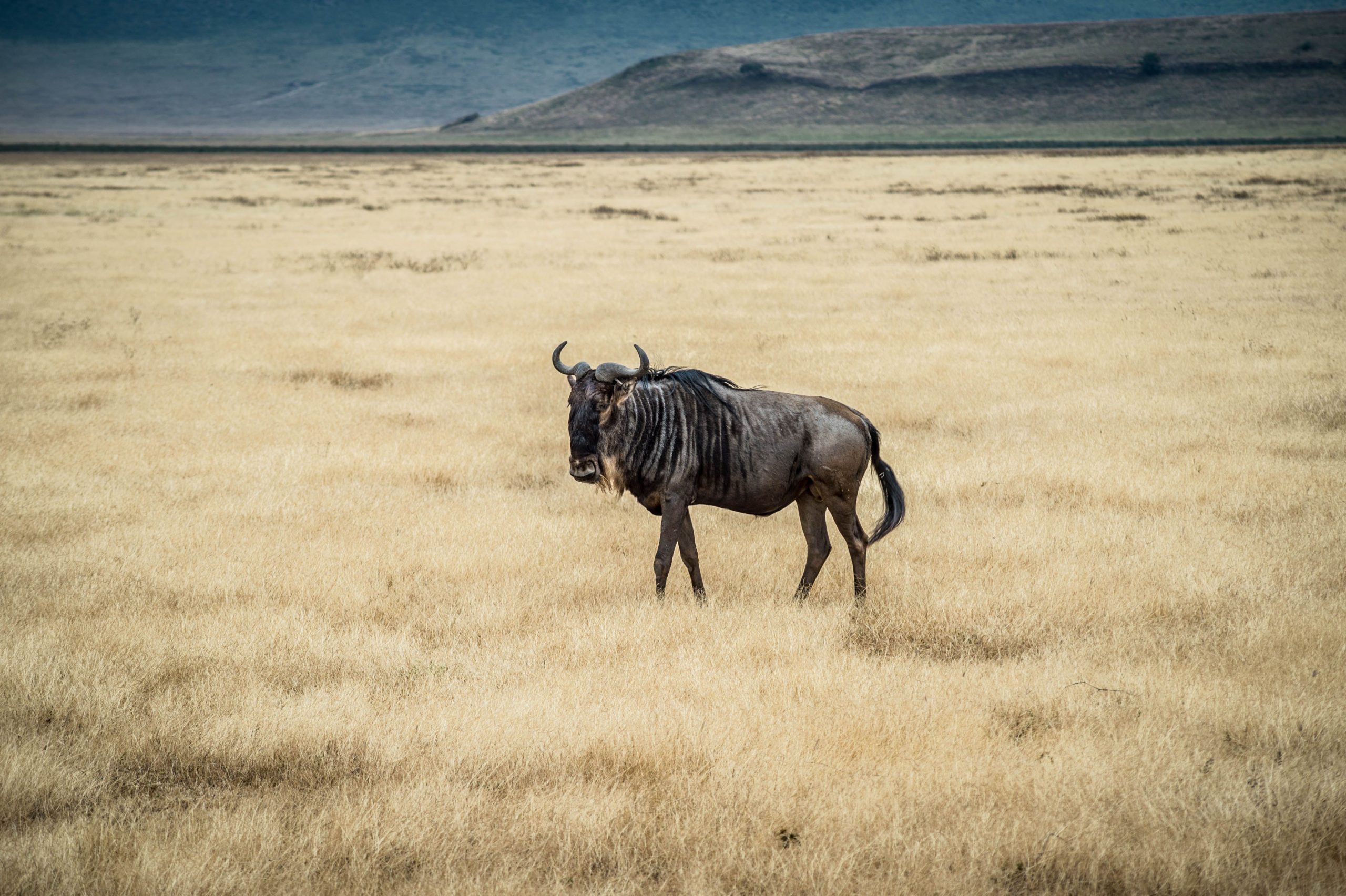
Tanzania Lake Eyasi, Hadzabe & Datoga Cultural Safari – 8 Days
Introduction: Discover the Living Cultures of Lake Eyasi
Experience the cultural richness and natural beauty of northern Tanzania on this 8-day Lake Eyasi, Hadzabe and Datoga Cultural Safari with Kuku Safaris.
Located southwest of the Ngorongoro highlands, Lake Eyasi is a seasonal saline lake surrounded by dry woodland, rocky hills, baobab trees and traditional settlements.
The region is particularly important for its cultural diversity and is home to the Hadza and Datoga communities, whose traditional livelihoods offer fascinating insights into human adaptation, environmental knowledge and life in the East African Rift Valley.
The Hadza are widely recognised for their hunting and gathering heritage. Visitors have an opportunity to join a community-hosted early-morning bush walk, learning about tracking, wild foods, traditional tools and the relationship between the community and its environment.
The journey also introduces guests to the Datoga, a community known for pastoralism and traditional metalworking. Through an arranged homestead visit, travellers can learn about livestock keeping, blacksmithing, jewellery production and traditional craftsmanship.
The adventure begins in Arusha before continuing to Tarangire National Park for a wildlife experience among elephants and ancient baobab trees.
From Tarangire, travel towards Karatu and Lake Eyasi, where the focus shifts to cultural discovery, nature walks and birdwatching.
The final safari highlight is Ngorongoro Crater, one of Tanzania’s most remarkable wildlife destinations, before returning to Arusha.
Unlike a conventional wildlife safari, this itinerary focuses on meaningful cultural engagement alongside selected wildlife experiences.
Whether you are interested in anthropology, traditional lifestyles, photography, history or responsible cultural tourism, this journey offers a memorable introduction to a distinctive part of Tanzania.
Tour Highlights
- Discover the cultural heritage of the Hadza and Datoga communities.
- Experience a community-hosted early-morning Hadza bush walk.
- Learn about traditional hunting, tracking and gathering knowledge.
- Visit a Datoga homestead and learn about pastoral livelihoods.
- Observe traditional blacksmithing and metalworking where offered by local artisans.
- Explore Lake Eyasi’s seasonal landscape and birdlife.
- Enjoy guided walks through the surrounding dry woodland and countryside.
- Experience Tarangire National Park’s wildlife and baobab landscapes.
- Visit the spectacular Ngorongoro Crater.
- Learn about the traditions, history and environmental knowledge of northern Tanzania.
- Support locally arranged cultural experiences through agreed community fees.
Detailed 8-Day Tanzania Itinerary
Day 1: Arrival in Arusha – Welcome to Tanzania
Upon arrival at Kilimanjaro International Airport, you will be welcomed by a representative from Kuku Safaris and transferred to your hotel in Arusha.
Depending on your arrival time, spend the afternoon relaxing or enjoying a short introduction to the town.
Arusha is an important gateway to Tanzania’s northern safari circuit, providing convenient access to Tarangire, Lake Manyara, Ngorongoro and Lake Eyasi.
In the evening, meet your safari guide for a briefing about the upcoming adventure.
Your guide will explain the route, accommodation arrangements, cultural experiences and wildlife activities planned for the coming days.
You will also receive an introduction to the importance of respectful community tourism, including photography etiquette and how community fees are arranged.
Accommodation: Arusha
Meal plan: Dinner, depending on arrival time
Day 2: Arusha to Tarangire National Park – Discover the Elephant Kingdom
After an early breakfast, depart Arusha and travel towards Tarangire National Park.
The drive takes you through the scenic countryside of northern Tanzania before reaching one of the country’s most attractive wildlife destinations.
On arrival, complete the park entry formalities and begin your game drive.
Tarangire is famous for its large elephant herds, ancient baobab trees and the Tarangire River, which provides an important source of water for wildlife, particularly during the dry season.
During your game drive, look out for:
- African elephants.
- Zebras.
- Wildebeest.
- Giraffes.
- Impalas.
- Buffaloes.
- Warthogs.
- Lions and other predators.
- A variety of savannah birds.
The baobab trees are a distinctive feature of Tarangire’s scenery and provide excellent photographic opportunities.
Your guide will select the best areas for wildlife viewing based on the season, recent sightings and the location of water sources.
Enjoy a picnic lunch at a designated site or have lunch at your lodge, depending on the chosen accommodation.
Continue with an afternoon game drive before returning to your lodge or tented camp.
Accommodation: Tarangire National Park area
Meal plan: Breakfast, lunch and dinner
Day 3: Tarangire to Karatu – Journey into the Ngorongoro Highlands
Wake up early and enjoy breakfast before heading out for a final morning game drive in Tarangire.
The morning offers another opportunity to search for elephants, giraffes, zebras and other wildlife while enjoying the changing light across the park.
After the game drive, depart Tarangire and travel towards Karatu.
The journey takes you through the beautiful landscapes of northern Tanzania, passing agricultural settlements, rural trading centres and scenic countryside.
Depending on the route and timing, you may stop around Mto wa Mbu for lunch and a short visit to local craft shops or markets.
Continue towards Karatu, a highland town that provides a convenient base for exploring Ngorongoro and Lake Eyasi.
On arrival, check in at your lodge and enjoy the afternoon at leisure.
Your guide will brief you about the Lake Eyasi cultural visit, which starts early the following morning.
Accommodation: Karatu
Meal plan: Breakfast, lunch and dinner
Day 4: Karatu to Lake Eyasi – Discover the Cultural Landscape
After breakfast, depart Karatu and travel towards Lake Eyasi.
The drive takes you through the Rift Valley countryside and towards the lake’s northeastern shore. The final section may involve rough and dusty tracks, so a suitable 4×4 vehicle is recommended.
Lake Eyasi’s landscape is distinctly different from the more familiar savannah parks of northern Tanzania.
Its surroundings include dry woodland, acacia vegetation, baobab trees, rocky hills and seasonal wetlands.
On arrival, check in at your lakeside camp or lodge and enjoy lunch.
In the afternoon, meet your local guide for an introduction to the area and the communities who live around the lake.
You may enjoy a relaxed walk around the surrounding landscape, learning about the local environment, traditional food sources and the seasonal changes that influence life around the lake.
Depending on the season, the lakeshore may also attract flamingos, pelicans, spoonbills and other waterbirds.
In the evening, enjoy dinner at your accommodation and prepare for an early start the following morning.
Your guide will explain the arrangements for the Hadza visit, including the community’s preferences, photography etiquette and the nature of the planned activity.
Accommodation: Lake Eyasi
Meal plan: Breakfast, lunch and dinner
Day 5: Hadza Cultural Experience and Datoga Blacksmith Visit
Today is the central cultural highlight of your Lake Eyasi expedition.
The day begins before sunrise, allowing you to meet your local Hadza hosts at a time that fits their normal morning activities.
Early-morning Hadza bush experience
After an early start, meet your community guide and join the arranged group for a guided walk into the surrounding bush.
The Hadza have extensive knowledge of the natural environment, developed through generations of hunting, gathering and tracking.
During the experience, learn about:
- Traditional tracking techniques.
- How animal tracks and other signs are interpreted.
- The use of bows and arrows.
- Wild fruits, tubers and edible plants.
- Honey gathering and other food sources.
- The relationship between seasonal resources and daily activities.
- Traditional fire-making techniques, where hosts choose to demonstrate them.
The experience is not a staged wildlife performance. You are visiting a living community and participating in an activity hosted on the community’s terms.
Where the group chooses to undertake a hunting or gathering activity, visitors may accompany them and observe their traditional knowledge in practice.
Actual hunting success, the presence of particular foods and the length of the outing cannot be guaranteed.
After the experience, return to your accommodation or agreed meeting point for breakfast.
Datoga cultural and blacksmith experience
Later in the morning, continue to a Datoga homestead arranged through your local guide.
The Datoga are known for their pastoral traditions, metalworking skills and distinctive craftsmanship.
During the visit, learn about the importance of livestock in Datoga livelihoods and observe traditional metalworking where an artisan has agreed to demonstrate their work.
Activities may include:
- Learning about traditional cattle and goat keeping.
- Observing the blacksmithing process.
- Seeing how scrap metal is transformed into tools and ornaments.
- Learning about the production of arrowheads and jewellery.
- Discovering traditional beadwork and household crafts.
- Hearing about the relationship between the Datoga and neighbouring communities.
Depending on the family hosting the visit, you may also learn about traditional homestead construction and local food practices.
The experience should be arranged with willing hosts, with a fair community payment agreed beforehand.
After lunch, return to your accommodation and spend the afternoon relaxing.
Accommodation: Lake Eyasi
Meal plan: Breakfast, lunch and dinner
Day 6: Lake Eyasi – Birdwatching, Nature Walks and Return to Karatu
Enjoy a final morning exploring the natural surroundings of Lake Eyasi.
After breakfast, meet your local guide for a lakeshore birdwatching excursion or a guided nature walk.
Lake Eyasi is an important seasonal wetland habitat, and the birdlife changes with water levels and rainfall.
Depending on the season, possible sightings include:
- Flamingos.
- Great white pelicans.
- African spoonbills.
- Grey-headed gulls.
- Pied avocets.
- Yellow-billed storks.
- Herons and egrets.
- Other shorebirds and waterbirds.
The lake’s changing conditions create different photographic opportunities throughout the year.
A nature walk may also introduce you to the dryland plants, acacia woodland and baobab landscapes surrounding the lake.
You can discuss an additional community-led walk with a Hadza guide, particularly if you are interested in local plant knowledge and traditional uses of natural resources.
After the morning experience, return to your accommodation, collect your luggage and depart for Karatu.
The drive takes approximately 1–2 hours in favourable conditions, although the rougher tracks and weather can affect travel time.
On arrival in Karatu, check in at your lodge and enjoy the afternoon at leisure.
Accommodation: Karatu
Meal plan: Breakfast, lunch and dinner
Day 7: Ngorongoro Crater – Full-Day Wildlife Safari
Today offers an exciting wildlife experience in the world-famous Ngorongoro Crater.
After an early breakfast, depart Karatu and travel towards the Ngorongoro Conservation Area.
Complete the required entry arrangements before descending into the crater for a game drive.
The crater is the world’s largest intact, unfilled volcanic caldera and is home to an extraordinary concentration of wildlife.
Its combination of grasslands, swamps, forests, lakes and permanent water sources supports an impressive variety of animals.
During the game drive, look out for:
- African elephants.
- Buffaloes.
- Lions.
- Black rhinos.
- Leopards.
- Zebras.
- Wildebeest.
- Hippos.
- Hyenas.
- Gazelles and other antelopes.
Ngorongoro is particularly important for travellers hoping to see the Big Five.
Your guide will explore the crater floor, selecting routes according to wildlife sightings, road conditions and the day’s regulations.
Enjoy a picnic lunch at an authorised site before continuing with the afternoon game drive.
Later, ascend towards the crater rim and return to your lodge in Karatu.
Accommodation: Karatu
Meal plan: Breakfast, lunch and dinner
Day 8: Karatu to Arusha – Departure from Tanzania
After breakfast, depart Karatu and travel towards Arusha or Kilimanjaro International Airport, depending on your departure arrangements.
The journey provides a final opportunity to enjoy the northern Tanzanian countryside.
Depending on your flight time, a lunch stop or short visit to a local craft market may be arranged.
On arrival at the airport, you will be assisted with your transfer for your onward international flight.
This marks the end of your Tanzania Lake Eyasi, Hadzabe and Datoga Cultural Safari with Kuku Safaris.
You will leave with unforgettable memories of northern Tanzania’s landscapes, traditional community experiences, local craftsmanship and wildlife.
Meal plan: Breakfast
Best Time to Visit Lake Eyasi
Lake Eyasi can be visited throughout the year, although seasonal conditions influence the lake’s water levels, birdlife, road accessibility and outdoor activities.
June to October – Preferred Dry Season
This is generally a favourable period for travelling around Lake Eyasi.
Dryer conditions can make the surrounding tracks easier to navigate, while early mornings are often suitable for guided cultural walks.
The lake may shrink considerably in the dry season, exposing large sections of its shoreline.
January to March – Another Travel Window
These months can also be suitable for cultural visits and outdoor activities, although local weather and road conditions should be checked.
Birdlife varies depending on the available water and food sources.
April and May – Long Rainy Season
The long rains can make some of the dirt roads around Lake Eyasi difficult to navigate.
Parts of the lake basin may become muddy, and travel between Karatu and the lakeshore can take longer.
Kuku Safaris recommends checking local road conditions before confirming travel during these months.
The best time for the Hadza cultural experience is early morning, when the community’s activities begin. A night near the lake makes this experience more comfortable than travelling from Arusha before dawn.
Recommended Accommodation for This Safari
Kuku Safaris can arrange accommodation according to the traveller’s preferred comfort level and budget.
Arusha
- Arusha Coffee Lodge.
- Mount Meru Hotel.
- Gran Meliá Arusha.
- Other suitable hotels in Arusha.
Tarangire National Park area
- Tarangire Safari Lodge.
- Tarangire Simba Lodge.
- Sangaiwe Tented Lodge.
- Other suitable tented camps around the park.
Karatu
- Ngorongoro Farm House.
- Acacia Farm Lodge.
- Country Lodge Karatu.
- Farm of Dreams Lodge.
- Other suitable highland lodges.
Lake Eyasi
- Kisima Ngeda Camp.
- Lake Eyasi Safari Lodge.
- Selected locally operated camps and guesthouses around Mang’ola.
These are suggested accommodation options rather than guaranteed inclusions. Confirm availability, the exact location, meal arrangements and the cultural experiences offered by the property before preparing the final quotation.
What to Pack for the Lake Eyasi Cultural Safari
For a comfortable experience, we recommend packing:
- Lightweight, breathable clothing.
- Long-sleeved shirts and comfortable trousers.
- Closed walking shoes with good grip.
- A warm layer for the early-morning outing.
- A sun hat or cap.
- Sunglasses and sunscreen.
- Insect repellent.
- Reusable drinking water bottle.
- Small daypack.
- Camera and spare batteries.
- Binoculars for birdwatching.
- Personal medication and basic first-aid supplies.
- A light rain jacket during the wetter months.
The early-morning Hadza excursion begins before sunrise, so a warm layer is useful even during warmer seasons.
Responsible Cultural Tourism: Visiting the Hadza and Datoga
Kuku Safaris believes cultural tourism should benefit the communities being visited and respect their dignity, choices and everyday lives.
The Hadza and Datoga are living communities, not tourist attractions or performances.
The experience should be arranged around the interests and preferences of the hosts.
We recommend the following principles:
- Arrange visits through trusted local community guides.
- Agree community fees before the visit.
- Make sure the community receives its agreed share of the payment.
- Ask permission before photographing individuals or homes.
- Accept a refusal to be photographed.
- Do not ask hosts to repeat activities purely for photographs.
- Avoid giving money, sweets or alcohol directly to children.
- Respect the host family’s privacy and daily activities.
- Purchase crafts directly through agreed local channels.
- Avoid leaving litter or removing natural objects from the environment.
Travellers who do not wish to observe hunting can request a plant-knowledge walk, cultural discussion or another alternative activity.
The aim is to create a respectful exchange in which visitors learn while local hosts retain control over what they share.
Is This Safari Suitable for Families and First-Time Cultural Travellers?
Yes. The itinerary can be adapted for couples, families, photographers, small groups and travellers interested in cultural heritage.
The early-morning bush walk involves walking over natural terrain, which may be thorny or uneven in places.
Families should discuss the suitability of the activity with their guide before booking, particularly when travelling with young children.
Travellers who prefer less walking can request a shorter cultural experience or a homestead visit followed by the Datoga blacksmith experience.
The Ngorongoro and Tarangire sections also make the trip suitable for visitors who want a combination of culture and wildlife.
What Is Included in the Safari Package?
A typical Kuku Safaris package can include:
- Airport transfers in Arusha.
- Private 4×4 safari transportation.
- Services of an experienced English-speaking driver-guide.
- Accommodation for seven nights.
- Meals as indicated in the itinerary.
- Tarangire National Park entry and agreed game drives.
- Lake Eyasi accommodation and transfers.
- Community-arranged Hadza cultural experience.
- Community-arranged Datoga homestead and artisan experience.
- Local cultural guide or interpreter.
- Lake Eyasi birdwatching or nature walk.
- Ngorongoro Conservation Area entry arrangements.
- Ngorongoro Crater game drive.
- Drinking water during road transfers.
Community payments should be itemised in the final quotation so that the traveller understands how their visit supports the hosts.
What Is Not Included?
Unless otherwise agreed in the final quotation, the package excludes:
- International flights.
- Tanzania visa fees, where applicable.
- Mandatory inbound travel insurance for visitors who are subject to the requirement.
- Optional specialist cultural excursions.
- Additional private community visits.
- Optional activities not specified in the final programme.
- Travel insurance.
- Personal expenses, tips and gratuities.
- Drinks and meals not specified in the itinerary.
Frequently Asked Questions
1. Where is Lake Eyasi located?
Lake Eyasi is located in northern Tanzania, southwest of the Ngorongoro highlands and near Karatu. It lies within the Great Rift Valley and is surrounded by dry woodland, rocky hills and seasonal wetlands.
2. Who are the Hadzabe?
The Hadza, also commonly written as Hadzabe, are an Indigenous community living around the Lake Eyasi basin. Their cultural heritage is closely associated with hunting, gathering, tracking and extensive knowledge of local plants and wildlife.
Many Hadza continue to practise aspects of traditional hunting and gathering, while livelihoods and lifestyles vary within the community today.
3. Who are the Datoga?
The Datoga, also written Datooga, are a pastoralist community with a strong cultural heritage associated with livestock keeping and traditional metalworking.
Selected Datoga artisans are known for producing tools, arrowheads, jewellery and other metal objects.
4. Can visitors join a Hadza hunting excursion?
A community-hosted early-morning bush walk may allow visitors to accompany Hadza hosts as they undertake traditional hunting and gathering activities.
However, the actual activity depends on the community’s plans and environmental conditions. A hunt or successful food gathering is never guaranteed.
5. Can I observe traditional Datoga blacksmithing?
Yes. A visit to a selected homestead or artisan can provide an opportunity to observe traditional metalworking, subject to the host’s consent and availability.
6. Is Lake Eyasi a national park?
No. Lake Eyasi is not a TANAPA national park. Cultural experiences are arranged through local community hosts and guides rather than standard national park entry arrangements.
7. What birds can I see around Lake Eyasi?
Depending on water levels and season, possible sightings include flamingos, pelicans, African spoonbills, grey-headed gulls, pied avocets, yellow-billed storks, herons and other waterbirds.
8. How far is Lake Eyasi from Karatu?
The journey is approximately 1–2 hours by road in favourable conditions. The final section can involve rough dirt tracks, and travel time may increase after rain.
9. Is it possible to visit Lake Eyasi on a day trip?
Yes, but an early start from Karatu is necessary to reach the community in time for a dawn experience. Kuku Safaris recommends spending at least one night near the lake for a less rushed visit.
10. Can I combine Lake Eyasi with Ngorongoro Crater?
Yes. The two destinations combine naturally in one itinerary. Guests can enjoy cultural exploration around Lake Eyasi and a wildlife safari inside Ngorongoro Crater.
11. Is the cultural experience suitable for photography?
Photography may be possible when the hosts agree. Visitors should always ask permission before taking pictures and respect anyone who declines.
12. Can this itinerary be extended?
Yes. It can be extended to include Lake Manyara, Serengeti National Park, Tarangire, Lake Natron or additional cultural experiences in northern Tanzania.
Book Your Tanzania Lake Eyasi, Hadzabe and Datoga Cultural Safari with Kuku Safaris
Discover the rich cultural heritage and beautiful natural landscapes of northern Tanzania with Kuku Safaris.
This 8-day adventure combines the wildlife of Tarangire, meaningful cultural encounters around Lake Eyasi and a memorable safari in Ngorongoro Crater.
From joining a community-hosted Hadza bush walk to learning about Datoga metalworking and exploring the seasonal lakeshore, the journey offers a distinctive perspective on Tanzania beyond conventional wildlife safaris.
Whether you are a cultural traveller, photographer, family or adventurous explorer, Kuku Safaris can tailor the experience to your travel dates, accommodation preferences and budget.
Contact Kuku Safaris to start planning your Tanzania Lake Eyasi, Hadzabe and Datoga Cultural Safari.
Explore More Tanzania Safaris with Kuku Safaris
Continue exploring Tanzania with these related Kuku Safaris journeys:
- Tanzania Calving Season & Ngorongoro Safari – Discover the Ngorongoro highlands and southern Serengeti wildlife.
- Tanzania Safari & Zanzibar Beach Holiday – Combine wildlife viewing with Indian Ocean relaxation.
- Tanzania Southern Circuit Wilderness Safari: Nyerere & Ruaha – Explore remote southern Tanzania wilderness.
- Tanzania Usambara Mountains, Lushoto & Mkomazi Safari – Discover mountain landscapes and cultural heritage.
- Tanzania Mount Kilimanjaro Climb & Cultural Safari – Experience the Roof of Africa and Chagga culture.
- Kuku Safaris – Home – Explore more tailor-made East African safaris.