
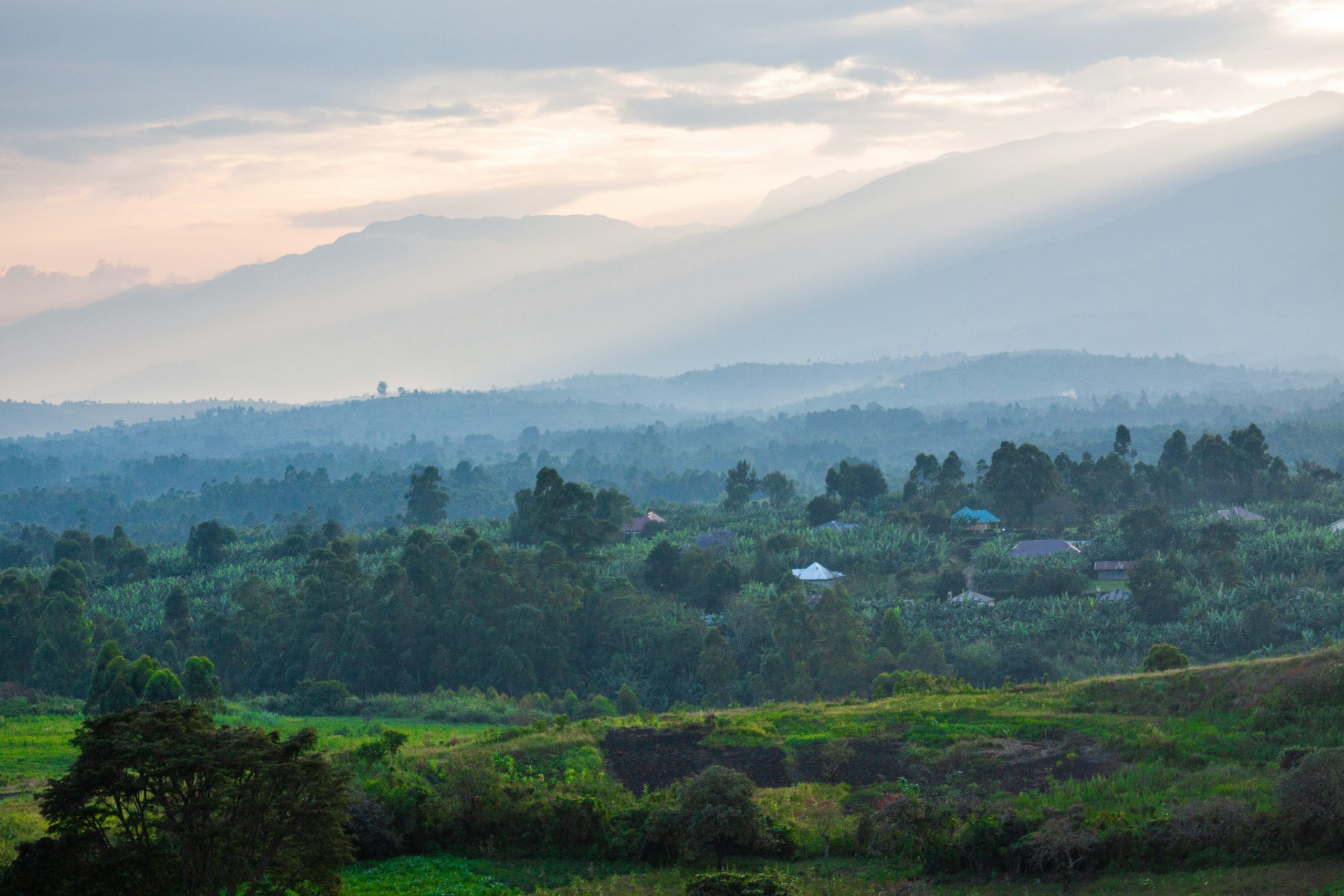
Rwenzori Mountains: Hiking the Mountains of the Moon in Uganda
Nearly two thousand years ago, the Greek geographer Ptolemy wrote of snow-capped “Mountains of the Moon” in the heart of Africa, the source of the Nile. Today, those mountains are known as the Rwenzoris, a range of glaciated peaks rising on the border between Uganda and the Democratic Republic of the Congo. Their misty valleys, giant plants, moss-draped forests and glaciers create landscapes unlike anywhere else on Earth. Trekking in the Rwenzoris is tough, wet and muddy, but for adventurous hikers, it is one of the most extraordinary mountain experiences in Africa.
This complete guide covers the Rwenzori Mountains’ peaks and vegetation, the main trekking routes, the best time to go, fitness and preparation, costs and how to combine a Rwenzori trek with a Uganda safari.
Rwenzori Mountains at a Glance
- Location: Western Uganda, on the DRC border, near Kasese and Fort Portal.
- Highest peak: Margherita Peak on Mount Stanley, 5,109 metres, the third-highest mountain in Africa.
- Protected area: Rwenzori Mountains National Park, around 1,000 square kilometres, a UNESCO World Heritage Site managed by the Uganda Wildlife Authority.
- Known for: Glaciers, giant lobelias and groundsels, moss-covered forests, endemic wildlife and challenging treks.
How the Rwenzoris Are Different
Unlike Kilimanjaro, Mount Kenya and Mount Elgon, the Rwenzoris are not volcanic. They are a block of ancient rock pushed upwards by movements of the Earth’s crust in the Albertine Rift. The range contains six main mountain massifs: Stanley, Speke, Baker, Emin, Gessi and Luigi di Savoia, several with glaciers and snowfields on their summits. The mountains receive heavy rainfall for much of the year, which feeds lush vegetation and countless streams and lakes, and gives the range its famously wet, misty character.
The Rwenzori glaciers have shrunk dramatically over the past century, and scientists expect them to disappear in the coming decades. Seeing them is a privilege that future generations may not share.
Vegetation Zones
- Montane forest: tall trees, ferns and orchids on the lower slopes, home to primates and birds.
- Bamboo zone: dense stands of bamboo, often muddy underfoot.
- Heather zone: giant tree heathers draped in moss and lichens, creating an enchanted, fairy-tale atmosphere.
- Afro-alpine zone: bogs, giant lobelias and groundsels several metres tall, everlasting flowers and tussock grasses.
- Glacial zone: bare rock, snow and ice on the highest peaks.
Wildlife
Rwenzori Mountains National Park is home to forest elephants, chimpanzees, black-and-white colobus, L’Hoest’s monkeys, blue monkeys, the Rwenzori duiker, the Rwenzori three-horned chameleon and many other species, though most are shy and rarely seen. More than 200 bird species live in the park, including the Rwenzori turaco, Rwenzori double-collared sunbird, Rwenzori batis and handsome francolin, many of them Albertine Rift endemics.
Trekking Routes
The Central Circuit. The classic route, starting from Nyakalengija near Kasese, loops through the heart of the range via the Bujuku and Mubuku valleys, passing lakes, bogs and stunning views of Mount Stanley, Mount Speke and Mount Baker. The full circuit typically takes seven to eight days, and treks to Margherita Peak add a summit day on the glaciers. Accommodation is in mountain huts.
The Kilembe Trail. Starting from Kilembe in the south, this route climbs through beautiful valleys and ridges and can be used for summit attempts on Margherita Peak or for shorter treks. Huts and camps along the way provide accommodation.
Shorter treks and day hikes. For those without the time or fitness for a full trek, one- to three-day hikes into the forest and lower valleys offer a taste of the Rwenzoris, with waterfalls, birds and primates. Village walks in the foothills introduce the culture of the Bakonzo people.
Margherita Peak. Reaching the summit requires crossing glaciers with crampons, ice axes and ropes, under the guidance of experienced mountain guides. No previous technical experience is strictly required, but good fitness, confidence and training on the mountain are essential.
See our 7-day Rwenzori Mountains adventure safari for a sample itinerary.
Best Time to Trek
The Rwenzoris can be wet at any time of year, but the drier periods, from late December to February and June to August, are the best for trekking. Trails are still muddy, but views are clearer and conditions on the glaciers are more stable. The rainy seasons, from March to May and September to November, bring heavy rain and very boggy trails. See our guide to the best time to visit Uganda.
Fitness and Preparation
Rwenzori trekking is physically demanding. Trails are steep, muddy and often slippery, with bogs, roots, rocks and ladders. You should be in good physical condition and comfortable walking for six to eight hours a day. Training with long hikes, stair climbing and leg-strengthening exercises is recommended. Altitude sickness is a risk at higher elevations, so walk slowly, drink plenty of water and follow your guide’s advice. For comparison with other East African mountains, see our guides to climbing Kilimanjaro, climbing Mount Kenya and Mount Elgon.
What to Pack
- Rubber gumboots for bogs (often available locally) and sturdy hiking boots for higher sections.
- Waterproof jacket and trousers, plus gaiters.
- Warm layers, hat and gloves for cold nights.
- A warm sleeping bag and dry bags to keep gear dry.
- Trekking poles, headlamp, sunglasses and sunscreen.
Technical equipment for the glaciers is usually provided by your trekking operator.
How to Get There
The main trailheads are near Kasese, around six to seven hours’ drive from Kampala, or a short flight to Kasese airstrip. Fort Portal is about an hour away. Many trekkers spend a night in Kasese or Fort Portal before starting; see our Fort Portal crater lakes guide.
How Much Does It Cost?
Rwenzori trekking costs include park entry fees, guides, porters, hut fees, food, equipment and transport. Summit treks with glacier equipment cost more than shorter forest hikes. Prices are generally set per person per trek by licensed operators. See our guide to Uganda safari costs and our article on adventure tourism in Uganda.
Combining a Rwenzori Trek With a Safari
- Queen Elizabeth National Park: just south of the Rwenzoris; see our Queen Elizabeth guide.
- Kibale Forest: chimpanzee tracking near Fort Portal; see our Kibale guide.
- Semuliki: hot springs and Congo Basin forest; see our Semuliki guide.
- Gorilla trekking: finish your trip in Bwindi; see our Bwindi gorilla trekking guide.
Frequently Asked Questions
How hard is it to trek the Rwenzoris? It is one of the most challenging treks in East Africa due to mud, bogs and steep terrain, but it is achievable for fit, determined hikers.
Do I need climbing experience for Margherita Peak? Technical experience is helpful but not essential, as guides provide equipment and instruction. Good fitness is essential.
How long is the Central Circuit? Usually seven to eight days, plus extra days for a summit attempt.
Can I just do a day hike? Yes. Day hikes and short treks are available for those who want a taste of the mountains.
Plan Your Rwenzori Adventure
The Mountains of the Moon offer one of Africa’s most unforgettable trekking adventures, through landscapes that feel almost otherworldly. Kuku Safaris works with licensed local mountain operators to arrange treks of all lengths, and can combine your trek with chimpanzees, savannah safaris and gorilla trekking. Get in touch to start planning.