
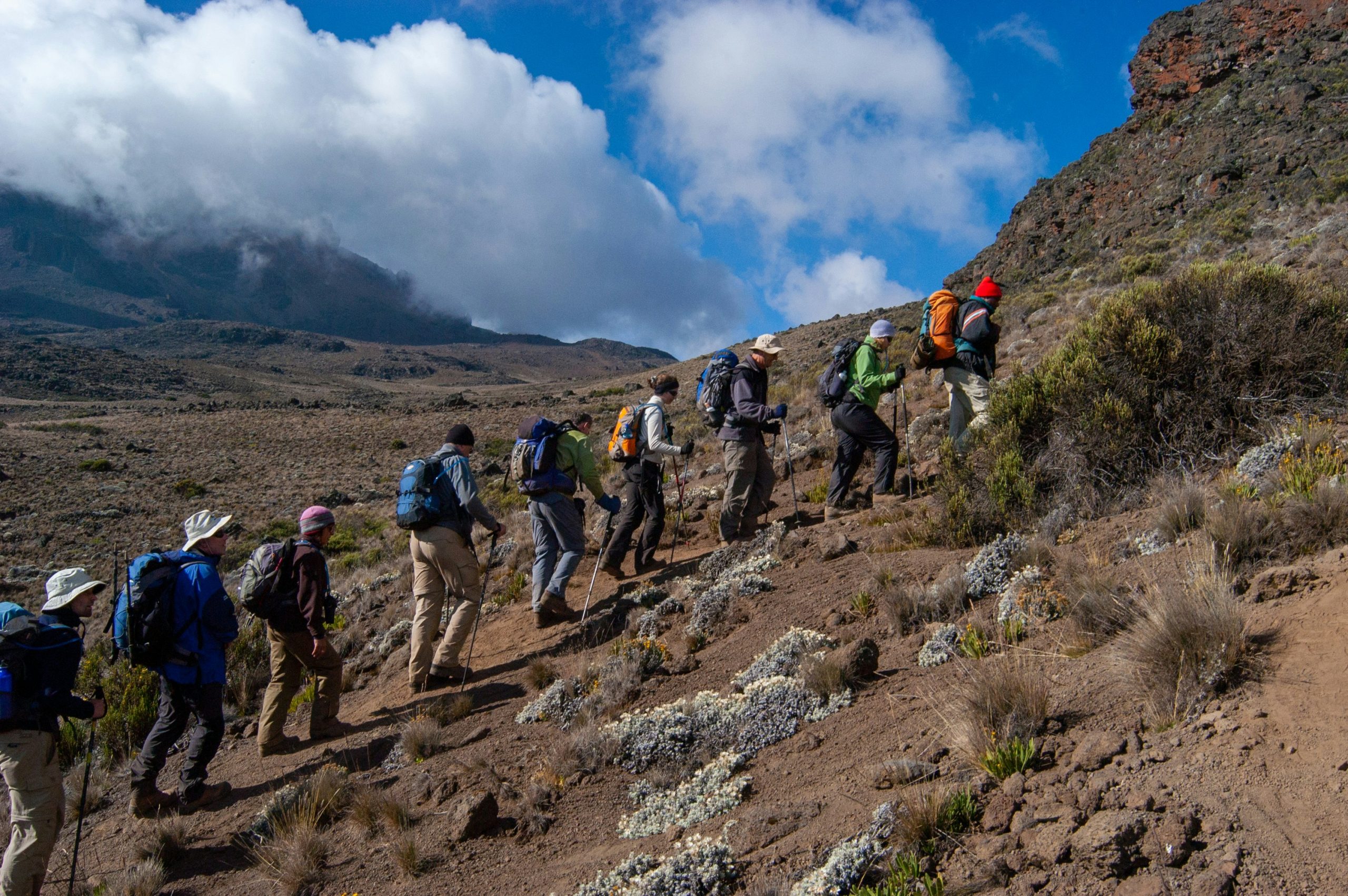
Climbing Mount Kilimanjaro: The Complete Guide to Routes, Seasons, Costs and Preparation
Rising alone above the plains of northern Tanzania, Mount Kilimanjaro is Africa’s highest mountain and the tallest free-standing mountain in the world. Its snow-streaked summit, Uhuru Peak, stands at 5,895 metres above sea level, yet reaching it requires no technical climbing skills, ropes or ice axes. With good preparation, a reputable operator and enough time to acclimatise, it is a goal within reach of fit, determined walkers of many ages. Every year, thousands of people set out to stand on the “Roof of Africa”, and for most it becomes one of the defining experiences of their lives.
This complete guide explains everything you need to know about climbing Mount Kilimanjaro: the routes, the best time to climb, how long it takes, altitude sickness, training, costs, what to pack and how to combine your trek with a safari or a beach break in Zanzibar.
Kilimanjaro at a Glance
- Height: 5,895 metres (19,341 feet) at Uhuru Peak.
- Location: North-eastern Tanzania, near the Kenyan border, above the towns of Moshi and Arusha.
- Structure: A dormant stratovolcano with three volcanic cones: Kibo (the highest, home to Uhuru Peak), Mawenzi and Shira.
- Protected area: Kilimanjaro National Park, managed by Tanzania National Parks (TANAPA) and listed as a UNESCO World Heritage Site.
- Typical climb length: Five to nine days, depending on the route.
- Nearest airport: Kilimanjaro International Airport (JRO), between Moshi and Arusha.
Five Climate Zones in One Climb
One of the joys of climbing Kilimanjaro is walking through several distinct ecological zones, almost like travelling from the equator to the Arctic in a week:
- Cultivated lower slopes: farms of bananas and coffee around the villages at the foot of the mountain, home to the Chagga people.
- Montane rainforest: lush, humid forest with huge trees, ferns, mosses and black-and-white colobus and blue monkeys.
- Heath and moorland: open landscapes of giant heather, giant groundsels and lobelias, with sweeping views above the clouds.
- Alpine desert: a stark, rocky landscape with little vegetation, strong sun by day and freezing temperatures at night.
- Arctic summit zone: ice, scree and the remaining glaciers around the crater rim of Kibo.
Kilimanjaro’s glaciers have been shrinking for more than a century, and scientists expect much of the ice to disappear in the coming decades, which makes seeing them all the more special.
Kilimanjaro Routes Compared
Choosing the right route is one of the most important decisions you will make. The main factors are acclimatisation, scenery, crowds and comfort.
Machame Route (6–7 days). Nicknamed the “Whiskey Route”, Machame is one of the most popular routes on the mountain. It approaches from the south-west, passes through beautiful forest and moorland, and follows a “climb high, sleep low” profile that helps acclimatisation, including the famous scramble up the Barranco Wall. Camping is in tents. It is busier than some routes, but its scenery and success rates make it a strong choice, especially in its seven-day version.
Lemosho Route (7–8 days). Starting on the remote western side, Lemosho crosses the beautiful Shira Plateau before joining the Machame route. It is quieter at the start, very scenic and, because of its length, offers excellent acclimatisation. Many experienced guides consider it one of the best all-round routes.
Marangu Route (5–6 days). The oldest route and the only one with shared huts instead of tents, Marangu is nicknamed the “Coca-Cola Route”. It ascends and descends the same path, which makes it less varied, and its shorter itinerary means less time to acclimatise. Choosing the six-day version, with an extra acclimatisation day, is strongly recommended.
Rongai Route (6–7 days). The only route that approaches from the north, near the Kenyan border, Rongai is drier and quieter, making it a good option during the rainy season. The scenery is less dramatic than on the western routes, but it is gentle and offers a real sense of wilderness.
Northern Circuit (8–9 days). The longest route, the Northern Circuit circles the quieter northern slopes. It offers the best acclimatisation, superb views and very few other climbers, though it requires more time and a larger budget.
Umbwe Route (6–7 days). The steepest and most direct route, Umbwe is best suited to experienced trekkers who already know how they cope with altitude.
As a general rule, longer itineraries have higher summit success rates, because they give your body more time to adjust to the altitude. If you can, choose at least seven days on the mountain.
What a Typical Day Looks Like
Most days on Kilimanjaro follow a similar rhythm. You wake early to a hot drink brought to your tent, eat a cooked breakfast, then walk for four to seven hours at a slow, steady pace. Your guides set the pace with the famous Swahili phrase “pole pole” (slowly, slowly). Lunch is eaten on the trail or at camp, and afternoons are for resting, short acclimatisation walks and enjoying the views. Dinner is served in a mess tent, and your guides check your health each evening, often using a pulse oximeter.
Summit night is the toughest part of the climb. You set off around midnight from high camp, climbing by headlamp up steep scree in freezing temperatures. After several hours, you reach the crater rim at Stella Point or Gilman’s Point, usually around sunrise, before continuing along the rim to Uhuru Peak. After photos at the summit sign, you descend to high camp to rest, then continue down to a lower camp the same day. It is a long, demanding day, but the sunrise over the clouds and the glaciers make it unforgettable.
Best Time to Climb Kilimanjaro
Kilimanjaro can be climbed all year round, but the best conditions come during the dry seasons:
- January to early March: generally dry and slightly warmer, with clear mornings and fewer climbers than the mid-year peak. There may be snow on the summit.
- June to October: the most popular season, with dry, stable weather and clear skies, though nights are colder and the main routes are busier.
- April and May: the long rains bring heavy rainfall, muddy trails and limited views. Few people climb, and some operators do not run trips.
- November: the short rains bring afternoon showers, though climbing is still possible, especially on the drier Rongai route.
Many climbers time their summit night to coincide with a full moon, which lights the path without headlamps. For a broader view of seasons, see our guide to the best time to visit East Africa.
Altitude Sickness: What You Need to Know
The biggest challenge on Kilimanjaro is not fitness but altitude. As you climb, the air holds less oxygen, and most climbers experience some symptoms of acute mountain sickness (AMS), such as headaches, nausea, loss of appetite, poor sleep and fatigue. These are usually mild and improve with rest and acclimatisation. In rare cases, altitude sickness can develop into serious conditions affecting the lungs (HAPE) or the brain (HACE), which require immediate descent.
To reduce your risk:
- Choose a longer route with good acclimatisation.
- Walk slowly, even when you feel strong.
- Drink plenty of water, typically three to four litres a day.
- Eat well, even when your appetite drops.
- Tell your guides honestly how you feel, and follow their advice if they recommend descending.
- Speak to a doctor before your trip about whether altitude medication is suitable for you.
Climbing a smaller mountain first, such as Mount Meru in Arusha National Park, is an excellent way to pre-acclimatise and improve your chances on Kilimanjaro.
How Fit Do You Need to Be?
You do not need to be an athlete to climb Kilimanjaro, but good general fitness makes the experience far more enjoyable. Start training two to three months before your trip with regular walks and hikes, ideally on hills and with a daypack. Add cardio exercise such as running, cycling or swimming, and leg-strengthening exercises such as squats and step-ups. Doing a few long back-to-back hiking days will prepare you for walking several days in a row, and breaking in your hiking boots is essential. If you have a medical condition, consult your doctor before booking.
How Much Does It Cost to Climb Kilimanjaro?
Kilimanjaro is not a cheap mountain to climb. A significant part of the cost is made up of park fees, which include daily conservation fees, camping or hut fees and rescue fees, all set by TANAPA. The rest covers your guides, porters and cook, food, equipment, transfers and hotel nights before and after the climb. Longer routes cost more because of the extra days of fees and staff.
Be very wary of operators offering prices far below the market. Very cheap climbs often cut corners on safety, equipment, food and, above all, the pay and treatment of porters. Choose an operator that pays fair wages, provides proper gear and food for its crew, carries emergency oxygen and has clear safety procedures. You should also budget for tips for your mountain crew, which are an important part of their income. Our guide to choosing a Tanzania safari package has advice on vetting operators.
Your Mountain Crew
Every Kilimanjaro climber is supported by a team that typically includes a lead guide, assistant guides, a cook and porters who carry the tents, food and equipment. Many guides have summited hundreds of times and are trained in first aid and altitude awareness. Getting to know your crew, learning a few words of Swahili and hearing their songs at camp are among the highlights of the climb for many people.
What to Pack for Kilimanjaro
Layering is key, as temperatures range from warm and humid in the forest to well below freezing on summit night. Essentials include:
- Well-worn, waterproof hiking boots and comfortable camp shoes.
- Base layers, a fleece, an insulated down jacket and a waterproof shell jacket and trousers.
- Warm hat, sun hat, warm gloves and liner gloves.
- A sleeping bag rated for well below freezing (often available to rent).
- Headlamp with spare batteries, trekking poles and a daypack.
- Water bottles or a hydration bladder, water purification tablets and snacks.
- Sunglasses, high-factor sunscreen, lip balm and a personal first-aid kit.
Visas, Health and Insurance
Most visitors need a visa for Tanzania, which can usually be obtained online in advance; see our guide to the Uganda and Tanzania eVisa application. Check the vaccination requirements, including yellow fever if you are arriving from a country with risk, and take malaria precautions for the lower areas; our guide to East Africa vaccinations and malaria explains more. Travel insurance that specifically covers trekking up to 6,000 metres and emergency evacuation is essential.
Combining Kilimanjaro With a Safari or Zanzibar
After the climb, many travellers reward themselves with a safari in Tanzania’s northern circuit, which is just a few hours from Moshi. Options include Tarangire, Lake Manyara, the Ngorongoro Crater and the Serengeti. Others head to the beaches of Zanzibar to rest their legs; see our guide to combining Zanzibar and safari. Our 14-day Kilimanjaro climb and cultural safari brings it all together.
If you love mountains, East Africa has more to offer: try climbing Mount Kenya, Africa’s second-highest mountain, or trekking the glaciers and valleys of the Rwenzori Mountains in Uganda.
Ready to plan your climb? Read our step-by-step guide on how to book a safari with Kuku Safaris.
Frequently Asked Questions
Do I need climbing experience to climb Kilimanjaro? No. The standard routes are non-technical treks, though summit night is physically and mentally demanding.
Can I climb Kilimanjaro without a guide? No. All climbers must be accompanied by a licensed guide through a registered operator.
Which is the best route for beginners? The seven-day Machame or the eight-day Lemosho routes are excellent choices, thanks to their good acclimatisation profiles. The Rongai route is a gentler option, especially in the rainy season.
Is there a minimum age? The national park sets a minimum age for climbing to the summit, generally 10 years old. Younger children can do shorter walks on the lower slopes.
How cold does it get? On summit night, temperatures can fall well below freezing, especially with wind chill, so proper cold-weather gear is essential.
Plan Your Kilimanjaro Climb
Standing on Uhuru Peak as the sun rises over Africa is a moment you will never forget. With the right route, a well-paced itinerary and an experienced, ethical crew, you give yourself the best possible chance of reaching the top safely. Kuku Safaris works with trusted mountain partners in Tanzania and can plan your climb, your pre- and post-climb hotels, and a safari or Zanzibar extension. Get in touch to start planning your Kilimanjaro adventure.