
Lake Manyara National Park: Tree-Climbing Lions, Flamingos and Forest
Ernest Hemingway called it “the loveliest lake I had seen in Africa”. Set at the foot of the dramatic Great Rift Valley escarpment, Lake Manyara National Park packs an astonishing variety of habitats into a small area: lush groundwater forest, open grassland, acacia woodland, hot springs and a shallow soda lake that sometimes glows pink with flamingos. Famous for its tree-climbing lions, large troops of baboons and elephants wandering through the forest, Manyara is a rewarding stop on any northern Tanzania safari.
This complete guide covers Lake Manyara’s wildlife and landscapes, things to do, the best time to visit, how to get there and how to combine it with the rest of the northern circuit.
Lake Manyara at a Glance
- Location: Northern Tanzania, around 120 kilometres west of Arusha, below the Rift Valley escarpment.
- Size: Around 330 square kilometres, much of it covered by the lake.
- Known for: Tree-climbing lions, baboons, elephants, flamingos, groundwater forest and a treetop walkway.
- Managed by: Tanzania National Parks (TANAPA).
Habitats of Lake Manyara
The park’s diversity comes from its unusual setting. Water seeping from the base of the Rift Valley escarpment feeds a groundwater forest near the park entrance, where tall mahogany and fig trees create a cool, green environment unlike the surrounding savannah. Beyond the forest, acacia woodland and grassland stretch towards the lake. The lake itself is shallow and alkaline, its size varying greatly with the seasons. In the south of the park, hot springs bubble up near the shore.
Wildlife in Lake Manyara
Tree-climbing lions. Lake Manyara became famous for lions that rest in the branches of acacia and mahogany trees. The behaviour is not fully understood, though theories include escaping biting insects, catching cooler breezes and gaining a better view. Sightings are not guaranteed, but they are a memorable highlight when they happen.
Baboons and other primates. Manyara is home to some of the largest troops of olive baboons in Africa, often seen along the roads and in the forest. Blue monkeys and vervet monkeys are also common.
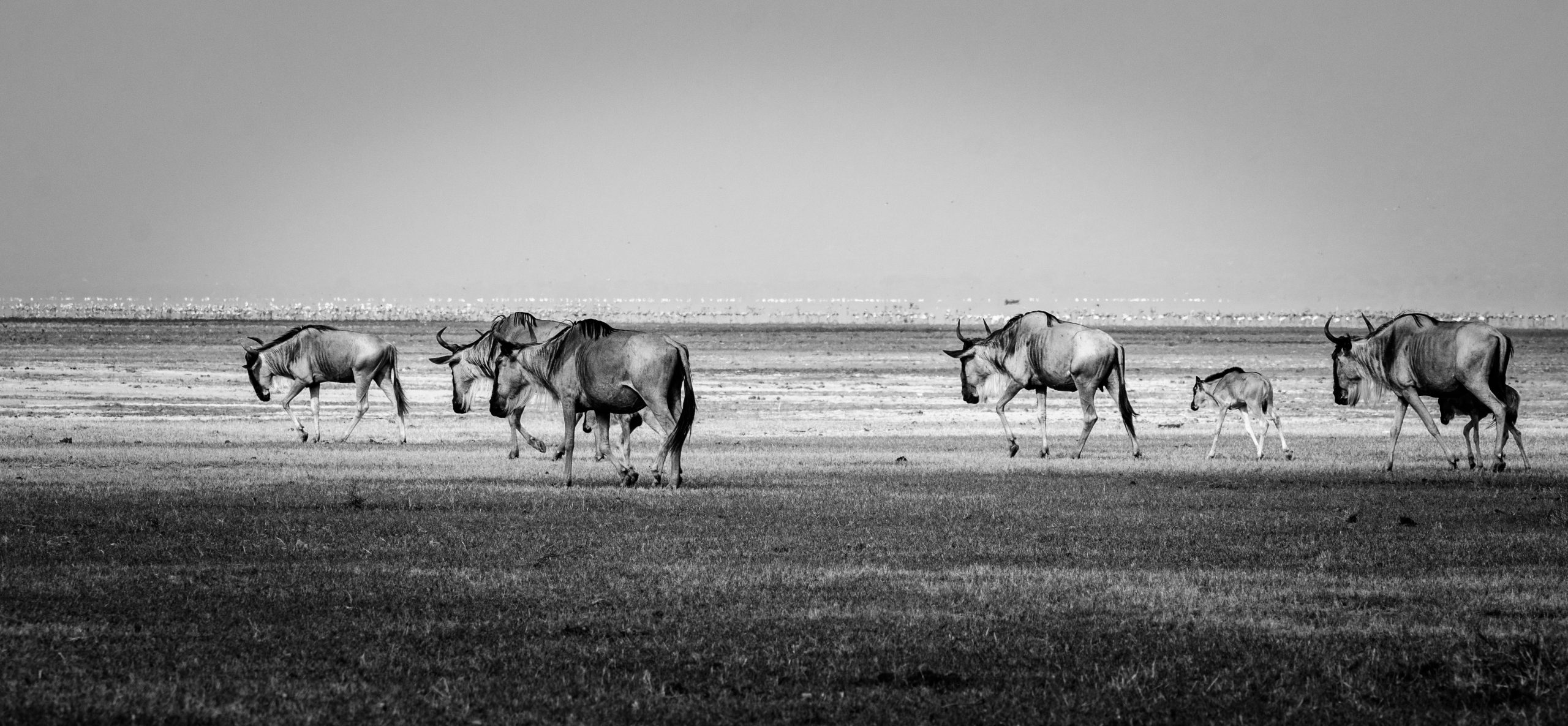
Elephants and other mammals. Elephants move through the forest and woodland, and the park also supports buffalo, giraffes, zebras, wildebeest, impalas, waterbucks, warthogs and hippos, which gather at the hippo pool.
Birds. With around 400 bird species, Manyara is a paradise for birders. At times, thousands of flamingos feed in the lake, along with pelicans, storks, spoonbills and many other water birds. The forest is home to crowned hornbills, silvery-cheeked hornbills and many other species.
Things to Do in Lake Manyara
Game drives. A half-day or full-day game drive takes you through the forest, woodland and lakeshore, with stops at the hippo pool and the hot springs.
Treetop walkway. A canopy walkway of suspension bridges and platforms winds through the treetops of the groundwater forest, offering a monkey’s-eye view of the forest and its birds.
Night game drives. Night drives in the park offer a chance to see nocturnal animals such as genets, civets, porcupines and hunting predators.
Canoeing and walking. When water levels allow, canoe trips on the lake bring you close to flamingos and hippos. Guided walks along the escarpment and lakeshore are also available.
Mto wa Mbu cultural tour. The village of Mto wa Mbu, at the park’s gate, is home to people from more than a hundred Tanzanian ethnic groups. Guided walks and bike tours visit banana plantations, markets, craft workshops and local homes, often with a traditional lunch. For more on culture, see our guide to Maasai culture and village visits.
Best Time to Visit Lake Manyara
Lake Manyara can be visited year-round. The dry season, from June to October, is best for general game viewing. The wet season, from November to May, is excellent for birding, with migratory birds present and flamingos often more numerous, and the forest and waterfalls are at their most lush. See our guide to the best time to visit East Africa.
How to Get There
Lake Manyara is around two hours by road from Arusha and about an hour from both Tarangire and the Ngorongoro Crater, making it easy to include on a northern circuit safari. Light aircraft also land at the Manyara airstrip. Check your visa requirements with our guide to the Uganda and Tanzania eVisa application.
Where to Stay
Accommodation ranges from campsites and guesthouses in Mto wa Mbu to lodges on the escarpment with sweeping views over the lake and luxury tented camps inside the park. Many travellers stay in the Karatu area, between Manyara and Ngorongoro, which has excellent lodges surrounded by coffee farms.
How Much Does It Cost?
Costs include TANAPA park fees, activity fees for the treetop walkway, night drives and canoeing, accommodation, vehicle and guide. Lake Manyara is often visited as a half-day or one-day stop on a multi-day safari, which keeps costs down. See our guides to Serengeti safari costs and how to choose a Tanzania safari package.
Combining Lake Manyara With the Northern Circuit
- Tarangire: elephants and baobabs, an hour away.
- Ngorongoro Crater: the Big Five in a spectacular volcanic caldera.
- The Serengeti: the Great Migration; see our Serengeti migration calendar and our calving season safari.
- Lake Eyasi: meet the Hadzabe and Datoga; see our Lake Eyasi cultural safari.
- Arusha and Kilimanjaro: Arusha National Park and Kilimanjaro.
Frequently Asked Questions
Are the tree-climbing lions always visible? No. Sightings are possible but not guaranteed, and lions may be on the ground.
How long should I spend at Lake Manyara? A half-day or full-day visit is enough for most travellers, or one night for activities like night drives and the treetop walkway.
Is Lake Manyara worth visiting? Yes, especially for its varied landscapes, birdlife and easy access between Arusha and Ngorongoro.
Is Manyara good for families? Yes. Short drives, monkeys and the treetop walkway are popular with children; see our guide to family safaris.
Plan Your Visit
Lake Manyara National Park offers remarkable variety in a compact, beautiful setting. Kuku Safaris can include Manyara in your northern circuit safari, with expert guides and carefully chosen lodges, and combine it with Tarangire, Ngorongoro, the Serengeti and Zanzibar; see our guide to Zanzibar and safari. Get in touch to start planning.