
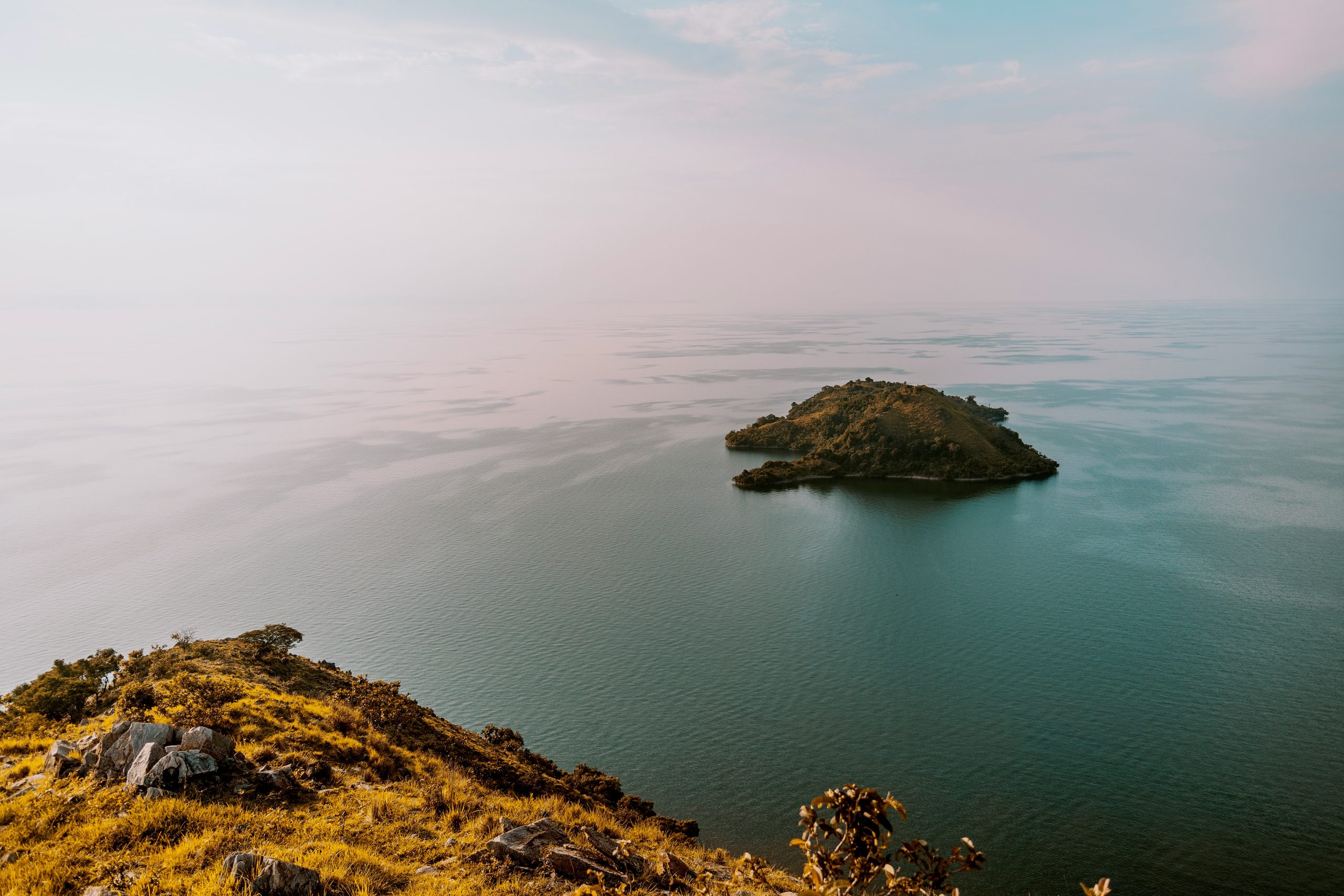
Lake Kivu: Rwanda’s Lakeside Escape Between Gorillas and Forests
After the early mornings of gorilla trekking and the long drives of a safari, Lake Kivu feels like a reward. Stretching along Rwanda’s western border with the Democratic Republic of the Congo, this vast, deep lake is fringed by green hills, sandy coves and small fishing villages. Its waters are calm and clear, its sunsets spectacular, and its lakeside towns relaxed and welcoming. Whether you want to swim, kayak, cycle, hike, taste coffee or simply rest, Lake Kivu is one of the most beautiful places in Rwanda to unwind.
This complete guide covers Lake Kivu’s main towns, the best things to do, the Congo Nile Trail, the best time to visit, how to get there and how to combine the lake with gorilla trekking and Nyungwe Forest.
Lake Kivu at a Glance
- Location: On the border between Rwanda and the DRC, in the Albertine Rift.
- Size: Around 2,700 square kilometres, one of Africa’s Great Lakes.
- Depth: Up to around 480 metres.
- Altitude: Around 1,460 metres.
- Main towns in Rwanda: Rubavu (Gisenyi) in the north, Karongi (Kibuye) in the centre and Rusizi (Cyangugu) in the south.
A Unique Lake
Lake Kivu lies in the western branch of the East African Rift and is one of only a few lakes in the world with large amounts of dissolved methane and carbon dioxide in its deep waters, the result of volcanic activity in the region. Scientists monitor the lake closely, and Rwanda extracts methane from the lake to generate electricity, turning a natural hazard into a resource. The lake’s surface waters are safe and pleasant for swimming, and Lake Kivu is widely regarded as free of bilharzia, though it is always wise to ask locally.
Rubavu (Gisenyi)
In the north, close to Volcanoes National Park, Rubavu is Lake Kivu’s liveliest resort town, with sandy beaches, palm-lined promenades, hotels and restaurants. Highlights include relaxing on the public beach, visiting the local market, taking a boat trip to nearby islands and hot springs, and touring a coffee washing station or brewery. The town is a natural place to unwind after gorilla trekking, just over an hour away.
Karongi (Kibuye)
In the centre of the lake’s Rwandan shore, Karongi is quieter and more scenic, set among steep hills and inlets dotted with islands. Boat trips visit Napoleon’s Island, home to a large colony of fruit bats, and Amahoro Island, a peaceful spot for swimming. Kayaking and paddleboarding are popular. Karongi also has an important genocide memorial, and the nearby Bisesero memorial commemorates resistance during the 1994 genocide.
Rusizi (Cyangugu)
At the lake’s southern tip, Rusizi is close to Nyungwe Forest National Park and the border with the DRC. It is less visited, with tea plantations and lovely views, and makes a good stop when travelling between Nyungwe and the lake.
Things to Do at Lake Kivu
Swimming and beaches. Lakeside hotels and public beaches offer calm, clear water for swimming.
Kayaking and boat trips. Paddle along the shoreline, visit islands or join a multi-day kayak trip between lakeside towns.
Watching the fishermen. At dusk, fishermen set out in wooden boats linked together by long poles, singing rhythmic songs as they paddle. They fish through the night for small sardine-like fish called isambaza, using lanterns to attract them. Watching them depart at sunset is a magical experience.
Coffee tours. The hills around Lake Kivu produce some of Rwanda’s finest coffee. Visit a cooperative or washing station to learn how coffee is grown, processed and exported, and enjoy a fresh cup.
Hot springs. Natural hot springs near Rubavu are used by locals for bathing and are believed to have healing properties.
Hiking and cycling the Congo Nile Trail. The Congo Nile Trail follows the shores and hills of Lake Kivu for more than 200 kilometres between Rubavu and Rusizi, passing villages, coffee farms, tea plantations and spectacular viewpoints. It can be hiked or cycled in sections or in full over several days. See our 9-day Congo Nile Trail hiking and cycling adventure.
Best Time to Visit Lake Kivu
Lake Kivu can be visited all year. The dry seasons, from June to September and December to February, offer sunny days and are ideal for hiking, cycling and combining the lake with gorilla trekking. The rainy seasons, from March to May and October to November, bring afternoon showers, lush scenery and fewer visitors. See our guide to the best time to visit East Africa.
How to Get There
Rubavu is around three hours by road from Kigali, or just over an hour from Volcanoes National Park. Karongi is about three hours from Kigali, and Rusizi is around five to six hours from Kigali or a few hours from Nyungwe. Rwanda’s roads are good, and the drives offer beautiful views. Start your trip with our Kigali city guide, and check visa requirements with our guide to the East Africa Tourist Visa.
Where to Stay
Lake Kivu has accommodation for every budget, from simple guesthouses and campsites to stylish boutique hotels and luxury lakeside resorts. Rubavu has the widest choice, while Karongi offers peaceful hillside lodges with lake views. Some eco-lodges are located on quiet stretches of the Congo Nile Trail.
Combining Lake Kivu With Gorillas and Nyungwe
- Volcanoes National Park: gorilla and golden monkey trekking; see our Volcanoes National Park guide, Rwanda gorilla permit cost and golden monkey trekking.
- Nyungwe Forest: chimpanzee tracking and the canopy walkway; see our Nyungwe chimpanzee trekking guide.
- Akagera National Park: Big Five safari in the east; see our Akagera guide.
- Uganda: cross into Uganda for Lake Mutanda, Lake Bunyonyi and Bwindi.
See our 5-day Rwanda wildlife and Lake Kivu holiday, our 9-day Nyungwe and Lake Kivu escape and our guide on how to choose a Rwanda safari package.
Tips for Visiting
- Bring swimwear, sunscreen and a hat.
- Use a life jacket on boats and kayaks.
- Remember that single-use plastic bags are banned in Rwanda.
- Check health advice before travelling; see our guide to East Africa vaccinations and malaria.
Multi-Country East Africa Itineraries
- 4-day best of East Africa experience
- 14-day four-country grand safari
- 15-day Rwanda, Uganda, Kenya and Zanzibar safari
- 18-day gorillas to the Mara safari
- 20-day ultimate East Africa overland safari
- 30-day East Africa safari: all four countries in depth
- 14-day slow travel and wellness lakeside retreat
- Grand East Africa conservation and wildlife photography safari
- 14-day multi-generational family safari and learning holiday
Frequently Asked Questions
Can you swim in Lake Kivu? Yes. The lake is widely considered safe and free of bilharzia, and swimming is popular at lakeside hotels and beaches.
Which town is best: Rubavu or Karongi? Rubavu is livelier and closer to the gorillas, while Karongi is quieter and more scenic.
How many days should I spend at Lake Kivu? Two to three nights is ideal for relaxing, with longer stays for the Congo Nile Trail.
Is Lake Kivu good for honeymooners and families? Yes. Romantic sunsets suit couples, while calm water and beaches suit families; see our guides to honeymoon safaris and family safaris.
Plan Your Visit
Lake Kivu is the perfect place to unwind and enjoy Rwanda’s natural beauty after the excitement of gorillas and chimpanzees. Kuku Safaris can arrange lakeside stays, boat trips, kayaking, the Congo Nile Trail and transfers, and build a full Rwanda itinerary. For official destination information, visit Visit Rwanda, then get in touch to start planning.