
Burundi Travel Guide: Kibira Forest, Lake Tanganyika and the Royal Drummers
Burundi is one of Africa’s least-visited countries, and for curious travellers that is a large part of its appeal. This small, hilly nation in the heart of Africa offers sandy beaches on the shores of Lake Tanganyika, misty mountain forests with chimpanzees, rolling tea plantations, thundering royal drums and a warm, welcoming culture. For travellers who have already explored Uganda, Rwanda, Kenya and Tanzania, or anyone seeking a genuinely off-the-beaten-path experience in East Africa, Burundi is a rewarding discovery.
This complete guide covers Burundi’s top attractions, including Lake Tanganyika, Kibira National Park and the royal drummers, as well as the best time to visit, how to get there, practical tips and how to combine Burundi with Rwanda and Tanzania.
Burundi at a Glance
- Location: Central-East Africa, bordered by Rwanda, Tanzania, the Democratic Republic of the Congo and Lake Tanganyika.
- Capitals: Gitega is the political capital, while Bujumbura, on Lake Tanganyika, is the largest city and economic centre.
- Languages: Kirundi, French and English, with Swahili widely spoken in Bujumbura.
- Known for: Lake Tanganyika beaches, royal drummers, Kibira forest, tea and coffee, and a southern source of the Nile.
Lake Tanganyika and Bujumbura
Lake Tanganyika is one of the world’s great lakes: the longest freshwater lake on Earth and the second deepest, shared by Burundi, Tanzania, the DRC and Zambia. Burundi’s stretch of shoreline is lined with sandy beaches, and Bujumbura’s lakeside beaches, such as Saga Beach, are popular places to relax, swim, eat grilled fish and watch spectacular sunsets over the mountains of the DRC. The lake is home to hundreds of species of colourful cichlid fish, many found nowhere else, making it fascinating for snorkellers and aquarium enthusiasts.
Bujumbura itself has a relaxed atmosphere, with markets, cafés, colonial-era buildings and a lively food and music scene. Nearby, at Mugere, a stone commemorates a visit by the explorers David Livingstone and Henry Morton Stanley in 1871.
Kibira National Park
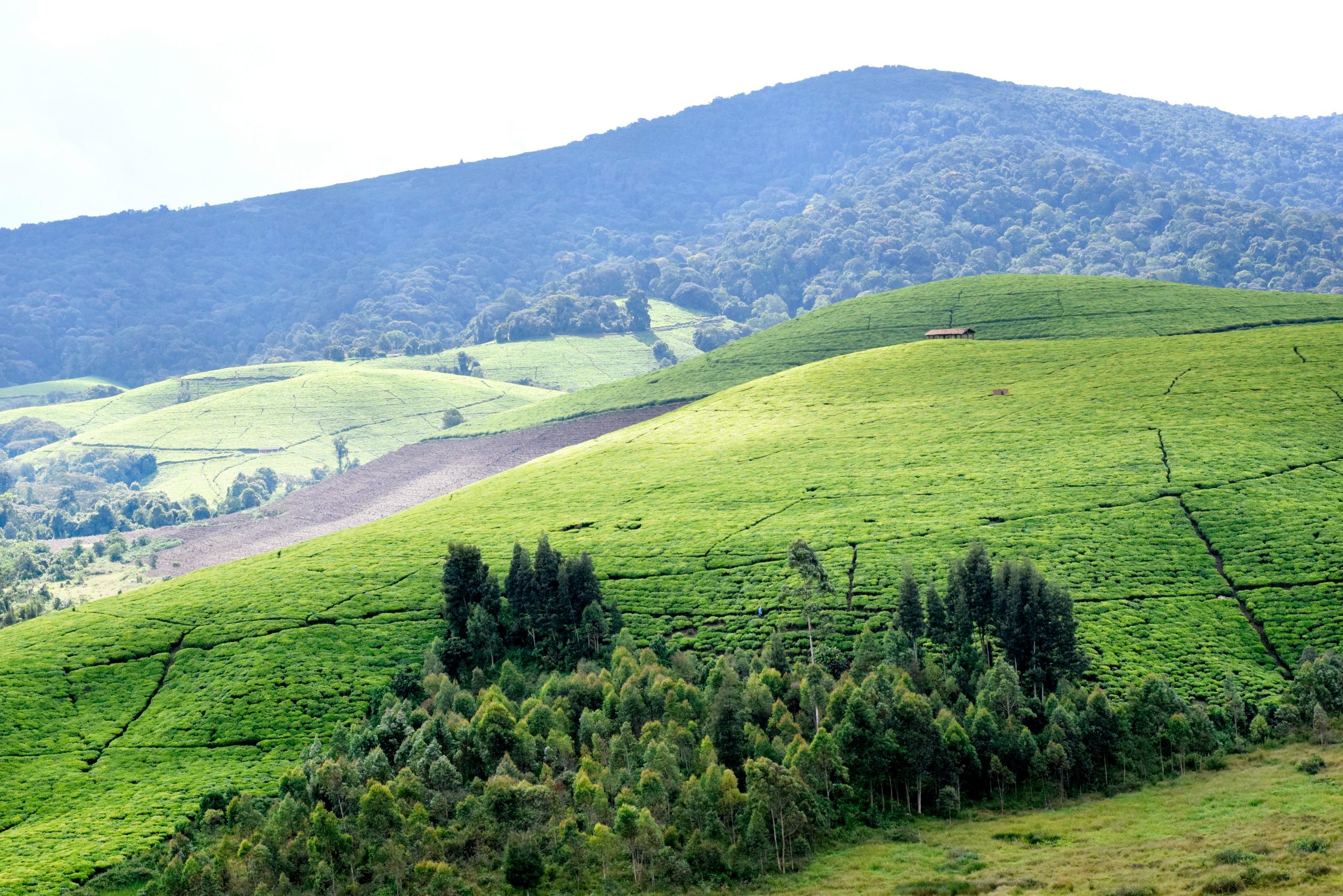
Kibira National Park protects a large area of montane rainforest in north-western Burundi, along the Congo-Nile divide. It is continuous with Rwanda’s Nyungwe Forest and shares much of its wildlife, including chimpanzees, black-and-white colobus, L’Hoest’s monkeys and many Albertine Rift endemic birds. Guided walks explore the forest’s trails, waterfalls and tea plantations on its edges. Kibira is less developed for tourism than Nyungwe, so expect a more adventurous experience. For chimpanzee trekking with more established facilities, see our guide to Nyungwe chimpanzee trekking in Rwanda.
Other National Parks
Rusizi National Park. Just outside Bujumbura, where the Rusizi River flows into Lake Tanganyika, this park protects a delta of wetlands and palm savannah. Boat trips reveal hippos, crocodiles, sitatungas and many water birds.
Ruvubu National Park. Burundi’s largest national park lies in the east, along the Ruvubu River, with savannah, woodland and riverine forest. It is home to buffalo, hippos, crocodiles, antelopes and primates, and is very rarely visited.
The Royal Drummers of Burundi
Burundi’s royal drumming tradition is one of Africa’s most spectacular cultural performances. Groups of drummers carry large drums on their heads, then perform powerful, rhythmic music combined with dance, acrobatic leaps and chanting. Historically, drumming was associated with the monarchy and important ceremonies. The tradition is recognised on UNESCO’s list of Intangible Cultural Heritage. The Gishora Drum Sanctuary near Gitega is one of the best places to watch a performance and learn about the tradition’s history.
The Southern Source of the Nile
In southern Burundi, near the village of Kasumo in Rutana Province, a small pyramid marks a spring that is often described as the southernmost source of the Nile. Water from this area flows into the Ruvyironza River, then the Kagera River, before entering Lake Victoria and eventually emerging as the White Nile at Jinja in Uganda. Read more in our guide to Jinja and the Source of the Nile.
Waterfalls and Landscapes
Burundi’s hilly landscapes are full of beautiful scenery. The Karera Falls, a series of waterfalls in Rutana Province, and the Kagera Falls are among the most scenic. The country is dotted with tea and coffee plantations, terraced hills and small villages, making road journeys a pleasure.
Tea and Coffee
Burundi produces high-quality Arabica coffee and tea, grown on the slopes of its hills. Visits to coffee washing stations and tea estates offer insight into the production process and the farmers’ lives. For a wider culinary experience in the region, see our East Africa coffee, tea and culinary heritage trail.
Best Time to Visit Burundi
The dry season, from June to September, is the best time to visit, with sunny weather and easier travel. A shorter dry period occurs around December to January. The rainy seasons, from February to May and October to November, bring heavy rain, which can make roads and forest trails difficult. See our guide to the best time to visit East Africa.
How to Get There
Most visitors arrive at Melchior Ndadaye International Airport in Bujumbura, which has connections to Nairobi, Kigali, Addis Ababa and other regional hubs. Overland travel from Rwanda and Tanzania is also possible. Visa requirements change, so check the latest rules before you travel; our guide to the East Africa Tourist Visa explains regional visa options, though Burundi is not part of that scheme.
Practical Tips
- Safety: check your government’s latest travel advice before booking, and travel with a reputable local operator.
- Money: the currency is the Burundian franc. Cash is essential, as card facilities are limited.
- Language: a few words of French or Kirundi are appreciated.
- Health: yellow fever vaccination and malaria precautions are required; see our guide to East Africa vaccinations and malaria.
- Photography: ask permission before photographing people, and avoid photographing government buildings or security personnel.
Combining Burundi With Rwanda and Tanzania
- Rwanda: gorillas in Volcanoes National Park, chimps in Nyungwe and relaxation at Lake Kivu; see our guides to Volcanoes National Park, Lake Kivu and Kigali.
- Western Tanzania: chimpanzees at Gombe Stream and Mahale, also on Lake Tanganyika.
See our 9-day Burundi cultural heritage, Kibira Forest and Lake Tanganyika expedition for a complete itinerary.
Frequently Asked Questions
Is Burundi worth visiting? Yes, for travellers seeking culture, scenery and an off-the-beaten-path experience in East Africa.
Can you see chimpanzees in Burundi? Yes, in Kibira National Park, though facilities are more basic than in Rwanda or Uganda.
How many days do I need in Burundi? Five to seven days allows time for Bujumbura, Lake Tanganyika, Kibira, the drummers and the source of the Nile.
Can I swim in Lake Tanganyika? Many people swim at Bujumbura’s beaches; ask locally about conditions and safety.
Plan Your Burundi Adventure
Burundi rewards curious travellers with beaches, forests, culture and warm hospitality, far from the usual tourist trail. Kuku Safaris has partners on the ground in Burundi and can arrange guides, transport and accommodation, and combine Burundi with Rwanda and western Tanzania. Get in touch to start planning.